


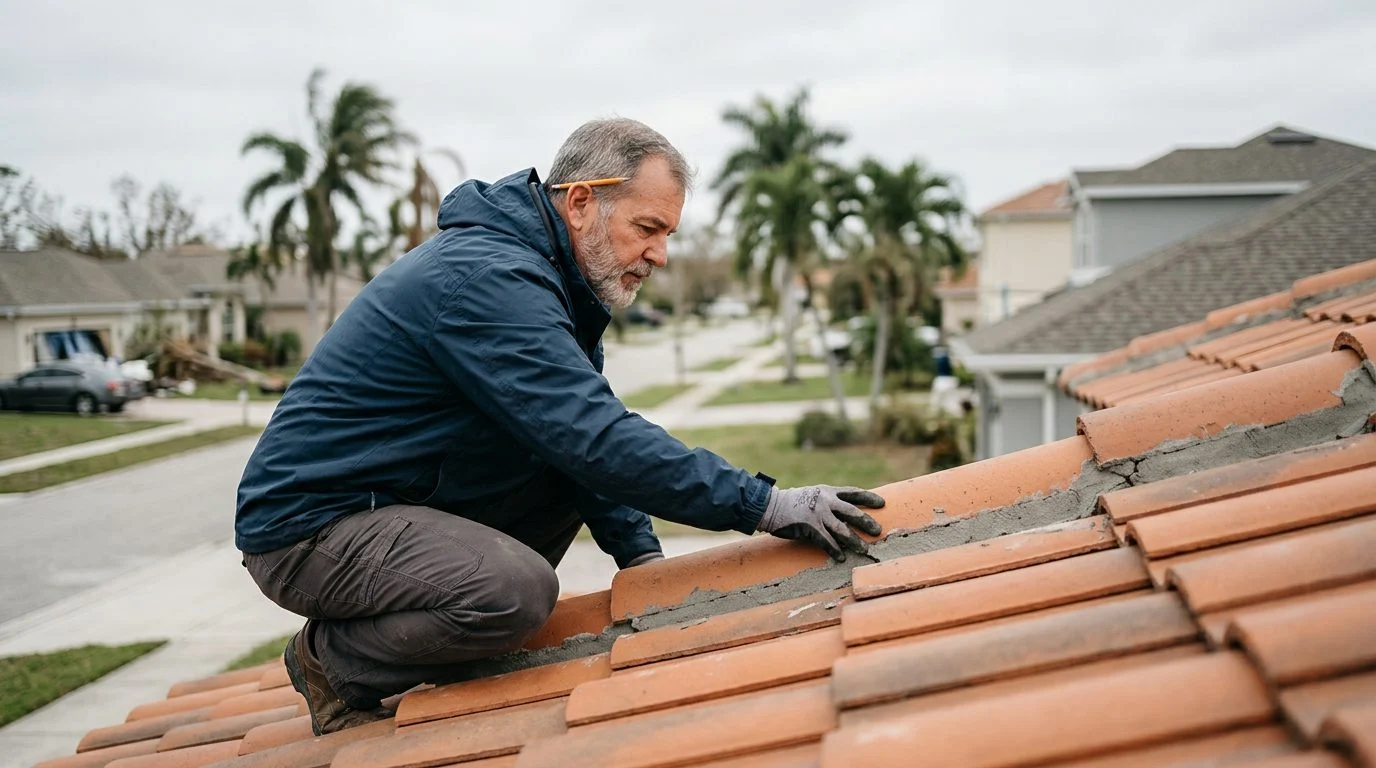
Tile Roofing | South Florida
Can Your Tile Roof Stand Up to a Florida Hurricane?
Tile can hold up well in high winds, but installation, fastening and upkeep make the difference. Here are the key factors to understand before a storm season.
By Jonathan Rodriguez · Published October 23, 2026
The Short Answer: Tile Roofs and Hurricane Winds in Florida
Yes, a tile roof can survive hurricane-force wind when it is designed, fastened, and maintained to Florida’s wind requirements. How well a specific roof holds up depends on its details, not on the tile alone.
If you’re reading this for a parent, a rental property, or a home you help manage, you want a clear answer before the next storm. Two homes with the same tile can perform very differently. One may have fasteners set correctly at the edges. The other may have shortcuts at the ridge or tiles that have slipped over time.
The National Roofing Contractors Association notes that clay and concrete tile is durable and is used in Florida. It also notes that a building’s structural load capacity must be verified when tile replaces another roof covering. Tile is heavy, so that check matters.
If a storm is on its way or your tile roof already shows damage, our team can talk through your roof's details with you. Talk it through with our team — the first consultation is free, confidential, and carries no obligation.
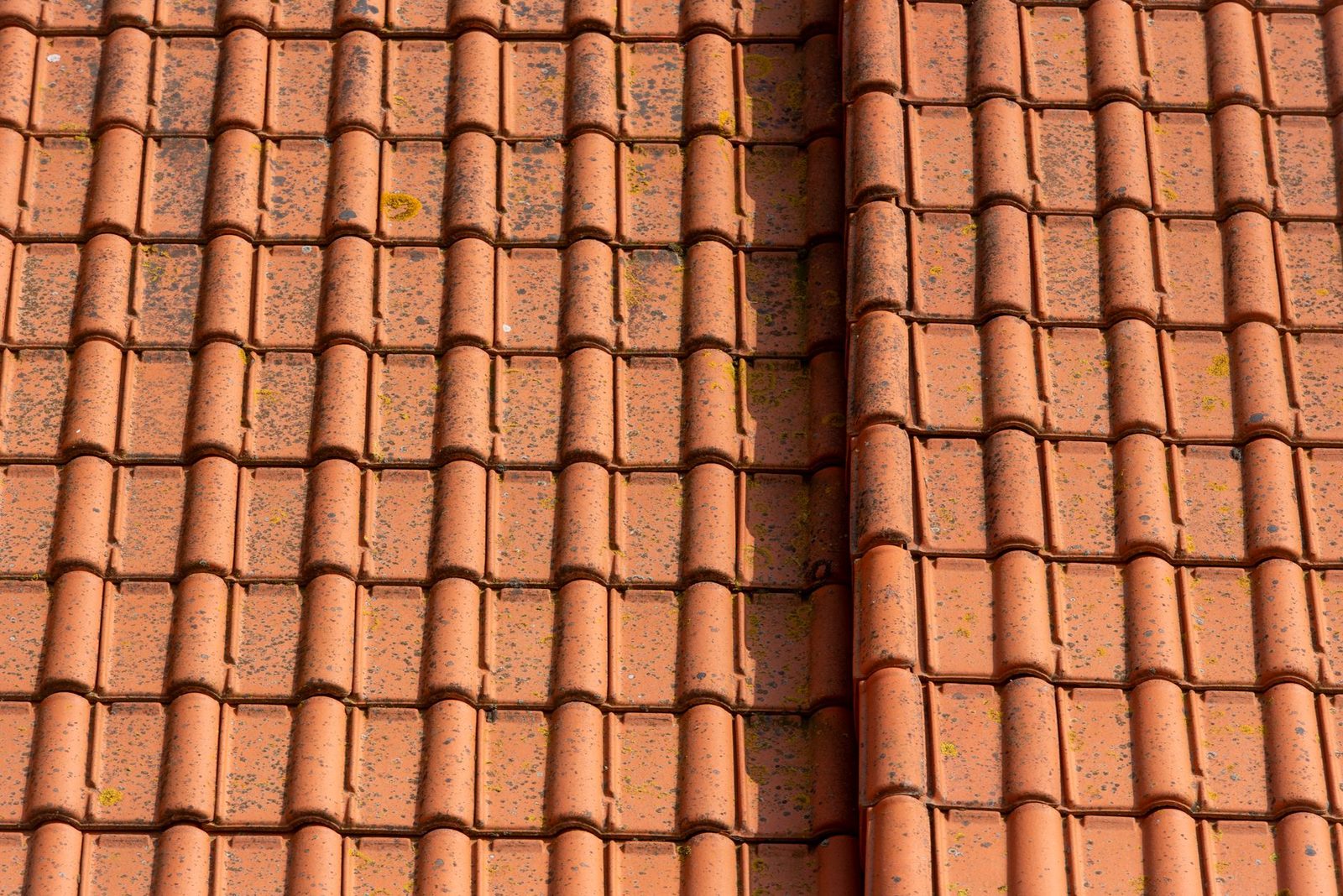
How Hurricane Winds Damage a Tile Roof
Wind uplift is the main concern. Wind gets under the tiles and lifts them, and the pressure is highest at the eaves, rakes, ridges, and corners of the roof. Damage often starts at these edges before it spreads across the field of the roof.
Loose or unsecured tiles can slide, crack, or break. Airborne debris can also strike the surface and chip or break pieces loose. Each displaced tile exposes a small area of the layers below.
Once tiles are gone, the underlayment and roof deck beneath them can be exposed. That opens a path for wind-driven rain to enter the home. Water damage inside the house often shows up before anyone sees the missing tiles from the ground. A roof that looks mostly intact can still have leaks starting underneath.
What Florida Building Code and Installation Details Mean for Performance
The Florida Building Code sets the rules for roof design and installation. The Florida statute on the code says it contains or incorporates all laws and rules that govern the design, construction, repair, and demolition of buildings. Building requirements can differ from one city or county to another across South Florida.
State law also states that the code is effective in reducing property damage to buildings built under its requirements.
Key details include how the tiles are mechanically attached, how edge and ridge pieces are secured, the underlayment used, and the condition of the roof deck. Roofs with missing wind-related details, or with shortcuts at the eaves and ridges, can resist wind less well than a properly fastened roof.
The Tile Roofing Industry Alliance publishes installation guides that cover proper practices, code requirements, and acceptable products for high-wind applications in Florida. Concrete and clay tiles differ in weight and profile, and each behaves in wind according to how the system is fastened.
Age, Maintenance, and Warning Signs That Affect Hurricane Resistance
Cracked, chipped, or slipped tiles reduce a roof’s ability to resist wind. Deteriorated mortar or sealant at the ridges does the same. Small problems add up quickly in a storm.
Underlayment and fasteners also age. An older roof may hold up differently than a newer roof with the same tile, even when the tile looks fine from the street.
Common warning signs include:
- Tiles that sit unevenly or look shifted out of line
- Missing or loose pieces along the ridge
- Staining or soft spots on ceilings and walls
- Granular or debris buildup in gutters, which can point to shingle or tile wear
An inspection before hurricane season helps find these problems while repairs are still limited in scope. Waiting until a storm is forecast leaves less time and fewer options.
Tile Roofs Compared With Metal Roofing in High Wind
Tile is heavy and durable. Metal roofing is lighter and uses different panel and fastening systems. Each material has its own strengths, and neither one performs well without proper installation.
The Metal Roofing Alliance states that quality residential metal roofs can last 50-plus years and may reduce long-term maintenance and replacement costs. That is the trade group’s claim, and it applies to metal roofs installed well and maintained over time.
Both materials depend on sound fastening, correct edge details, and a deck in good condition to perform in hurricane conditions. The better choice for a given home depends on the existing structure, the roof’s design, and what the homeowner wants from the roof. Those are questions to work through with our team during a free, confidential first consultation with no obligation to continue.
Preparing Before Hurricane Season and Documenting Damage After a Storm
Schedule a roof inspection before the season starts. Loose tiles, ridge problems, and flashing issues are easier and less costly to address early.
After a storm, take clear photos and video of the roof, the yard, and any interior water staining before making temporary repairs. Your photos are a record of the damage as it was found.
Florida law sets deadlines for property insurance claims. For hurricanes, the date of loss is the date the hurricane made landfall. For tornadoes, windstorms, severe rain, and other weather-related events, the date of loss is the date the National Oceanic and Atmospheric Administration verifies the event. Fla. Stat. § 627.70132 That statute says a claim is barred unless notice is given to the insurer within 1 year after the date of loss, in line with the policy terms. A supplemental claim has a separate deadline of 18 months.
Frequently Asked Questions
Can a tile roof survive a hurricane in Florida?
A tile roof can, when it is installed and maintained to Florida’s wind requirements. Performance depends on the roof’s details.
Do concrete tiles hold up better than clay in hurricanes?
Neither tile type performs well on its own. How each is fastened and installed matters more than the tile material.
Does a tile roof replacement have to meet current wind rules?
Certain mitigation techniques may be part of a roof replacement for qualifying single-family homes, under the windstorm loss mitigation statute.
Not sure what your next step is?
Talk it through with our team — the first consultation is free, confidential, and carries no obligation.
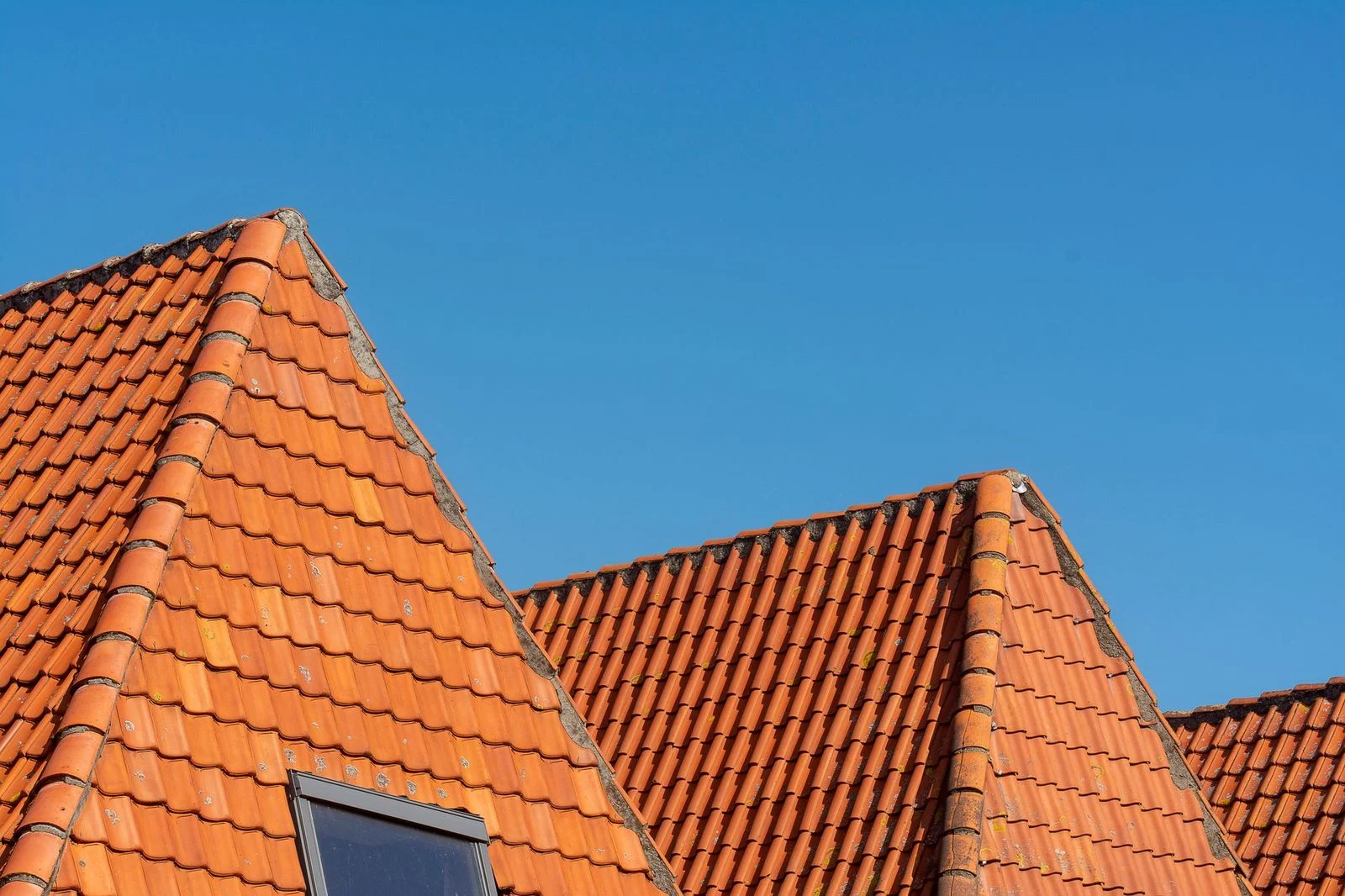
Talk Through Your Tile Roof’s Situation With Our Team
If a storm is approaching, or your tile roof shows visible damage, the decisions in front of you can feel urgent. You may be doing this for a family member or a property you manage, and you may not know which details matter most yet.
Our team can look at the condition of your roof, the wind-related details of the installation, and the options that fit your home. Our first consultation is free, confidential, and carries no obligation to continue. Homeowners in Miami, Fort Lauderdale, West Palm Beach, Kendall, Naples, Fort Myers, and Boca Raton can request a quote to start that conversation.
What Determines How a Tile Roof Performs in a Storm
Installation and fastening
How each tile is secured to the roof deck often matters more than the tile material itself.
Underlayment and deck attachment
The layers beneath the tile carry water and wind loads when the outer tiles are stressed.
Exposure on your property
Open coastal lots and roof edges, ridges and corners face different wind loads than sheltered areas.
Maintenance over time
Cracked, loose or missing tiles weaken a roof, so periodic inspection and timely repair help it perform as designed.
Roof design and details
Roof slope, flashing and how the roof meets walls and penetrations all affect wind resistance.
Tile Type Alone Is Not Enough
Neither concrete nor clay tile performs well on its own. Installation and fastening carry more weight than the material, so a tile roof should be evaluated as a complete system.
Common Homeowner Questions
Concrete or clay: which is better?
Both can work in South Florida when properly installed. The right choice depends on the roof's structure, design and how it is fastened.
Repair or replace?
Localized damage such as a few cracked or displaced tiles can often be repaired. Widespread wear, deck issues or old fastening may point toward replacement.
Can solar go on a tile roof?
Solar panels can be mounted on tile roofs. Attachment points must be planned carefully so the roof's wind performance and water protection are maintained.


