


Tile Roofs · South Florida
Can You Reuse Roof Tiles When Replacing a Roof in Florida?
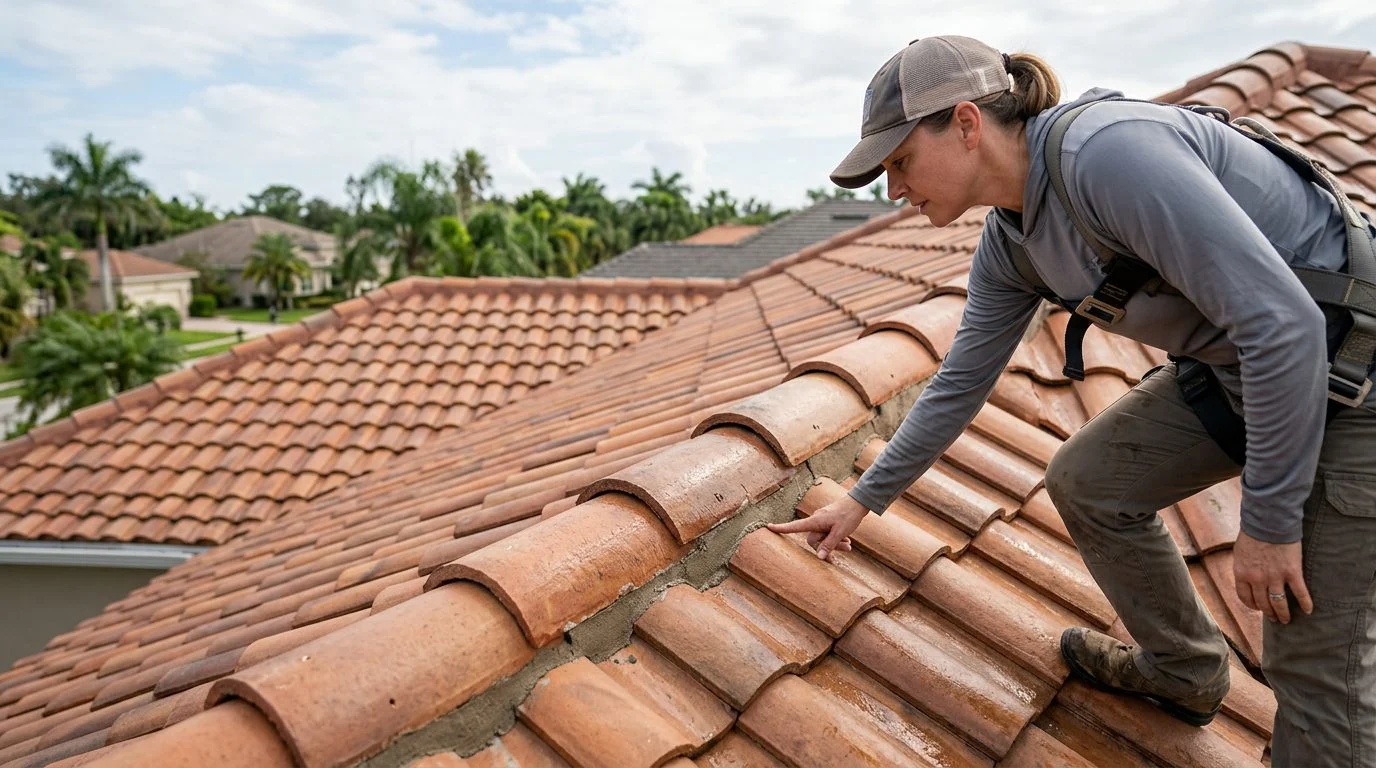
Some tiles can be saved, but many break during removal. Here is how to plan a tile roof replacement in Miami, Fort Lauderdale, West Palm Beach, and beyond.
By Jonathan Rodriguez · Published October 23, 2026
Can You Reuse Roof Tiles When Replacing a Roof?
Yes, sometimes. Existing tile can go back on a new roof, but only when the tiles are sound, sized to fit, and not brittle. Reuse is decided tile by tile, not assumed. Many replacements mix salvaged tile with new tile.
If your home has a tile roof, this question affects cost, timing, and how the finished roof looks. Our tile roofing guide for South Florida covers the materials and options. This page focuses on one question: can the tiles you have come off and go back on?
If you're not sure your tiles can go back on, contact ASP Superhome and our team will look at them with you before you decide. Talk it through with our team — the first consultation is free, confidential, and carries no obligation.
What Makes Existing Tile Reusable
Tile is reusable when it is intact, fits the new layout, and holds up when handled. Four conditions matter most.
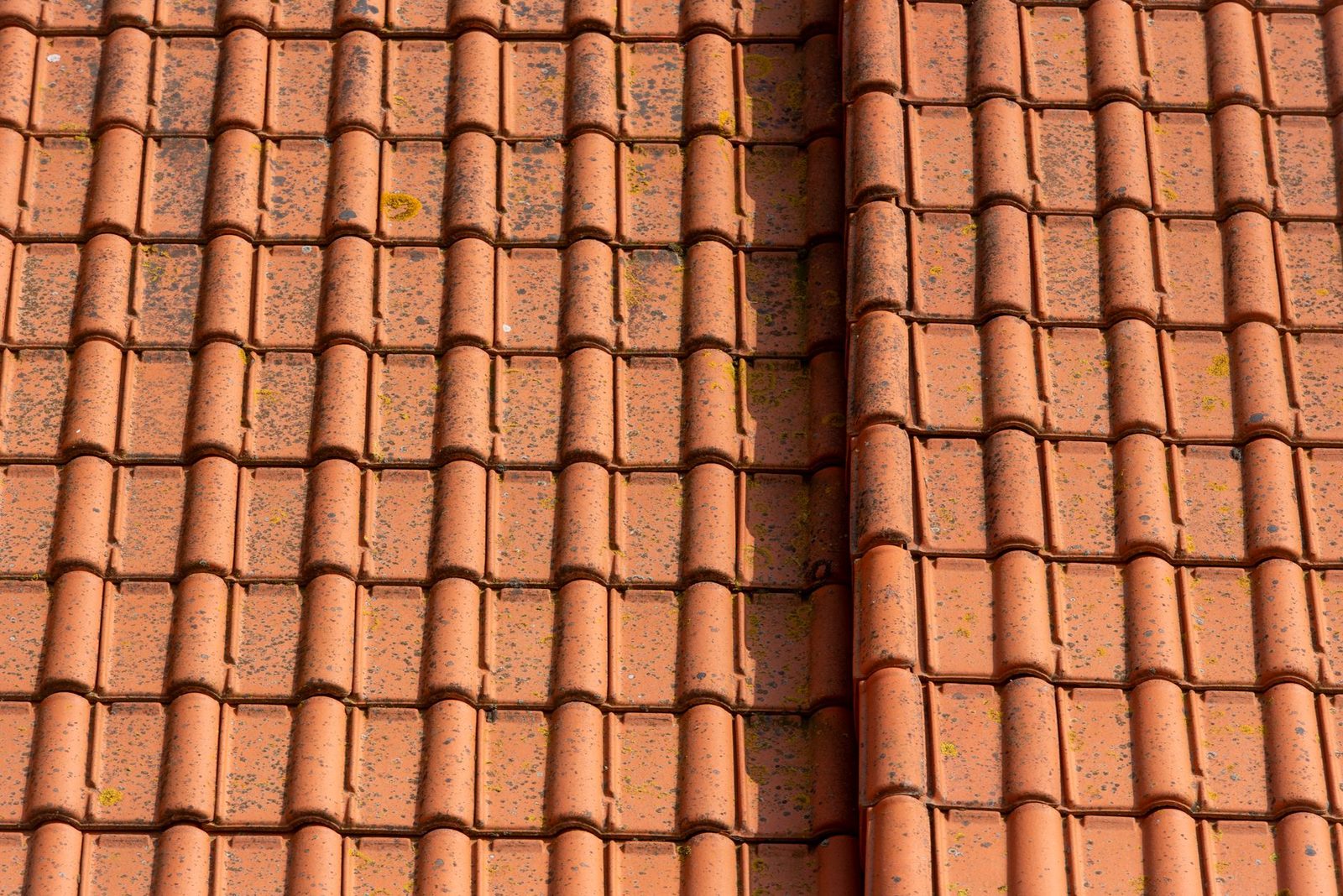
Soundness comes first. Tiles should have no cracks, chips, spalling, or broken corners. They need to be whole enough to lift and reset without splitting.
Size and profile come next. The tile must match the existing profile and dimensions so it can interlock and lie flat with the rest of the roof. Concrete roof tile is one of the tile roofing options our team can discuss for your home. A tile that doesn’t match the profile won’t sit right, even if it looks fine on the ground.
Brittleness decides a lot. Tile that cracks or snaps when you touch it is a poor candidate. Removal and reinstallation add stress, and brittle tile often fails under it.
Surface wear is not the same as structural damage. Light weathering or hairline surface marks may not stop reuse. Cracks that run through the body of the tile usually do.
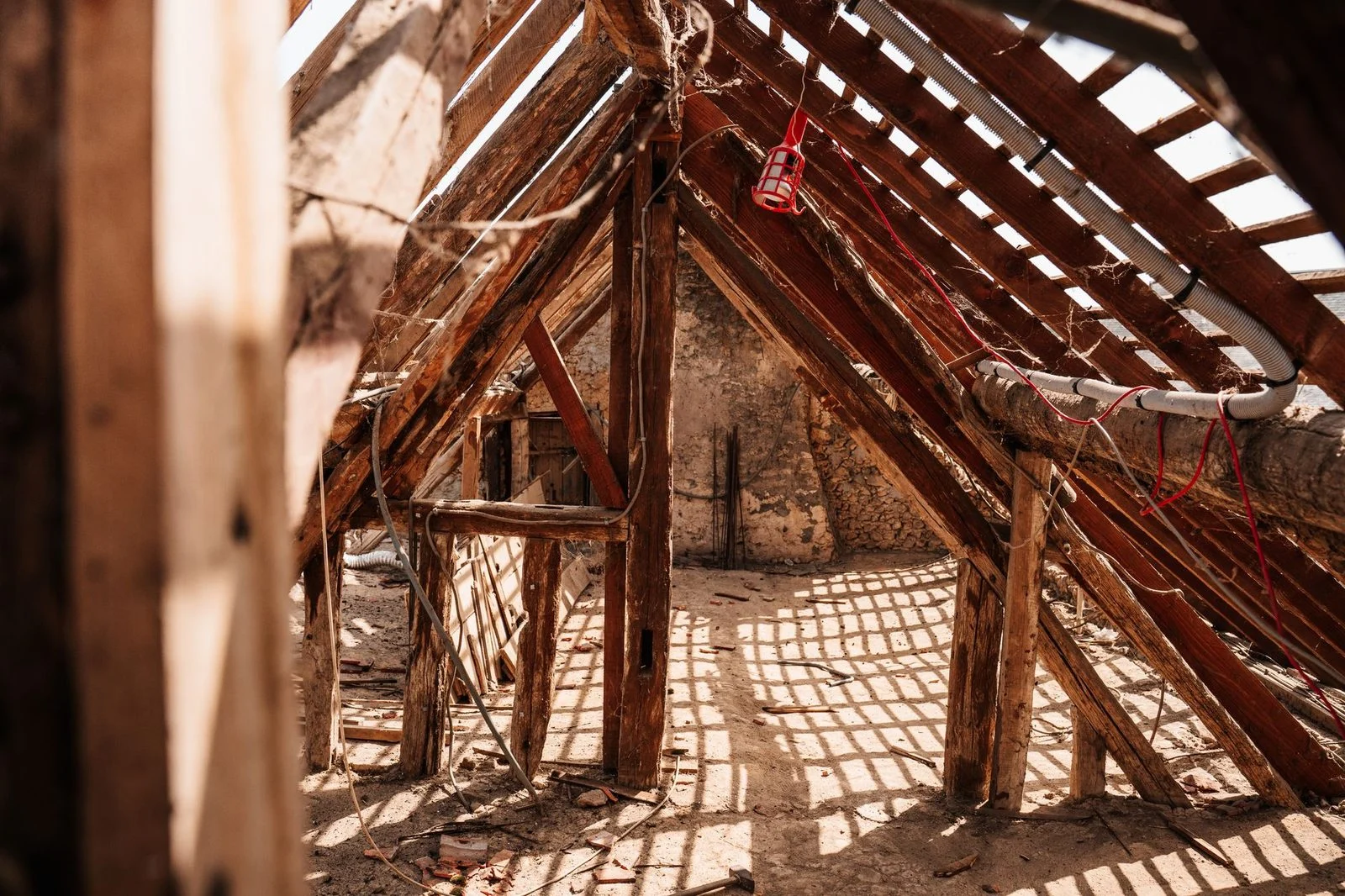
The roof underneath matters too. Old tile only goes back on a sound deck, underlayment, and batten system.
How Tile Condition Is Judged
Tile condition is judged by looking, handling, and counting. Each check answers a different question.
Start with a visual check of every tile. Look for cracks, chips, missing nibs or hooks, and surface loss. Nibs and hooks hold a tile in place, so missing ones can keep a tile from locking on the roof.
Next comes a handling test. Can each tile be lifted and set without breaking? Brittle tile often shows its age here, even when it looked solid from the ground.
Then do a fit check. Compare the old tile against the new profile. Count the usable pieces. Estimate how many new tiles you’ll need to fill the gap.
Storm history changes the count. Wind-driven debris, impact damage, and tiles that slid or fell can each cut the usable total. A roof that has been through a storm may have fewer good tiles than it seemed.
Reuse plans also run through the permit process. Unless otherwise provided by law, Florida makes it unlawful to repair or alter a building without first getting a permit from the appropriate enforcing agency, as Fla. Stat. § 553.79 states.
Removal, Matching, and Mixing Old and New Tile
Reused tile usually loses some pieces during tear-off, so plan for fewer tiles than you counted. Tiles often break as they come off. The salvage count can drop well below what looked usable on the roof.
Matching is the second problem. Older tile may not match newly made tile in color, texture, or size. A mixed roof can look patchy, especially when the new tile is a different shade.
Leftover stock helps. If the original supplier still makes the tile, extra pieces from the first install can cover repairs and future matching. Keep spares when you can.
Mixing is possible but needs care. Reusing tile usually means work on the underlying system too. Underlayment, battens, and the secondary water barrier should be planned together with the tile decisions. For site-built single-family homes, Fla. Stat. § 553.844 says a roof replacement must incorporate certain techniques, including secondary water barriers. The law does not limit those barriers to one method or material.
How Reusing Tile Affects Replacement Cost
Reusing sound tile can lower material costs, but labor goes up. Someone has to remove, sort, and reset tile carefully, and that takes time.
Partial reuse is common. Salvaged tile covers part of the roof, and new tile fills the rest. Each new tile adds material cost and effort to match it.
Broken tile found during removal adds cost. Replacement tile must be sourced and installed. If the original tile is no longer made, sourcing takes more work.
The total depends on the roof. Size, pitch, access, deck condition, and how much tile can be saved all shape the price. A useful estimate starts with those facts, not a generic average.
Insurance can shape the decision too. For more on this, read why insurers call tile roofs too old.
Next Step: Have Your Existing Tiles Assessed
If you’re asking whether your tiles can go back on, start with a close look at each one. A homeowner holding cracked or sliding tiles, or wondering whether the old tile can be reused, needs that answer before deciding. Storm-related tile failures are covered in our guide on why roof tiles slide or fall after a storm. Timing is covered in our guide on how long a tile roof replacement takes.
Our first consultation is free, confidential, and carries no obligation to continue. If you’re unsure whether your tiles can go back on, contact ASP Superhome and we’ll assess them with you.
Frequently asked questions
Can all roof tiles be reused?
No. Some tiles break during removal, so plan for fewer usable tiles than you count on the roof.
Do I need a permit to replace a tile roof in Miami?
Yes. Our team can walk you through roof repair or replacement planning, starting with your free initial consultation, which is confidential and comes with no obligation to continue.
Can you mix old and new tile?
Yes, but color and profile differences can make the roof look patchy.
What Shapes How Many Tiles You Can Keep
Tile condition
Cracks, brittleness, and age all affect whether a tile can survive being lifted off the roof.
Removal method
Careful handling lowers breakage, but some losses are common during any tile removal.
Roof design
Pitch, layout, and how the tiles were fastened all influence how many pieces come off intact.
Plan for Fewer Usable Tiles
Do not count every tile on the roof as reusable. Build your plan and budget around the number of tiles likely to survive removal, and keep extra replacement tiles on hand.
How to Plan a Tile Roof Replacement
Inspect the tiles
Have the existing tiles and underlayment checked to see what condition they are really in.
Estimate the losses
Assume some tiles will break so your material count and budget hold up once work starts.
Confirm permits
Ask about permit and inspection requirements for your specific project before scheduling work.
Review your options
Talk through reuse, new tile, and other roofing choices with our team to find the best fit for your home.
Get Clear Answers About Your Tile Roof
Related practice areas
- Secondary Water Barrier Tile Roof Florida | ASP Superhome
- Tile Roof Hurricane Clips: A South Florida Homeowner Guide


