


Can You Walk on a Spanish Tile Roof? South Florida Guide
By Jonathan Rodriguez · Published October 25, 2026
The short answer: yes, but step carefully
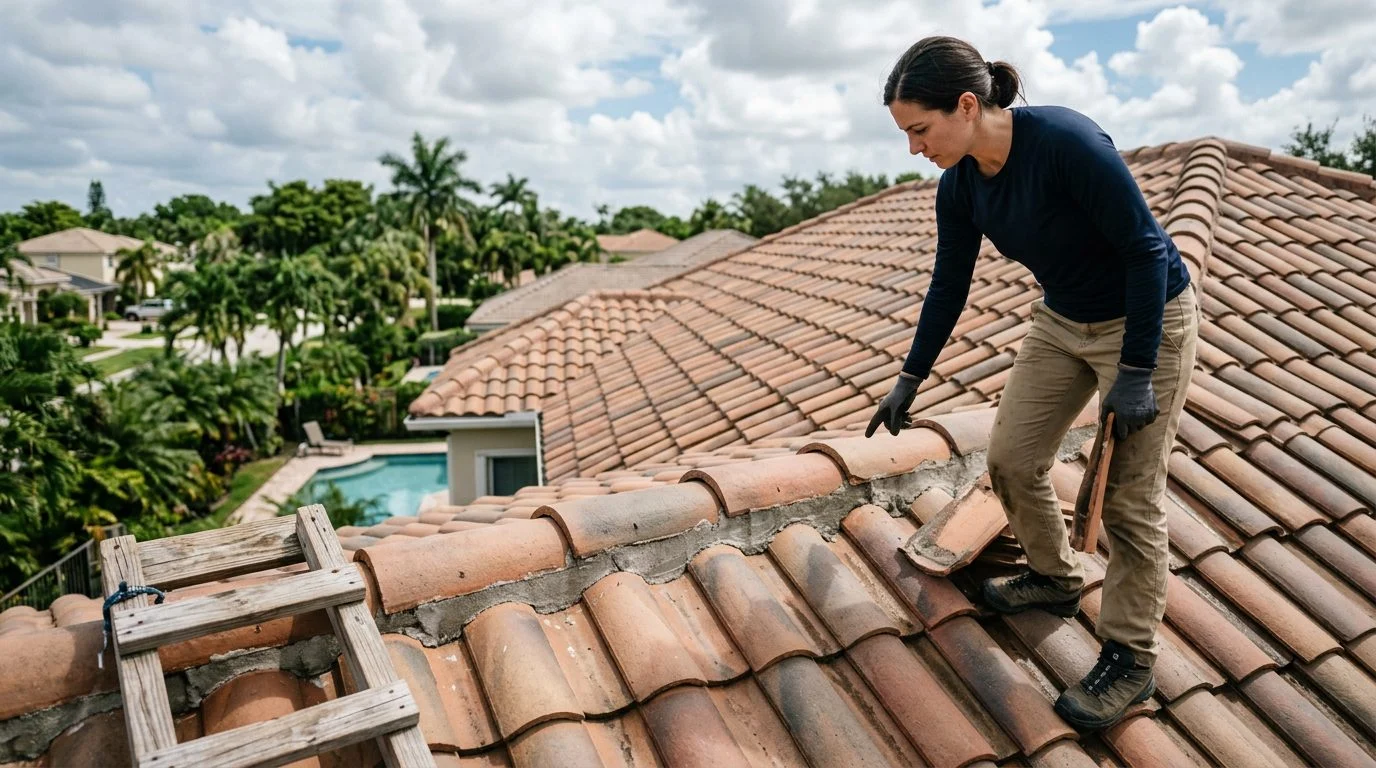
Can you walk on a Spanish tile roof? Yes, but every step needs to be deliberate. Concrete and clay tiles can crack or shift under concentrated weight, and a broken tile can let water reach the layers below.
Most people asking this question have a reason. A repair crew is booked, an inspection is coming up, or a family member or tenant needs access to the roof. You may be responsible for the house, or you may be the one who was asked to check it. Either way, the goal is the same: protect the tiles, the layers beneath them, and yourself.
Tile roofs are common across South Florida, from Miami and Fort Lauderdale to Naples and Fort Myers. For broader context, read our South Florida tile roofing guide.
What type of roof is a Spanish-style tile roof?
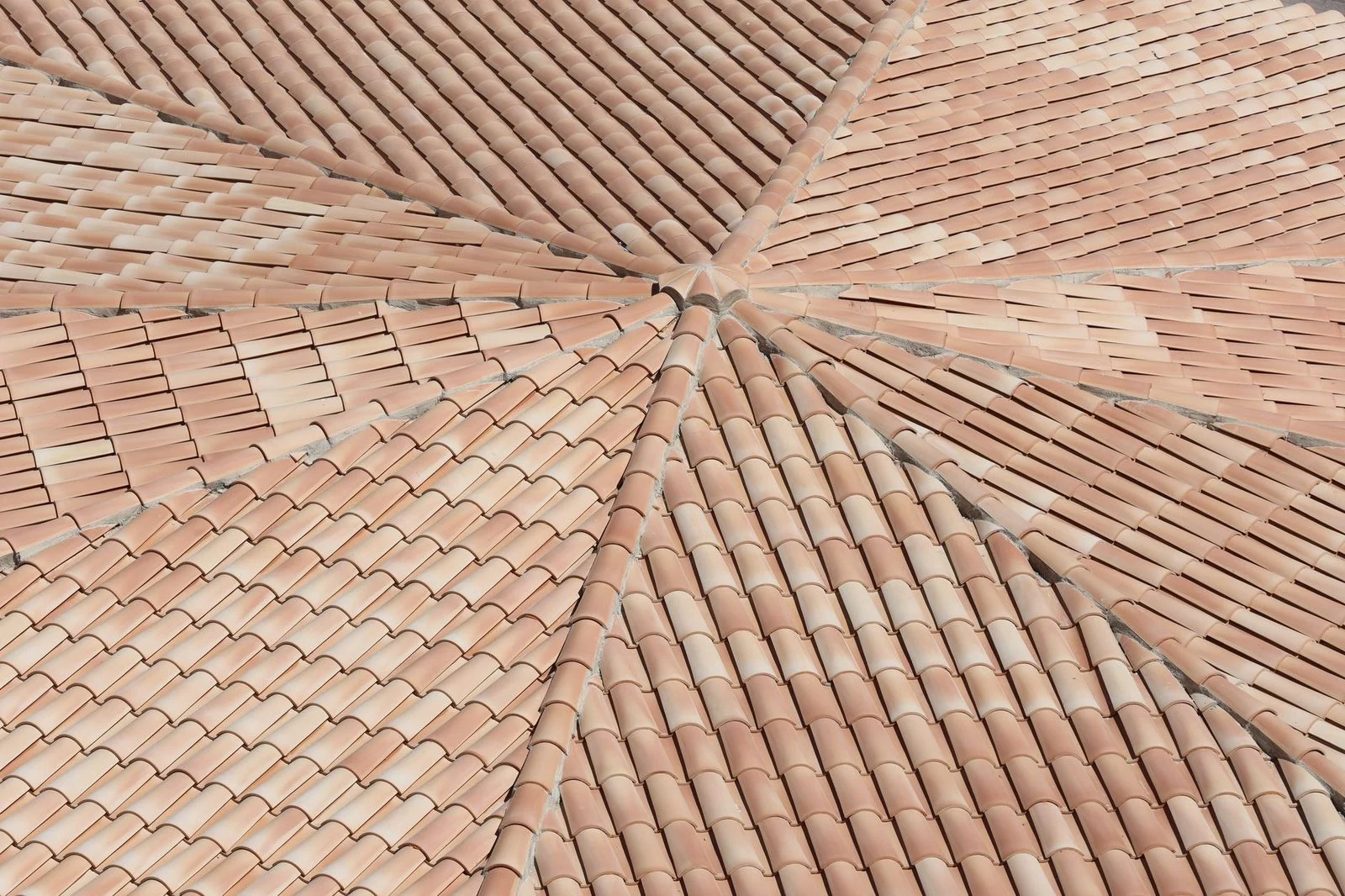
A Spanish-style tile roof is a pitched roof covered with curved tiles that interlock in rows. The profile is often barrel-shaped or S-shaped, and the tiles are commonly made of concrete or clay. The National Roofing Contractors Association describes clay and concrete tile as durable roofing materials used in Florida.
That curved, layered surface behaves differently from a flat asphalt shingle or a metal panel. Each tile rests on the roof structure at certain points and overlaps the tiles around it. A step does not spread evenly across the roof. The force from your foot moves through one or two tiles and into the supports beneath them.
Profiles vary, so the exact layout of your roof matters. Look alone won’t tell you the material. Metal panels can also be made in a barrel-tile profile, as shown in Miami-Dade County’s metal barrel-tile approval.
Why Spanish tiles crack under foot traffic
A tile cracks when one step puts more force on it than it can carry. A tile is thin compared with the weight a single foot concentrates on one point. When that point sits in the open center of the tile, the stress can be enough to crack it.
Clay tile is more brittle than many people expect. It can chip or crack under pressure, even when it looks solid. Concrete tile is heavier and generally tougher under load, but it still breaks if stepped on the wrong spot.
Age and moisture matter too. A tile that has soaked up water for years, or that was patched before, may break under a load it once carried easily. Miami-Dade County’s concrete tile approval shows that a concrete tile system was tested and approved for specified High-Velocity Hurricane Zone applications. Tested products still need care when someone walks on them.
Where to step on a tile roof
Step only where the tile is supported, such as over a batten or near a fastening point. Avoid the open center of a tile, where a single step concentrates the most force.
Keep your steps short and slow. Place your foot, pause, and check that the tile holds before you shift your weight. Stay off ridges and roof edges, where tiles are often less supported. Never step on a tile that looks loose, cracked, or shifted.
Wear soft-soled, low-profile shoes with good grip. Avoid heels, sandals, and boots with hard soles. Good footwear helps you feel the tile and keeps your foot from slipping.
If you can’t tell whether a tile will hold, don’t step on it. Work around that area instead.
Are roof tiles nailed down, and does that change how you walk?
Many Spanish tile roofs are fastened with nails or clips, but the method depends on the installation and the roof’s age. Fastening helps hold tiles in place during storms. It does not make walking safe.
A nailed or clipped tile can still crack under foot pressure. Fastening supports the tile from below, but it doesn’t protect the tile from a concentrated step. Don’t pull, lift, or pry tiles to check how they’re fastened. That can break them.
Florida’s building code covers repair work, not just new construction. The state’s rules say the Florida Building Code governs the repair of public and private buildings and related work.
Safety risks to consider before going on the roof
Wet, dusty, or algae-covered tiles are slippery. Even a small slip on a pitched roof can cause a serious fall. Steep pitch, hot afternoons, and the roof edge all raise the risk.
Working alone adds danger. Have another person nearby who can call for help if needed. Place a stable ladder on firm, level ground, and extend it past the eave before you climb.
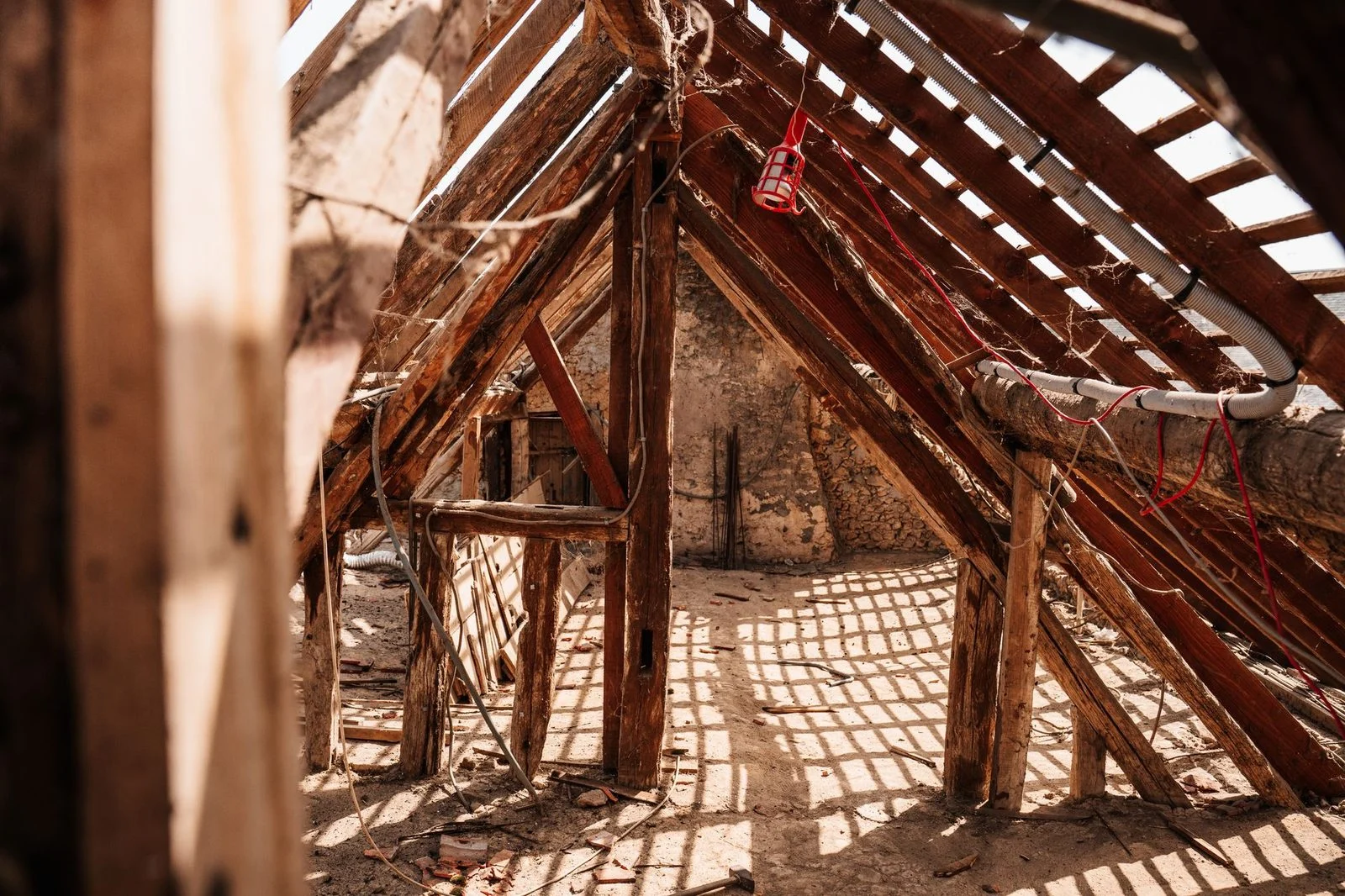
Walking the roof is not an inspection. Cracks, broken underlayment, and water damage underneath the tiles often stay hidden from the surface. A quick walk can miss problems that matter.
If you feel unsteady on a pitched roof, don’t climb it. Roof work calls for careful, safe handling, so contact ASP Superhome for a free first consultation that is confidential and carries no obligation to continue.
When to have a professional look at the roof
Get a closer look if you see cracked, slipping, or missing tiles. Leaks after storms, or tiles that move when someone steps nearby, also call for an inspection. These signs point to damage that a casual walk may not reveal.
A professional inspection can find problems hidden from the ground and from the surface. ASP Superhome offers tile roofing, roof repair, and roof replacement across South Florida. The right next step depends on what the inspection finds, and the repair scope follows from that.
Frequently asked questions
Can you walk on a Spanish tile roof without breaking tiles?
Yes, if you step only on supported areas, move slowly, and avoid loose or cracked tiles. Breakage is still possible, so limit foot traffic.
Is a clay tile roof walkable?
Clay tile can be walked on with care. It chips and cracks more easily than many people expect, so keep steps few and deliberate.
Your first consultation with ASP Superhome is free, confidential, and comes with no obligation to continue. If someone has asked you to check your tile roof, we can talk through your situation and request a free estimate for an inspection or repair.


