


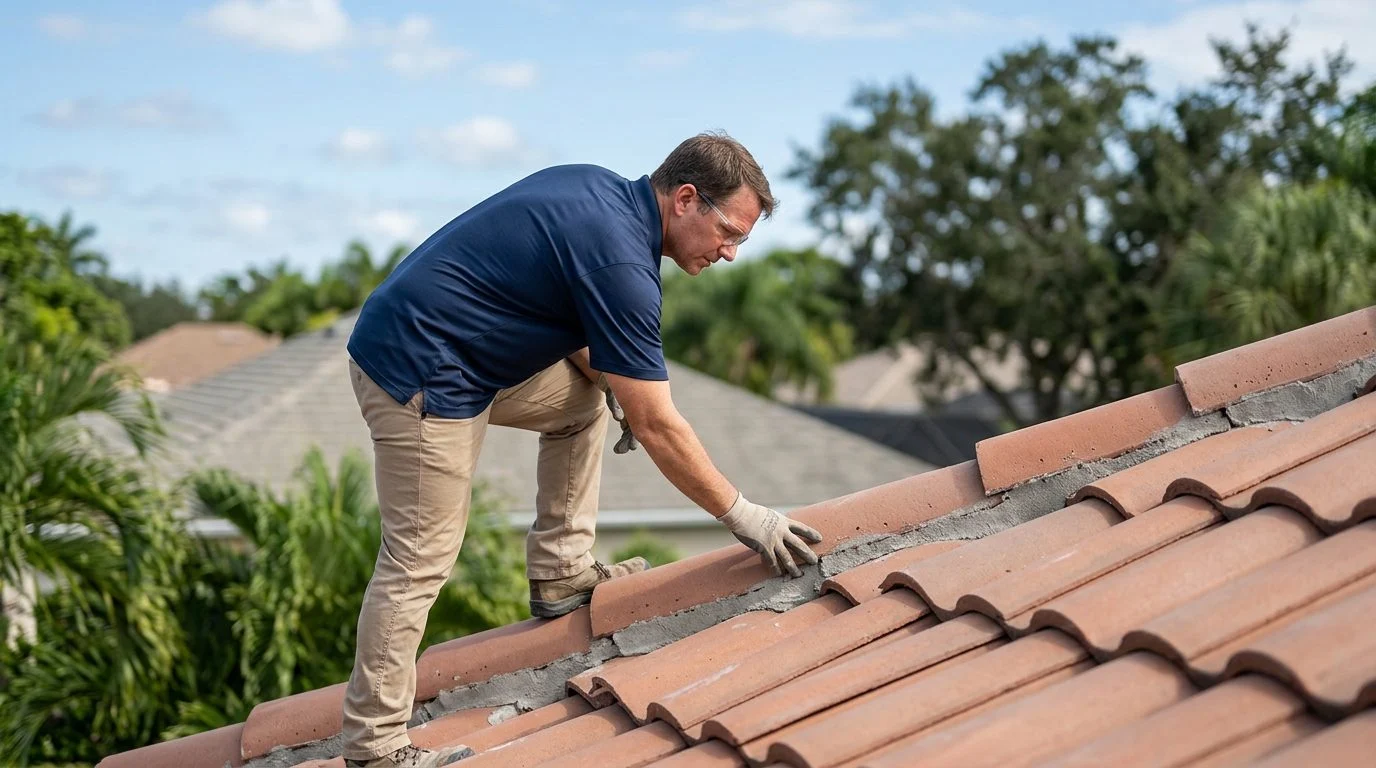
Roof Repair · South Florida
Tiles Blew Off Your Roof? Here's What to Do Next
Storm damage is stressful. Get clear, practical steps to protect your home, then talk with ASP Superhome about repairs or roof replacement.
By Jonathan Rodriguez · Published November 1, 2026
Quick Answers: What to Do First After Tiles Blow Off Your Roof
If tiles blew off your roof, stay off the roof, keep people and pets away from the area below, and check for downed power lines first. Then limit water entry, record what you see, and get a professional inspection. At this stage, the goal is to stop more damage, not to finish the repair.
The question “tiles blew off my roof what to do” usually comes up the morning after a storm. The house may look fine from the street, yet a few tiles sit in the yard or a bare patch shows on the roof. That moment feels urgent, so it helps to follow a simple order.
- Keep everyone clear of the area under the roof edge and any loose tiles.
- Look for downed lines, fallen branches, or sagging sections from a safe distance.
- Cover any opening that lets water into the home.
- Photograph and log the damage before you move anything.
- Get a professional inspection before you approve any permanent work.
For an overview of tile roofing options and services, read our tile roofing guide.
If tiles blew off your roof and you're handling this for a parent, tenant, or family member, our team can talk it through with you. Talk it through with our team — the first consultation is free, confidential, and carries no obligation.
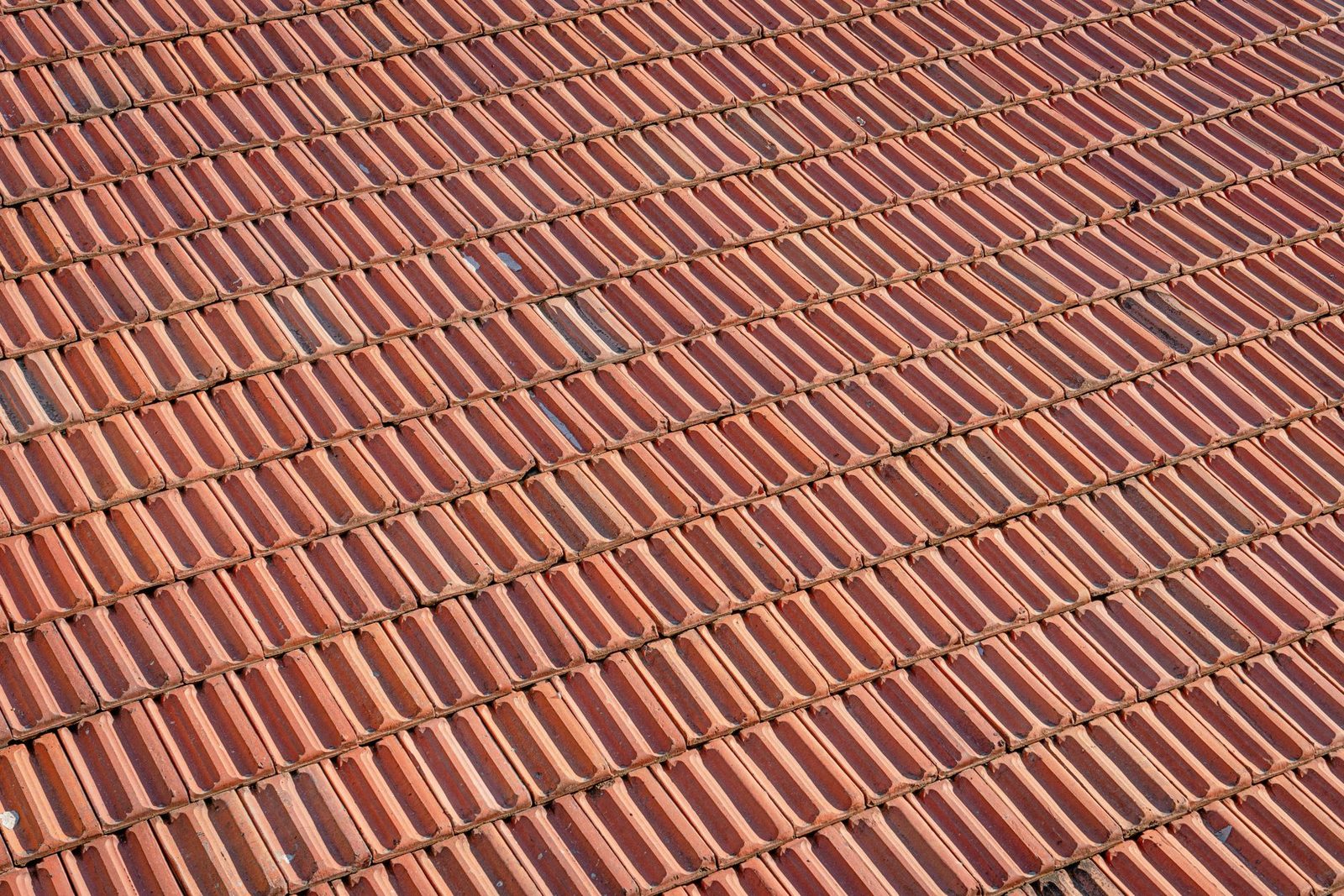
Safety First: Why You Should Not Climb a Tile Roof After a Storm
Do not climb onto a tile roof after a storm. Loosened tiles can slide, crack, or fall, and wet or debris-covered tile is slippery underfoot. A section that looks solid can still give way under your weight.
Look from the ground instead. Binoculars or the zoom on a phone camera show most missing tiles, cracked pieces, and shifted sections. Stay clear of the roof edge, since loose tiles can drop onto people below.
Avoid working alone, and never work in the dark or during rain. Check the ground first for broken tile, glass, and nails before you walk near the house. Treat any downed power line as live and keep well back. Watch for fallen trees and sagging roof sections before you approach.
Identifying Signs of Tile Roof Storm Damage
The clearest signs of storm damage are missing tiles, exposed underlayment, shifted ridge or hip tiles, and broken pieces in gutters, yards, or driveways. Many homeowners spot these before any leak shows up inside.
From the ground, look for bare patches where tiles used to sit. Look for dark or bare underlayment showing through, and for ridge tiles that have slid out of line. Check the gutters and the edge of the yard for fragments. Slate can split into thin pieces that land well beyond the roof edge, so search a wider area than you think you need.
Inside the home, look for water stains on ceilings, damp drywall, dripping light fixtures, and a musty smell. These signs often appear after the first rain that follows the storm.
Cracked or chipped tiles can look fine at first. A hairline crack still lets water pass through, especially in wind-driven rain. A tile that stayed in place is not always a sound tile.
How Long a Leaking Roof Can Go Unaddressed
Treat an active leak as urgent. Stop new water from getting in on the same day you find it. Water that enters through an open area can soak insulation, drywall, and wood decking.
How long can you leave a leaking roof?
Not long. Each rain can add water to the insulation, ceiling, and wood decking. The longer water sits, the more finishes and framing it can affect.
Plan permanent work once the immediate water is under control. A temporary cover can slow water entry while you wait for an inspection, but it does not replace the repair. Place a bucket, towel, or plastic sheet under each drip and check it after every rain. Write down when each drip starts. That record helps you describe the problem later.
Protecting the Interior and Understanding Temporary Tarping Limits
Protect the inside of the home first. Move valuables, set buckets under drips, and cover furniture and electronics. A temporary tarp keeps water out for a short time. It is not a repair, and it must be secured so wind cannot lift or tear it.
Can I put a tarp on a tile roof myself after a storm?
Tarping a tile roof carries the same fall and slip risks as climbing it. A qualified roofing crew can secure a tarp with less risk to you.
Check the tarp after every storm or heavy rain. Wind can loosen the edges, and water can pool in a sagging spot. Photograph the tarp setup, too, so your record shows what was done and when. Keep the tarp in place until a permanent repair is finished.
Documenting Storm Damage: Photos, Dates, and Records
Document the damage before you clean up or make permanent repairs. Take wide and close-up photos, and keep date and time stamps on each one. Good records give you an accurate account of what you saw and when.
Build a simple checklist:
- Wide shots of the roof from the street and the yard.
- Close-up photos of missing, cracked, or displaced tiles.
- Debris and fallen tiles where they landed.
- Interior photos of stains, damp areas, and dripping spots.
- Receipts for emergency tarps, dehumidifiers, drying equipment, and temporary repairs.
Save the storm date, weather reports, and a written list of what you observed.
Florida sets time limits for property insurance claims. Under Fla. Stat. § 627.70132, notice of a claim or reopened claim must be given to the insurer in accordance with the terms of the policy within 1 year after the date of loss, and these time limits are tolled during any term of deployment to a combat zone or combat support posting that materially affects a named insured who is a servicemember’s ability to file. A supplemental claim is barred unless notice of the supplemental claim was given to the insurer in accordance with the terms of the policy within 18 months after the date of loss. Fla. Stat. § 627.70132 For claims resulting from hurricanes, tornadoes, windstorms, severe rain, or other weather-related events, the date of loss is the date the hurricane made landfall, or the date the tornado, windstorm, severe rain, or other weather-related event is verified by the National Oceanic and Atmospheric Administration. Keep these dates in your file.
Not sure what your next step is?
Talk it through with our team — the first consultation is free, confidential, and carries no obligation.
Can a Homeowner Repair a Tile Roof Themselves?
Replacing a few tiles can look simple, but the job is harder than it appears. A new tile must match in profile, color, and fastening. One change can also disturb the tiles around it.
How to fix cracked roof tiles without replacing them?
Cracked tiles are not a simple patch. Matching profile and fastening takes skill. A replaced tile can disturb neighboring tiles, underlayment, and flashing. On a steep or heavy roof, the fall risk is serious, so an inspection should come before any hands-on work.
Temporary measures protect the home for a short time only. They are not a substitute for a permanent repair. Keep your records of each step, including what was covered and when.
What Affects the Cost and Scope of Tile Roof Repair
The scope of a tile repair turns on how many tiles are missing, where they sit, what tile type the roof uses, and what lies beneath them. Interior water damage and roof pitch also shape the work. A few tiles in an easy-to-reach area is usually a smaller job than damage on a steep section.
Spot repair covers a few tiles. Broader damage may call for work beyond tile replacement, such as underlayment or decking repair.
Matching discontinued or profile-specific tiles can also change the scope. For a sense of timing on larger projects, see how long a tile roof replacement takes.
What a Roof Inspection Report Should Include
A useful inspection report shows where the damage is, what the tile type is, and how many tiles are affected. It should also describe the underlayment, decking, flashing, ridge, and interior moisture, with photos for each finding.
Ask for a roof diagram with damage marked. A written report with clear photos helps you compare scope and understand what was found. Any immediate safety concern or water-entry risk should appear with a recommended next step.
The Florida Building Code analysis also shapes what sits under the tile.
After repairs are complete, homeowners considering solar energy guidance on a tile roof can read our guide to solar panels on tile roofs.
Not Sure What Your Next Step Is? Start With a Conversation
If tiles blew off your roof and you’re handling it for a parent, a tenant, or a family member, you may be holding every question on this list. Start with the tiles you can see, the protection already in place, and what the inspection report should cover.
ASP Superhome invites you to reach out and talk through the missing or broken tiles, the temporary protection you have, and the questions above. The first consultation is free, confidential, and comes with no obligation to continue: consulta inicial gratuita, confidencial y sin compromiso. Contact ASP Superhome when you’re ready to talk. If tiles blew off my roof, what to do next doesn’t have to be a question you answer alone.

Frequently Asked Questions
What should I do first if tiles blew off my roof?
Stay indoors and away from the damaged area, then photograph the missing tiles and any visible damage from the ground. Next, contact ASP Superhome for a free, confidential initial consultation with no obligation to continue.
Is it safe to climb onto my roof after tiles blew off?
No, it is not safe to climb onto a roof after a storm. Wind-loosened tiles can slide or break, and the surface can be slippery, so have a roofing professional inspect it from a safe position.
Can a roof with missing tiles be repaired, or does it need a full replacement?
Many roofs with a few missing or cracked tiles can be repaired by replacing the damaged tiles and securing the surrounding ones. If damage is widespread or the underlayment is compromised, a full roof replacement may be the better option, and ASP Superhome can inspect your roof and explain which fits your situation.
Should I cover the exposed area after tiles blew off my roof?
Yes, covering the exposed area with a temporary tarp can help limit water entry until repairs are made, but only do this from the ground or with proper safety equipment. For a lasting fix, request a quote from ASP Superhome.
Your First Steps After Tiles Blow Off
1. Stay Safe Indoors
Stay inside and keep away from the damaged area. Loose tiles and exposed roof sections can fall or shift without warning.
2. Document the Damage
Photograph the missing tiles, exposed underlayment, and any water stains from the ground. Clear photos make the next steps easier to discuss.
3. Protect the Interior
Move furniture, electronics, and valuables away from any leaks. Place containers under drips and keep a close eye on ceilings.
4. Get a Professional Assessment
Contact ASP Superhome for a free, confidential initial consultation with no obligation to continue. We will review the damage and explain your repair options.
Do Not Climb Onto a Damaged Roof
Wind-damaged roofs are unstable and slippery. Walking on them can cause serious injury and further damage. Document the problem from the ground and let a qualified roofing team handle the inspection.
Why Homeowners Start With ASP Superhome
Free, Confidential Consultation
Your first consultation is free, confidential, and comes with no obligation to continue.
Roof Repair and Replacement
We handle tile roofing, metal roofing, roof repair, and full roof replacement for South Florida homes.
Support You Can Reach
Our team walks you through each option so you understand the work before you decide.
Local to South Florida
We serve homeowners across Miami, Fort Lauderdale, West Palm Beach, Kendall, Boca Raton, Naples, and Fort Myers.


