


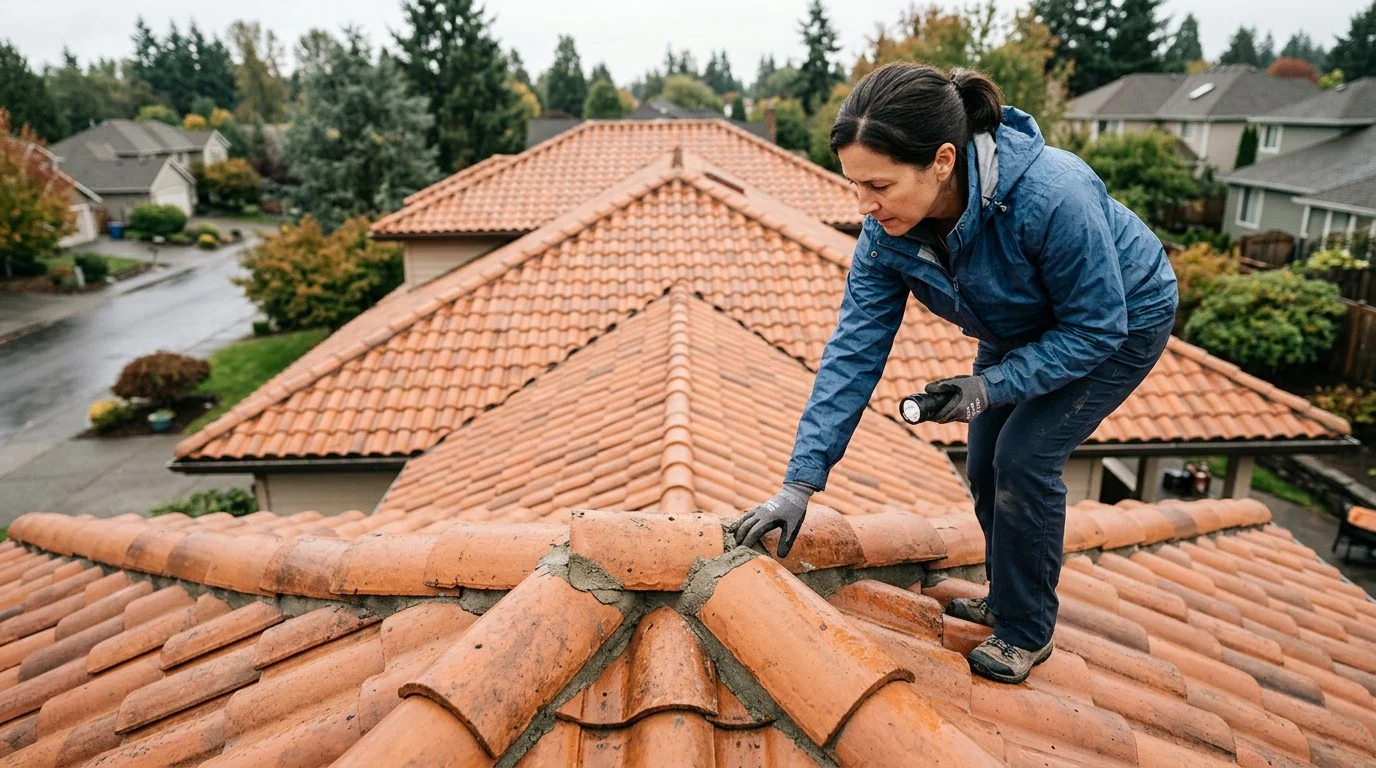
Tile Roofing | South Florida
Tile Roof Replacement Cost for a 2,000 Sq Ft House
Learn what drives the price, what each line on an estimate covers, and how to get a clear number for your home.
By Jonathan Rodriguez · Published October 18, 2026
The cost of a tile roof replacement on a 2000 square foot house depends mostly on the roof surface, not the living space. Measure the roof, convert it to roofing squares, then price each line of the quote. Here is how that works and what changes the total.
Why a 2,000 Sq Ft House Does Not Mean a 2,000 Sq Ft Roof
The roof area is the surface that covers the house, and it is usually larger than the floor area. Pitch, overhangs, and valleys all add surface that a floor plan does not show.
Using living space as the starting point is a common early mistake. A steep or broken roofline can make the roof surface well above 2,000 square feet. A simple single-story layout may come closer. Only a roof measurement tells you which one you have.
Pricing follows the roof. Crews buy tile, underlayment, and fasteners for the surface they cover. They also strip and haul away the old tile from that same surface. Bedrooms and kitchens do not change the bill.
When a quote arrives, check the area it uses. If the number traces back to the floor plan, ask for a roof measurement.
If a leak, cracked tiles, or a storm has you weighing a tile roof replacement, our team can measure your roof and walk through the numbers with you. Talk it through with our team — the first consultation is free, confidential, and carries no obligation.
How Roofers Measure and Price Tile Roofs: The Roofing Square
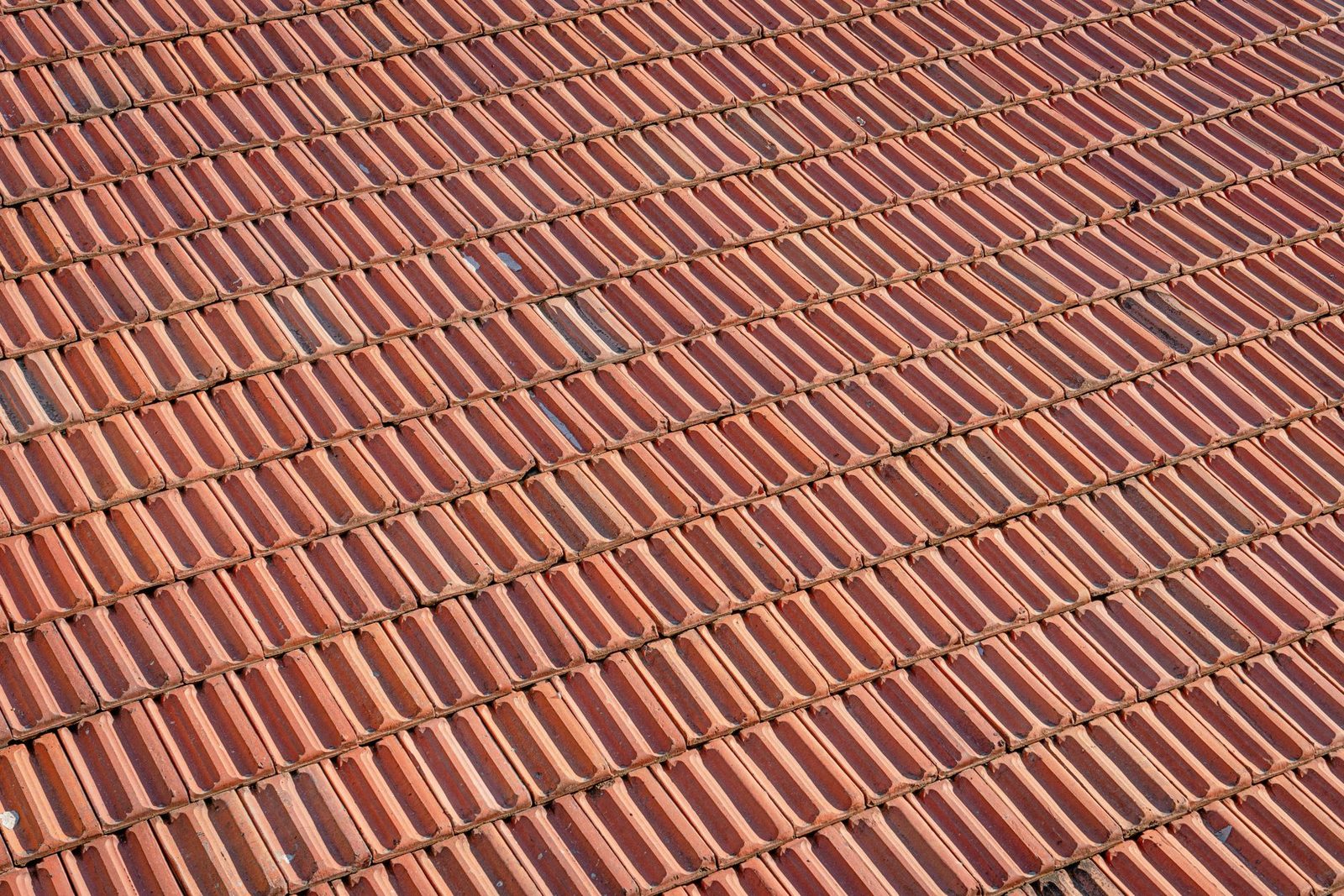
A roofing square is 100 square feet of roof surface. Most tile roof quotes are built around that unit.
Here is the math. Suppose the measured roof surface is 2,400 square feet. That equals 24 roofing squares. The tile line is 24 times the per-square price the contractor quotes. Every other line is added on top.
Tile is often quoted per square. Tear-off, underlayment, flashing, disposal, and permits often appear as separate lines. Each line should be clear on its own. A low per-square price can hide costs that appear elsewhere.
Keep this math in your notes. Multiply squares by the rate, then check that every other line appears in writing. That turns one headline number into parts you can compare.
Factors That Change the Cost of a Tile Roof Replacement
Pitch, complexity, tile type, how much roof is replaced, and site access change the price most. Each one affects labor, materials, or both.
Steep pitch slows the work. Crews need extra care to move tile up and across the roof. That adds labor time and changes how materials are handled.
Complex roofs cost more to cut and flash. Hips, valleys, dormers, skylights, and roof penetrations each need extra pieces and careful edges.
Tile type matters too. Concrete and clay tile differ in weight and profile. The NRCA roofing materials guidance describes clay and concrete tile roofing. It also notes the need to verify structural load capacity when replacing another roof covering with tile. A structural check may come before any tile is ordered.
Site access also adds cost. Landscaping, driveways, and low eaves can slow crews and limit where dumpsters and ladders go.
Tear-Off, Underlayment, and Code Requirements in South Florida
Tear-off, underlayment, flashing, and permits are real costs outside the tile itself. Each one should appear on the quote.
Tear-off means removing the existing roof covering. Disposal means hauling the debris away. Quotes often list these as one line or two. Ask which it is.
Underlayment and flashing form the rest of the system beneath and around the tile. The Tile Roofing Industry Alliance installation guides cover proper tile-roof installation practices and code requirements, including high-wind applications in Florida.
Partial work follows its own rule.
Permits add paperwork and time. Permit requirements for roofing work can vary by location. Contact our team to talk through your project during a free, confidential initial consultation with no obligation to continue. The Miami-Dade County roofing permits page lists required forms, checklists, and certain hurricane-mitigation documents.
Labor, Materials, and Permits: Reading the Breakdown of a Quote
A clear quote lists materials, labor, tear-off, disposal, underlayment, flashing, and permits on separate lines. Separate lines make each part of your estimate easy to review.
Labor is often priced per square or as a share of the total. Either way, the labor scope should match the roof area measured. If the measured area and the labor line don’t match, ask why.
Review the extras included in your estimate. Confirm whether permits, dumpster, and cleanup are included. A quote that leaves them out is not the same job as one that includes them.
Florida law adds notices to residential roof and repair contracts. When roof work is related to an insurance claim, it is wise to contact your insurance company to verify coverage before you sign any agreement. Under Fla. Stat. § 489.1425, a residential repair or improvement contract must contain a recovery fund statement, unless all labor and materials total no more than $2,500.
Roof Damage, Repair Versus Replacement, and Insurance Questions
A partial repair often costs far less than a full replacement. It is not always a substitute, though. Cracked or displaced tiles can point to a larger problem.
Age, condition, and storm damage shape the scope. A roof with widespread damage may need replacement even when one repair looked like enough at first.
Insurance questions come up often. Coverage can depend on the policy terms and the cause of the damage. Those extra costs may be limited to 25 or 50 percent of the dwelling limit, as the policyholder selects. That coverage applies to the damaged portion unless total damage exceeds 50 percent of the structure’s replacement cost.
Deadlines matter. Under Fla. Stat. § 627.70132, a claim must be noticed to the insurer within 1 year after the date of loss. A supplemental claim must be noticed within 18 months. For hurricanes, the date of loss is the date the hurricane made landfall. For tornadoes, windstorms, severe rain, or other weather-related events, it is the date NOAA verifies the event.
Not sure what your next step is?
Talk it through with our team — the first consultation is free, confidential, and carries no obligation.
Next Steps for a Tile Roof Replacement Budget
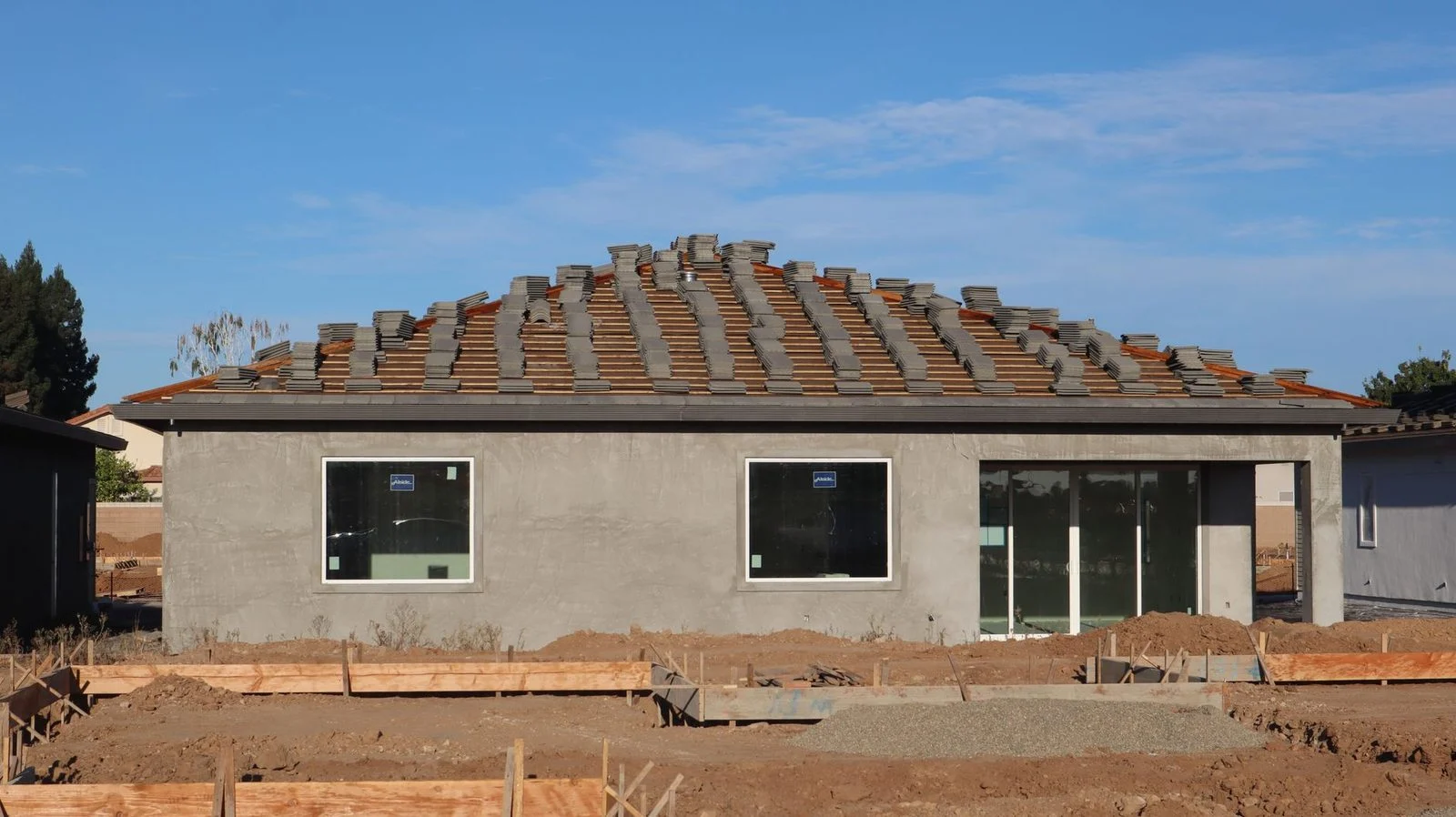
The fastest route to a real number is a measured roof area and an itemized scope. That gives you figures you can compare line by line.
You may be planning this for a home you own or manage. It may follow a leak, cracked tiles, or a storm. You may still be gathering numbers before deciding anything.
Use the steps above. Get the roof surface measured, convert it to squares, and check every line. If you’re comparing tile roofing in Miami or Fort Lauderdale, local permit rules will shape the paperwork.
ASP Superhome offers a free first consultation that is confidential and comes with no obligation to continue. To have your roof area measured and get an itemized scope for your home, request a quote.
Frequently Asked Questions
How much does it cost to replace a tile roof on a 2000 square foot house?
Start with the measured roof surface, then multiply the roofing squares by the per-square price. Add tear-off, underlayment, flashing, disposal, and permits as separate lines.
Is a 2,000 square foot house roof 2,000 square feet?
Usually not. Pitch and overhangs add roof surface, so the roof is often larger than the floor area.
Does homeowners insurance cover a tile roof replacement?
Coverage can depend on the policy terms and the cause of damage. Claim notice deadlines apply, including 1 year for an initial claim.
Do I need a permit to replace a tile roof in Miami?
The City of Miami states that permits are required for residential roof repair or replacement.
What makes up the total
Measured roof surface
The roof's actual surface area, including pitch and overhangs, sets the base quantity for tile, underlayment, and labor.
Tile type and weight
Concrete and clay tiles differ in material cost, weight, and installation method, so the tile you choose changes the price.
Tear-off and disposal
Removing the existing roofing and hauling away the debris are separate costs that should appear as their own lines.
Underlayment and flashing
Waterproofing layers, valleys, and penetrations protect the home in South Florida's wind and rain and add to the total.
Ask for every line item in writing
A low price per square can leave out tear-off, underlayment, flashing, disposal, or permits. Ask for each cost listed separately so you can see exactly what the total includes.
How we approach your estimate
Measurements first
We start with your home's roof measurements so the estimate reflects your actual roof, not a generic square-footage figure.
Options explained
We walk through tile styles and materials so you understand how each choice affects cost and durability.
Built for South Florida
Our tile roofing work focuses on the wind, rain, and sun conditions common across Miami, Fort Lauderdale, West Palm Beach, Naples, and Fort Myers.
Confidential first consultation
Your free first consultation is confidential and comes with no obligation to continue.


