


Tile Roofs | South Florida
How Much Should a Tile Roof Cost in South Florida?
Roof size, tile choice, pitch, and scope of work set the price. Here is how to read an estimate and what moves the number on your home.
Start with a free first consultation
Free
First consultation
Confidential
Your information stays private
No obligation
No commitment to continue
By Jonathan Rodriguez · Published October 18, 2026
Short answer: what a tile roof costs and why the number moves
How much should a tile roof cost? The total is built from three things: the roof’s surface area, the tile you choose, and the scope of work. Because no two houses match, the number moves with the home.
Estimates usually show a rate per square foot of roof and a total for the whole project. Those two numbers should agree. Multiply the rate by the roof area, and the result should land near the total.
Four drivers move the number most: roof size, tile type, pitch and complexity, and how much old material comes off. Deck repairs, underlayment, flashing and permits can add to the total. Each one is covered below.
Homeowners in Miami, Fort Lauderdale, West Palm Beach, Kendall, Naples, Fort Myers and Boca Raton face the same basic drivers. Local permit rules can still change the line items.
ASP Superhome handles tile roofing, roof replacement and roof repair. For the wider picture, read our tile roofing guide for South Florida. Read each section as a checklist for the quote in front of you.
If a leak or storm has you wondering what your tile roof will cost, we'd be glad to look at your roof with you and talk through the numbers. Talk it through with our team — the first consultation is free, confidential, and carries no obligation.
How tile roof pricing is calculated: roof area and roofing squares
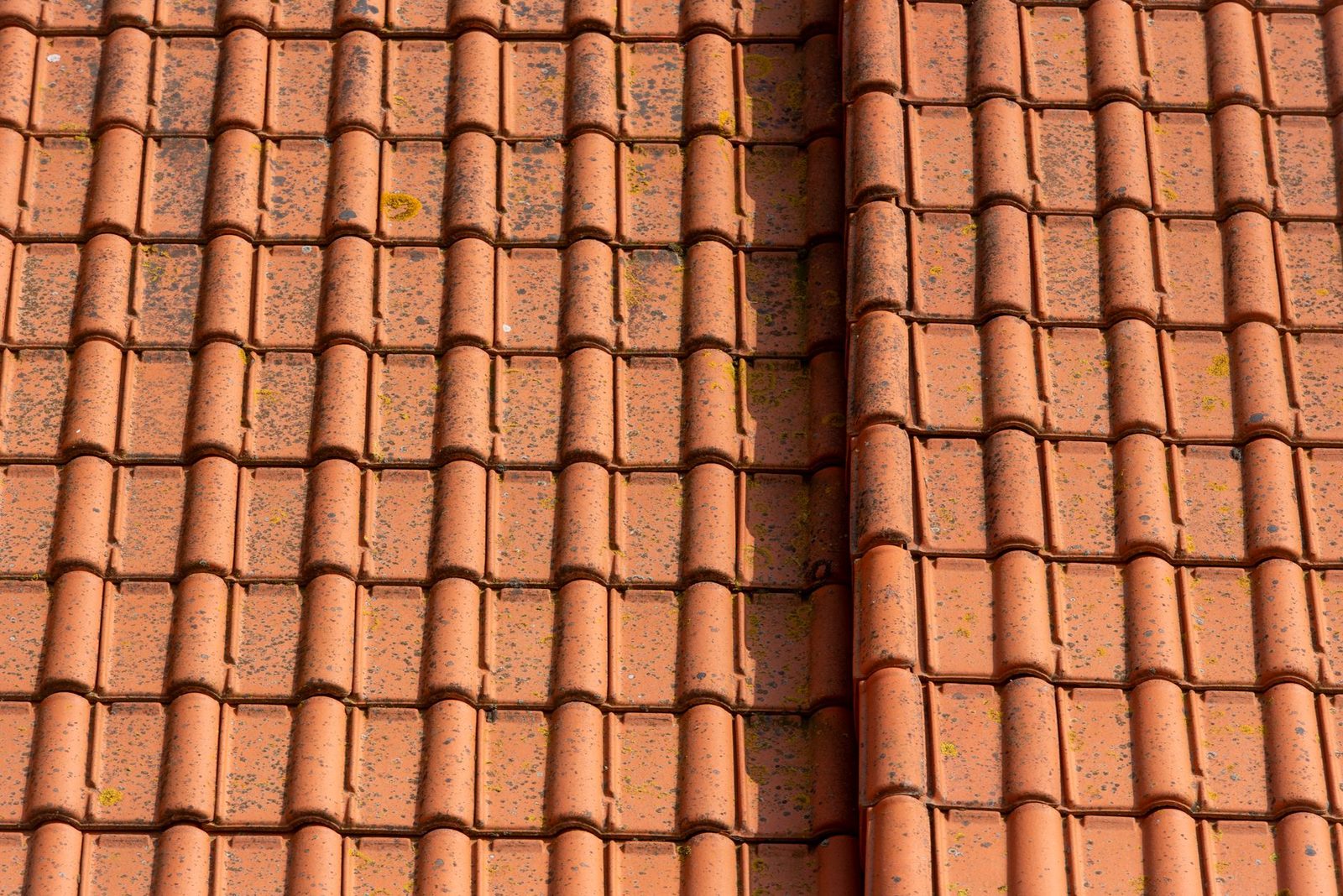
Tile roofs are priced on roof surface, not on the floor plan of the house. A pitched roof has more surface than the footprint underneath it.
Slope adds surface area. So do the overhangs that reach past the walls. An estimator measures the roof’s surface, which is why a quote may show a larger area than the house’s floor space.
Many contractors use the roofing square as their unit. One roofing square equals 100 square feet of roof surface. You’ll often see quotes written in squares, so it helps to know the term.
Here is a worked example. The assumptions are labeled, and the numbers are for illustration only:
- Floor area (footprint): 2,000 square feet.
- Assumed extra surface for slope and overhangs: 20 percent.
- Roof surface: 2,000 × 1.20 = 2,400 square feet.
- Roofing squares: 2,400 ÷ 100 = 24 squares.
Those 24 squares are the base for the quote. If the quote lists a rate per square, multiply that rate by 24. Then compare the result with the total. If the two don’t reconcile, ask for the line items before you move forward.
A 2,000 square foot house doesn’t automatically mean a 2,000 square foot roof. Two-story sections, hips, valleys and dormers all add surface and extra cutting.
Cost by tile type and style
Tile type and profile both change the material and labor in a quote. The NRCA roofing materials guidance covers clay and concrete tile roofing, including its durability and its use in Florida.
Profile matters too. Flat tile and S-profile or barrel tile are laid differently. Material cost per square and crew time per square can change with the profile, so ask which one the quote names.
Tile is heavy, so the structure matters. NRCA states that when another roof covering is replaced with tile, the building’s structural load capacity must be verified. That check can change the scope, so confirm whether it appears on the estimate.
Installation practice counts as much as the tile itself. The Tile Roofing Industry Alliance installation guides cover proper installation, code requirements, and acceptable products for high-wind applications in Florida.
Weighing ceramic? For the trade-offs, see our ceramic roof tile trade-offs guide.
Factors that push tile roof cost up or down
Pitch, complexity, tear-off, deck condition, wind-code work, permits and crew access are the main factors. Each one shows up as a line item on a written estimate.
Pitch and complexity. Steep roofs need more safety gear and slower work. The IBHS roof guidance describes residential tile and steep-slope roof applications. Multiple valleys, hips and dormers add labor.
Tear-off and disposal. Removing old tile and hauling it away takes crew time and disposal. Ask whether the quote includes tear-off and disposal, and whether each is priced separately.
Deck, underlayment and flashing. Once the old tile is off, the deck, underlayment and flashing come into view. Damage found at that stage can change the scope, so ask how the quote handles surprises.
Florida code rules. If your existing roof was built or replaced under the 2007 Florida Building Code or a later edition, and 25 percent or more is repaired, replaced or recovered, only that portion must meet the code in effect.
Permits. Florida law makes it unlawful to repair or alter a building without a permit, unless another law provides otherwise. The Miami-Dade roofing permit guidance covers permit requirements and application steps. Local building requirements can vary by city, so our team can walk you through what applies to your project.
Crew and access. A multi-story home can need a bigger crew and more access equipment than a single-story home. Those costs belong on the estimate.
Tile roof replacement compared with roof repair
A repair fixes one problem, such as cracked or displaced tiles or failed flashing. A replacement covers the full roof, from the deck up to the tile.
A repair is the question when damage is limited to one area. Examples include a few broken tiles after a storm or a leak at one valley.
A replacement estimate becomes the question when damage runs across much of the roof. It also comes up when the deck under the tile is aging. A surface repair may not reach a worn deck underneath.
Age and deck condition can change the comparison. Lifting tiles for a repair sometimes reveals more damage than the first look showed. Ask how the estimate handles that.
Write down which area is failing and when you first noticed it. Those details help the estimator scope the work. If you’re weighing materials, ASP Superhome also handles metal roofing. For how tile compares with other roofing over time, read our tile versus shingles guide.
Is a $30,000 tile roof too much? How to judge a number
A $30,000 tile roof can be reasonable or high, and the answer turns on what’s in the quote. Whether it’s too much depends on the facts of that roof.
The total means little without its parts. Two roofs can carry the same total and cover very different square counts, tile types and scopes of work.
Read the quote against this checklist:
- The roofing squares used, and whether they match the measured surface.
- The tile product, named by type and profile.
- Underlayment and flashing, included or priced separately.
- Tear-off and disposal, shown as their own lines.
- Permits, and who applies for them.
- Warranty terms, written out in full.
Florida law also sets contract terms. If a contractor receives more than 10 percent of the contract price up front for residential work, permit and start-of-work deadlines apply under Fla. Stat. § 489.126, unless the payer agreed in writing to a longer period.
A direct contract over $2,500 for a home of up to four units must contain a construction lien notice. The notice must appear in 12-point, capitalized, boldface type.
Tile is durable, so many owners weigh cost over the roof’s full life rather than the first invoice. Our guide to the downsides of having a tile roof covers those trade-offs.
Quick answers
What is a roofing square? It is 100 square feet of roof surface. Estimates often use it as the unit of measure.
Should the per-square rate match the total? Yes, they should reconcile. Multiply the rate by the roofing squares, and the result should match the total.
Not sure what your next step is?
Talk it through with our team — the first consultation is free, confidential, and carries no obligation.

Next step: get a number for your specific roof
A firm figure comes from measuring your roof and reviewing the tile and scope you want.
You may be reading this after a leak, a storm, an insurance note or an inspection finding. You may also be planning a roof for a parent or a property you manage. Either way, the number needs a look at the actual roof.
If a leak or storm has you wondering what your tile roof will cost, contact ASP Superhome to talk it through. Your first consultation is free, confidential and without obligation.
The four drivers that move a tile roof price
Roof size
Total roof area is the largest factor. Larger roofs need more tile, underlayment, and labor, so the total rises with the square footage.
Tile type
Materials differ in weight, profile, and cost. Your tile choice affects both the material line and how the roof structure is prepared.
Pitch and complexity
Steep slopes, valleys, hips, and multiple roof planes take more time and care to install, which is reflected in labor.
Scope of work
A full replacement costs more than a repair. Decking, flashing, underlayment, and venting work are added when they are needed.
What to expect when you contact ASP Superhome
Free first consultation
Start with a no-cost conversation about your home and the work you are considering.
Confidential
The details you share about your home and project are kept confidential.
No obligation
The first consultation comes with no commitment to continue. You decide the next step.
A clear estimate
Your estimate is organized around the factors above so you can see how the total was reached.
Check that the numbers agree
If an estimate lists a rate per square foot and a total, multiply the rate by the roof area. The result should land close to the total.
Get a clear number for your South Florida tile roof
Related practice areas
- Key Price Factors


