


Roof Repair | South Florida
How Much Would It Cost to Fix a Leaky Roof in Florida?
Roof leaks are common in South Florida's heavy rain and humidity. Learn what drives the cost of repair, when a fix makes sense, and when a replacement may be the better investment.
Start with a free first consultation
Free
First consultation
Confidential
Your information stays private
No obligation
Decide whether to move forward
By Jonathan Rodriguez · Published October 21, 2026
How much would it cost to fix a leaky roof? It depends on where the water gets in, how far the damage has spread, what the roof is made of, and how hard the work is to reach. A stain on the ceiling alone can’t give you a fair number. This guide explains those factors so you can tell a small patch from a bigger job. It’s written for South Florida homeowners in Miami, Fort Lauderdale, West Palm Beach, Boca Raton, and nearby areas. It also helps people checking on a parent’s house or a rental they don’t live in.
Why a Leak Price Is Hard to Pin Down Without Looking at the Roof
The price to fix a roof leak depends on where the water enters, not on where the stain appears. A ceiling stain is a symptom. It shows where water ended up, not where it got in. Water often runs along rafters, framing, or the top of the drywall before it drips. That means the stain can sit well away from the real opening.
Finding the source takes careful inspection. Someone has to trace the water’s path from inside the home and from the roof above. That tracing is part of the job, and it shapes the cost. Once the source is known, the scope is clear. It might be a sealing job, a flashing replacement, a few tiles, or a larger section of roof. The price follows that scope.
This is why a fair estimate needs a look at the actual roof. A number based on a photo of a stain is only a guess. Our team can help you identify where the water entered. That gives you a clearer picture of the work ahead.
If a stain is spreading across your ceiling, our team can look at the leak with you during a free, confidential first consultation with no obligation. Talk it through with our team — the first consultation is free, confidential, and carries no obligation.
Factors That Affect Roof Leak Repair Costs
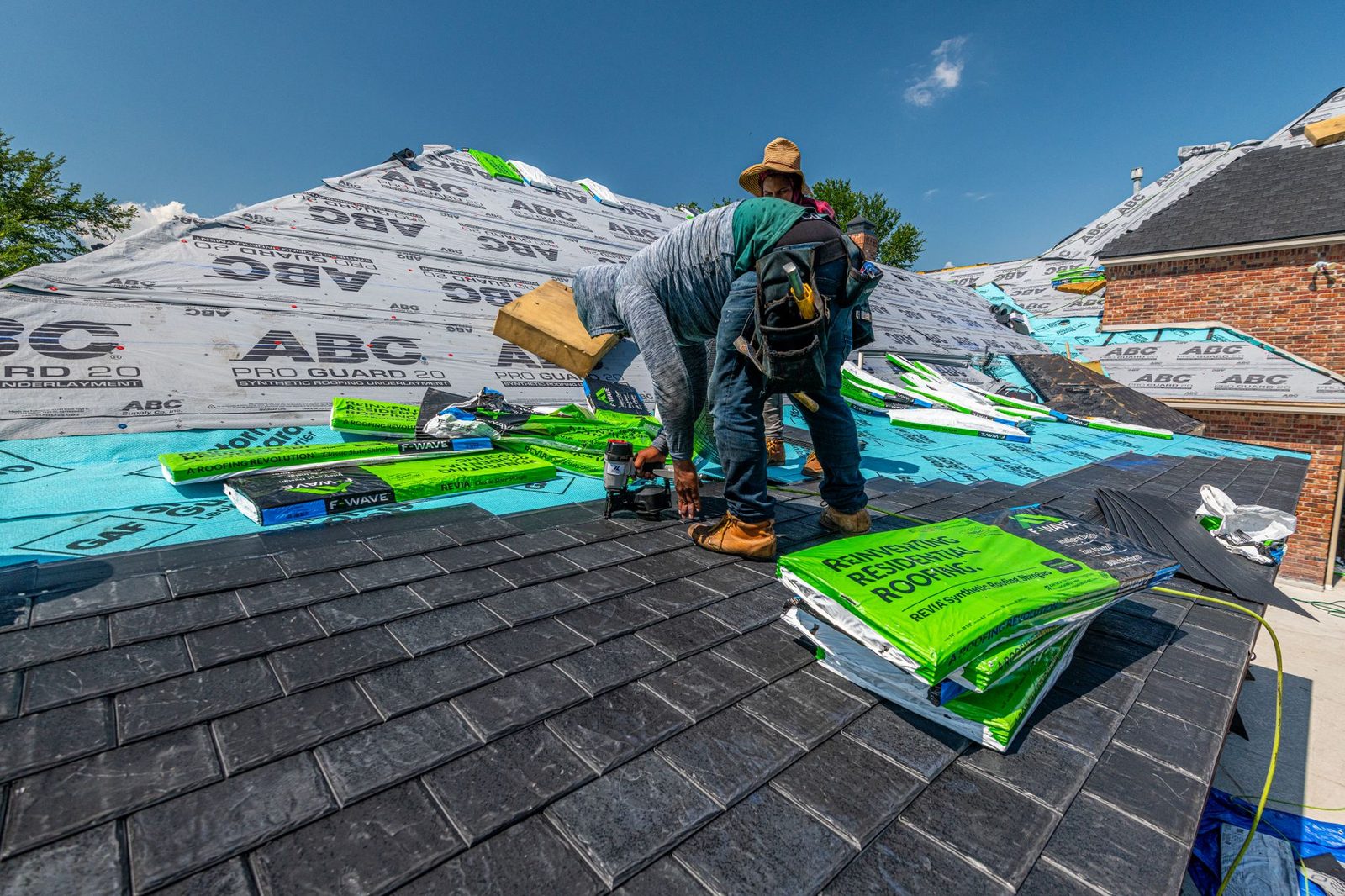
Four factors decide most roof leak repair costs: roofing material, extent of damage, labor and complexity, and access.
Roofing material. Tile roofs are common across South Florida. Repairs need careful handling of each tile. The underlayment beneath the tiles must also be checked, because a leak often starts there. Broken tiles can crack more when someone steps on them carelessly, so the work takes more time and care.
Metal roofs work differently. Leaks often start at panel seams, fasteners, or trim. Each seam and screw is a possible entry point. The cost depends on how quickly the right one can be found.
Extent of damage. A single failure costs less than water that has soaked into decking, insulation, or interior finishes. Wet wood and insulation must be dried or replaced. Drywall may need to be cut open. The longer water sits, the larger the interior repair can grow.
Labor and complexity. Steep pitch, multiple levels, tight access, and many penetrations add time. Each vent, pipe, or skylight is a separate place to check and seal.
Access and safety. Working at height on a tile roof requires a proper safety setup. Crews must also protect the roof surface and the area below while they work.
Common Roof Leak Causes and What Each Usually Involves
Most leaks start at flashing, pipe boots, chimney details, cracked tiles, or worn sealant around roof openings. Each cause has its own scope. Two leaks in the same room can cost very different amounts.
- Flashing. Flashing is the metal that seals joints around vents, valleys, skylights, and walls. It’s often the most common cause. The price varies a lot, because flashing can run a long way along a joint.
- Cracked pipe boots. The rubber seal around a plumbing vent can crack from sun and heat. This is usually a contained, simpler fix.
- Chimney details. Counterflashing, mortar, and the crown all matter. Damage to any one of them can let water in.
- Cracked or displaced tiles. A cracked tile may or may not leak. It depends on whether the underlayment below is still sound. Our guide on whether a cracked roof tile will leak covers this in more detail.
- Worn sealant or fasteners. Old sealant and loose fasteners around penetrations can let water wick in.
When you describe a leak, note where it shows up in the house and where it sits on the roof, if you can see it. That detail helps whoever inspects the leak.
Clogged Gutters and Other Low-Cost Culprits
Clogged gutters can cause a leak, and clearing them is often the lowest-cost step to try first. When gutters back up, water spills over the edge. It can run behind the fascia board and up under the roof edge. Cleaning gutters and making minor gutter repairs costs far less than roof work. Those steps can resolve some leaks.
Don’t stop there, though. If the leak continues after the gutters run clear, the source may be on the roof surface. Watch the next heavy rain and note where the water shows up. If it returns in the same place, the roof needs an inspection. That step tells you whether the fix is small or larger.
Repair or Replacement: When a Leak Points to a Bigger Job
A leak points to a bigger job when it returns in new spots, when tile damage is widespread, or when the underlayment is old. Repeated patches add up. Compare the cost of repeated repairs with the scope of a replacement before you decide.
Watch for these signs:
- Leaks that show up in different areas over time
- Many cracked or lifted tiles across the roof
- Underlayment that is brittle or aged when exposed
Roof age also matters under Florida insurance rules. Florida law bars insurers from declining to write or renew homeowner’s insurance on a residential structure with a roof less than 15 years old, based only on the age of the roof, for policies issued or renewed on or after July 1, 2022. For a roof at least 15 years old, the insurer must allow the homeowner to have a roof inspection by an authorized inspector, at the homeowner’s expense, before requiring replacement. The insurer may not refuse solely because of roof age if that inspection shows 5 years or more of useful life remaining.
Our roof repair and roof replacement service pages cover the work itself.
Emergency Repairs and Timing
Prompt attention to an active leak limits how far water spreads. Water entering a home can soak ceilings, insulation, drywall, flooring, and belongings. The sooner it’s stopped, the less interior work is usually needed.
Heavy rain can reveal leaks that stayed hidden in dry weather. A roof that seemed fine in the dry season can drip during a storm. Report rain-driven leaks rather than waiting. Water keeps working on wood and drywall between storms.
In the meantime, take a few practical steps. Note where the water appears and when it shows up. Photograph the stain and any damage, with dates. Move belongings away from the drip, and set a container under it. If water reaches a light fixture or outlet, stay clear of it. Turn off power at the breaker only if you can do so safely.
Not sure what your next step is?
Talk it through with our team — the first consultation is free, confidential, and carries no obligation.
Does Insurance Cover a Roof Leak?
Insurance may cover a roof leak, but coverage depends on the policy wording and the cause of the damage. Storm-related property damage can be included.
Timing matters. Under Fla. Stat. § 627.70132, a claim for loss from any peril is barred unless notice was given to the insurer under the policy terms within 1 year after the date of loss. A supplemental claim is barred unless notice was given within 18 months after the date of loss. For hurricanes, tornadoes, windstorms, severe rain, or other weather events, the date of loss is the date of landfall or the date the event is verified by the National Oceanic and Atmospheric Administration.
Roof deductibles can also affect payment. If a roof deductible applies, the insurer may limit the roof payment to actual cash value until it receives reasonable proof that the policyholder paid that deductible, under Fla. Stat. § 627.7011.
Keep clear photos and dated notes of the damage. They help you describe what happened when you talk with your insurer.
Take the Next Step: A Free First Consultation for Your Leak
The first step is having the leak looked at, and a free first consultation is a simple way to begin.
Frequently Asked Questions
Is it normal for a roof to leak in heavy rain?
A roof in sound condition should shed heavy rain. A leak during a storm usually points to a damaged spot, flashing, or a penetration.
What is considered a minor roof leak?
A minor leak usually has one small entry point and little damage to the decking or insulation.
Does homeowners insurance cover roof leaks?
It depends on the policy form and the cause of the damage.
Does a leak in one spot mean the whole roof needs replacing?
Not always. One spot can be a repair, but leaks in new areas point toward a bigger job.
If you’re watching a stain grow on a ceiling, or a leak returns after every storm, you may feel rushed. Maybe the house isn’t yours, or the roof is one you didn’t choose to deal with. You don’t have to work out the cause alone. Our team can look at the leak, the roof, and the damage inside with you during a first consultation that is free, confidential, and comes with no obligation. Contact ASP Superhome to get started.
What Affects the Cost of a Roof Leak Repair
Size and location of the leak
A single small entry point costs far less to fix than leaks spread across several areas or hidden in the decking.
Roofing material
Repairs on metal roofing, tile roofing, and other materials each require different parts, labor, and techniques.
Flashing and penetrations
Leaks around vents, chimneys, skylights, and roof edges are common and often need careful resealing or replacement of flashing.
Damage beyond the surface
Water that has reached insulation, drywall, or the roof deck adds to the scope of work and the total cost.
How We Approach a Roof Leak
Find the source
Our team looks for the actual point of entry so repairs address the cause, not just the stain on your ceiling.
Explain your options
We outline repair and replacement paths so you can compare scope and value for your home.
Plan around the weather
South Florida storms can make a leak urgent. We work to get your roof protected as quickly as possible.
Clear communication
You will know what is included in the work before anything begins.
Don't Wait on a Small Leak
Water that gets past a damaged shingle, tile, or flashing can soak into insulation and decking. A small leak that is ignored often becomes a larger and more expensive repair.
Repair or Replace? Common Questions
When a repair makes sense
When the damage is limited to one area and the rest of the roof is in sound condition, a targeted repair is often the practical choice.
When replacement may be better
Widespread leaks, aging materials, or repeated repairs in the same areas may point toward a full roof replacement.
Ready to find out what your leaky roof needs? Book your free estimate today.
Related practice areas
- Tile Roofing in South Florida: Costs, Styles & Installation Guide
- Will a cracked roof tile leak?
- Tile Roof Replacement in Miami-Dade County
- Tile Roof Replacement in Broward County
- Tile Roof Repair or Replacement in South Florida


