


Tile Roofing | South Florida
Discontinued Roof Tiles? Here's How to Get a Close Match
Find out what to measure, what to photograph, and why profile and color both matter when a tile is no longer made.
By Jonathan Rodriguez · Published November 1, 2026
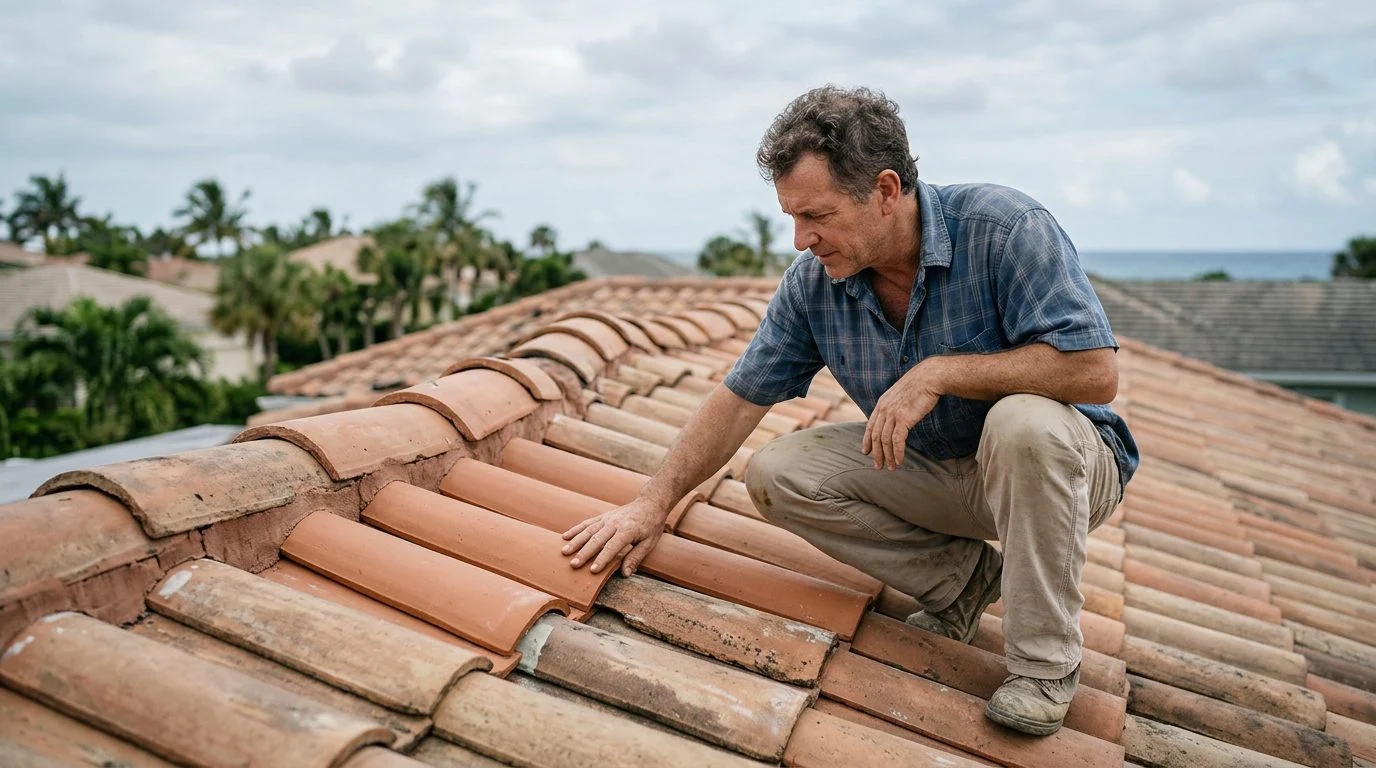
Learning how to match discontinued roof tiles starts with one whole tile from your roof. Measure its profile, then choose a repair that blends in or replaces a larger section. An exact match isn’t always possible, but a careful repair can look right and still shed water and resist wind. This guide covers barrel tile roofs across South Florida, from Miami to Naples. If you’re searching for cómo igualar tejas de barro descontinuadas, the steps below apply too.
Why Discontinued Barrel Tile Is Hard to Match
Discontinued barrel tile is hard to match because manufacturers change profiles, sizes, and finishes over time. Your roof also ages, so the old tile no longer looks like new stock.
Barrel tile comes in several profiles and sizes, with glazed, unglazed, and other color finishes. When a line is dropped, the exact tile may be gone for good. Tiles that share a name can still differ slightly in curve, length, and width. Those small gaps show when a new tile sits beside an old one.
Sun and years of weathering fade color, so the target keeps moving. A tile that looked right on the shelf may look different after a few summers in South Florida sun.
Partial repairs stand out most on steep, sunny slopes, on large patches, and in spots people see from the street. A small patch on a back slope is easier to hide than one at the front of the house.
Not sure what your next step is?
Talk it through with our team — the first consultation is free, confidential, and carries no obligation.
Identify the Profile Before You Order Anything
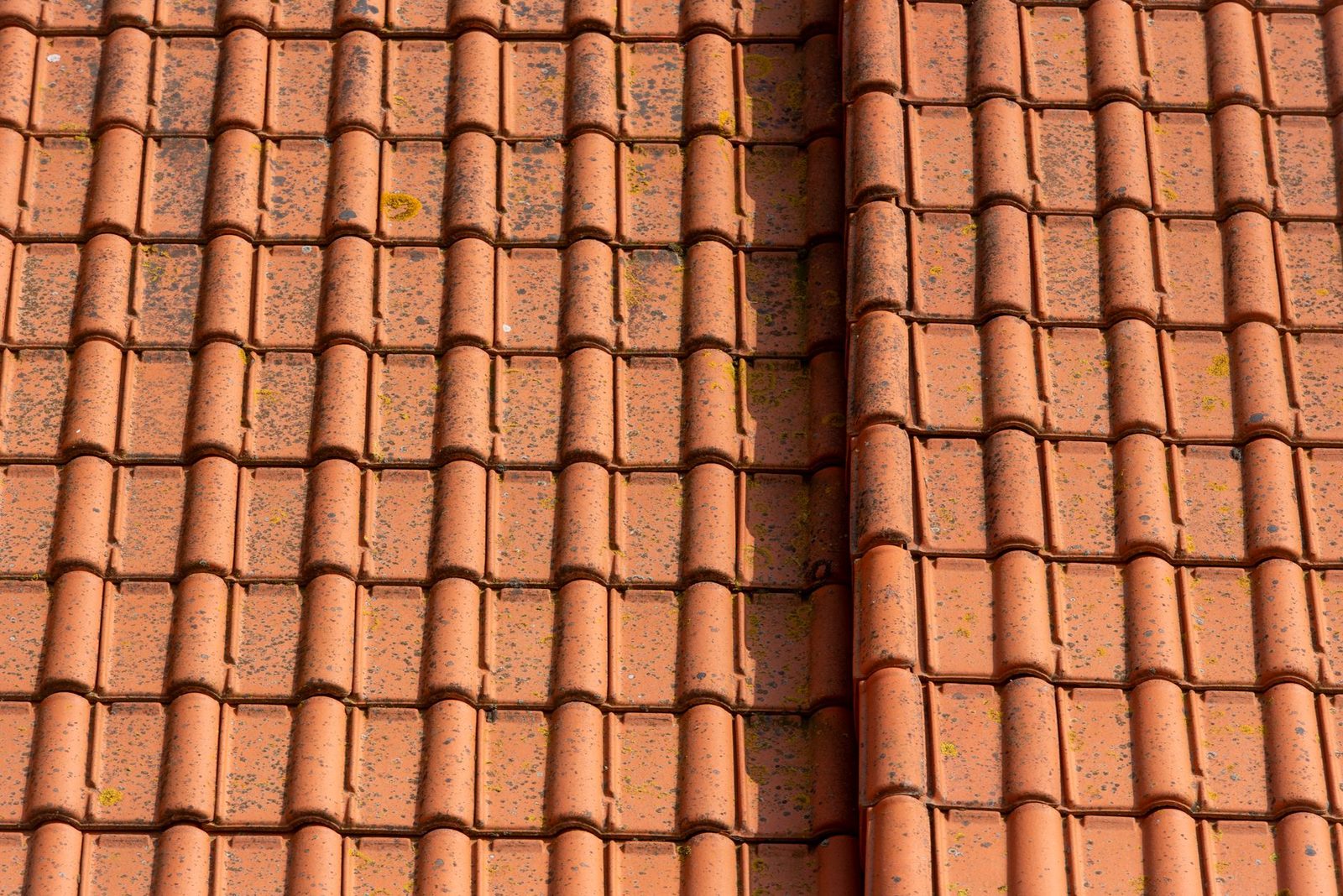
Identify the profile by measuring a whole, unbroken tile from the same roof area. Broken pieces rarely show the full shape.
Note the curve, the height of the ridge, the width of the cover, and the overlap on the sides and head laps. Then measure the coverage (the exposed width each tile adds to a row) and the full length. Length and coverage decide how many tiles fit a course.
Check the underside too. Look at the nail or hanging-lug position. A replacement that hangs differently can shift the whole row.
Look on the back for a product label.
Photograph the tile beside a tape measure in good daylight, and note the roof’s age.
Check the Color, Finish, and Weathering
Compare colors in natural daylight, not under shade or indoor lights. Glaze and clay tones shift through the day, so a shade-lit sample can mislead you.
Note whether the old finish is glazed, unglazed, or faded with a patina. A new tile may need to be blended with weathered tile before the color looks even.
Ask whether the mismatch will show from the ground or from neighboring homes. Visibility shapes how much effort a close color match is worth.
Hold a sample against the roof in daylight, then step back to see it the way neighbors will. Expect some difference. A repair rarely matches a weathered roof perfectly, and honest expectations help you pick the right option.
Options When an Exact Match Is Not Available
When no exact match exists, you can salvage hidden tiles, blend new and old tile, or replace a larger section to a natural break.
Salvage tiles from a low-visibility area, such as behind a chimney or on a rear slope. Use the salvaged tiles at the front of the repair and fill the hidden area with the closest new tile.
Blend the closest new tile with weathered original tile across a wider area. The color change then reads as gradual, not as a single patch.
Replace a larger section, or a full slope, so the new tile runs to a natural break such as a ridge, hip, or valley. That avoids a patch that stops in the middle of an open field of tile.
Each option has tradeoffs. A partial repair can fix a leak and reduce the visible mismatch, but it can’t hide every difference in color or curve. A Florida Building Commission staff analysis covers how the code treats roof repairs and the reuse of existing concrete tile.
Keep the Repair Weatherproof and Wind-Resistant
A repair must still shed water and hold in wind, even when the color matches. Check the underlayment, flashing, and deck or battens under the replaced area before you close the roof.
Florida’s 2026 code changes state that roofs must comply with all of Section 1504, which covers wind resistance of roofs (Florida Building Code wind resistance changes).
Tile-specific details matter too. The code requires drip edge on tile roof slopes of 2:12 and greater. Tile underlayment must also meet uplift resistance requirements under ASCE 7 component and cladding loads.
Inspect neighboring tiles, nails, and sealing in the same visit. Loose tiles near the new seam can let water in, even when the repaired tile looks sound.
Record the tile type, profile, and any salvaged pieces you used. Accurate notes make future repairs much easier.
When Storm Damage or Leaks Change the Plan
After a storm, document the damage before anything is repaired. A few broken tiles can point to a larger problem across several slopes.
A leak near a broken tile may come from water under the tile edge, flashing, or underlayment. Trace the source first, or the new tile won’t stop the leak.
For hurricanes and windstorms, the date of loss is the landfall date or the date NOAA verifies the event, under Fla. Stat. § 627.70132. A claim or reopened claim, other than a supplemental claim, is barred unless notice reaches the insurer in accordance with the policy terms within 1 year after the date of loss. The time limitations are tolled during any term of deployment to a combat zone or combat support posting which materially affects the ability of a named insured who is a servicemember to file a claim, supplemental claim, or reopened claim. A supplemental claim is barred unless notice of the supplemental claim is given to the insurer in accordance with the policy terms within 18 months after the date of loss.
If the damage covers much of the roof, a full replacement may give a more uniform result than a patchwork. The right choice depends on the facts of your roof, including its age and condition.
Not sure what your next step is?
Talk it through with our team — the first consultation is free, confidential, and carries no obligation.
Next Steps for a Partial Tile Repair
Start by gathering five details: a photo of a whole tile, its measured coverage and length, the roof’s age, the damaged area’s location, and any signs of leaks. These steps show how to match discontinued roof tiles before any material is ordered.
Note stains on ceilings, tiles that have shifted, or cracks that run beyond one tile. Those signs point to problems beyond a single broken tile.
Check permits before work begins.
Compare a repair against a larger section based on what the roof shows today, not on a guess about how a tile will look in a few years. Keep photos and notes together so every decision starts from the same facts.
Talk to ASP Superhome About Your Tile Roof
If a cracked barrel tile has left a patch that no longer matches, ASP Superhome can help you weigh a partial repair against a larger section replacement.
Bring your photos, measurements, and roof age. Describe where the damage sits and whether any leaks have shown up inside.
If you’re deciding whether to fix one section or replace more of the roof, bring that question with you. The first consultation is free, confidential, and carries no obligation to continue.
When you’re ready, reach out to ASP Superhome about your tile roof.

Frequently Asked Questions
Can I replace just a few barrel tiles?
Yes, a few tiles can often be replaced alone. How well they blend in depends on how closely the profile and color match.
Do I need a permit for a tile repair in Miami?
Roofing projects may involve local requirements that vary by location, so it helps to ask our team what applies to your property before work begins. Check the permit rules for your address before work begins.
Can I use salvaged tile from another part of the roof?
Salvaged tile from a hidden area can be used in a visible spot. It should be sound and fit the same profile.
How Our Team Approaches a Tile Match
We Start With Your Existing Tiles
Our team looks at the profile, size, curvature, and finish of the tiles already on your roof before suggesting any replacement.
We Explain the Trade-Offs
A close match may look right up close but differ slightly in color or texture once the roof has weathered. We discuss those differences openly.
We Consider Your Whole Roof
Repairs, partial replacements, and full roof replacements each call for a different approach, and we help you weigh the options.
We Answer Your Questions
Ask about permits, timing, or what to expect. We will explain what applies to your property before any work begins.
What to Gather Before Your Consultation
Photos of the Roof
Take clear photos of the area where tiles are missing or damaged, plus a wider shot showing the overall roof.
A Whole Tile, If Possible
A broken tile or an intact one from a hidden area, such as near a ridge or valley, helps show the exact profile and finish.
Roof Details
Note your roof's age, any previous repairs, and whether the tiles are barrel, flat, or another style.
Your Questions
Write down what matters most to you, whether that is appearance, durability, or cost, so we can focus on it.
Don't Assume a Close Match Is a Perfect Match
Even a tile that looks identical in a photo can differ in color, glaze, or thickness. Ask for a side-by-side comparison on your own roof before committing to a full replacement.


