


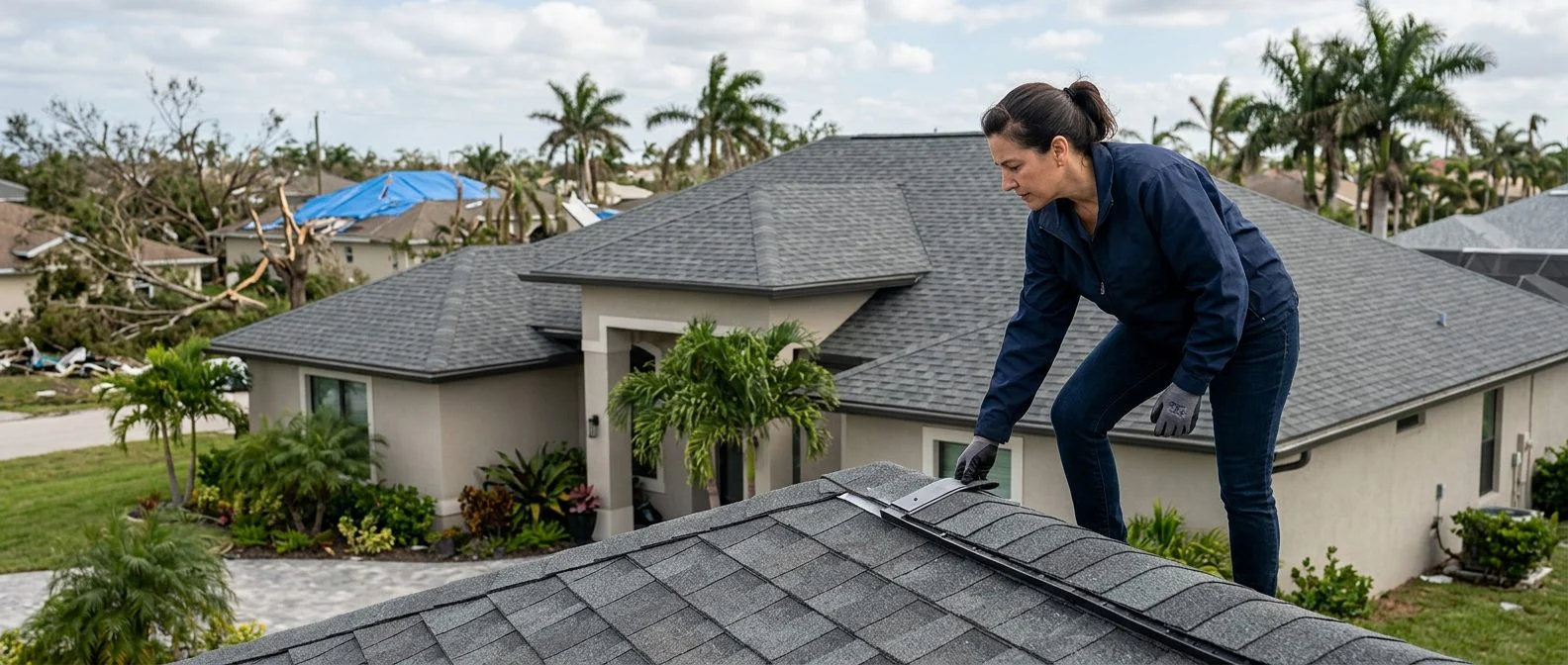
Roof Replacement | South Florida
How Much Does a 4,000 Sq Ft Roof Replacement Cost in South Florida?
Learn what shapes the price of a roof replacement on a larger home, from roof area and pitch to material choice and tear-off. Then book a free estimate with ASP Superhome.
By Jonathan Rodriguez · Published November 2, 2026
Short Answer: Why a 4,000 Square Foot House Has No Single Roof Price
How much does it cost to replace a roof on a 4,000 square foot house? There is no single number. The estimate starts with roof area, and roof area is not the same as the floor area inside the walls.
A roof covers the footprint of the house plus its slopes, overhangs, and extra roof planes. A steep or multi-level roof can have far more surface than the rooms below it. Two 4,000 square foot homes in Miami or Boca Raton can need very different budgets. One may have a simple roof on a single level. The other may have hips, valleys, and a steep pitch.
Roofing standards describe how to measure a roof and compare roofing systems on a common basis, according to the NRCA roofing standards. That is why a written estimate should show the measured roof area. Each section below explains one cost driver. That way, you can read a quote with confidence instead of guessing.
Weighing a roof replacement on a large South Florida home is a lot to carry alone. Request a quote and our team will measure your roof area and walk you through each line for your house. Talk it through with our team — the first consultation is free, confidential, and carries no obligation.
How Roof Area, Pitch, and Complexity Change the Estimate
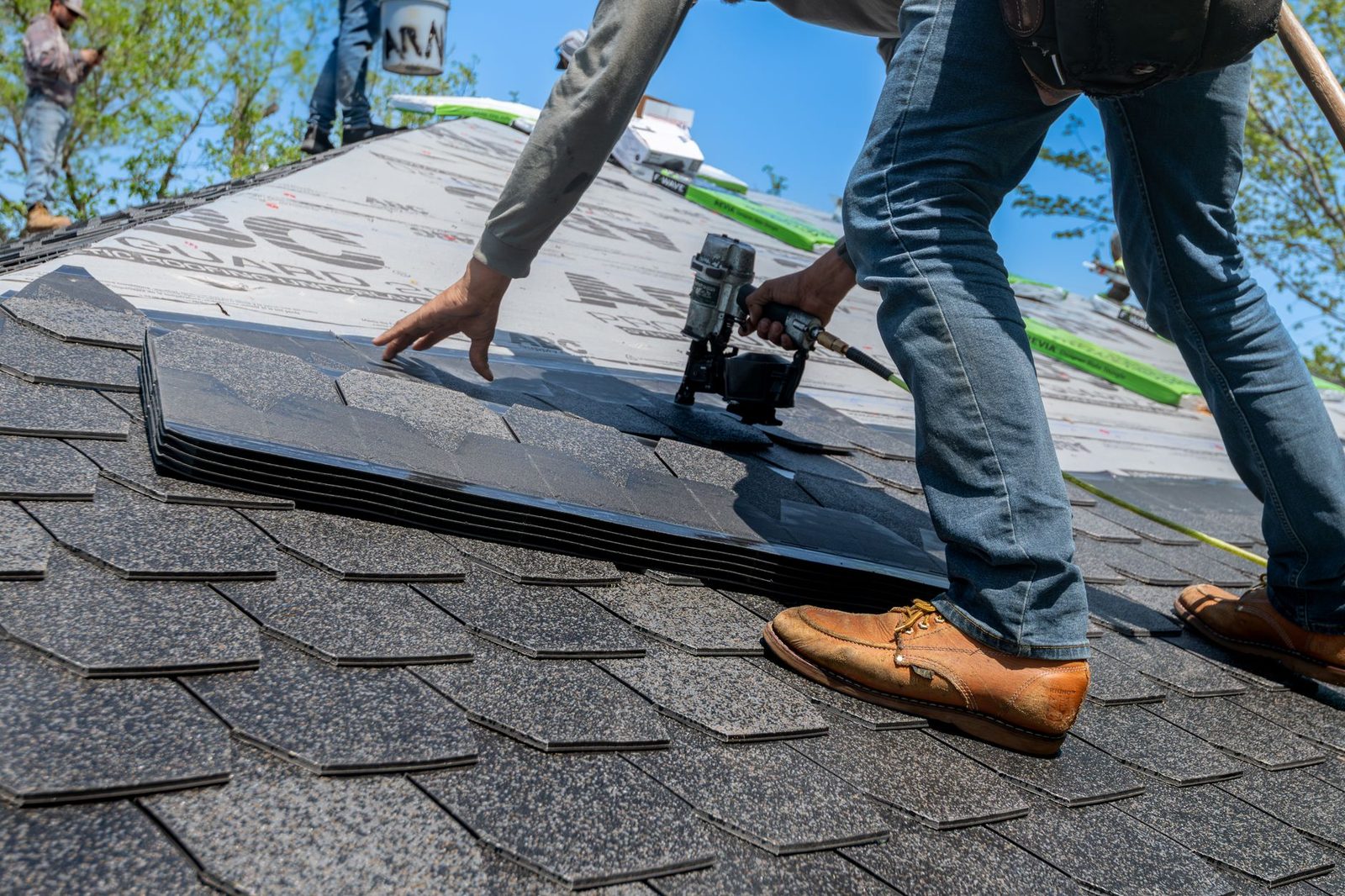
Roof area, pitch, and complexity move the price more than floor area does. Roof area is the total surface the crew must cover. A steeper pitch adds surface for the same footprint. It also adds labor and safety equipment on the job.
Multi-level homes often need more setup and more ladder or lift time. Each dormer, valley, hip, skylight, and vent pipe adds cutting and flashing work. Flashing is the sealing material that keeps water out at these openings.
Single-story and two-story homes also differ in crew setup. Comparing homes by floor area alone can mislead you. Ask for the measured roof area and any pitch or complexity adjustment in writing.
Tile Versus Metal: How Material and Warranty Tier Affect Cost
Tile and metal roofs cost different amounts because the materials, weight, and installation methods differ. Tile is heavy, so the existing structure should be reviewed for the new load before work begins. Metal panels are lighter, but they still need proper fastening and flashing for South Florida wind.
The Metal Roofing Alliance guidance says quality residential metal roofs can last 50 years or more. It also says they may reduce long-term maintenance and replacement costs. Those points affect the lifetime cost, not only the first invoice.
Warranty tier can affect price because it may reflect different materials, underlayment, or installation steps. Read what the warranty covers, how long it runs, and what it excludes. A warranty describes defined remedies. It does not promise a specific result.
Florida law also shapes replacement work. For a site-built, single-family home, the Florida windstorm mitigation statute says a roof replacement must include certain listed techniques. One of them is secondary water barriers for the roof.
Tear-Off, Disposal, and Underlayment
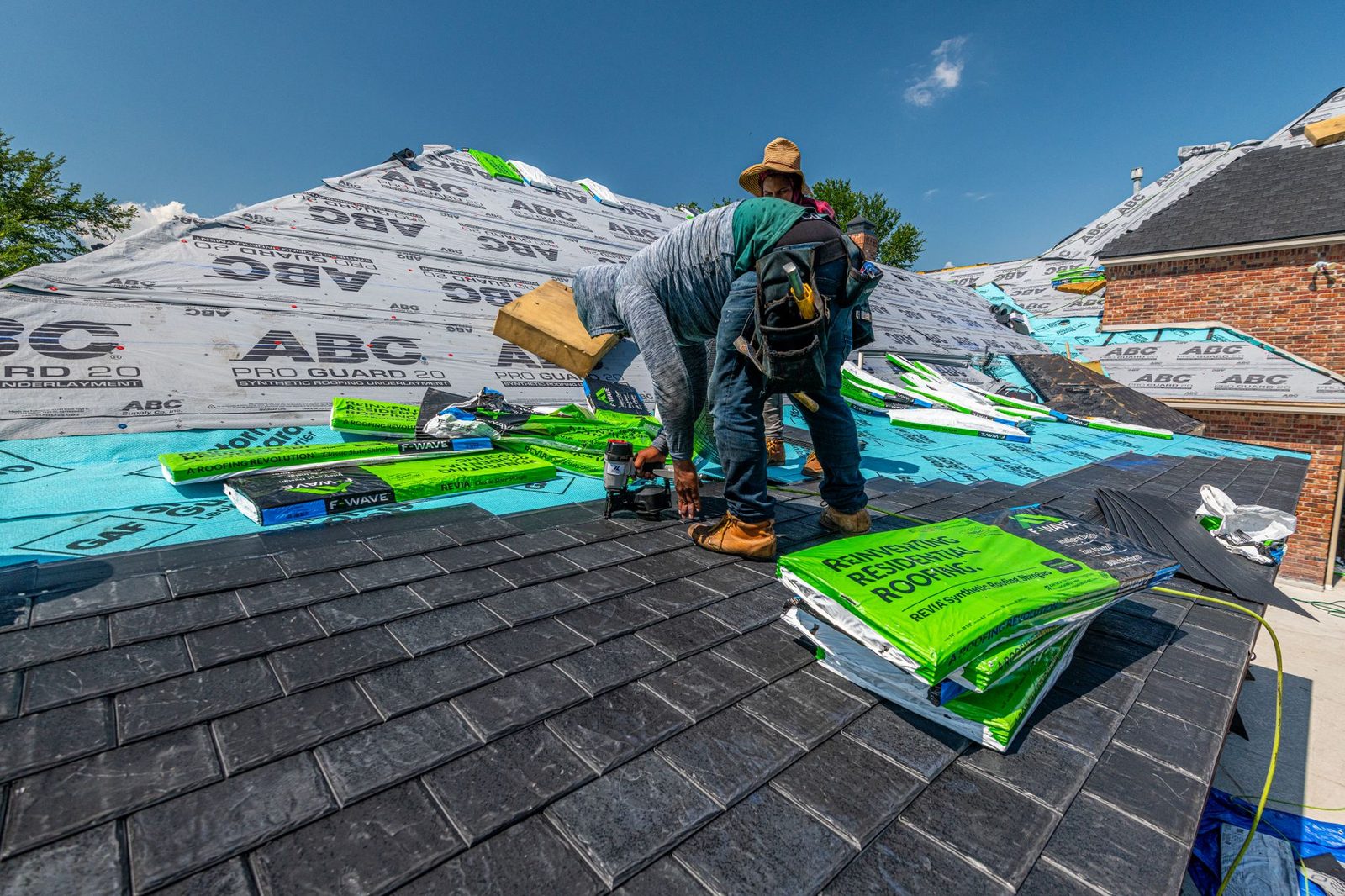
Tear-off means removing the old roof covering. It usually appears as its own line on an estimate. Its cost rises with roof area and with each layer removed. A single old layer takes less labor than two layers. Disposal of the old material is a separate cost.
Florida’s code also limits when a new covering can go over an old one. The Florida Building Commission analysis of Building Section 1511.3 says the upper roof covering may be removed during recovering only when the existing or repaired surface is adequate for the new covering.
Underlayment is the water-resistant layer under the roofing. The Florida Building Commission residential analysis says the 2026 code requires underlayment to lap over hips and ridges at least 6 inches. The exception is where ventilation openings are provided. South Florida’s heavy rain makes this layer worth checking closely.
Decking Repair and Hidden Structural Work
Decking problems usually appear only after the old covering comes off. Decking is the sheathing the roofing is fastened to. Once it’s exposed, the crew can see rot, soft spots, or water staining.
Florida’s existing building code requires structural damage to be repaired under its Section 406.1, according to the Florida Building Commission existing building analysis. A Florida Building Commission interim roofing report discusses how roof-deck replacement affects cost. It also covers code situations that can require replacement or strengthening.
Water damage to framing or fascia is a separate scope item. Ask for it in writing. Most estimates list decking as a possible extra cost until the crew can see the deck. Keep a contingency line in your budget so a hidden problem doesn’t stall the job.
Signs a Large Roof Needs Replacement Rather Than Repair
Replacement usually makes more sense when damage is widespread, not isolated. Common signs include:
- Cracked, slipped, or missing tiles or panels across several areas
- Loss of granules or coating on metal panels
- Leaks in more than one room
- Sagging decking
- Storm damage visible from the ground or the attic
Repair can address isolated damage. Replacement is usually considered when damage is widespread or the roof is near the end of its service life. Only an on-site inspection can confirm which applies to your house.
Insurance matters too. According to the Florida Office of Insurance Regulation, homeowners coverage for storm damage depends on the policy form and on which perils are covered or excluded. Check your policy before you assume coverage.
Not sure what your next step is?
Talk it through with our team — the first consultation is free, confidential, and carries no obligation.
What a Written Roof Estimate Should Itemize
Each cost driver in a written estimate should appear as its own line. Use this checklist:
- Measured roof area and any pitch or complexity adjustment
- Material type, underlayment, flashing, ventilation, and fastening method
- Tear-off, disposal, permit, and decking allowance, each shown separately
- Warranty terms and the payment schedule
Permits matter. The City of Miami roofing permit page says the city requires permits for residential roof repair and replacement. Permit processing times can differ between cities and counties, so our team can explain what to expect for your project during your free initial consultation. The Miami-Dade County roofing permits page covers application forms, checklists, contractor e-permitting, and certain hurricane-mitigation documentation.
Check that each line matches the scope written in the document. A line you can’t explain is a line to ask about.
Talk Through Your Roof Plan With Our Team
Wondering how much it costs to replace a roof on a 4,000 square foot house is a reasonable question. You may be researching this for a parent, a family property, or a building you manage. You may not be ready to decide. A storm may have left you wondering what’s behind the ceiling stains, or the roof may simply be old.
How much does it cost to replace a roof on a 4,000 square foot house?
There is no single price. Roof area, pitch, material, tear-off, and decking all shape the estimate.
Is roof area the same as square footage?
No. Roof area is the roof surface, and it is often larger than the floor area because of pitch and overhangs.
Does a roof replacement need a permit in Miami?
Yes. The City of Miami requires permits for residential roof repair and replacement.
Can a new roof go over an old one in Florida?
Sometimes.
Our initial consultation is free, confidential, and carries no obligation to continue. Request a quote, and our team will measure your roof area and walk you through each line for your home.
What Shapes the Estimate
Roof area, not just floor area
Roof area is the total roof surface, which is often larger than the home's square footage because of pitch, overhangs, and multiple planes.
Roof pitch and complexity
Steeper slopes, valleys, dormers, and hips take more labor and materials to install safely and correctly.
Material choice
Metal roofing and tile roofing differ in material cost, weight, and installation requirements, so each option is priced separately.
Tear-off and disposal
Removing the existing roof and hauling away the debris are cost factors that depend on how many layers must come off.
Decking and underlayment
Damaged decking or an outdated underlayment may need repair or replacement once the old roof is removed.
Tip: Plan for Hidden Repairs
Once the old roof is removed, the crew may find rotted decking or damaged framing. Ask for an estimate that explains how these conditions would be handled before work begins.
Roofing Options We Offer
Metal Roofing
A lightweight option often considered for South Florida homes. ASP Superhome can walk you through panel types, finishes, and installation details.
Tile Roofing
A durable choice with a classic look. Tile systems involve heavier loads, so structural review is part of the planning process.
Roof Replacement
Full tear-off and replacement of an aging roof, scoped to your home's size, pitch, and layout.
Roof Repair
Targeted repairs for leaks, damaged areas, and wear, when a full replacement is not yet needed.


