


Roofing and Solar | South Florida
Got an Insurer Roof Age Letter? Plan Your Next Step with Confidence
Learn what a roof age letter can mean for your home, and how solar battery backup fits into your plans. Start with a free, confidential first consultation with no obligation to continue.
By Jonathan Rodriguez · Published October 30, 2026
An insurer roof age letter does not mean you must replace the roof before adding a solar battery. It means the insurer wants a clear picture of your roof’s age and condition before it renews your policy. Read the deadline first, document the roof’s condition, then plan the battery around the roof work.
For South Florida homes, the roof question can change the whole solar plan. The order of work matters, so it helps to settle the roof first.
What an Insurer Roof Age Letter Is Asking For
An insurer roof age letter asks you to address your roof’s age before your policy renews or before the premium is set. Start by reading it for three things: the deadline, the documents it requests, and any roof condition it names.
Florida law sets notice rules for this kind of change.
So send your roof details early.
Next, separate what the letter requires from what you’re planning. A requirement has a date and a consequence. A battery purchase is a plan you can time around that date.
If an insurer roof age letter has you stuck between replacing the roof and adding a battery, our team can help you sort out the order of work. Talk it through with our team — the first consultation is free, confidential, and carries no obligation.
Roof Age Versus Roof Condition
Roof age is the number of years since the roof was installed. Roof condition is the current state of the covering, flashing, underlayment, and fasteners. An insurer may focus on age, but an inspection shows condition.
Those thresholds explain why the inspection matters. A roof can look fine from the ground and still have worn underlayment or loose flashing. Photos and quick visual checks catch some problems but miss others. A written inspection gives you a fuller record to share with the insurer.
Roof discounts also tie into roof condition. According to the Florida Department of Financial Services, homeowners roof discounts vary by insurer and depend on roof age, condition, and type.
Should the Roof Come Before the Battery?
If the inspection shows the roof is near the end of its life, replacing it before the battery is often the simpler path. New equipment then doesn’t have to be taken down and reset later.
Roof age also affects solar. According to the U.S. Department of Energy, rooftop solar suitability depends on factors including roof age, size, shape, and slope.
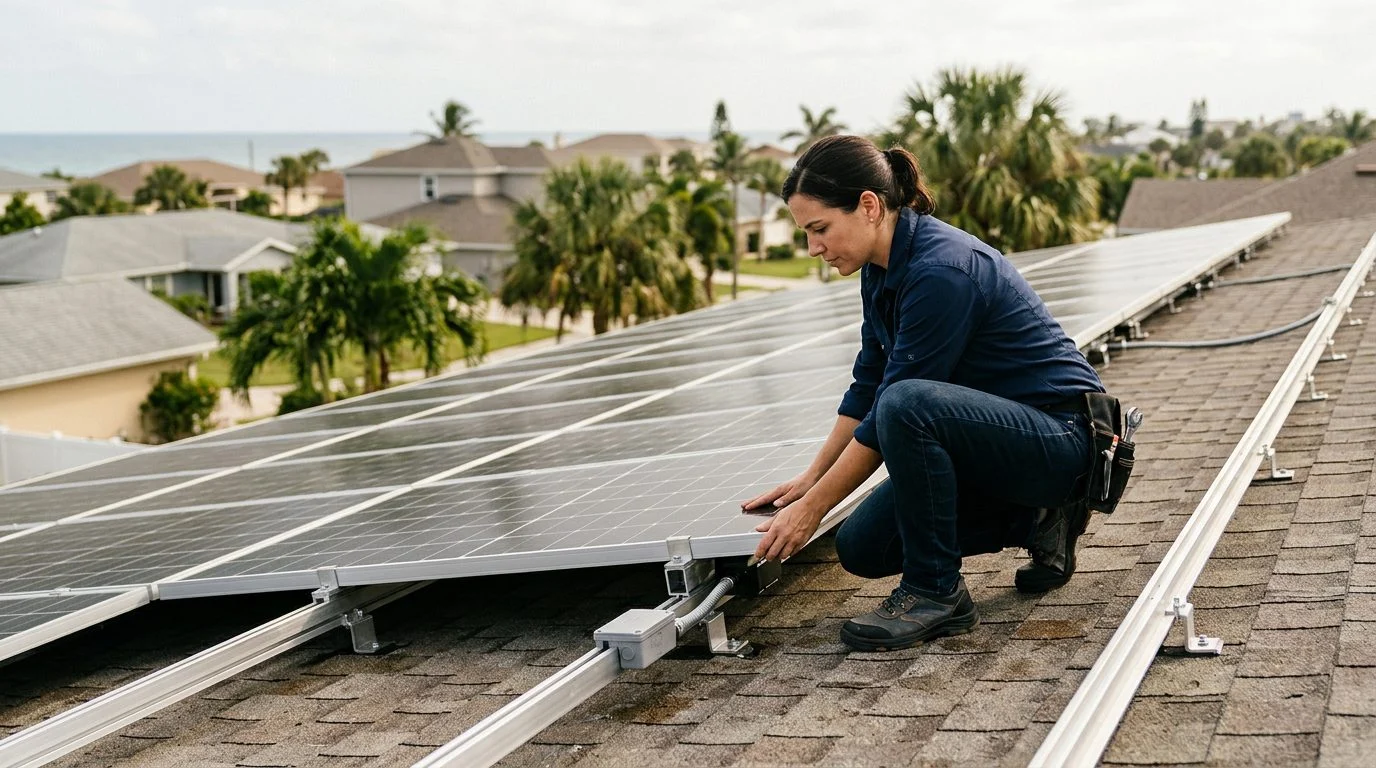
You have two common paths. You can replace the roof first, then install panels and the battery on the new surface. Or you can plan the roof replacement and the solar work as one project, with one schedule for panel removal and reset. The second path takes more coordination up front, but it keeps the work in order.
Roofing material matters too. Metal and tile roofs each need a plan for how panels attach. Pick the roof material before the panel layout is final.
Florida rules add requirements. Roof-to-wall connection upgrades and other wind mitigation work can be legally required during some roof replacements, depending on the home and local rules. Our team can help you determine whether they apply to your project. Roof-to-wall connection techniques are one windstorm-resistant option our team can review when planning a roof replacement.
Florida law also makes it unlawful to repair or alter a building without first getting a permit, unless another law provides otherwise.
Solar Panels, Battery Backup, and the Roof Project
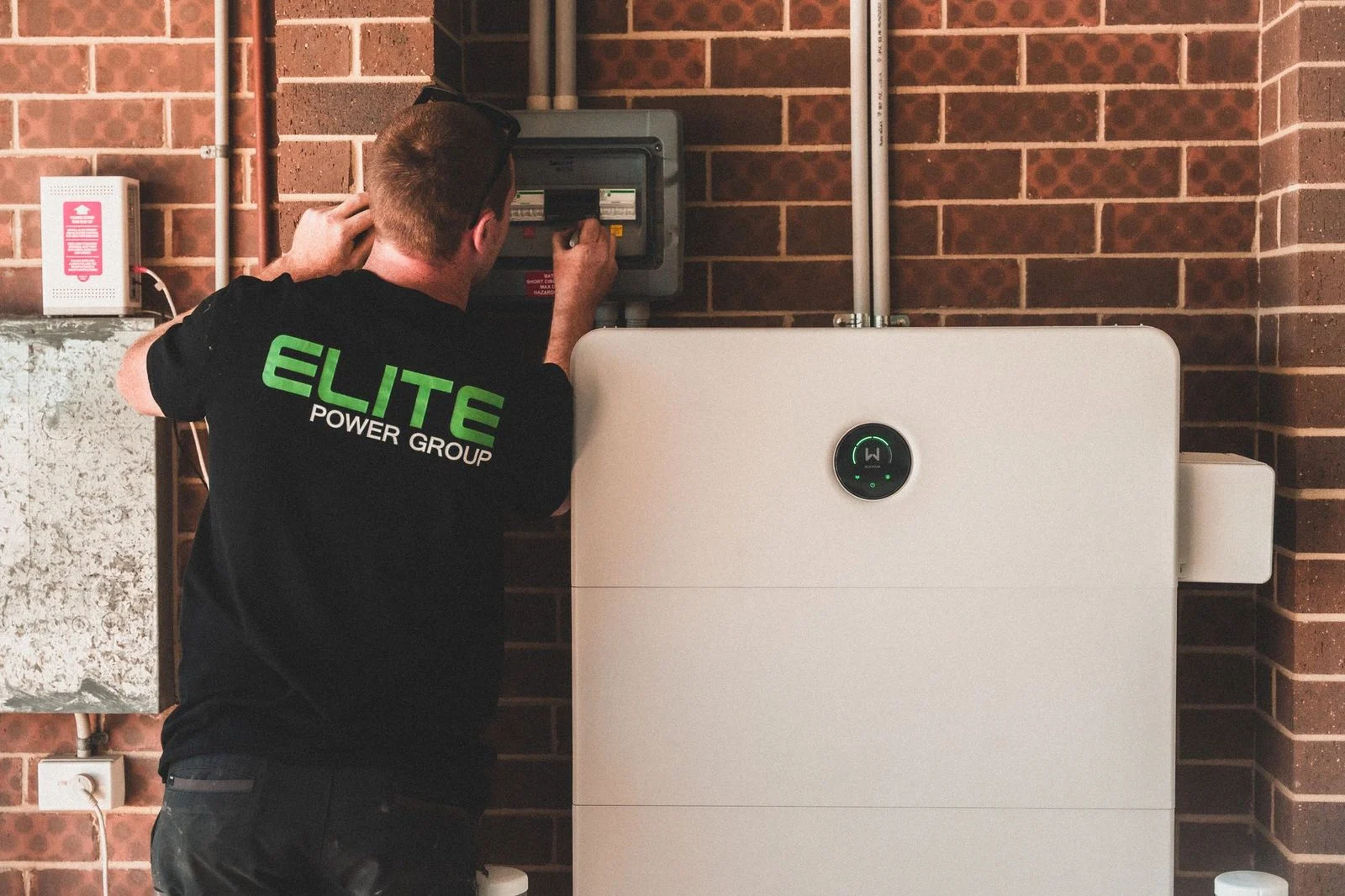
A solar battery backup stores power from the solar array so the home can use it later. The battery ties into the solar system and the home’s electrical panel. That means the electrical work and the roof work affect each other.
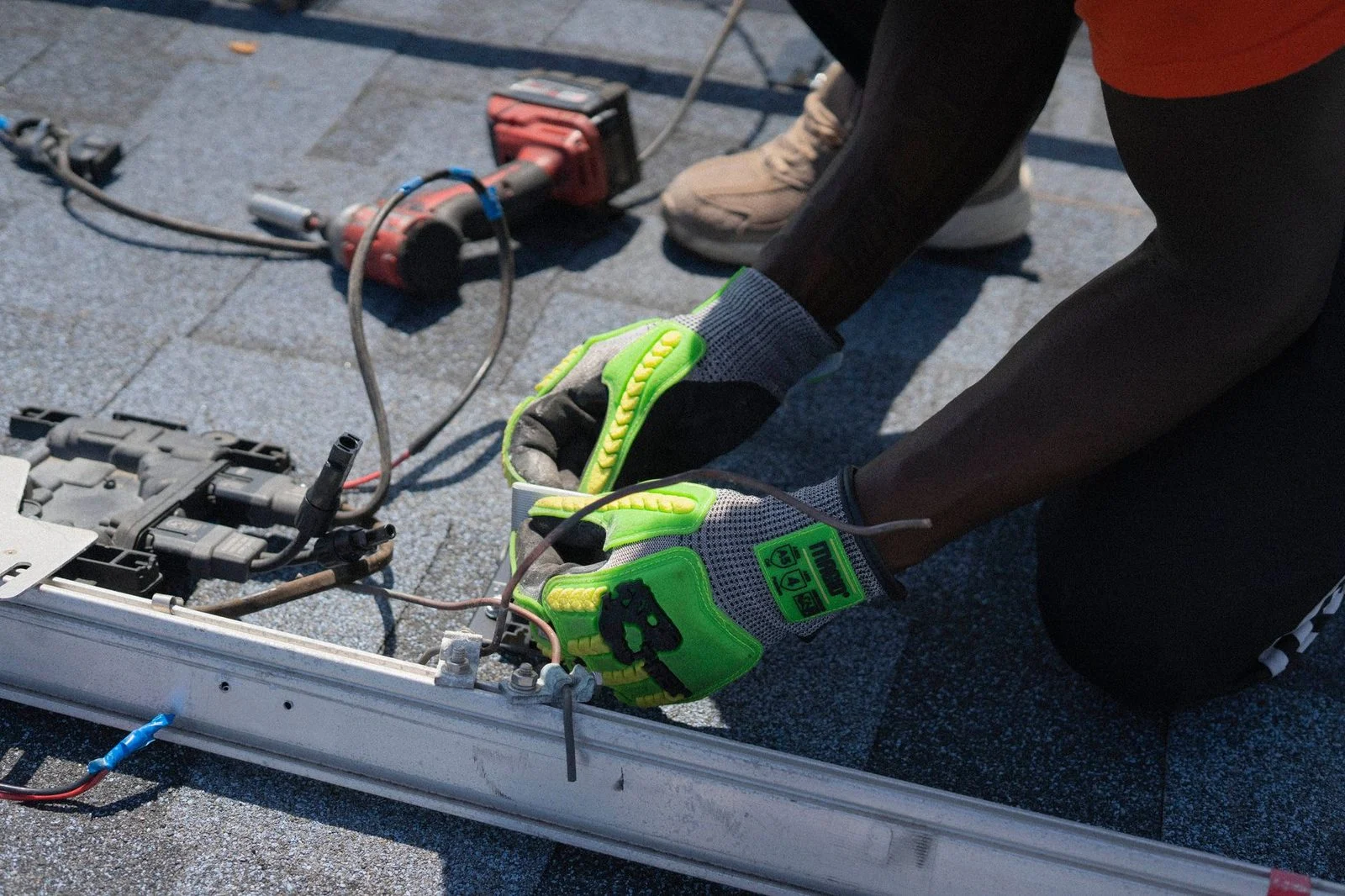
Sequencing changes the schedule. Roof work usually means the panels come off, get stored, and go back on the new roof. If the battery is already installed, the roof crew has to work around it.
Map the insurer’s deadline against a calendar. Work backward from the letter’s date. Put the inspection first, then the permit and roof work, then the panel reset and battery install.
How long a battery lasts is a separate question. It deserves its own review, so keep it apart from the roof decision.
What to Do in the First Week After the Letter
In the first week, save the original letter and write down every date it names. Your deadline drives the rest of the plan.
Next, gather roof records. Collect the installation date, any building permits, and invoices for past repairs. These show when the roof went on and what work has already been done.
If the letter follows a storm, check the claim clock.
Arrange a roof condition inspection, then compare its findings with what the letter requires.
If you later sign a roof contract tied to an insurance claim, read it closely.
Finally, write your questions for the estimate. Include roof age, inspection results, panel reset, battery placement, and timing.
Related Reading
For more on battery planning, look for our South Florida solar battery backup guide. Battery life is a separate question with its own review.
Impact windows and impact doors can matter in windstorm planning too.
Not sure what your next step is?
Talk it through with our team — the first consultation is free, confidential, and carries no obligation.
Talk Through Your Roof and Battery Plan With Our Team
If the letter has you stuck between replacing the roof and adding a battery, start with the roof’s condition. Our team can review it alongside your battery plan, so the order of work is clear before the insurer’s deadline. Request a free estimate. Your first consultation is free, confidential, and carries no obligation to continue.
Quick Answers
Can an insurer roof age letter lead to nonrenewal?
Florida law limits roof-age nonrenewals.
Do I need a permit to replace a roof?
Florida law generally requires a permit before repairing or altering a building.
How ASP Superhome Can Help
Review Your Roof's Condition
We look at the age, condition, and history of your roof so you understand where it stands before you make decisions.
Roof Repair or Replacement
From targeted repairs to full metal or tile roof replacement, we explain your options in plain terms.
Solar Battery Backup Planning
We discuss how solar panels and battery backup can be planned around your current roof and home.
Clear, Honest Conversations
Our team walks you through each option at your pace, with no pressure to commit.
Read Your Letter Before You Act
Keep the original letter, note any items it asks you to address, and make sure you understand what it requests before you schedule work or make changes to your policy.
Common Questions Homeowners Ask
Does a roof age letter mean I must replace my roof?
Every letter is different. Bring yours to a free consultation so our team can review what it says about your roof and your next steps.
Can I add solar battery backup first?
Many homeowners want to plan solar and battery backup alongside roofing work. We help you sequence the project around your roof's condition.
What about permits?
Florida law generally requires a permit before repairing or altering a building. We explain what your project may involve so you can plan ahead.
Is the first visit really free?
Yes. Your first consultation is free, confidential, and comes with no obligation to continue.


