


Tile Roofing | South Florida
Clean Your Tile Roof the Safe Way
Gentle methods and clear steps to help protect your tile roof from South Florida's heat, humidity, and storms. Talk with our team about a free, confidential, no-obligation first consultation.
By Jonathan Rodriguez · Published October 20, 2026
How Do I Clean My Tile Roof in Florida?
To clean a tile roof in Florida, use a low-pressure soft wash with a roof-safe cleaning solution. Protect the plants and surfaces below, and inspect the tiles before and after. High-pressure washing puts tile at the most risk.
So, how do I clean my tile roof in Florida without causing damage? This guide covers the steps, the common mistakes, and the signs that a wash alone won’t fix the problem. Maybe you inherited the roof, manage a rental, or noticed streaks and wondered what they mean. Either way, the goal is clean tile that stays sound.
If streaks, cracked tiles, or water in the ceiling have you wondering what comes next, you don't have to sort it out alone. We're glad to talk it through with you. Talk it through with our team — the first consultation is free, confidential, and carries no obligation.
Why do Florida tile roofs collect algae, mold, and mildew?
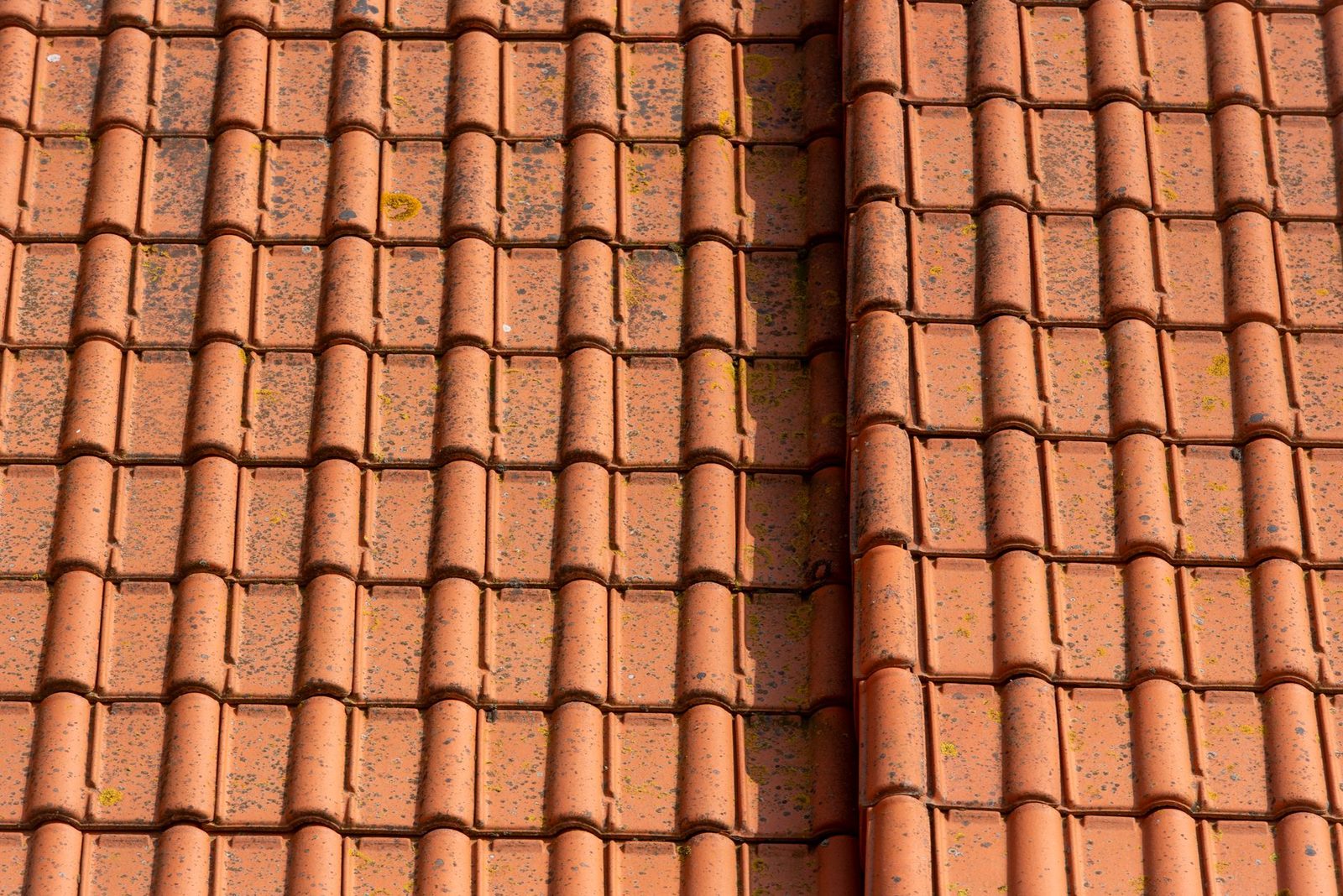
Florida’s heat, humidity, and frequent rain give algae, mildew, and mold the moisture they need to grow on roof tile. Tile itself holds up well here. Clay and concrete tile are among the roofing materials covered in the NRCA roofing materials guidance.
Most homeowners notice dark streaks or green and black staining first. Shaded and north-facing slopes hold moisture longer, so the staining can look uneven across the same roof. One side may look fine while another looks dirty.
Staining is mostly an appearance problem. Still, growth should be checked during cleaning. Growth can hide cracks or loose tiles, and those need attention. A quick look at the roof’s condition before any cleaning starts saves trouble later.
How do barrel tile and flat tile change the cleaning approach?
Barrel tile and flat tile need different handling, so the tile type should guide your method. Barrel tile has an S-shaped curve. That curve forms channels and crevices where leaves, dirt, and growth collect and stay wet.
Flat tile has a smooth, interlocking surface. Staining shows more clearly on flat tile. Water can also be pushed under the edges if the spray is too strong. Miami-Dade County’s Miami-Dade concrete tile approval documents a flat-profile, interlocking concrete tile system approved for specified Florida Building Code and High-Velocity Hurricane Zone applications.
Barrel shapes also come in metal. The Miami-Dade metal roofing approval covers Florida-approved metal panels that can be made in a barrel-tile profile. The tile’s material and condition matter as much as its shape. Older, brittle tile needs a softer touch than newer, sound tile. For a fuller comparison of tile materials, read a tile roof types guide.
Is pressure washing or soft washing safer on tile?
Soft washing is generally the safer method for tile. It uses a cleaning solution and low pressure instead of force. Pressure washing relies on a high-force spray to blast growth away.
Soft washing works in three parts. You apply a cleaning solution first and let it work. Then you rinse with low-pressure water. The solution does most of the lifting, so the water doesn’t have to.
This difference matters on tile. A soft wash lifts algae and mildew from the surface without driving water into the gaps. Soft washing takes more patience than a blast. It is less likely to leave the tile damaged, and that matters on a roof you plan to keep for years.
What are the risks of high-pressure washing on roof tiles?
High-pressure washing can crack, chip, or knock loose roof tiles. It can also force water under their edges. The risk grows on older tile, which can be brittle and less forgiving.
Water that gets under a tile can reach the underlayment, the water-resistant layer below the tile. Water that reaches that layer is a common route to leaks. The leak may not show up right away. It may appear inside the ceiling days or weeks later, often after a storm.
Repeated high-pressure cleaning can also wear away protective surface coatings. Once the coating thins, the tile is more exposed to sun, rain, and wind. Over time, that adds up.
A roof can look clean and still hide cracks or displaced tiles. Inspect the roof after any wash. If you find water entering the home, look into roof leak repair in Miami before the damage spreads.
What cleaner works safely on tile roofs?
Roof-safe cleaning solutions break down algae and mildew when used at the strength the product directs. Choose a product made for roofs. Follow the label on dilution and dwell time, and don’t guess.
Household bleach at full strength is a common home mistake. Undiluted bleach can harm nearby plants, siding, and metal fixtures, and runoff can carry it to them. Plan the path of the runoff before you start spraying.
Protect the area below before you begin:
- Wet down or cover landscaping, and move outdoor furniture and vehicles.
- Shield windows and doors, including openings near the roof edge.
- Plan how runoff leaves the roof, and rinse gutters and downspouts afterward so cleaner residue doesn’t sit in them.
Good protection takes twenty minutes of setup. It saves hours of cleanup and avoids damage to things you can’t easily replace.
Not sure what your next step is?
Talk it through with our team — the first consultation is free, confidential, and carries no obligation.
How do you clean a tile roof step by step?
Start with an inspection, then protect everything below, then wash with low pressure. Follow these steps in order.
- Check the roof and the ground. Note loose, cracked, or missing tiles. Look inside the home for active leaks or new ceiling stains.
- Protect the perimeter. Cover or wet landscaping, and move furniture, vehicles, and anything under the roof edge.
- Pre-wet with low-pressure water. Work in sections so the solution doesn’t dry on the tile.
- Apply the cleaning solution from the bottom up. Working upward keeps the solution from being pushed under tile edges. Use the strength and dwell time on the product label.
- Let the solution dwell, then rinse. Rinse with low pressure from the top down.
- Finish with a visual check. Look at tile condition, flashing, and gutters before you call the job done.
Each step is simple. Skipping the first one is the most common mistake, because it hides problems the wash will not fix.
Why is roof work risky to do alone?
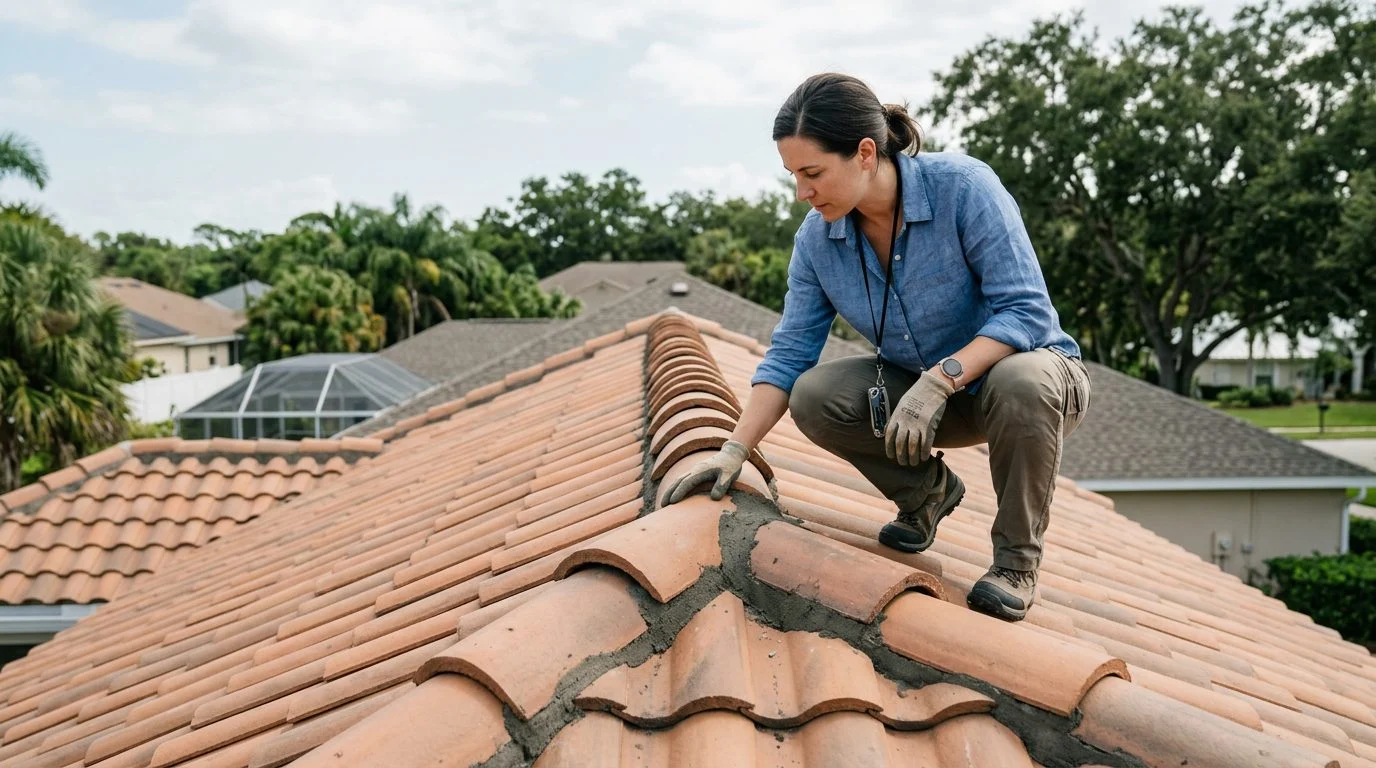
Roof work carries real fall risk, especially on steep, wet, or tile roofs. Walking on tile can crack it under weight, so one misstep can cause a fall and tile damage at the same time.
The Insurance Institute for Business & Home Safety’s IBHS Roof 101 overview describes residential tile roofing and steep-slope applications. Those are the settings where footing and load matter most.
Basic equipment for a cleaning job includes a stable ladder, fall protection, and low-pressure spray gear. Choose equipment that fits the roof’s pitch and height. Make sure the person on the roof can reach every area safely without overreaching.
Ground-level help matters too. A second person can handle the hose, steady the ladder, and call for help if something goes wrong. Avoid roof work during heavy storms or in high heat, when footing is less certain and fatigue sets in faster.
How often should you clean, and when is cleaning not the fix?
Cleaning frequency depends on the roof’s shade, its weather exposure, and how much growth is present. Cleaning removes growth. It does not repair cracked tiles, failed underlayment, or flashing problems.
Watch for signs that point past cleaning. These include recurring leaks, broken or sliding tiles, sagging areas, and water stains on the ceiling. These problems need a repair plan, not another wash.
Replacement is a bigger step. For background on roofing materials, see the NRCA roofing materials guidance. Anyone planning a switch to tile can talk through the roof’s structure with our team during a free first consultation, which is confidential and without obligation. Ask for that check before any tile goes on.
For proper tile-roof installation practices, the Tile Roofing Industry Alliance installation guides cover industry standards and code requirements. A tile roof types overview is also a useful next read.
When does a professional visit make sense, and how do you reach ASP Superhome?
A professional visit makes sense when a problem goes beyond the surface, or when you’re unsure what the marks mean. Maybe you inherited this tile roof, manage it for a rental, or noticed cracked tiles and water in the ceiling. You may not know what to do next.
An inspection before cleaning can catch what a wash would hide. A wash can make a roof look clean while cracks or lifted tiles stay out of sight. Checking first tells you whether cleaning is the right step at all.
Frequently asked questions
Can I use a pressure washer on my tile roof?
High-pressure washing can crack or dislodge tile and force water under the edges. Soft washing is generally the gentler method for tile.
What is the safest cleaner for a tile roof?
A roof-safe cleaning solution, used at the strength the product label directs, is the usual choice. Avoid full-strength household bleach, which can harm plants and metal fixtures.
Will cleaning fix a cracked tile or a leak?
No. Cleaning removes growth but does not repair cracked tiles or leaks. Those problems need a repair plan.
ASP Superhome offers a free first consultation, which is confidential and carries no obligation to continue. If you’re weighing your options for a tile roof in Miami or nearby South Florida, contact ASP Superhome to talk through your roof.
Why Gentle Cleaning Matters for Tile
Protects the Tile Surface
Concrete and clay tiles can chip, crack, or lose their protective surface under harsh pressure, so gentle methods are the usual choice.
Keeps Water Out
Tiles are designed to shed water in layers. Dislodged or cracked tiles can let moisture reach the underlayment and roof deck.
Removes Growth Without Damage
Algae, moss, and mildew hold moisture against the roof. Removing them with a suitable cleaning solution helps keep the surface in better shape.
Reads the Product Label
Roof-safe cleaners work best when used at the strength the manufacturer lists for the product and the roof type.
Warning: Avoid Pressure Washing and Bleach
High-pressure washing can crack tiles and force water under their edges. Full-strength household bleach can damage tile surfaces and nearby plants. Do not walk on a wet or steep tile roof without proper safety equipment. For a roof that needs careful attention, contact our team.
Safe Steps to Clean a Tile Roof
1. Inspect Before You Clean
Look for cracked, loose, or missing tiles, damaged flashing, and clogged gutters. Address structural problems before cleaning so nothing shifts under pressure.
2. Prepare the Area
Cover plants, windows, and outdoor fixtures. Rinse them with plain water and keep pets and children away from the work zone and the ground below.
3. Apply a Roof-Safe Cleaner
Use a cleaning solution made for roofs at the strength on the label. Apply it with a low-pressure sprayer or soft brush, working from the bottom of the slope upward.
4. Rinse Gently and Let It Dry
Rinse with low-pressure water, starting at the top and moving down so the water flows over the tiles. Clear debris from gutters and valleys as you finish.


