


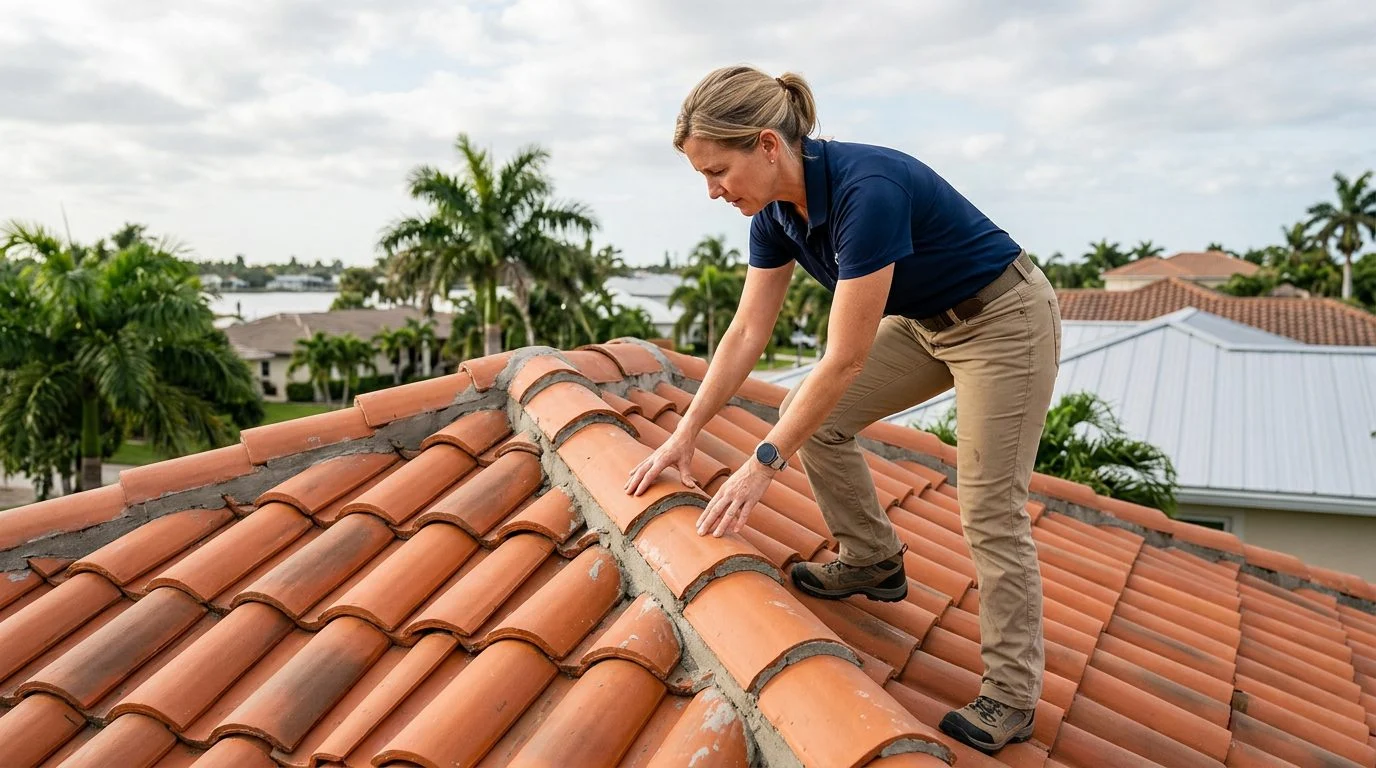
Tile Roofing | South Florida
Know What to Expect From Your Tile Roof Replacement, Step by Step
See how a tile roof replacement typically unfolds across South Florida, from the first inspection through final cleanup, and what shapes the schedule for your home.
By Jonathan Rodriguez · Published November 4, 2026
Most homeowners asking how long does it take to replace a tile roof want one number. A realistic answer is a range built from several steps. On a typical single-family home, the crew’s work on the roof is measured in working days. The full project runs longer because permits, materials, and weather come first. Here’s how the calendar breaks down for South Florida homes.
How Long Does a Tile Roof Replacement Usually Take?
The crew’s time on the roof is only part of the calendar. The full project runs from first contact to final inspection, and the early steps can take longer than the tile work itself. Think of it as two clocks. The first clock covers planning and permits. The second covers the physical work: tear-off, deck repair if needed, underlayment, tile, and cleanup. The first clock can run for weeks before a crew arrives. The second is what most people picture. Keep both in view when you plan, because the start date moves with the permit.
If your tile roof is cracked or aging and the work has to fit around your home and calendar, our team can walk through the timeline with you. Talk it through with our team — the first consultation is free, confidential, and carries no obligation.

The Phases That Make Up a Tile Roof Replacement
A tile roof replacement moves through seven steps, and each one finishes before the next begins.
Pre-project planning. Someone inspects the existing tile, measures the roof, and confirms materials. The crew’s start date gets set after the permit clears.
Permit and plan review. The City of Miami requires permits for residential roof repair or replacement.
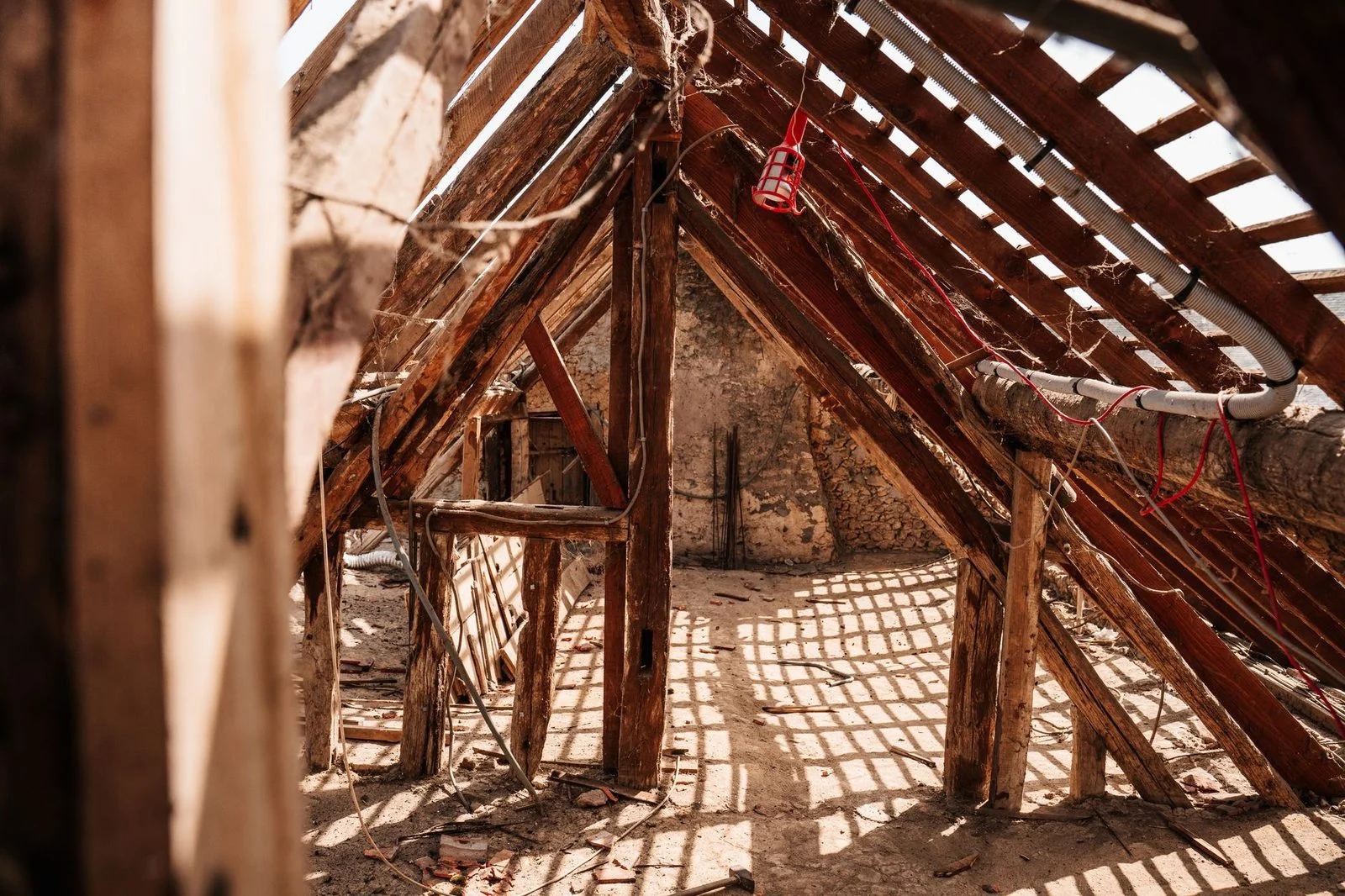
Tear-off. The old tile, underlayment, and flashing come off the roof.
Deck check. The crew inspects the roof deck, the base under the tile. Damaged sections must be repaired before new underlayment goes down.
Underlayment, flashing, and tile. The underlayment goes on first, then the flashing, then the tile. Hips, ridges, and rakes come last.
Cleanup and final inspection. Debris is removed, and the job is inspected before it is signed off.
What Changes the Timeline on a South Florida Tile Roof
Several factors can stretch or shorten the schedule. Roof size and shape come first. Hips, valleys, and roof penetrations add crew hours because each cut and flashing detail takes care.
- Tile type and weight. Heavier or more complex profiles take longer to handle and set. Homeowners often wonder whether an existing roof is suited to a new tile roofing system, and a professional assessment of the home can address that question for a specific property.
- Deck condition. Rotted or damaged sheathing found after tear-off must be repaired before underlayment goes down. This step can add days no one planned for.
- Weather. Afternoon storms and high winds are common in South Florida. Crews must protect exposed decking when storms arrive, which pauses the work.
- Permit and inspection timing. Schedules vary by city and county, so the local permit office sets part of your calendar.
Tear-Off or Overlay: How the Choice Affects the Schedule
A full tear-off adds removal and disposal time, but it lets the crew inspect and repair the deck directly. (Florida Building Commission analysis, R908.3) That makes the deck check a schedule-critical step. If the deck isn’t adequate, the recovering path may not work, and the calendar changes with it.
A second rule can change the scope. For an existing roofing system built, repaired, or replaced to the 2007 Florida Building Code or a later edition, the code requirements that apply to a repair, replacement, or recovery depend on the extent of the work, so they should be reviewed for each project. The rule applies to roofs built, repaired, or replaced under the 2007 code or later editions.
Underlayment and Florida Product Approval Add Steps to the Schedule
Underlayment goes down before the tile, and Florida keeps roofing products under a statewide approval system. Fla. Stat. § 553.842 lists roofing among the product categories that must be approved statewide. Confirm material approval before the crew arrives, and put that check on the calendar.
The Florida Building Commission’s summary of changes for the 2026 edition of the state’s residential building standards notes that a section was revised to require the protective sheet beneath the roof covering to lap over hips and ridges a minimum of 6 inches, except where ventilation openings are provided.
Related Questions: Install Time and Roof Age
Install time depends on the factors above, so a site inspection gives the most useful estimate for a specific roof. Roof age is one input among several. Homeowners also weigh condition, active leaks, and inspection findings. Citizens Property Insurance Corporation’s inspection page lists documentation of remaining useful life among its requirements for older roofs (Citizens inspections).
How long does it take to install a new roof?
It depends on roof size, tile type, deck condition, and weather. A site visit gives the closest estimate for your roof.
Should a 20-year-old tile roof be replaced?
Age alone doesn’t decide it. An inspection of the tile, deck, and flashing gives you the facts to weigh.
Not sure what your next step is?
Talk it through with our team — the first consultation is free, confidential, and carries no obligation.
Planning Around the Work at Your Home
Plan for noise, debris, and crew traffic on tear-off days. Move cars out of the driveway so the crew has room. Secure patio furniture, grills, and trash cans. Cover plants and landscaping near the walls where debris falls. Keep pets and children away from the work area for the day.
Roofing carries serious fall and other hazards, so keep people and animals well clear of the roofline and the dumpster (OSHA roofing hazards guidance). Expect some noise inside the home and some dust around tear-off. Plan work hours and travel around the noisiest days. A written phase schedule helps the household plan around each stage.
Talk Through Your Tile Roof Timeline With Our Team
If your tile roof is cracked or aging, and the work has to fit around your home and calendar, our team can walk through the timeline for your roof. Our first consultation is free, confidential, and comes with no obligation to continue (consulta inicial gratuita, confidencial y sin compromiso). Request a quote and we’ll map out the phases for your home.
The Main Phases of a Tile Roof Replacement
1. Inspection and Estimate
A site visit checks the existing tile, underlayment, deck, and flashing. This step sets the scope of work and gives you a written estimate to review.
2. Materials and Preparation
Tile selection, material ordering, and any required paperwork come next. Lead times vary by tile style and availability, so this phase can run for days or several weeks.
3. Tear-Off and Deck Repairs
The old tile and underlayment are removed so the crew can inspect the roof deck. Any soft or damaged decking is addressed before new materials go down.
4. Installation and Final Walkthrough
New underlayment, flashing, and tile are installed, followed by a cleanup and a final review of the completed roof with you.
What Shapes Your Timeline
Roof Size and Pitch
Larger or steeper roofs take more labor and more careful handling of each tile course.
Tile Type
Concrete and clay tiles differ in weight, availability, and installation steps, which can change the schedule.
Deck Condition
Repairs to the roof deck or structure can add time, which is why an inspection comes before a schedule is set.
Weather
South Florida's rainy season and tropical storms can delay work, so the crew watches the forecast closely.
Don't Wait for Visible Damage
Cracked, slipping, or missing tiles and recurring leaks are signs your roof needs a closer look. Waiting can allow water to damage the deck and interior, which may make the job larger and slower.
Questions to Ask Before Work Begins
What is the estimated start date?
Ask how the schedule depends on material availability and weather, and how changes will be communicated.
What is covered in the estimate?
Confirm what is included, such as tile removal, underlayment, flashing, and deck repairs found during the job.
How is cleanup handled?
Find out how debris is removed and how the work area is protected during the project.


