


Tile Roofing | South Florida
Know What Drives Your Roof Tile Replacement Cost
Scope, tile type, roof size and pitch, and job fees all shape the price. Here is how to read the numbers before you commit.
Start With a Free Consultation
Free
First consultation
Confidential
Your details stay private
No Obligation
Decide at your own pace
By Jonathan Rodriguez · Published October 27, 2026
The short answer: How much do roof tiles cost to replace? It depends on the scope of the job, the tile type, the roof’s size and pitch, and the fees tied to the work. Replacing a few cracked tiles costs far less than replacing a whole tile roof. This guide explains what drives the price in South Florida and how to read an itemized estimate.
What Replacing Roof Tiles Usually Involves
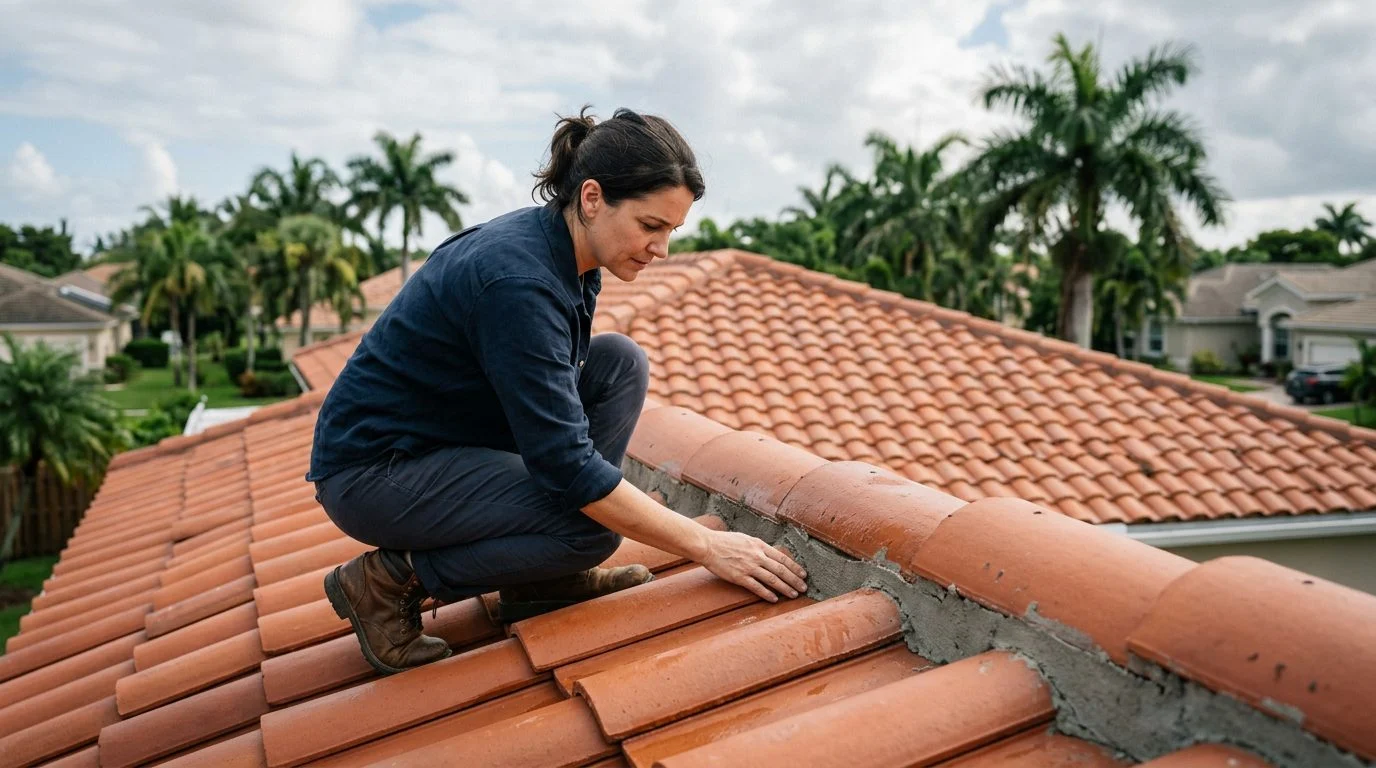
Most tile jobs fall into one of two scopes: a small repair or a larger replacement. A small repair usually means swapping a few cracked, slipping, or missing tiles. This often follows a windy storm that loosens a few pieces. A larger job replaces a section of the roof or the entire tile roof.
Scope drives the price more than any other single choice. A tile roof is a system, not just tiles. Underlayment acts as a water barrier beneath the tile. Flashing seals edges and openings. Fasteners hold everything in place. Each part affects the work and the final bill.
The Insurance Institute for Business & Home Safety describes residential tile roofing materials and common steep-slope installations. For a wider look at the material, read our tile roofing guide for South Florida.
Keep in mind that the answer changes with the roof’s size, its condition, and the tile type. Two homes on the same street can have very different bills.
If storm damage or worn tiles have you weighing your options, our team can walk through what your roof may need, starting with a site-specific estimate. Talk it through with our team — the first consultation is free, confidential, and carries no obligation.
Factors That Drive Roof Tile Replacement Costs
Roof size, pitch, tile weight, access, and local labor drive most of the price. Roofers measure in squares, where one square equals 100 square feet of roof area. Quotes may be given per square or per square foot, so ask which unit the estimate uses. The National Roofing Contractors Association explains that roofing standards provide measurement methods for comparing roofing products and systems.
Pitch matters too. A steeper roof needs more safety equipment and slows the crew. Tile weight matters as well. Heavy tile can raise questions about the structure underneath, so a structural check may come before work starts.
Access adds time. Multi-story homes, complex rooflines, and penetrations like vents and skylights all need extra care. Each penetration needs its own sealing work.
Labor is the last big driver. Labor pricing reflects local demand, so two quotes for the same roof can differ. Miami-Dade County’s 2023 Florida Building Code roofing changes address High-Velocity Hurricane Zone requirements, including for metal roof installation. Ask about code rules like these at the estimate stage.
Tile Roofing Costs by Material and Style
Tile material changes what you pay for the tile and how much labor it takes to set it. Each material also brings different structural questions.
Concrete tile is common on South Florida homes. Many concrete profiles copy the look of clay. Concrete is heavier than some alternatives, so the roof’s structure matters.
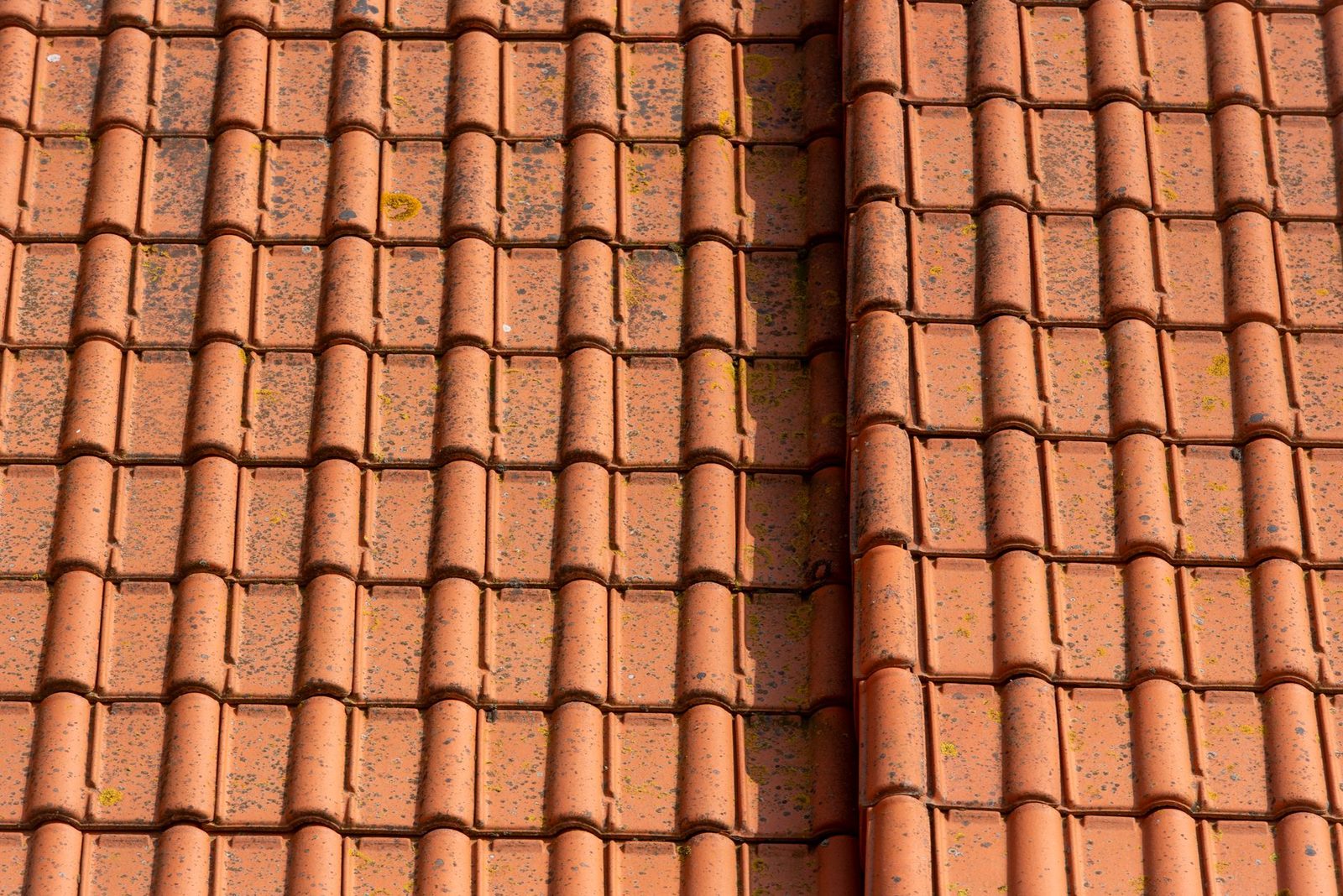
Clay and terracotta tile includes Spanish-style and barrel profiles. The curved shape affects how each piece is cut and set. If you’re weighing barrel tile, see our barrel tile roof replacement guide for Boca Raton.
Lightweight synthetic tile includes products such as Brava-style tiles. These weigh less than concrete or clay, which can change the structural check. Contact our team for a free first consultation, which is confidential and carries no obligation to continue.
The material choice changes two bills at once. The tile itself is one. The labor to handle, cut, and set that tile is the other. Ask for each material on its own line.
Labor, Underlayment, Flashing, and Other Fees
A low headline number often leaves out tear-off, underlayment, and flashing. Tear-off removes the old tiles and underlayment. Disposal covers the debris. Both add to the bill, and both are easy to miss when a quote shows only the new tile.
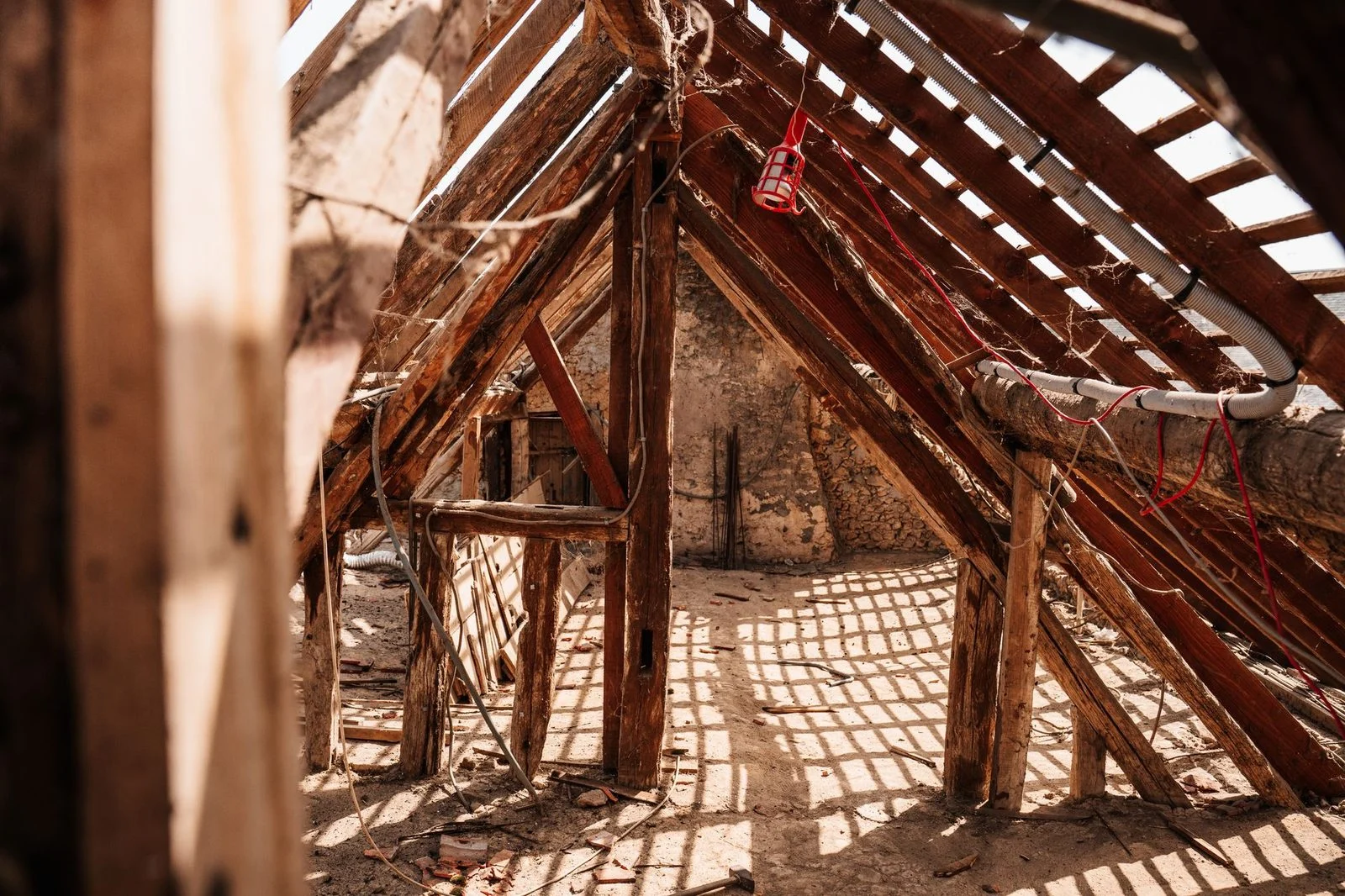
Underlayment is the water barrier under the tile. Replacing it is a cost many homeowners overlook. Flashing, valleys, and ridge caps need their own work. Sealing at vents, skylights, and chimneys also takes labor and materials.
Permits and inspections add their own costs. Under Fla. Stat. § 553.79, inspection fees may not be based on the total cost of a project. They also may not exceed the actual inspection costs the local enforcement agency incurs.
The roof code can also shape the scope. Ask how this rule applies to your roof.
How Long Tile Roof Repair and Replacement Takes
A few tile repairs usually take much less time than replacing a section or a whole roof. Timing depends on the scope. A handful of tiles can often be swapped in a short visit. A full tile roof takes longer because old tile comes off, underlayment is replaced, and new tile is set piece by piece.
Several things can stretch the schedule. Roof size and access matter. Weather matters, since wet or windy days can halt work. Crew scheduling and inspection timing matter too. Ask for a timeline in writing that covers each stage.
Florida law also sets a start period for contractors. Florida’s residential licensing law, found at the state’s official legislative site, requires that when an initial deposit exceeds 10 percent of the agreed price for home repair or improvement, work must begin within 90 days after all required approvals are issued, unless the builder has just cause for a delay or the customer agreed in writing to a longer timeline. Fla. Stat. § 489.126 reads: “Apply for permits necessary to do work within 30 days after the date payment is made, except where the work does not require a permit under the applicable codes and ordinances, and.”
Tile Roof Replacement Compared with Shingle Roofs
Tile roofs usually cost more than shingle roofs covering the same area. Tile is heavier and often takes more labor to handle and set. Each tile piece is placed individually, and the underlayment and flashing details add time.
Compare the full scope, not the tile alone. If you are planning a shingle roof, contact our team to confirm what your roof area’s scope includes, such as tear-off, underlayment, and flashing. Our shingle roof cost guide for Florida covers that comparison in more detail.
Lifespan also shapes the choice. Plan around the roof’s age and condition when you decide between repair and replacement. Our guide on how often a roof needs replacing in Florida explains those timing factors.
Insurance may matter too. The Florida Office of Insurance Regulation states that homeowners coverage depends on the policy form and on covered or excluded perils, and that storm-related damage may be covered.
Not sure what your next step is?
Talk it through with our team — the first consultation is free, confidential, and carries no obligation.
How to Read a Tile Roof Estimate
A clear estimate lists each part of the job on its own line. Look for the tile type and quantity first. Then check underlayment, flashing, tear-off, disposal, labor, and permits. Each line should say what it covers.
A single total with no detail makes comparison hard. Ask a few plain questions. Which tile brand and profile is quoted? Is the underlayment replaced, or only patched? Are flashing and ridge caps included? Who pulls the permits, and which inspections are planned? Is disposal of the old tile included?
Contact our team to request a written, itemized estimate that outlines the scope of your project line by line. Two quotes can look far apart at the top, yet one may leave out tear-off. Line-by-line detail shows what each price includes. Ask that square footage be measured the same way on every quote.
Talk With Our Team About Your Tile Roof
If a storm left tiles cracked or slipping, or your roof looks worn, you may be weighing costs right now. Some people research this for a parent, or for a rental home they manage. You don’t have to sort out the scope and fees on your own.
Our team can look at your roof, your tile type, and your goals. Then we’ll walk you through an itemized estimate for your specific roof. Our first consultation is free, confidential, and carries no obligation to continue. Request your estimate when you’re ready.
The Four Main Cost Drivers
Scope of the Job
A few cracked or slipped tiles is a small repair. Replacing a large section or the full roof costs considerably more in materials and labor.
Tile Type and Weight
Clay and concrete tiles differ in material cost, weight, and installation needs. The product you choose changes the price per square.
Roof Size and Pitch
Larger roofs need more materials and time. Steeper pitches are harder to work on safely, which affects labor.
Underlayment and Fees
Underlayment, flashing, disposal, and job fees can add to the total. Ask for each line item to be shown separately.
How to Read an Itemized Estimate
Check the Scope
Confirm whether the quote covers a repair, a partial replacement, or a full tile roof replacement.
Look for Hidden Line Items
Note any fees for debris removal, access, or structural repairs so the final cost has no surprises.
Ask Questions Early
A clear conversation at the start helps you understand what the price covers and what it does not.
Tip: Do Not Judge a Quote by the Total Alone
Review the details first.


