


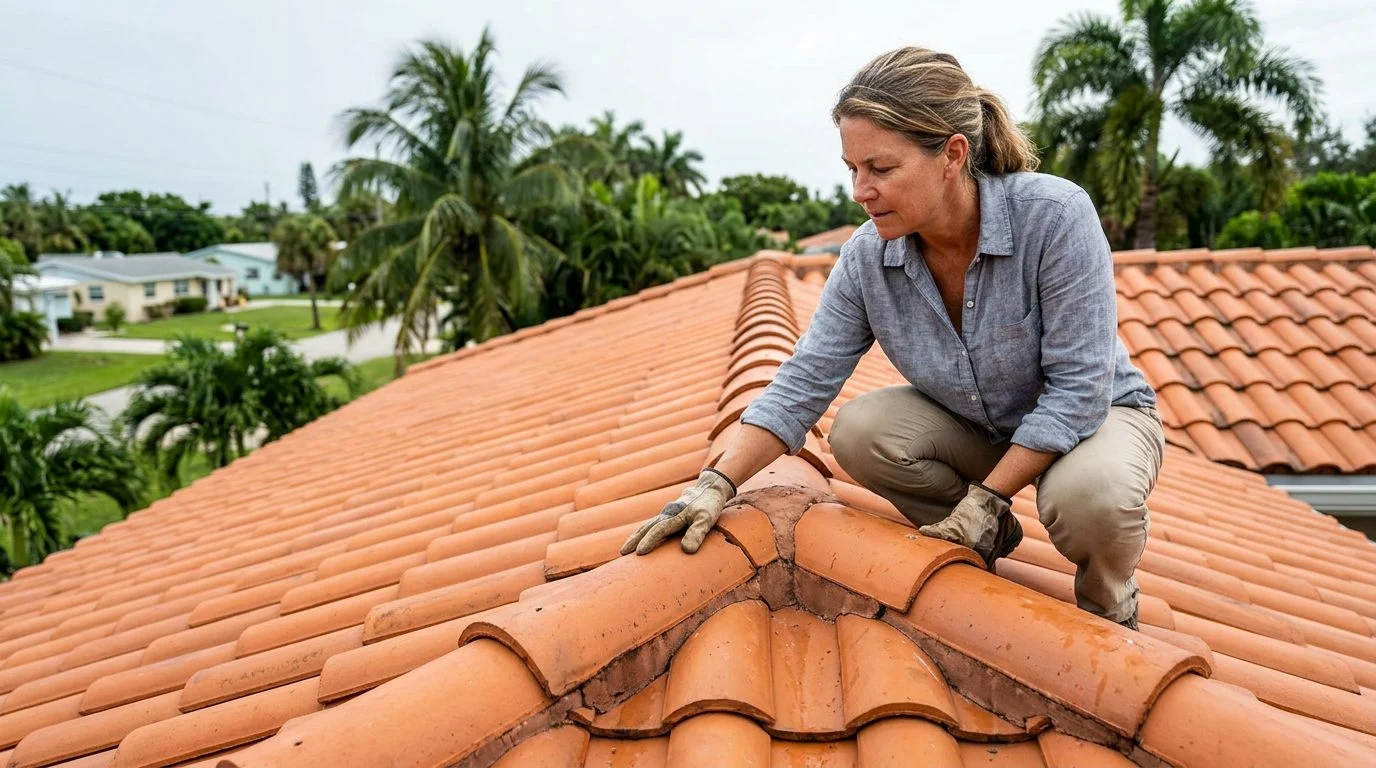
Tile Roofing | South Florida
How Many Years Does a Tile Roof Last in South Florida?
Tile can be one of the longest-lasting roofing materials in the region, but its lifespan depends on the tile type, the installation, and how well the roof is cared for. Here is what affects it and how to tell where your roof stands.
By Jonathan Rodriguez · Published October 18, 2026
How many years does a tile roof last?
A tile roof can last many years, but no single number fits every home. Its life depends on the tile, the layers beneath it, and the conditions it faces. Tile is often the most durable part of the roof, so the real measure is how well the whole system works.
Sources give very different figures. Some cite very long lifespans for clay tile. That is an upper-end claim, not a promise for your roof. NRCA roofing materials guidance describes clay and concrete tile roofing, including its durability and its use in Florida.
For the basics of tile roofing in the region, start with our tile roofing guide for South Florida.
If you're worried about an older tile roof after a storm or a recent purchase, our team can look at its condition with you. Book a free, confidential first consultation, with no obligation to continue. Talk it through with our team — the first consultation is free, confidential, and carries no obligation.
Can a tile roof last 50 years?
A tile roof can reach the long end of its range, but only when the whole system stays sound. Whether a particular roof gets there is a question an inspection of that roof answers.
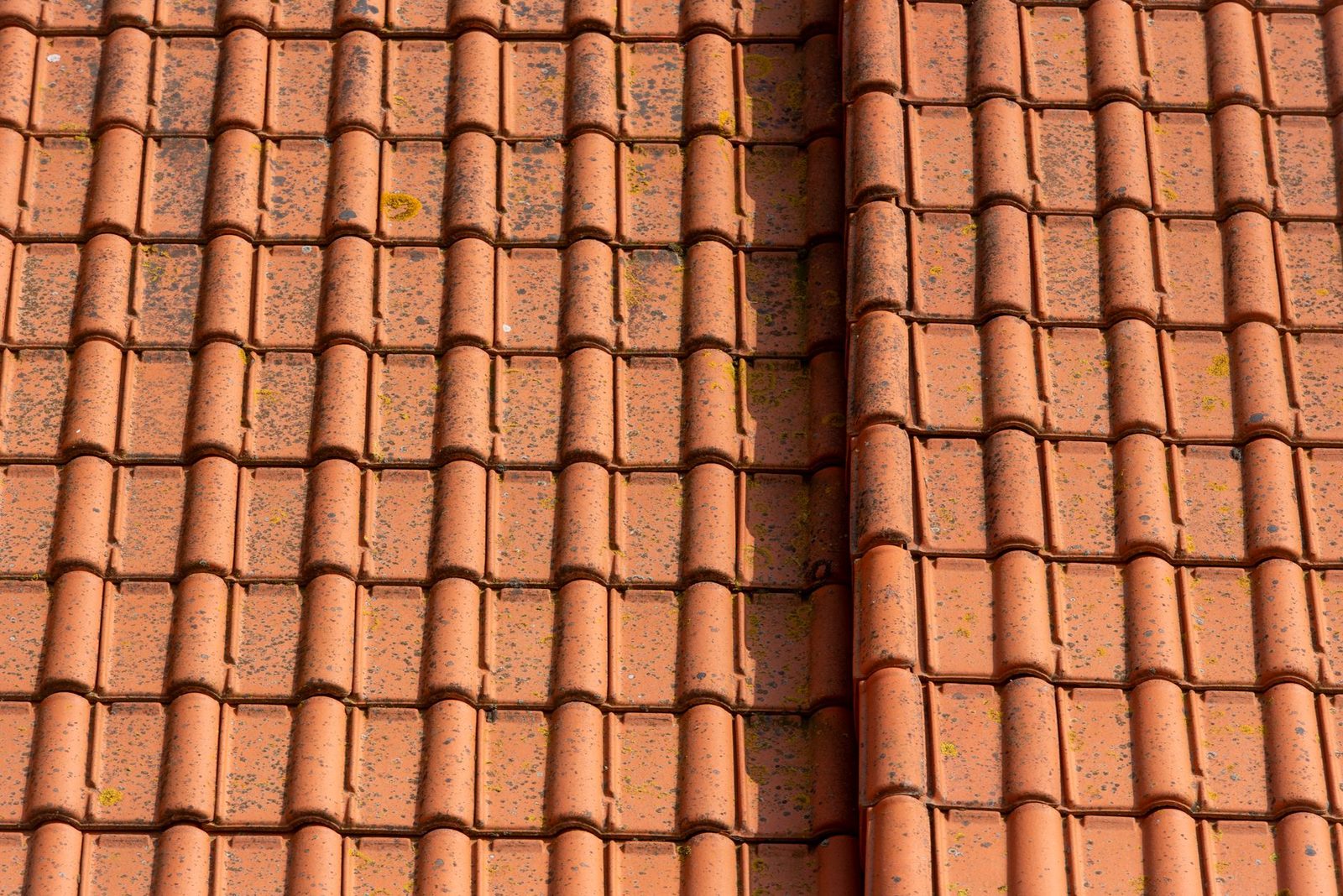
Several parts have to be right. The underlayment, the water barrier under the tile, must stay sound. The fasteners must hold the tile and the roof deck. The tiles must stay intact and interlocked. Water must drain off the roof cleanly.
The tile can outlast the parts beneath it. That is why a roof in its later years still needs checking. Water can get past a worn underlayment or loose flashing while the tiles still look fine from the ground.
Installation matters too. The Tile Roofing Industry Alliance installation guides cover proper tile-roof installation practices and acceptable methods for high-wind applications in Florida. They show what a sound installation involves.
Clay vs. concrete tile: how material affects lifespan
Clay and concrete tile are both long-lasting, but the specific product and its installation count as much as the material name. Each has its own weight and wear pattern. Both are heavy, so the structure must be able to carry them.
Clay barrel tile is made from natural clay that is fired. It is typically heavier than many other roofing materials. Concrete tile is made from cement and sand. It is also heavy, and it is often grouped with clay when people talk about lifespan.
Grouping them is useful, but it hides real differences. The manufacturer, the finish, and the tile profile all affect how the roof performs over time. NRCA notes that a building’s structural load capacity should be verified when another roof covering is replaced with tile. If you’re comparing pricing for concrete tile, see our guide to whether concrete roof tiles are the cheapest option.
What shortens or extends a tile roof’s life in South Florida?
Wind, heat, salt air, and standing water are the main local factors that wear on a tile roof. Each one targets a specific part of the system, so each one is worth understanding.
Wind uplift tests the fastening and the tile interlock. Wind ratings and the installation method both matter. For site-built, single-family residential structures, Florida law requires that a roof replacement incorporate the techniques specified in the subparagraphs numbered 2 and 4 under paragraph (2)(b) of Fla. Stat. § 553.844.
Heat and sun exposure age the underlayment and sealants over time. Good ventilation helps. Salt air near coastal areas such as Fort Lauderdale, Boca Raton, and Naples can corrode metal fasteners and flashing. Afternoon storms and clogged gutters can leave water sitting against the roof. Miami, Kendall, West Palm Beach, and Fort Myers each face their own mix of these factors, so the conditions on your property matter most.
Installation, underlayment, and maintenance
Installation quality and the underlayment beneath the tile often decide how long a tile roof performs. Flashing, fastening, and tile alignment at valleys, penetrations, and eaves all carry weight. A small error at one of these points can cause a leak that spreads.
The underlayment is often the first part to age. It sits under the tile, so no one sees it from the ground. Tile can look intact while the water barrier below it has started to fail. This is the main reason a tile roof needs more than a visual check from the yard.
The IBHS Roof 101 guide describes residential tile roofing materials, steep-slope applications, and common tile installations. It is a useful starting point for understanding how these parts fit together.
Routine maintenance helps. Clear debris from the roof and gutters. Check tiles after storms. Inspect flashing, and keep gutters draining. Watch for cracked or slipping tiles, loose ridge caps, staining or soft spots inside the home, and sealant that has failed around roof penetrations.
Common misconceptions and trade-offs about tile roofs
Tile roofs are durable, but they are not maintenance-free. The most common myth is that a tile roof lasts forever. It does not. It needs inspection and repair like any other roof.
Tile has trade-offs. It is heavy, so the home’s structure must carry the load. It can crack under foot traffic, so walking on it should be limited and careful. Its upfront cost is higher than many alternatives. For a cost breakdown, see our page on how much it costs to replace a tile roof on a 2000 square foot house.
Asphalt shingles are another common choice. They wear differently from tile. Neither material is universally better. The right fit depends on the home, its structure, its exposure, and the budget.
Not sure what your next step is?
Talk it through with our team — the first consultation is free, confidential, and carries no obligation.
How often should a tile roof be replaced?
Replacement timing follows the roof’s condition, not a fixed calendar date. A roof can keep serving well past a typical range while it needs targeted repairs.
Florida insurance law also uses roof age in specific ways.
Signs that point toward full replacement include widespread tile damage, failed underlayment, recurring leaks, and structural concerns. Isolated damage can often be handled by targeted repair. Our tile roofing overview explains the range of services involved.
Key takeaways and next step
Tile roofs are commonly described as long-lasting. The real answer depends on the material, the installation, the underlayment, the climate exposure, and how well the roof is maintained. Aging signs deserve attention early.
If you’ve inherited a home with an older tile roof, bought one where the roof’s remaining life matters, or found cracked tiles after a recent storm, you may be weighing a decision you didn’t plan for. You don’t have to work through it alone. Our team can look at your roof’s condition and the facts that matter for it. Book a free, confidential first consultation, with no obligation to continue, through our contact page.
Frequently asked questions
How long does a tile roof last?
Lifespan depends on the tile type, installation, underlayment, and climate. Published figures vary widely, so an inspection is the best way to learn about your roof.
Do tile roofs need maintenance?
Yes. Tile needs periodic inspection, debris clearing, and flashing checks, even though it is durable.
What Shapes the Lifespan of a Tile Roof
Tile Type
Concrete and clay tiles differ in weight, density, and how they handle moisture and impact, which affects how long they hold up.
Underlayment and Installation
The water barrier beneath the tiles and the quality of the installation often matter as much as the tile itself.
Wind and Storm Exposure
South Florida's hurricane-season winds, wind-driven rain, and debris can loosen tiles and stress flashing over time.
Sun, Heat, and Salt Air
Intense UV, daily heat cycles, and coastal salt air wear on sealants, fasteners, and metal components.
Warning Signs to Check Now
Cracked or slipping tiles, granules in gutters, staining on the ceiling, and daylight visible in the attic are signs that water may already be getting in. Small problems caught early are usually less costly than the damage they can cause.
Keeping a Tile Roof in Good Condition
Inspect Regularly
A periodic inspection, especially after storm season, helps identify loose, cracked, or displaced tiles before they lead to leaks.
Clear Debris
Leaves, palm fronds, and other debris can trap moisture and hold it against the roof surface. Clearing them keeps water moving off the tiles.
Check Flashing and Sealants
Flashing around vents, chimneys, and valleys is where leaks often start. Checking these areas helps protect the underlying structure.
Plan Repairs Early
Addressing a single damaged section promptly is generally more manageable than waiting until water has spread into the decking or interior.
Not Sure How Much Life Your Tile Roof Has Left? Start With a Free Consultation.
Related practice areas
- Metal Roof Cost for a 2000 Sq Ft Home in Florida


