


Roofing | South Florida
How Long Does a 30-Year Shingle Roof Really Last in Florida?
A 30-year rating is a useful starting point, but Florida's heat, humidity, and storms affect how long your roof performs. Here is what shapes the result.
By Jonathan Rodriguez · Published November 4, 2026
How Long Does a 30-Year Shingle Roof Last in Florida?
A 30-year shingle roof in Florida often serves for less time than its label suggests. The 30-year number is a manufacturer rating, not a promise. Florida’s heat, sun, humidity, storms, and salt air all shorten or extend a shingle roof’s life.
If you’re reading this after a leak, a storm, or while helping a parent look at an aging roof, you’re in the right place. Here’s what the rating means and what really shapes a roof’s life in South Florida.
If a leak or storm has you wondering how much life your roof has left, our team can talk it through with you, with no pressure. Talk it through with our team — the first consultation is free, confidential, and carries no obligation.
How long does a 30-year shingle roof typically last in Florida?
In Florida, a 30-year shingle roof can serve for less than 30 years, and the exact span depends on the roof. The 30-year figure is what the manufacturer rates the shingle to do. It’s a product label, not a forecast for your house.
Think of the rating as a starting point. A roof’s performance depends on how it was installed, how the attic breathes, how it’s been maintained, and how hard the sun and weather work on it. Two roofs with the same shingle can age very differently on the same street.
So the honest answer is a range shaped by conditions, not a fixed number.
Why Florida’s climate can shorten shingle life
Florida’s climate shortens shingle life mainly through sun, heat, moisture, wind, and salt air.
Sun and heat. Strong sun breaks down asphalt and the granules that shield it. Once granules wear away, the asphalt ages faster. Daily heating and cooling also make shingles expand and contract. Over time, that can cause curling, cracking, and loss of flexibility.
Moisture. Humidity and frequent rain keep shingles damp. Algae can grow on them. When ventilation is weak, moisture can reach the roof deck and cause rot.
Storms. Hurricane-season winds and wind-driven rain test seals and nailing points. A roof can look fine after one storm and still have loosened parts.
Salt air. Near the coast, salt speeds corrosion of metal parts. Coastal location is one factor the 2026 Florida Building Code takes into account when setting requirements, and the requirements that apply to a specific project depend on its location and design. Homes in coastal areas such as Boca Raton, Fort Lauderdale, Naples, or Fort Myers may be affected by this factor, and our team can talk through how it applies to your property.
Factors that move a shingle roof’s lifespan up or down
Installation quality and attic ventilation carry a lot of weight in how long a shingle roof lasts.
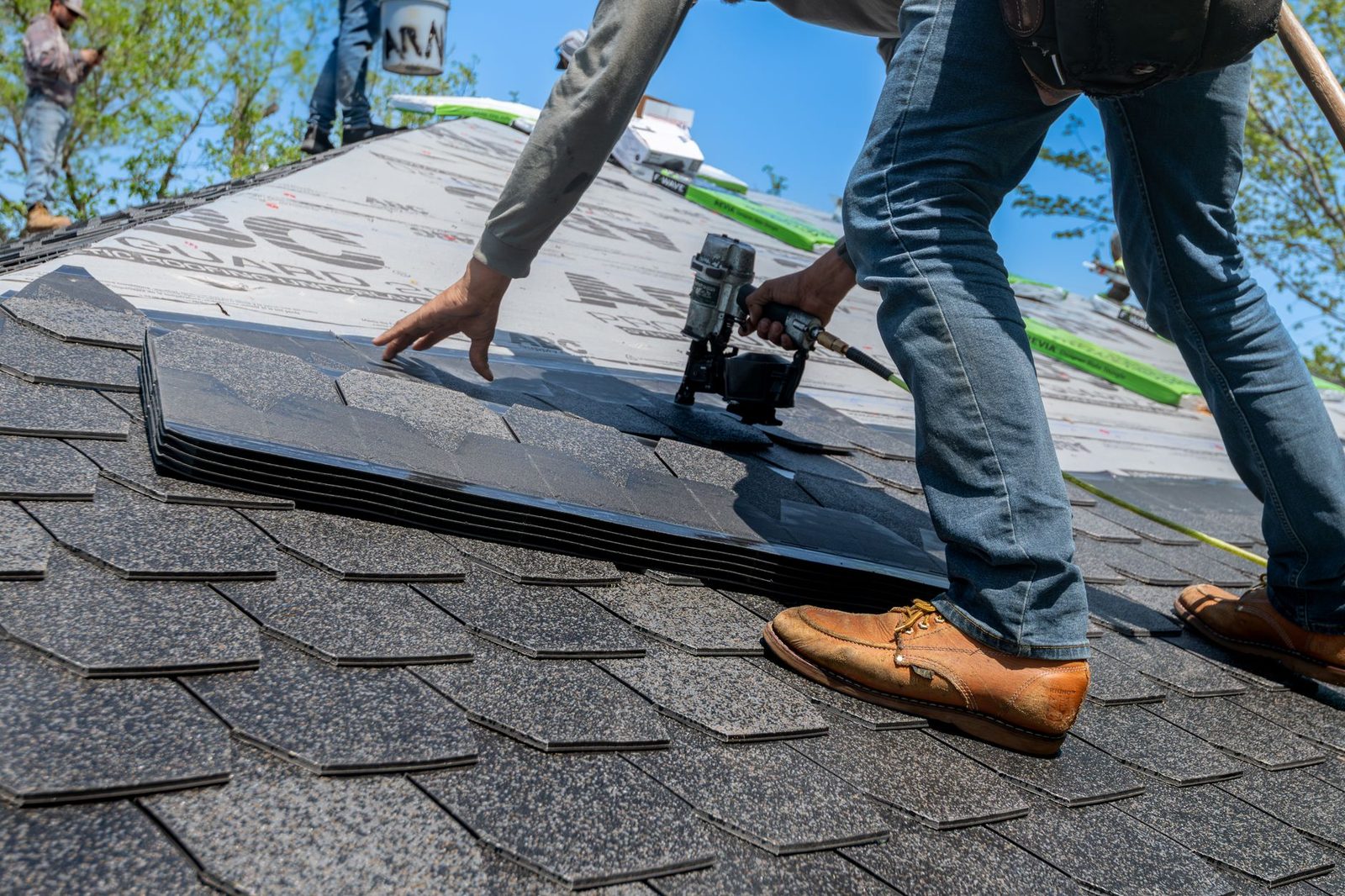
Installation. Nailing pattern, underlayment, and flashing around vents, chimneys, and valleys all matter. The 2026 residential code changes require underlayment to lap over hips and ridges at least 6 inches, except where ventilation openings are provided.
Ventilation. The same code update adds a requirement for intake and exhaust vents for attic and enclosed rafter spaces. Good airflow helps move trapped heat out from under the deck. Heat that stays in the attic ages shingles from below.
Wind resistance. Wind performance of roofing components, including hip and ridge shingles, is one factor that local building requirements address, and the requirements for a given roof depend on its location and design.
Recovering over an old roof. The 2026 code changes for recovering require the existing or repaired substrate to be adequate for the new covering.
Permits. In Miami, City of Miami permit rules require permits for residential roof repair or replacement. Timing varies from project to project, and our team can explain what to expect at each step.
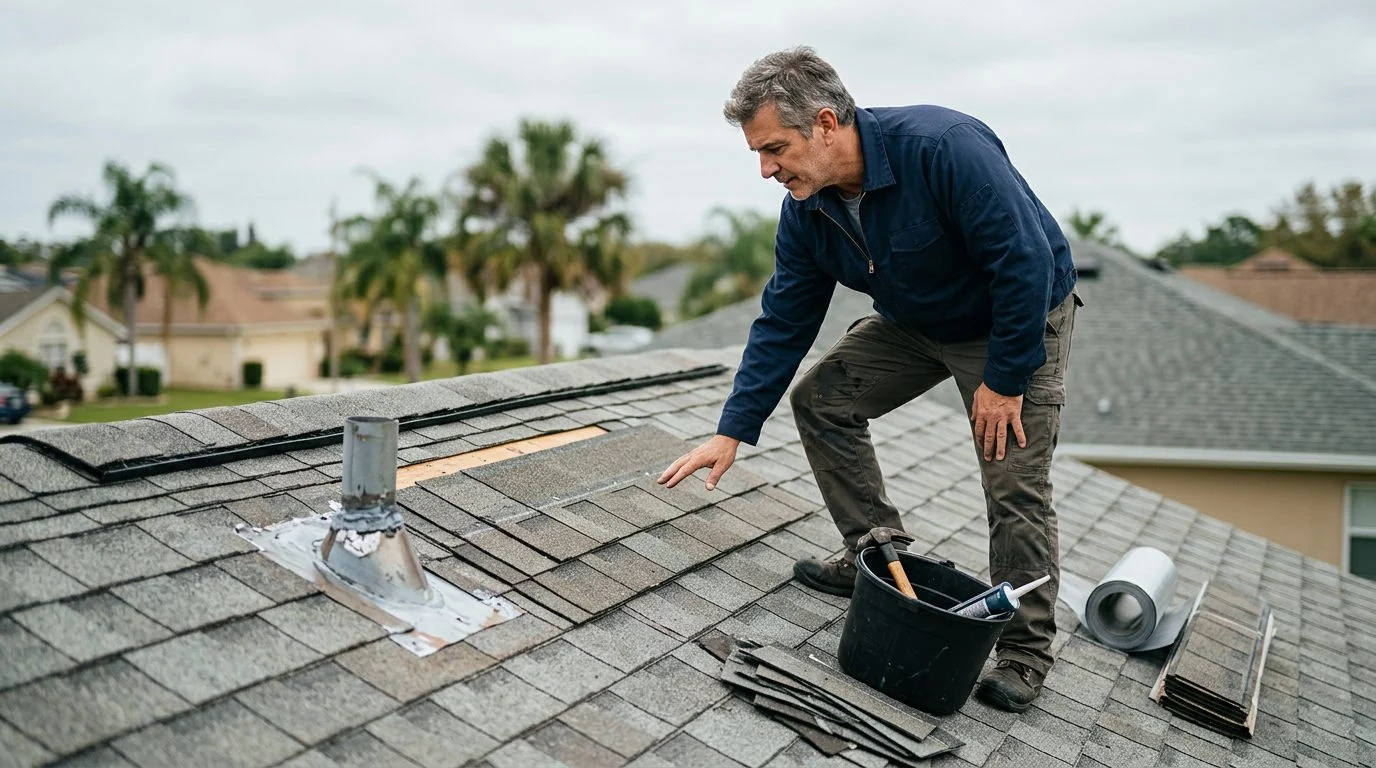
Maintenance. Clear debris from gutters, trim branches that rub the roof, and fix small leaks quickly. Small problems often grow when water finds its way into the deck.
Warning signs that a shingle roof is nearing the end of its service life
Granule loss, curling shingles, and interior stains are the clearest signs a shingle roof is aging out.
- Granule loss. Dark grit in gutters or at downspout outlets means the protective layer is wearing away.
- Curling or buckling. Edges that lift or cup, especially on sun-facing slopes, point to heat-related wear.
- Cracks or missing shingles. Damage after storms or high winds can expose the layers below.
- Dark streaks. Algae staining can signal moisture held against the roof.
- Interior clues. Ceiling stains, a musty attic smell, or daylight showing through the decking mean water is already getting in.
One sign alone may be minor. Several signs together, or any leak after a major storm, mean it’s time for a roof inspection. Catching problems early often leaves more repair options open.
How shingles compare with tile and metal roofs in South Florida
Shingle, tile, and metal roofs age differently in the same climate. The material you choose shapes how long the roof is expected to serve.
The Metal Roofing Alliance states that quality residential metal roofs can last 50-plus years. The Tile Roofing Industry Alliance describes clay and concrete tile as long-lasting, durable, low-maintenance, and resistant to weather-related damage, including Florida hurricane conditions. Those are industry claims, so weigh them against your roof’s actual condition.
Shingles carry a shorter rated life than either. The right fit depends on the home, its structure, and its budget.
For more, read our tile roofing guide, why many Florida homes have tile, and clay roof pros and cons.
Can a 30-year shingle roof last 30 years in Florida?
It can serve that long, but the rating doesn’t promise it. Installation, ventilation, and climate all shape the result.
Do I need a permit to replace a roof in Miami?
Yes. City of Miami permit rules require permits for residential roof repair or replacement.
Does a wind mitigation inspection affect insurance?
It can document hurricane-loss mitigation features. The Florida Office of Insurance Regulation describes these inspections and the discounts they can support.
Not sure what your next step is?
Talk it through with our team — the first consultation is free, confidential, and carries no obligation.
If you are weighing a roof decision for a home you care about
If you’re deciding what to do about an aging roof, you don’t have to sort it out alone.
Maybe a leak showed up after the last storm. Or you’re helping a parent decide whether the roof on their home still has years left. The choice feels heavy when water stains are showing and the answer isn’t clear.
If that’s where you are, reach out to our team. We’ll talk through your roof’s condition, repair versus replacement, and material choices for your home. Our first consultation is free, confidential, and carries no obligation to continue (consulta inicial gratuita, confidencial y sin compromiso).
For local context, see our West Palm Beach tile roof replacement guide and the tile roofing overview.
What Shapes Your Roof's Lifespan in Florida
Installation Quality
Nailing, flashing, and underlayment work done during installation have a lasting effect on how the roof holds up over time.
Ventilation
Proper attic airflow helps control heat buildup, which can shorten the life of shingles and underlying materials.
Sun and Heat Exposure
Intense UV rays and high summer temperatures gradually wear down shingle surfaces, especially on south- and west-facing slopes.
Storm Wind Resistance
Wind-rated fastening and a sound roof deck matter more in Florida, where storms can lift or loosen shingles.
Keep in Mind
A shingle's rating describes what the product is designed to do under test conditions. It is not a promise about how long your particular roof will last. Regular checks and prompt repairs can help your roof reach its potential.
Ways to Help Your Roof Last Longer
Look for Early Warning Signs
Curling, cracked, or missing shingles, granules in your gutters, and water stains on ceilings are signs your roof needs attention.
Address Repairs Promptly
Small leaks and loose flashing can cause larger damage to decking and interior finishes if left alone.
Check Attic Ventilation
An attic that stays very hot can age your roof from underneath. Ask about airflow during any roofing visit.
Plan Replacement Ahead
When a roof shows widespread wear, a planned replacement avoids emergency work and lets you compare options calmly.


