


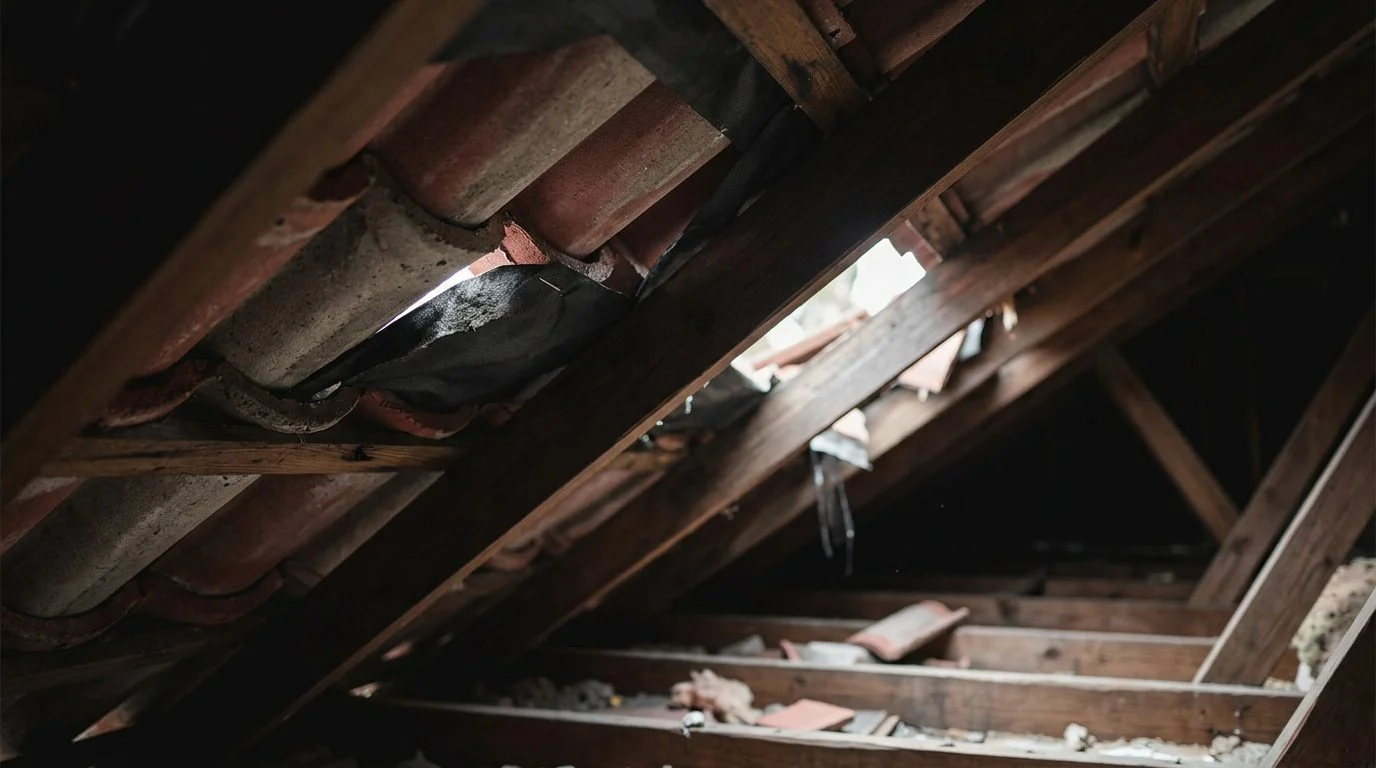
Tile Roof Storm Damage | South Florida
Storm Damaged Your Tile Roof? Start With a Clear Plan
Get the next steps right after a storm. ASP Superhome offers a free first consultation that is confidential and comes with no obligation to continue.
Four Steps to Take After Storm Damage
1. Stay Safe
Keep people and pets away from the roof, loose tiles, and debris. Avoid climbing onto a damaged roof.
2. Document the Damage
Photograph and video the roof, cracked or slipped tiles, and any water inside the home. Clear, dated images make the next steps easier.
3. Schedule a Consultation
Contact ASP Superhome for a free first consultation. It is confidential and comes with no obligation to continue.
4. Plan the Repair
Review the options for roof repair or roof replacement, and decide what fits your home and budget.
By Jonathan Rodriguez · Published November 2, 2026
After a storm, the first things to do are keep people safe, document the damage, limit water getting inside, and start your insurance claim on time. If you’re wondering what to do after a storm damages your tile roof in South Florida, follow these steps in this order. Each one protects you and makes the next one easier.
Keep Everyone Safe Before You Check the Roof
Check people and pets first, then look at the roof only from the ground. Tile roofs are heavy and slippery when wet, and broken tiles can slide off and cause a fall.
Stay away from sagging ceilings, bulging walls, and any fixture or outlet that sits in water. Water and electricity don’t mix, so don’t touch wet light fixtures or switch on breakers near standing water.
Watch for downed power lines in your yard or on your driveway. Keep a safe distance and call your utility provider. Don’t step over lines or move debris near them.
Walk around the house carefully. Loose tile fragments and roofing debris can cut feet and cause trips. Keep kids and pets indoors until the yard is clear.
If your tile roof took a hit and you can see leaks or broken tiles, you don't have to sort out the repair alone. Book a free first consultation that is confidential and carries no obligation to continue. Talk it through with our team — the first consultation is free, confidential, and carries no obligation.

Document the Damage Before Anything Is Moved
Photos and video made right after the storm are your strongest record. Take them before you clean up, move debris, or start repairs.
Start with wide shots of each roof slope from the ground. Then take close-ups of cracked, missing, slipped, or displaced tiles. Photograph ridge lines, hip edges, valleys, and flashing wherever you can see them from the ground or a window.
Record a slow video walking the outside of the house. Include gutters, fascia, screens, and yard debris. Narrate what you see as you go, and note the date and time.
Photograph inside the home too. Capture ceiling stains, bubbling paint, drips, and wet floors. Keep any tile pieces you find on the ground, and don’t throw them away until your claim is resolved.
Limit Water Intrusion Without Climbing the Roof
The goal is to stop new water from getting inside while you wait for a repair. Move furniture, electronics, rugs, and personal items away from leaking spots. Place buckets or containers under drips.
Dry standing water on floors as safely as you can. Wet floors are slippery, so use caution and keep an eye on electrical outlets.
If a roof has exposed areas, contact ASP Superhome to discuss your options. Take before-and-after photos of any temporary work. Keep every receipt, because insurers often ask what you did to prevent further damage.
Rain after a storm can reveal leaks that didn’t show right away. Check your ceilings again on the second day, and photograph any new stains.
Start the Insurance Claim and Keep a Clear Written Record
Report the storm damage to your homeowners insurance company as soon as you can. Florida law bars a property claim unless notice reaches the insurer within 1 year after the date of loss, as your policy terms require (Fla. Stat. § 627.70132). A supplemental claim for additional damage has an 18-month limit.
For hurricanes, the date of loss is the date the storm made landfall; for tornadoes, windstorms, severe rain, and other weather-related events, the date of loss is the date the National Oceanic and Atmospheric Administration verifies the event. Note that date in your file.
Write down each call: the date, the time, the representative’s name, and what was said. Ask for the claim number and keep it with your records.
Find your policy declarations page and any past roof inspection or maintenance records. Keep all photos, videos, receipts, and letters in one folder, both digital and printed. Ask the insurer what documents it needs and when.
Know how the payment works. For a dwelling insured at replacement cost, the insurer must first pay at least the actual cash value of the loss, less your deductible (Fla. Stat. § 627.7011). If a roof deductible applies, the insurer may limit the roof payment until you show proof you paid that deductible. Keep your canceled check, card statement, or money order receipt.
Ask your agent about law and ordinance coverage. Coverage depends on your policy form, so review it with your insurer (Florida Office of Insurance Regulation homeowners insurance guidance). Ask your agent about law and ordinance coverage. Coverage depends on your policy form, so review it with your insurer (Florida Office of Insurance Regulation homeowners insurance guidance).
What to Look for on the Tile Roof and Inside the Home
Cracked, chipped, or missing tiles are the most common signs of wind or impact damage. Tiles that have slid out of place also need attention, even if they still look solid.
Check ridge caps and hip caps. These pieces cover the top and edges of the roof. Damage here can expose the roof edge to more water, so note any loose, displaced, or missing pieces.
Look at flashing around vents, chimneys, and skylights. Flashing is the metal or sealed material that keeps water out at openings. Lifted flashing is a common leak source.
Inside, watch for ceiling stains, peeling paint, musty smells, and warped trim near exterior walls. These signs can show up days after the storm, so keep checking.
Tile roof materials and installation methods have specific standards. The IBHS roof guide covers residential tile roofing, and the Tile Roofing Industry Alliance installation guides address proper installation practices. Use them to understand what a sound repair looks like.
Day Two: Plan the Repair and Your Next Steps
Review your photos and notes. List every area that still leaks or shows new damage. This list becomes the starting point for your repair talk.
Ask how long a tile roof repair or replacement will take. Plan for work schedules, access to the home, and any temporary living needs.
If your home has solar panels, tell your roofer before any inspection. Panels affect how the roof is checked and repaired. Our solar panel guide explains how panels and tile roofs work together.
Before you sign any roof repair or replacement contract, read it closely. For a roof replacement or repair contract tied to an insurance claim, contact your insurance provider before signing to confirm coverage, including any claims, deductibles, and policy terms.
Once you have your photos, notes, and claim number, you’re ready to talk through the repair. Ask a roofing team to walk through the damage and the next steps with you. A free first consultation is confidential and carries no obligation to continue, so you can get clear answers before you decide.
Not sure what your next step is?
Talk it through with our team — the first consultation is free, confidential, and carries no obligation.
Frequently Asked Questions
What should I do first after a storm damages my tile roof?
Stay off the roof and keep people away from any loose or broken tiles. Then reach out to ASP Superhome for a free first consultation that is confidential and comes with no obligation.
Should I take photos of the damage before making any repairs?
Yes. Photograph and video the roof, cracked or slipped tiles, damaged gutters, and any interior water stains from several angles, with dates if possible. Keeping these records before repairs begin helps document the storm damage for your insurance company and your contractor.
Do I need to report storm damage to my tile roof to my insurance company?
Most policies ask you to report storm damage promptly, so it is best to notify your insurer as soon as you can. Review your policy terms, keep copies of all correspondence, and save receipts for temporary protection like tarping. ASP Superhome can help you understand what an inspection finds about your tile roof.
How do I know if my storm-damaged tile roof needs repair or full replacement?
A professional inspection can show whether the damage is limited to a few tiles or spread across the roof, and whether the underlayment and decking are still sound. To learn which option fits your roof, request a free, confidential, no-obligation first consultation with ASP Superhome.
Safety First
A storm-damaged tile roof can be unstable. Do not walk on it or try to secure loose tiles yourself. Stay inside, keep others clear of the area, and contact a professional when you can do so safely.
Why Homeowners Reach Out to ASP Superhome
Complete Home Solutions
Roofing, impact windows, impact doors, solar, and kitchen remodeling, all from one company serving South Florida.
Confidential Conversations
Talk through your storm damage in private, with no pressure to move forward.
Free First Consultation
Your initial consultation is free, confidential, and comes with no obligation to continue.
A Supportive Team
Our team guides you through each question so you know what comes next.


