


Tile Roofing | South Florida
Flat Tile or Barrel Tile: Which Fits Your Florida Roof?
A plain-language guide to how flat and barrel tile compare on wind, weight, upkeep and appearance. Start with a free first consultation, confidential and with no obligation to continue.
By Jonathan Rodriguez · Published October 25, 2026
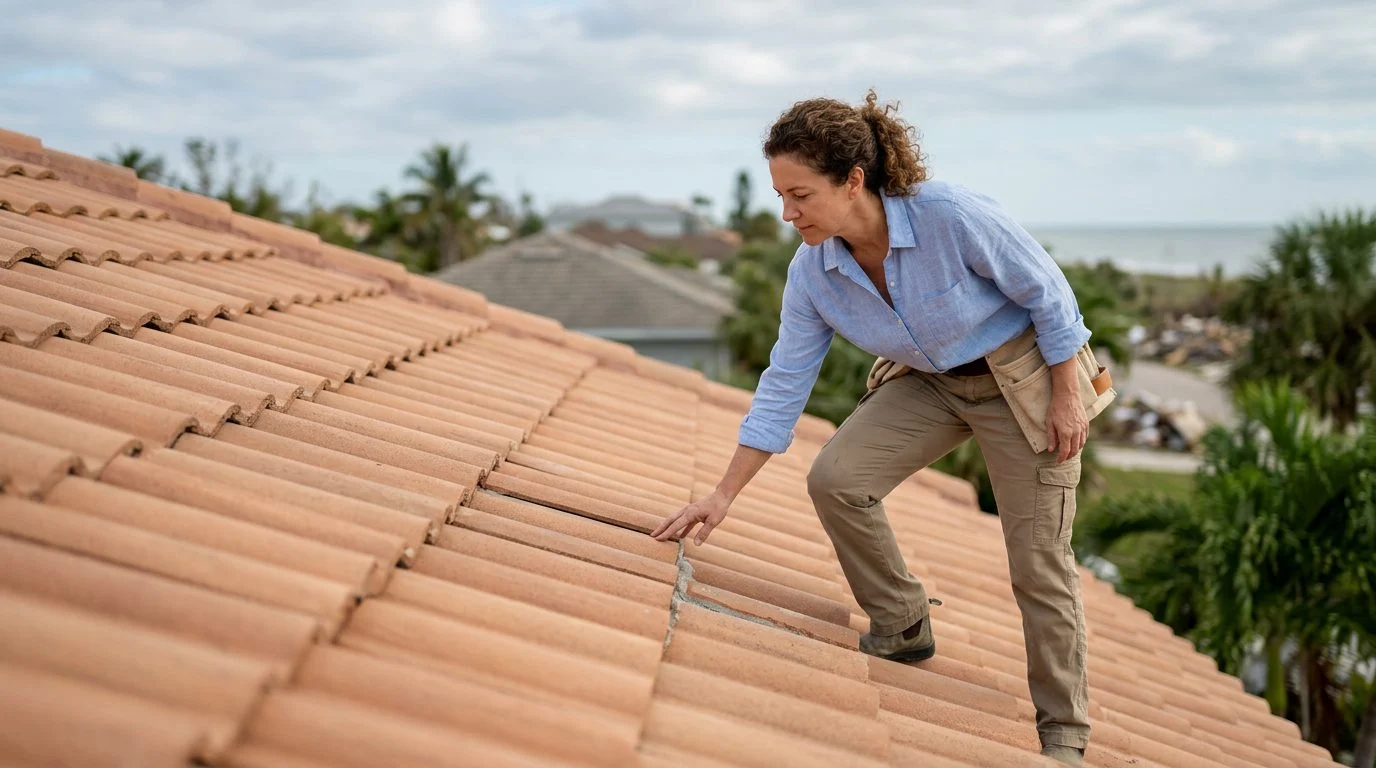
When people compare flat tile vs barrel tile hurricane florida performance, the short answer is that neither profile wins on its own. Wind performance comes from the whole roof system: the deck, fasteners, underlayment, tile, and edge details. This guide explains how each profile handles wind, what each asks of the structure, and what to request in a written proposal for a home in Miami, Fort Lauderdale, or anywhere else in South Florida.
Flat Tile vs. Barrel Tile: What Each Profile Is and Who Each Suits
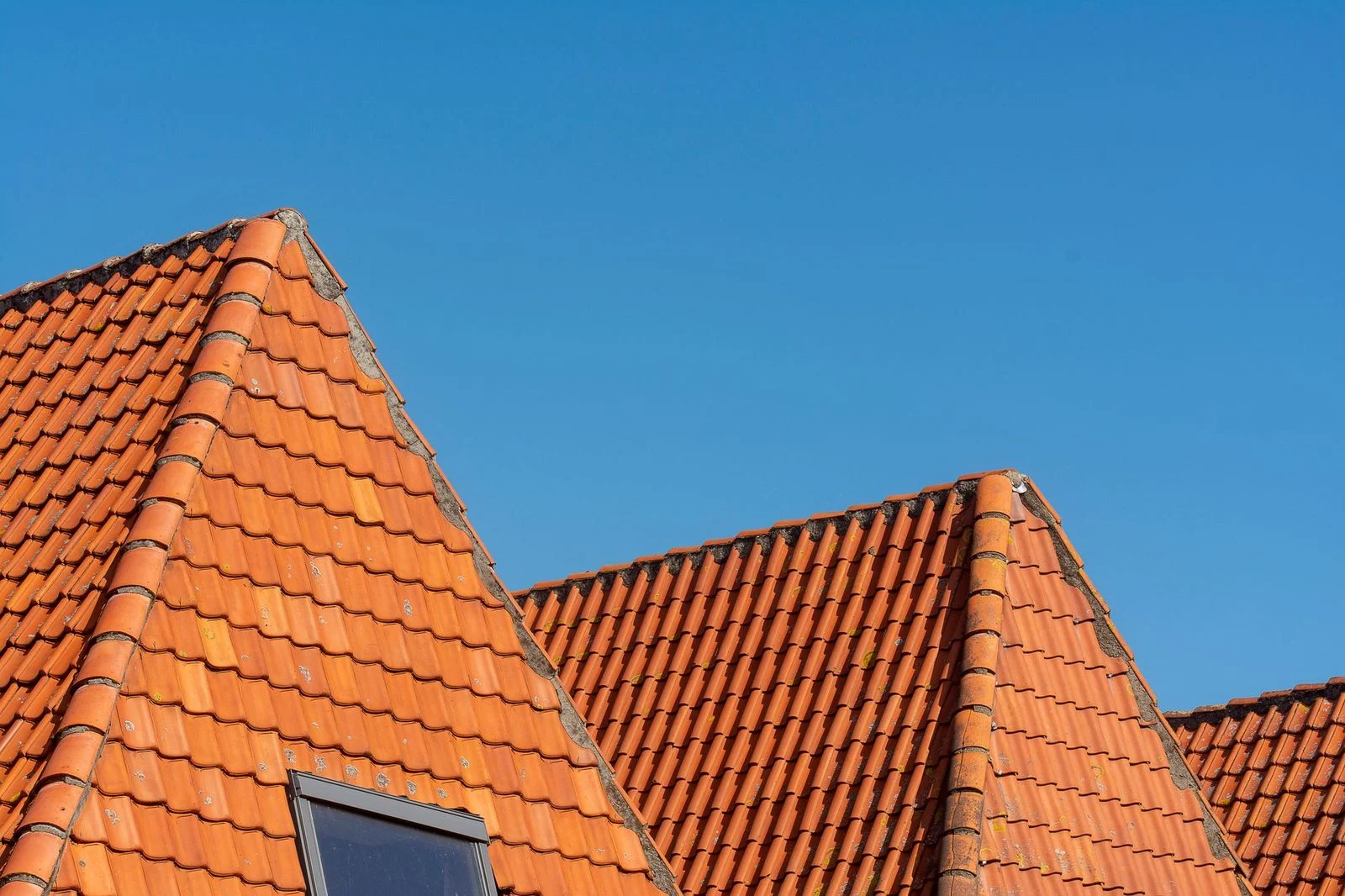
Flat tile lies nearly flush with the roof. Barrel tile rises in an S-shape or half-round, with gaps that let air move underneath.
Flat profiles often suit contemporary and modern homes. Barrel profiles are common on Mediterranean and Spanish-style homes, where the curved look fits the architecture.
The profile also shapes the rest of the job. It affects weight, how water drains across the surface, and how each tile is fastened. Those three points drive the sections that follow.
Profile isn’t the only choice. Metal roofing can also be made in a barrel-tile profile, so you have more than one route to that look. Miami-Dade product approval records show metal panels can take this shape and be evaluated for Florida Building Code compliance.
Start with the home’s existing structure, the local code requirements, and the look you want. Then compare options.
If you're deciding on a tile roof for a home you own or help manage, we can review its structure and wind details with you. Talk it through with our team — the first consultation is free, confidential, and carries no obligation.
How Each Profile Handles Hurricane Wind and Uplift
Uplift is wind pressure that lifts the roof covering. Edges, corners, and ridges usually take the highest load, so any tile profile must hold down there.
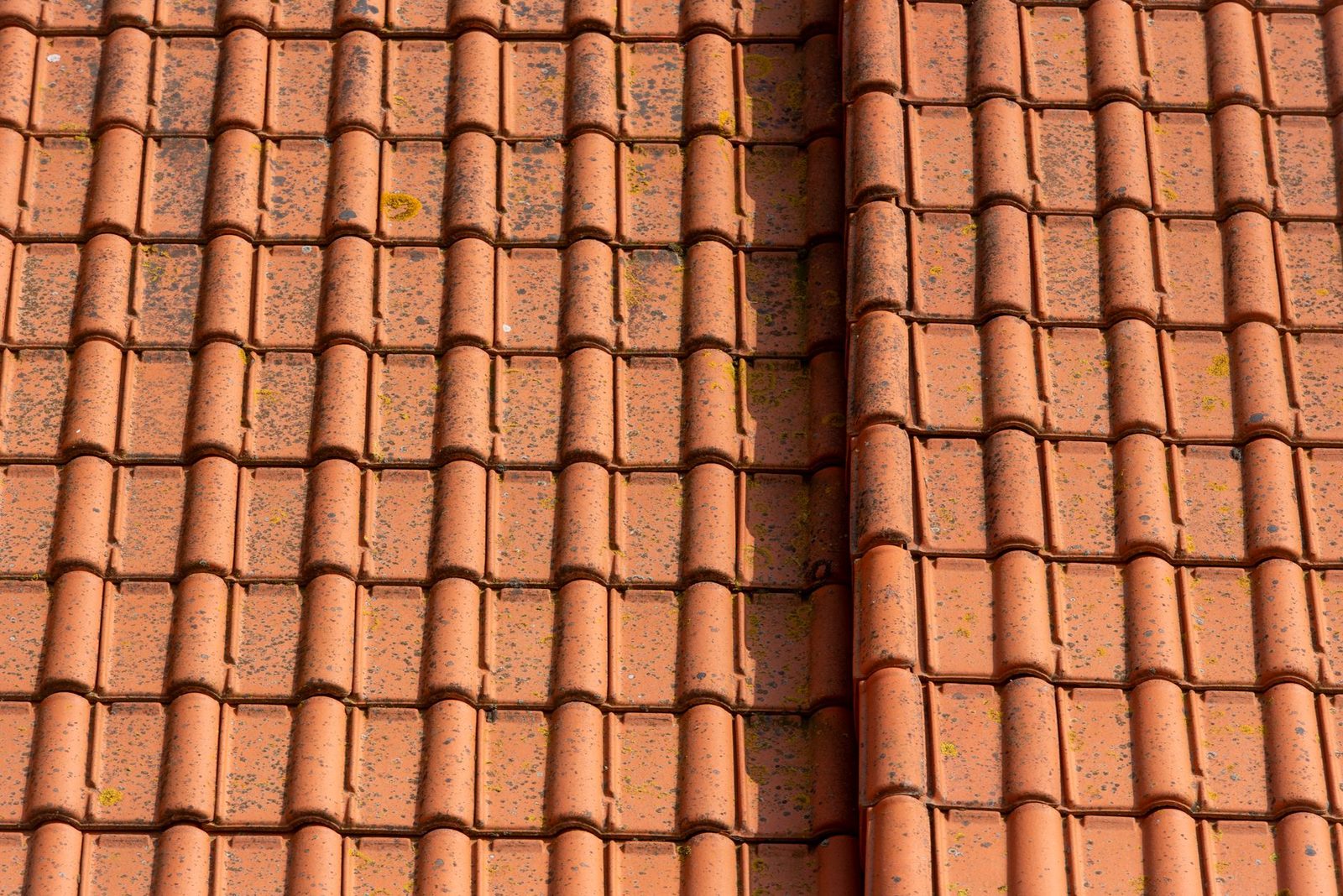
Barrel tile presents a raised profile, which gives wind more surface to act on. Its interlocking pan-and-cover pieces and mechanical fastening carry the load. When those pieces are fastened to the schedule, the assembly holds together.
Flat tile sits lower, so there is less profile for wind to catch. Its performance leans heavily on the clips, nails, and underlayment beneath it. A low profile helps only when the fastening is done right.
Florida law sets the approval bar. Ask to see the approval for the exact product.
A flat-profile concrete tile example is Miami-Dade Notice of Acceptance 25072201. It covers an interlocking tile tested under TAS 112 and approved for specified High-Velocity Hurricane Zone applications.
The Building America Solution Center says roof design, covering, attachment, and sealing all improve resistance to hurricane and high winds. The tile is one piece of that system.
Weight, Structure, and Installation Demands
Tile is heavy. Framing, trusses, and the deck need review before any new tile goes on. A profile change or heavier product can require structural work, so don’t skip this step.
Installation differs by profile:
- Barrel tile goes down in courses with pan and cover pieces.
- Flat tile needs precise alignment and exact clip or nail placement to keep its shingle-like lay.
Permits are required. Unless otherwise provided by law, Florida law makes it unlawful to repair or alter a building without first obtaining a permit from the appropriate enforcing agency, under Fla. Stat. § 553.79.
Structural wind-load capacity is assessed using the ASCE 7-22 design loads standard. ASCE 7 is a design standard, not Florida-specific law.
On any job, verify these details:
- Fastening schedule at eave, rake, ridge, and hip zones
- Underlayment type and how it is lapped
- Flashing at penetrations and valleys
Durability, Lifespan, and Maintenance for Florida Homes
Tile lasts as long as its material, installation, underlayment, and upkeep allow. The Tile Roofing Industry Alliance calls clay and concrete tile long-lasting and durable, including in Florida hurricane conditions. Good installation makes that durability real.
South Florida heat, sun, and salt air all wear on a roof. Heat ages the underlayment beneath the tile. That layer keeps water out when a tile cracks or shifts.
Each profile sheds water and moves air differently. Inspect both the surface and the drainage paths. For either profile:
- Inspect after every major storm.
- Look for cracked, slipped, or displaced tiles.
- Clear debris from valleys and gutters.
- Check flashing and sealant around vents, chimneys, and other penetrations.
Leaks often show up after rain. Watch for water stains on ceilings and walls. Act early, because small leaks spread.
Cost Differences and What Moves the Number
Flat and barrel tile costs differ because of structural work, labor, and cut pieces, not only the tile itself. A cheaper tile can still produce a higher total.
These factors change a quote:
- Roof square footage and pitch
- Number of hips, valleys, and penetrations
- Deck condition and any repair
- Underlayment upgrade
- Permit and inspection requirements
Added reinforcement or fastening upgrades can erase a lower material price. Contact our team to go over exactly what your estimate includes before you decide.
If the work ties to an insurance claim, Florida law sets contract requirements.
What to Ask For Before You Sign a Tile Roof Proposal
Before you sign a flat tile vs barrel tile hurricane florida proposal, get these details in writing:
- Product: the profile, manufacturer, and product line, plus the approval document for your wind zone.
- Fastening: clips or nails, spacing, and extra fastening at edges, ridges, and corners.
- Underlayment: the type, how it’s lapped, and whether it’s self-adhered or mechanically fastened.
- Structure: whether a deck and structural evaluation is included, and what happens if the deck needs repair.
- Flashing: how valleys, penetrations, and edges are detailed.
- Warranty: whether workmanship and materials are covered separately.
- Scope: whether permits, inspections, and debris removal are included.
Florida law also gives owners a cancellation right in some cases.
Not sure what your next step is?
Talk it through with our team — the first consultation is free, confidential, and carries no obligation.
What to Expect with ASP Superhome and Why It Matters
A typical sequence runs from consultation to roof and structure review, a written proposal, permitting, installation, and a final inspection. Each step lines up with the checklist above.
ASP Superhome offers metal roofing, tile roofing, roof replacement and repair, impact windows and doors, solar panels, solar battery backup, and kitchen remodeling. Planning the roof, openings, and power systems together keeps the wind plan consistent across the home.
The timeline depends on roof size, permit processing, material availability, and weather. Ask for the estimated schedule in the written proposal and check that it matches the scope.
The site lists service areas in Miami, Fort Lauderdale, West Palm Beach, Kendall, Naples, Fort Myers, and Boca Raton.
Frequently Asked Questions About Flat and Barrel Tile in Hurricanes
What is the lifespan of a barrel tile roof in Florida?
Lifespan depends on the tile, the installation, the underlayment, and upkeep. Ask the installer for the warranty terms in writing.
Which is better, flat tile or barrel tile?
Neither profile is better in every case. The right choice depends on the structure, code requirements, wind zone, and the look you want.
What roof shape is best for surviving hurricane-force winds?
Roof shape, pitch, and roof-to-wall connections all affect wind performance. The tile profile is one part of the whole assembly.
What is the 25% roof rule in Florida?
Bring this flat tile vs barrel tile hurricane florida checklist to your consultation. If you’re making this decision for a parent’s home or a rental you manage, we can review the structure, fastening, and wind details with you. Our first consultation is free, confidential, and comes with no obligation to continue. Request a quote or book a free estimate.
How our team approaches tile roofing
Side-by-side comparison
We explain how each tile profile performs on your specific roof, so you can weigh the trade-offs clearly.
Wind-focused planning
South Florida storms put real demands on a roof. We review the attachment and underlayment details that matter in your area.
Long-term upkeep in view
We talk through maintenance, repairs and likely replacement needs so there are no surprises down the road.
Terms in writing
We put warranty and installation details in writing so you can review them before making a decision.
Get the warranty terms in writing
Roof lifespan depends on the tile, the installation, the underlayment and ongoing upkeep. Do not decide on appearance alone. Ask for the warranty terms in writing before you commit.
Factors to weigh before you choose
Wind performance
Compare how each profile is installed and secured, and how the system holds up under high winds.
Roof structure and slope
The pitch and framing of your home influence which tile profile and underlayment make sense.
Weight load
Tile is heavy. Have the structure evaluated before deciding on a heavier profile.
Upkeep and repairs
Consider how easy it is to access, repair and replace individual tiles over the life of the roof.
Talk through your tile roof options with our team. Your first consultation is free, confidential and comes with no obligation to continue.
Related practice areas
- Tile Roofing in South Florida: Costs, Styles & Installation Guide


