


Tile Roofing | Miami-Dade
Tile Roofs Built for Miami-Dade's Hurricane Winds
How the High Velocity Hurricane Zone wind requirements apply to tile roofs, and what to check on yours.
By Jonathan Rodriguez · Published October 22, 2026
A tile roof in Miami-Dade must handle hurricane-zone winds, but no single speed fits every roof. The design value is set for each building. Here is a plain look at the tile roof wind speed requirement Miami-Dade property owners face, how it is met in practice, and what it means if you plan a replacement or repair.
Is One Wind Speed Required for Every Tile Roof in Miami-Dade?
No single wind speed applies to every tile roof in the county. Miami-Dade sits in Florida’s High Velocity Hurricane Zone (HVHZ), where roofing rules are tighter than in much of the state. Within that zone, the design value is set for each building, based on its site and structure.
A tile roof is also judged as a whole system. The tile, underlayment, fasteners, and roof deck connection must work together against the wind. If one part is weak, the whole system is weak. That is why a tile roof’s wind rating is about the assembly, not just the tile.
If you're weighing a tile roof replacement or repair in Miami-Dade, our team can review your roof's age, condition, and location against these requirements. Talk it through with our team — the first consultation is free, confidential, and carries no obligation.
Where Does the Wind Design Number Come From?
The number comes from the building code and a wind-load calculation for the specific structure. Fla. Stat. § 553.73 describes the Florida Building Code as the set of rules that govern how buildings are designed, built, and repaired.
Engineers use a national wind-load standard, ASCE 7, to turn the wind region into design pressures for a building. Those pressures depend on the site’s exposure, the building’s height, and its risk category.
Wind pushes and pulls on a roof. The pull is strongest at edges and corners, so the same roof can need different fastening in different zones. Code editions also change, so the edition in effect when a permit is applied for matters.
Does Miami-Dade Require Product Approval for Tile Roofs?
Yes. A product may not be advertised, sold, or marketed as hurricane, windstorm, or impact protection unless it is approved under § 553.842 or § 553.8425, and doing so without approval is subject to the Florida Deceptive and Unfair Trade Practices Act. Fla. Stat. § 553.842 lists roofing among the categories that need statewide approval.
Products show compliance in approved ways. For products the code sets standardized testing or comparative or rational analysis methods for, statewide approval requires a validated report or listing showing the product complies with the Florida Building Code and is, for the purpose intended, at least equivalent to what the code requires.
Approvals are tied to a product as tested. A look-alike tile is not automatically covered. Miami-Dade publishes its own product approval notices for roofing systems.
How Is a Tile Roof Built to Meet the Requirement?
A tile roof meets the requirement through a tested, installed system. The tile is only the visible part. The deck and fasteners carry much of the load.
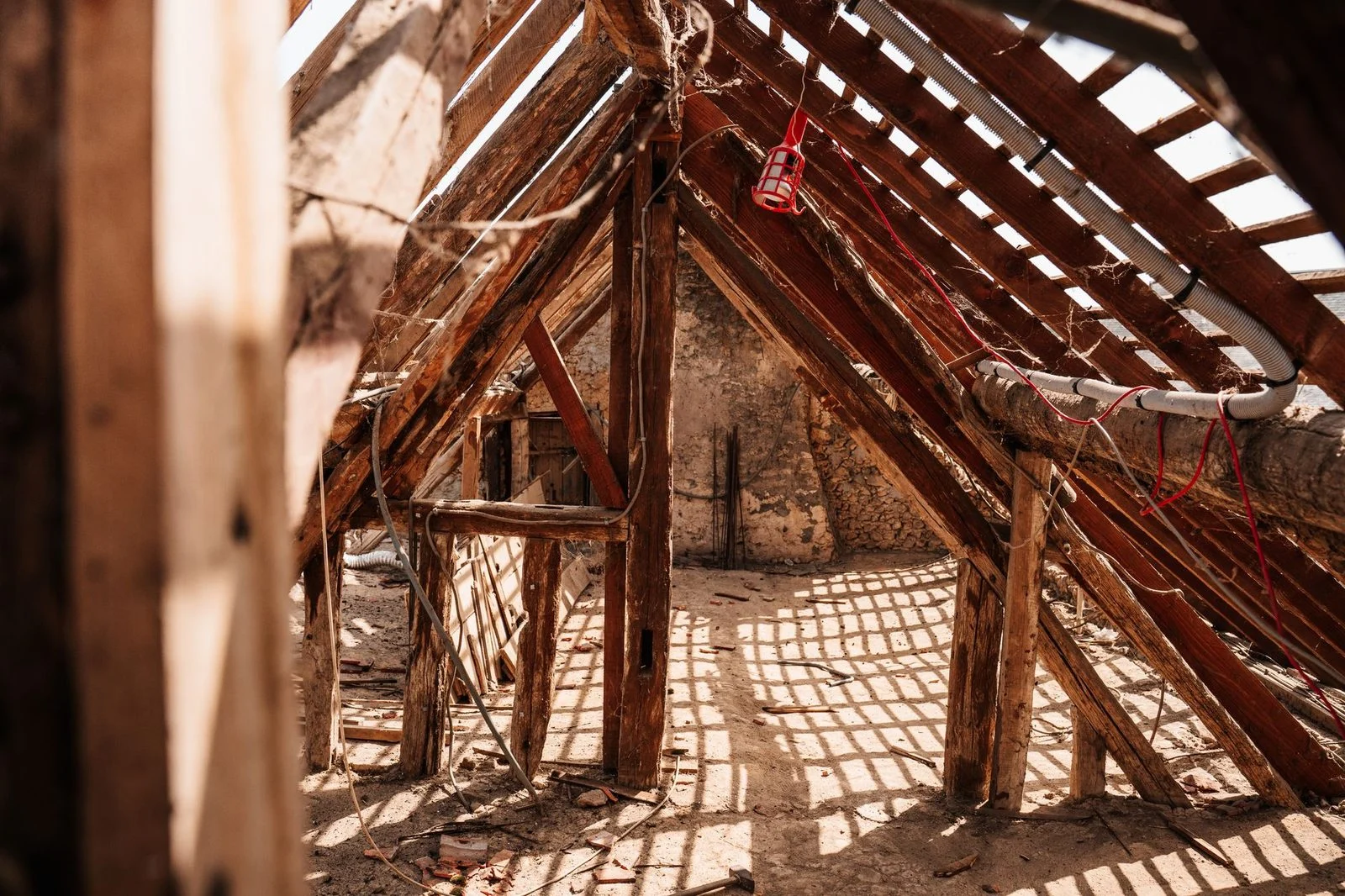
Miami-Dade’s hurricane mitigation guidance addresses roof-sheathing attachment requirements. It also identifies which roof systems need secondary water-barrier protection during certain reroofing projects. Those layers sit under the tile, where homeowners rarely look.
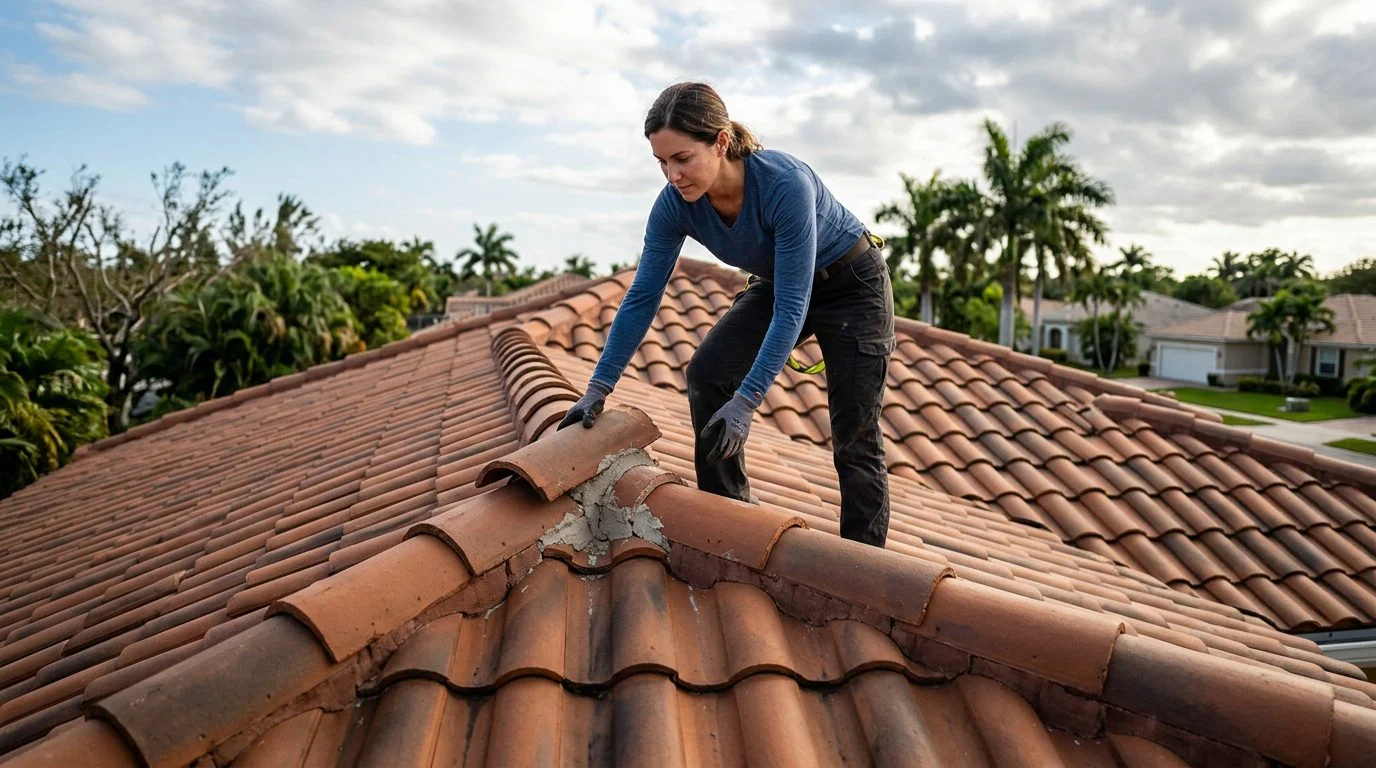
Installers also need correct starter courses, ridge and hip caps, and flashings at walls and penetrations. These parts become weak points when they are skipped or mismatched. A common mistake is treating the tile color and profile as the whole job. The Tile Roofing Industry Alliance publishes installation guides on tile-roof practice, code requirements, and acceptable products for high-wind use in Florida.
Why Does the Wind Rating Matter for Insurance?
A wind mitigation inspection records roof features that can affect your windstorm premium. Construction that reduces windstorm loss may qualify for insurance premium discounts, depending on the insurer and the policy.
The Florida Department of Financial Services consumer guide covers inspections, documentation, roof-related features, and discounts. Keep your product approval and installation records with your property papers. Clear records make roof details easier to document.
Should You Repair or Replace a Tile Roof in Miami-Dade?
Every roofing project has its own scope, so our team can review your roof and explain which requirements may apply to your job during your free, confidential initial consultation, with no obligation to continue.
Whether your roofing job triggers code requirements depends on the specifics of your roof.
Some roofing and building repairs may require a permit from the local building department. Miami-Dade’s roofing permits page lists forms, checklists, and application steps.
Frequently Asked Questions
Does a tile roof in Miami-Dade have to meet hurricane wind rules?
Yes. Miami-Dade sits in the High Velocity Hurricane Zone, so tile roofs there are designed for hurricane-zone winds.
Miami-Dade’s permit page lists the forms and steps.
Can a wind mitigation inspection lower my premium?
It can, when the inspection shows features that qualify for a discount. Insurers must tell you which discounts are available.
Who can sign a wind mitigation form?
A licensed home inspector, a certified building code inspector, or a licensed general, building, or residential contractor can sign, if they inspect the home personally.
If you’re planning a tile roof replacement or repair in Miami-Dade, contact ASP Superhome and we’ll review your roof’s age, condition, and location against these requirements. Your first consultation is free, confidential, and comes with no obligation to continue (consulta inicial gratuita, confidencial y sin compromiso).
What Shapes a Compliant Tile Roof in Miami-Dade
Installation Details
Underlayment, tile fastening, and flashing all affect how a tile roof performs under high winds.
Product Approval
Roofing materials used in the zone must carry the approvals required for that zone's wind standards.
Existing Roofs
A roof installed under an earlier code may differ from current requirements, so its condition and build details are worth reviewing.
Check Before You Assume
Wind-speed requirements and approval standards are based on the building code in effect for your property. Don't rely on the age of a roof or a general rule of thumb. Have the roof and its documentation reviewed.
Ways to Prepare Your Roof
Review Your Roof Documents
Gather permits, product approvals, and installation records if you have them. They show what was installed and when.
Inspect Tile and Fasteners
Cracked, loose, or missing tiles and worn fasteners can weaken a tile roof before a storm arrives.
Consider Wind Mitigation
A wind mitigation inspection documents roof features that may qualify for insurance discounts. Your insurer can confirm which discounts apply.
Plan Repair or Replacement
Some roofs need targeted repairs, while others are better served by a full replacement that meets current hurricane-zone requirements.


