


Tile Roofing | South Florida
Can a Tile Roof Go Over Existing Shingles in Florida?
Sometimes, but only after the deck, structure, and local permit rules are checked. Here is what to look at before you decide.
By Jonathan Rodriguez · Published October 25, 2026
Short Answer: Can You Install Tile Over Shingles in Florida?
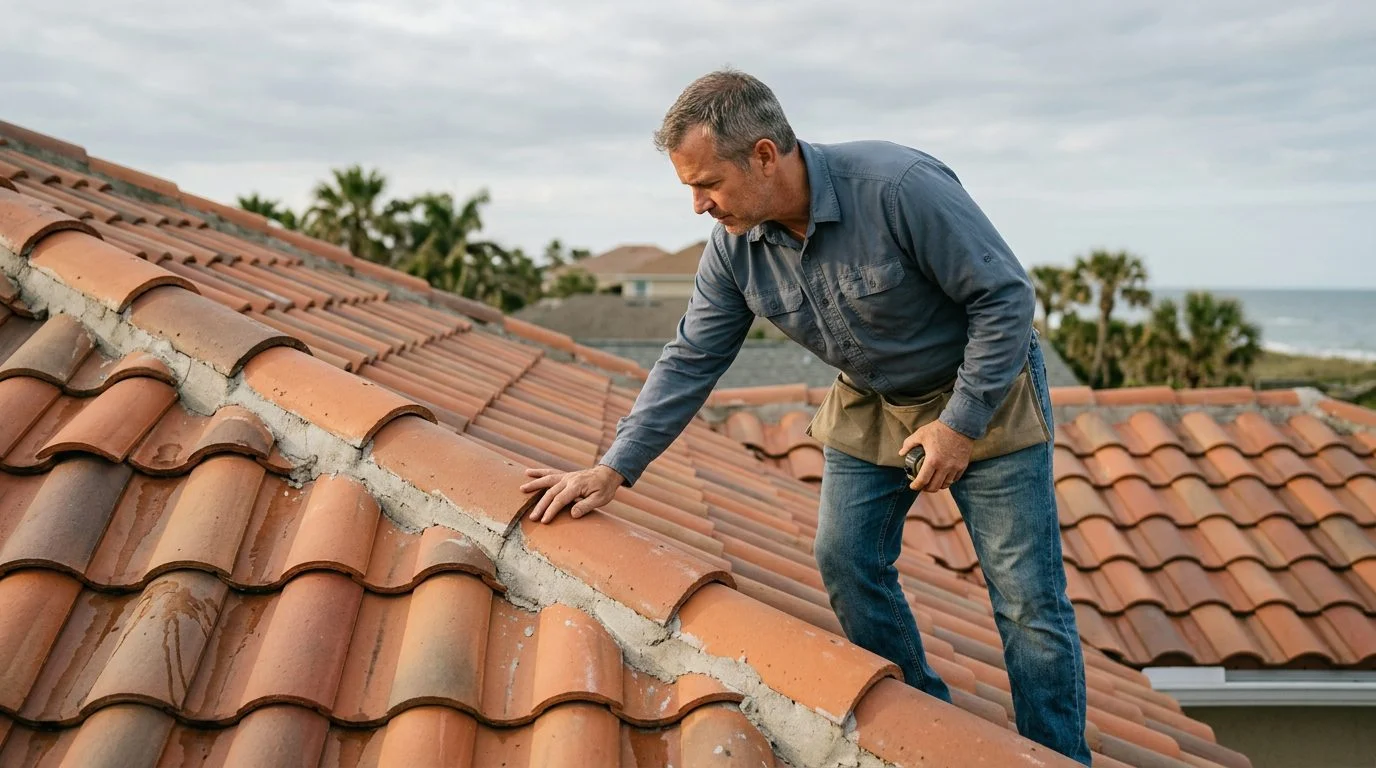
Sometimes, yes. A tile roof can go over an existing shingle roof in Florida, but that doesn’t mean it always should. Whether it’s the right move depends on the roof under the shingles, the structure beneath that, and what your local building department allows.
Tile isn’t a simple swap for shingles. It weighs more, has a different profile, and is usually installed over a specialized underlayment and fastening system. Those differences change what the old roof can support and how the new tile attaches.
So the core question is really two questions. First, can the existing roof physically carry tile? Second, do the code and the permit allow the work? A yes to the first doesn’t settle the second.
For the broader picture on tile options in the region, read our tile roofing guide for South Florida.
If your asphalt shingle roof is aging and you're weighing a tile overlay against a full tear-off, our team can look at your roof's condition with you. Talk it through with our team — the first consultation is free, confidential, and carries no obligation.
Tile Roof Overlay vs. Tear-Off: What Each Means
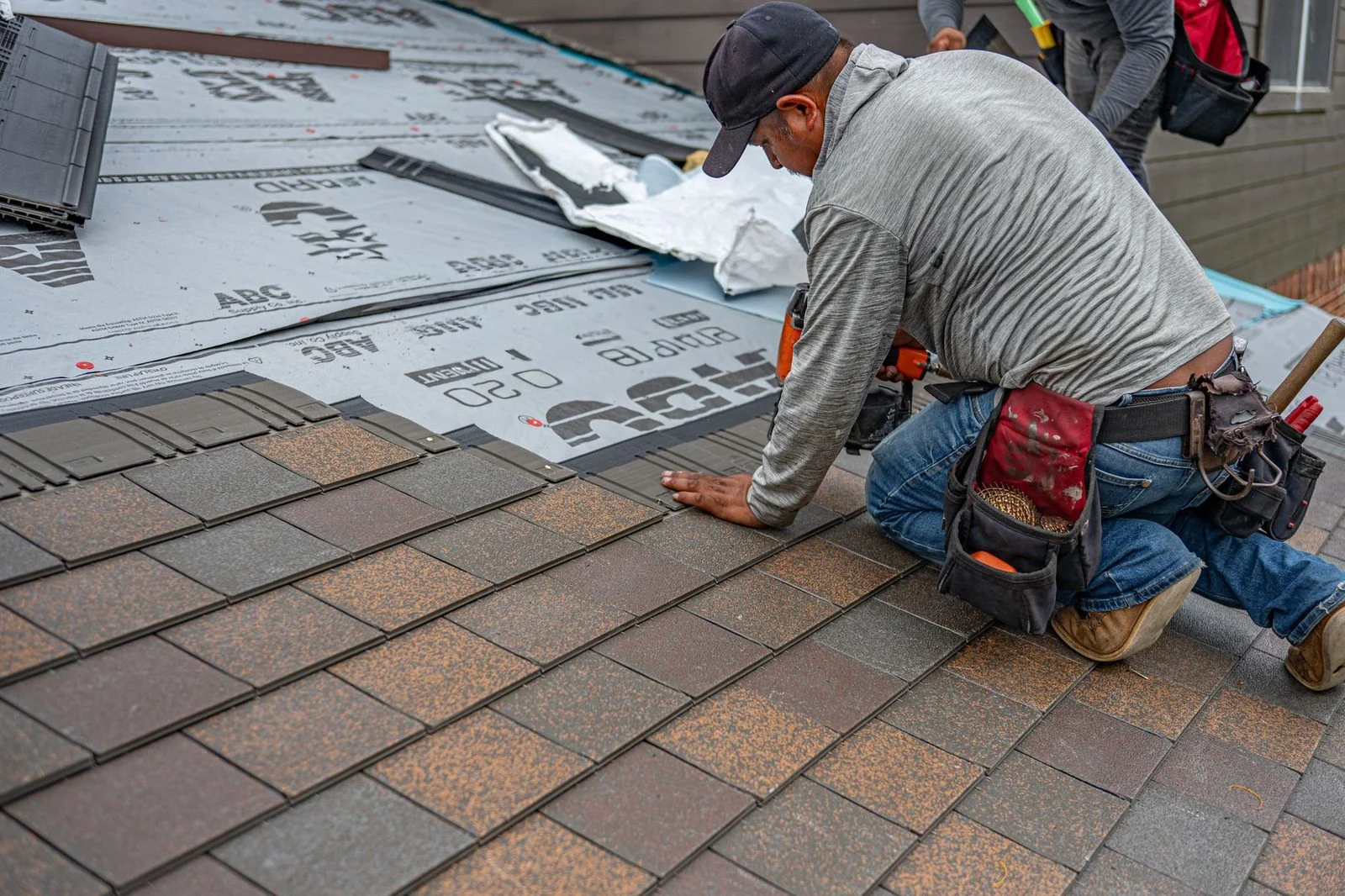
An overlay installs new tile on top of the existing shingle layer. A tear-off removes the old roofing down to the roof deck first, then installs the new system.
The roof deck is the base panel that sits under every roofing layer. It’s the key reference point for both options. Shingles can hide what’s underneath, so the deck has to be checked before anyone commits to either path.
With an overlay, the crew builds on the old layer. They can’t see the deck or the nails holding it, so they can’t fix what they don’t see. A tear-off exposes the deck. The crew can check the sheathing, the fasteners, and any soft spots before new underlayment goes down.
The two options also differ in labor, disposal, and timing. A tear-off means hauling away old material and more time on the roof. An overlay skips that step but leaves the old layers in place. At the end, a tear-off lets you verify the deck and the new system. An overlay hides them.
Weight and Structural Considerations
Tile adds more weight than asphalt shingles. A second roof layer adds dead load, which is the permanent weight of the roof itself, to the home’s framing.
The NRCA’s roofing materials guidance notes the need to verify structural load capacity when tile replaces another roof covering. That check covers rafters, trusses, and the connections between them. It’s a question for a qualified assessment of your specific home, not a general rule.
Roof deck condition matters too. Rot, soft spots, or old water damage can make a surface unsafe to build on. A weak deck won’t support new tile the way a sound one will.
Wind adds another load. Wind pulls up on the roof, so tile attachments have to hold. The Palm Beach County wind pressure chart covers wind-uplift design pressures and how to select them for tile-roof attachment design. It doesn’t name tile type or roof weight, so the structural check is a separate step.
Permits, Florida Code, Insurance, and Documentation
Roof work in Florida runs through the Florida Building Code and your local building department. Each step leaves a paper trail, and that trail matters later.
Under Fla. Stat. § 553.73, the Florida Building Code must contain or incorporate all laws and rules that govern the design, construction, alteration, and repair of buildings.
Under Fla. Stat. § 553.79, a local enforcement agency must post its permit procedures on its website.
Product approval matters too. Under Fla. Stat. § 553.842, a statewide product approval keeps local jurisdictions from requiring extra testing, as long as the product is used under its approval conditions.
For insurance, the Florida Office of Insurance Regulation explains that coverage depends on the policy form and on covered or excluded perils. Keep permits, product specifications, and installation records together for future claims or a sale.
Signs an Overlay May Not Be the Right Fit
An overlay may not fit when the roof already shows serious wear. Watch for these warning signs:
- Multiple existing layers of roofing
- Soft or sagging decking
- Visible rot or water staining
- Active leaks
- Damaged, curling, or lifting shingles
Prior repairs and patchwork deserve a close look. A roof with many patches can hide problems that only appear once the old material comes off.
The age and condition of the existing roof also decide how much of the old system is worth keeping under new tile. An older roof with weak spots gives less to build on than a sound one.
For Miami-area considerations, see our Miami tile roofing guide.
What a Tile Tear-Off Includes and How the Process Works
A tile tear-off removes the old roofing down to the deck, repairs the deck, and then installs new underlayment and tile. The steps usually run in this order:
- Inspection of the roof and structure
- Permit through the local building department
- Removal of the old roofing material
- Deck inspection and any needed repairs
- Underlayment installation
- Tile installation
- Final inspection
On site, you’ll see debris containers, old material going out, and the bare deck once the shingles are off. Disposal is part of the job. Deck repairs found after removal are common reasons a job’s scope changes, so ask about them early.
A tear-off lets the crew deal with the deck directly. They aren’t working over unknown conditions. The Tile Roofing Industry Alliance’s installation guides cover proper tile-roof installation practices and code requirements for high-wind applications in Florida.
For area-specific context, see our Fort Lauderdale tile roofing guide.
Not sure what your next step is?
Talk it through with our team — the first consultation is free, confidential, and carries no obligation.
Cost, Lifespan, and Long-Term Value
Asphalt shingles usually cost less upfront than tile. That gap is one reason homeowners look at overlays.
Skipping a tear-off can save money at the start. Weigh that against deck condition, structural load, and future repair access. A tile roof that hides a soft deck can cost more later.
Tile is generally regarded as a long-lived roofing material when it’s properly installed and maintained. Your roof’s actual lifespan depends on installation quality, upkeep, and conditions over time.
If you’re asking which roof is the least expensive, the lowest upfront option is typically a basic shingle system. Tile is a higher-cost, longer-term choice. For a sense of timing, see how long a tile roof replacement takes.
Common Questions About Tile Roof Overlays
Layering a new roof over old shingles is its own decision. The same deck, structure, and code checks apply to any overlay, tile or otherwise.
Can you shingle a roof over old shingles?
Layering shingles over shingles raises the same questions as layering tile. Check the deck, the structure, and local code first.
Do you need a permit for a new roof in Florida?
Roof work runs through your local building department’s permit process. Florida’s statutes require local enforcement agencies to post their application procedures online.
Is a tile roof overlay allowed in Florida?
Whether it’s allowed turns on your deck, your structure, and local rules under the Florida Building Code.
How do you keep tile roofs in good shape?
Schedule periodic inspections and clear debris from the roof and gutters. Check flashing and ridge tile, and fix cracked or slipped tiles promptly. Small problems are cheaper to fix early.
What should you check before choosing an overlay or tear-off?
Check the deck condition, the number of existing layers, the structural evaluation, the permit path, and your insurance records. Those five points show whether an overlay is worth discussing.
Talk Through Your Roof With ASP Superhome
If your asphalt shingle roof is aging or damaged, the next step is a closer look at its condition. Many homeowners in your spot are stuck choosing between a tile overlay and a full tear-off, and that choice turns on the deck and the structure.
Reach out to ASP Superhome to talk through your roof’s condition and your options. Our first consultation is free, confidential, and carries no obligation to continue.
To keep learning about tile choices before you decide, see our South Florida tile roofing guide.
What Shapes the Answer for Your Home
Condition of the Existing Roof
Shingles that are lifting, soft, or water-damaged can hide problems that a new tile layer will not fix.
Structure and Load
Tile is heavy. The rafters, trusses, and decking must be able to carry the added weight over the existing roof.
Local Permit Requirements
Roof work usually goes through the local building department. Requirements differ by county and municipality, so confirm them for your address.
Underlayment and Flashing
The tile system depends on proper underlayment, flashing, and fastening. These details matter as much as the tile itself.
Don't Decide on Appearance Alone
Installing tile over shingles can look like a shortcut, but it is not automatically the right choice. Without an inspection of the decking and structure, you may be covering damage that will cost more to fix later.
Questions to Ask Before You Commit
Is the deck sound?
Soft or rotted decking needs repair before any new roofing goes on top, whatever the material.
Can the structure take the weight?
Tile adds significant load. The structure should be evaluated, not assumed to be strong enough.
What does the permit require?
Confirm with the local building department what is needed for your roof and property.
Replacement or overlay?
Removing the old shingles lets the deck be inspected directly and may be the better path for some homes.
Not Sure What Your Roof Needs? Start With a Free Consultation.
Related practice areas
- When to Repair or Replace a Tile Roof in Florida


