


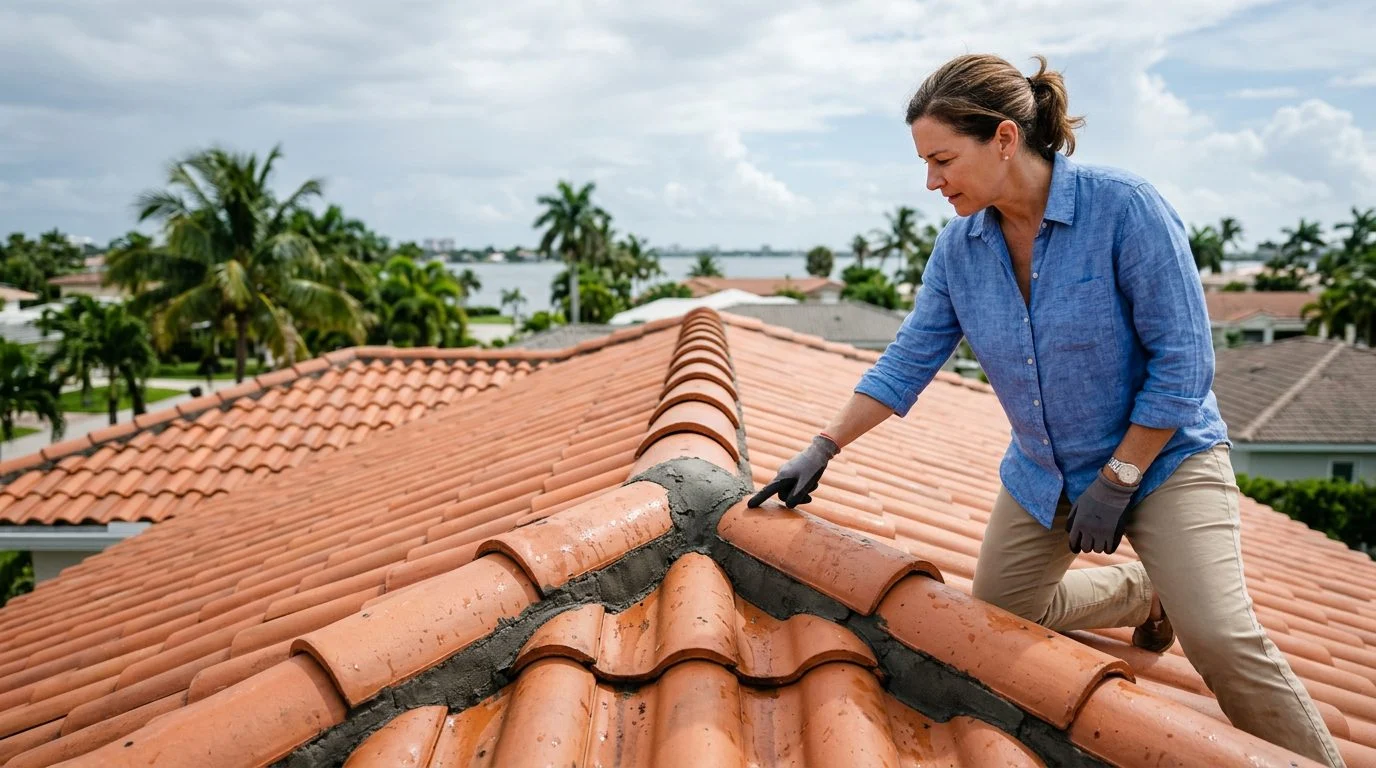
Tile Roofing · Miami-Dade
Do I Need a Permit to Replace My Tile Roof in Miami-Dade?
Permit rules depend on the scope of your project and the local building department. Here is what to know before your tile roof replacement begins.
By Jonathan Rodriguez · Published October 21, 2026
Short Answer: Do I Need a Permit to Replace Tile Roof in Miami-Dade?
Yes, replacing a tile roof in Miami-Dade generally requires a building permit. Miami-Dade County runs its own roofing permit process, with required forms, checklists, and contractor e-permitting, described in Miami-Dade County’s roofing permit guidance.
The permit covers the work itself, not just the tile you buy. It shapes what gets removed, what gets built, and which approved products can go on the roof. Small repairs and full replacements can fall under different rules, so the scope of your job matters. If the crew will tear off the old tile and underlayment, plan on a permit from the start.
If your tile roof is cracked, leaking, or nearing the end of its life, and you're unsure whether replacing it needs a permit, our team can walk through the scope with you before work begins. Talk it through with our team — the first consultation is free, confidential, and carries no obligation.

What the Permit Covers When You Replace Tile
A replacement permit usually covers removing the old roof covering, checking the roof deck, installing new underlayment, and setting the new tile. A licensed roofing contractor typically applies for the permit as part of the job. Ask for the permit number before work begins, so you can follow its status.
Florida law requires building products to show code compliance. For local product approval of structural windload requirements under the Florida Building Code, several methods are recognized, including a certification mark, a listing, a test report, or a statewide product approval. A product with a certification mark, label, or listing from an approved agency needs no further documentation. In Miami-Dade, that approval is often called an NOA, or Notice of Acceptance.
The tile and underlayment you install should match the approved product named in the permit. If a different product goes on the roof, the inspector may find it doesn’t match the paperwork. That mismatch can stall the job.
Partial work has its own rule. That partial rule applies when the existing roof was built or repaired to the 2007 code or a later edition.
Inspections During a Tile Roof Replacement
Inspectors usually check a tile roof at two points. The first is the dry-in inspection. It happens after the underlayment and roof deck are in place and before the tile goes on. The second is the final inspection, made once the tile and flashing are finished.
At the dry-in stage, the inspector looks at the deck, the underlayment, and how both are fastened. At the final stage, the focus moves to tile fastening, flashing around walls, vents, and chimneys, and whether the installed tile matches the approved product. These are the spots where problems are easiest to miss and easiest to fix early.
One mistake to avoid is covering the underlayment before the dry-in check. If the crew closes the roof too early, the inspector may need to see the work again, and that slows the job. Someone has to call for each inspection. Confirm who schedules those calls, and get the stage dates in writing before work starts.
Florida Renovation Thresholds and Homeowner-Performed Work
Florida’s licensing law lists exemptions, and each one comes with its own conditions. Under Fla. Stat. § 489.103, an owner who relies on an exemption must meet that exemption’s stated requirements.
A Florida property owner may be able to work as an owner-builder without a contractor license on a one-family or two-family residence that is for the owner’s own use or occupancy, not built or substantially improved for sale or lease, if the owner acts as their own contractor and personally provides direct, onsite supervision of all work not done by licensed contractors.
An exemption from licensing does not remove the permit or the inspections. An owner doing the roof still needs the permit and each inspection stage. Before you decide who does the work, check the scope, who will apply for the permit, and who holds the license for the roofing work.
How Permit Status Affects Homeowners Insurance and Resale
Permit records matter when you file an insurance claim or sell the home.
Insurers and buyers can ask for proof of permitted work. A missing permit or final inspection record can make it harder to show what was done and when. A permit is more than a formality. It is the record that shows the roof was checked at the key stages. Keep the permit, the product approval, and the final inspection paperwork with your home records.
Wind mitigation paperwork is another place where roof details matter.
What Happens If a Roof Is Replaced Without a Permit
Unlicensed roofing work can bring state penalties. Under Fla. Stat. § 489.13, the department may impose an administrative fine of up to $10,000 on an unlicensed person guilty of unlicensed contracting. It may also assess reasonable investigative and legal costs against that contractor.
Contract rights change too. Under Fla. Stat. § 489.128, a contract entered into by an unlicensed contractor is unenforceable in law or in equity by that contractor. An individual is unlicensed only if they do not have a license required by this part for the scope of the work under the contract. In plain terms, that contractor cannot enforce the contract in court.
For you as the homeowner, unpermitted work can complicate an insurance claim or a sale. Permit and inspection records show that the work was reviewed. Without them, the roof’s history is harder to document. Pulling the permit at the start is simpler than documenting work after the fact.
Not sure what your next step is?
Talk it through with our team — the first consultation is free, confidential, and carries no obligation.
Questions to Settle Before the Roof Work Starts
Before any tile goes up, confirm these points in writing:
- The job scope matches the permit, the approved tile product, and the inspection stages.
- The contractor’s license covers the roofing work, and you know who applies for the permit.
- Someone is named to schedule the dry-in and final inspections.
- The roof structure is checked. When another roof covering is replaced with tile, our team can check whether the existing structure can support the added weight.
- The permit and inspection papers have a set place in your home records.
Frequently asked questions
Can a homeowner pull the roofing permit?
Florida’s owner-builder rules may let an owner do qualifying work on their own one-family or two-family home for their own use, not for sale or lease, if the owner acts as their own contractor and personally provides direct, onsite supervision of all work not done by licensed contractors. The owner must personally appear and sign the building permit application and the required disclosure statement.
What is the 25 percent rule for roof work?
Code requirements for partial roof replacement depend on the scope of the work and the code in effect, so our team can review your specific project with you.
What can an unlicensed roofer face?
The state may fine an unlicensed person up to $10,000, and that contractor cannot enforce the contract.
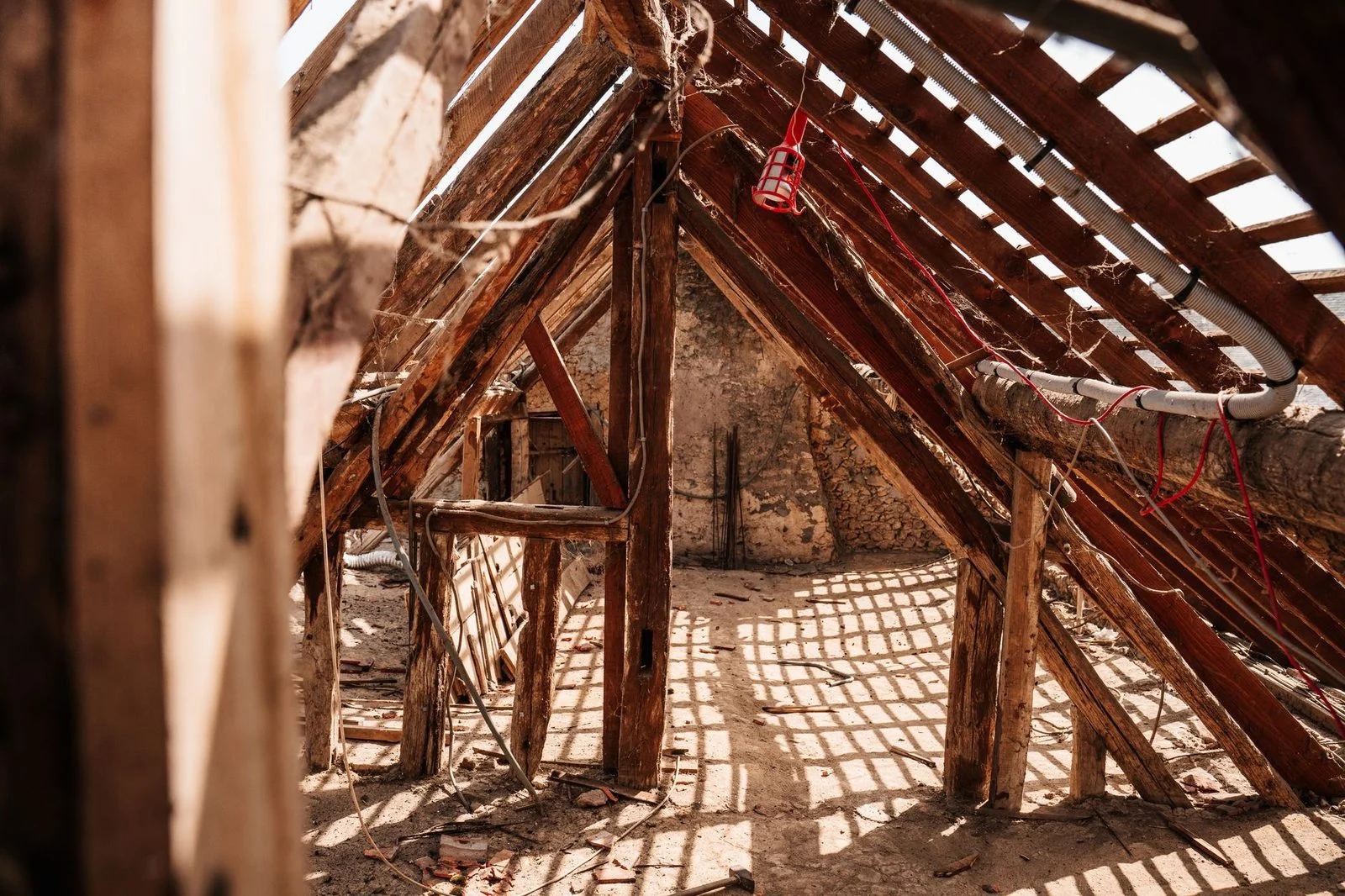
Talk Through Your Tile Roof Permit Questions With Our Team
If your tile roof is cracked, leaking, or nearing the end of its life, and you aren’t sure whether replacing it needs a permit, our team can walk through the scope with you before any work begins. Your first consultation is free, confidential, and comes with no obligation (consulta inicial gratuita, confidencial y sin compromiso). Reach out through our contact page to go over your roof’s scope, permit steps, and inspection schedule.
How We Approach Your Tile Roof Project
Permit Questions Addressed Upfront
We review your project scope with you early so you know what documentation and approvals to expect before work starts.
Built for South Florida Conditions
ASP Superhome focuses on roofing solutions designed for South Florida's heat, humidity, and storm exposure.
Clear Next Steps
Our team explains each stage of a tile roof replacement so you can plan with confidence.
Support From Start to Finish
Our team stays in touch throughout the project, from first consultation to completed installation.
Check Before You Remove Any Roofing Material
Permit requirements can change based on the scope of work and the municipality where your home is located. Confirm the requirements for your project before tearing off existing tiles or underlayment.
Common Permit Questions for Tile Roofs
Is a permit needed for a full tile roof replacement?
Roof replacement is often a permitted project in Miami-Dade, but requirements vary by municipality and by the details of your job.
Does a roof repair always need a permit?
Smaller repairs may have different requirements than a full replacement. Describing your project to our team helps clarify what applies.
Who submits the permit application?
Our team can explain the typical process and what paperwork is involved, so you know what to expect before the project starts.
What if I want to switch from tile to metal?
Changing roofing materials can affect permitting and inspections. Contact us to discuss your options before making decisions.
Not Sure What Your Project Requires? Start With a Free Consultation.
Related practice areas
- Tile Roofing in South Florida: Costs, Styles & Installation Guide
- Will a New Tile Roof Lower My Florida Homeowners Insurance?
- Tile Roof Installation Miami-Dade Wind Rated | ASP Superhome


