


Roof Replacement | South Florida
What Really Drives the Cost to Replace a Roof in Florida
Roof size, material, structure and local requirements all shape your final number. Here is what to expect and how to plan your project.
By Jonathan Rodriguez · Published November 6, 2026
There is no single average cost to replace a roof in Florida that fits every home. Price depends on the roof’s size, shape, material, and condition. It also depends on the permits and code work the job requires. This page explains those factors so you can read an estimate with confidence. Many people search this question after a leak, a storm, or while planning solar panels in Miami, Fort Lauderdale, or Naples.
What Is the Average Cost to Replace a Roof in Florida?
No single average figure works across Florida, so the useful answer is the set of factors that move the price. Florida roofs differ in size, shape, material, and exposure to sun, heat, humidity, wind, and salt air. A number from one house rarely matches the next.
Florida cost research ties estimates to real contractor pricing. The Florida Building Commission interim roofing report covers roof-deck replacement cost impacts. Its estimates are based on bids from Florida roofing contractors. For a broader view of planning solar and home upgrades, read our South Florida solar battery guide.
If you're weighing a roof for a home you own or manage after storm damage or wear, our team can walk through the numbers with you. Talk it through with our team — the first consultation is free, confidential, and carries no obligation.
Roof Size, Pitch, and Layout
Roof area is the starting measurement. Layout often changes labor as much as size does. Installers price the material needed and the time required to install it safely.
Steep pitches, several roof planes, valleys, dormers, and skylights add cutting, safety work, and time. Each opening in the roof is another spot where flashing must be installed correctly. A simple gable roof and a complex hip roof can cost noticeably different amounts, even at similar square footage.
Ask whether the estimate comes from a physical inspection and measurement of your roof. An estimate built from a quick look at the street may miss the real layout. A measured estimate gives you a clear basis to review line by line.
How Material Choice Changes the Budget
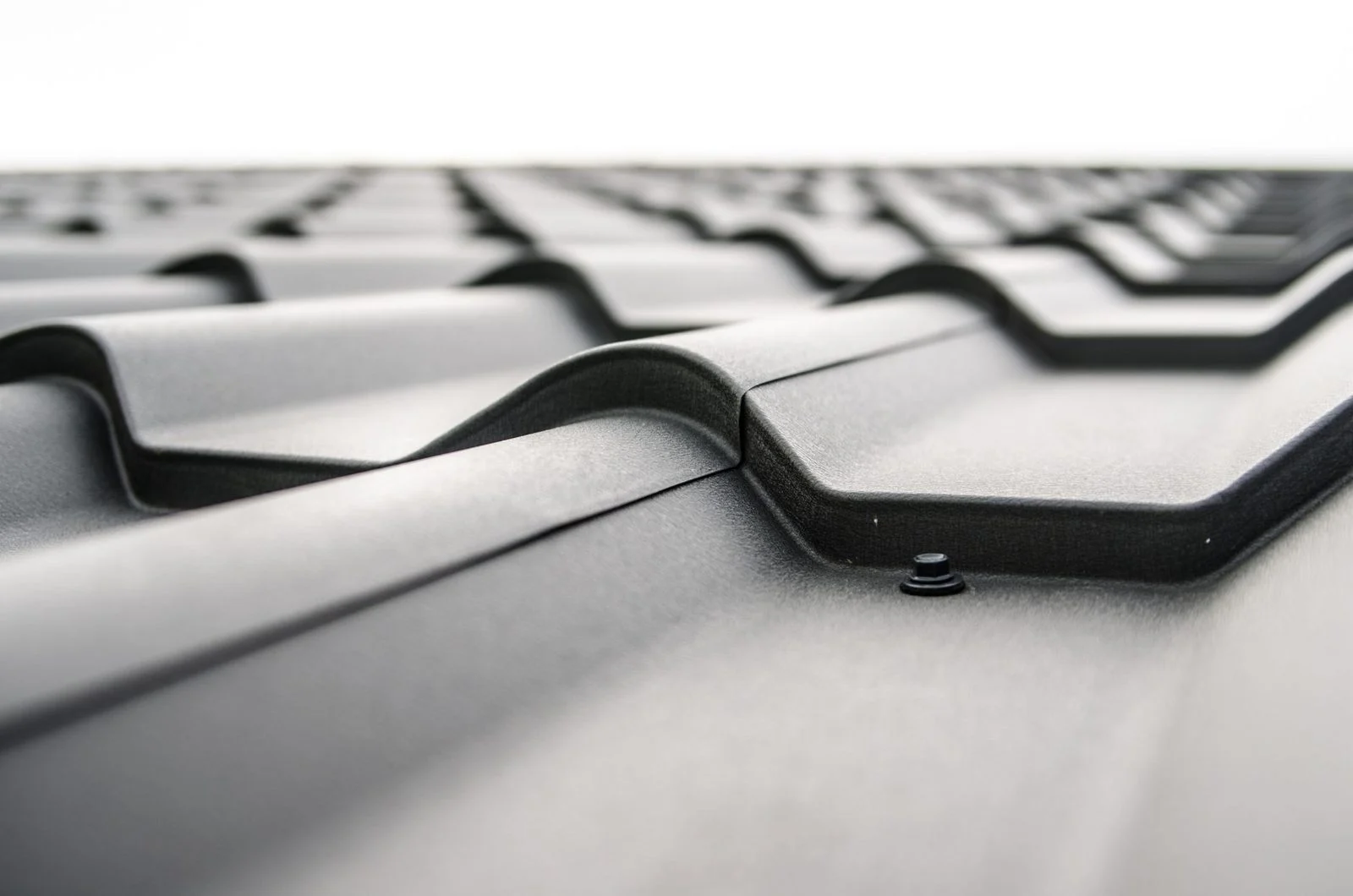
Metal roofing and tile roofing are the two main options on this page, and they price differently. Material is only one line of the total. Underlayment, fasteners, flashing, and labor all change with the material you pick.
Metal roofs are known for long service life. The Metal Roofing Alliance states that quality residential metal roofs can last 50-plus years and may reduce long-term maintenance and replacement costs. That source does not give an exact cost for a specific house or Florida pricing, so use it as a durability point, not a price.
Tile roofs are heavier, so the home’s framing can be part of the decision. Wind-rated and impact-rated details also affect the price. When those details apply to your home, they belong in the estimate from the start.
Tear-Off, Decking, and Hidden Repairs
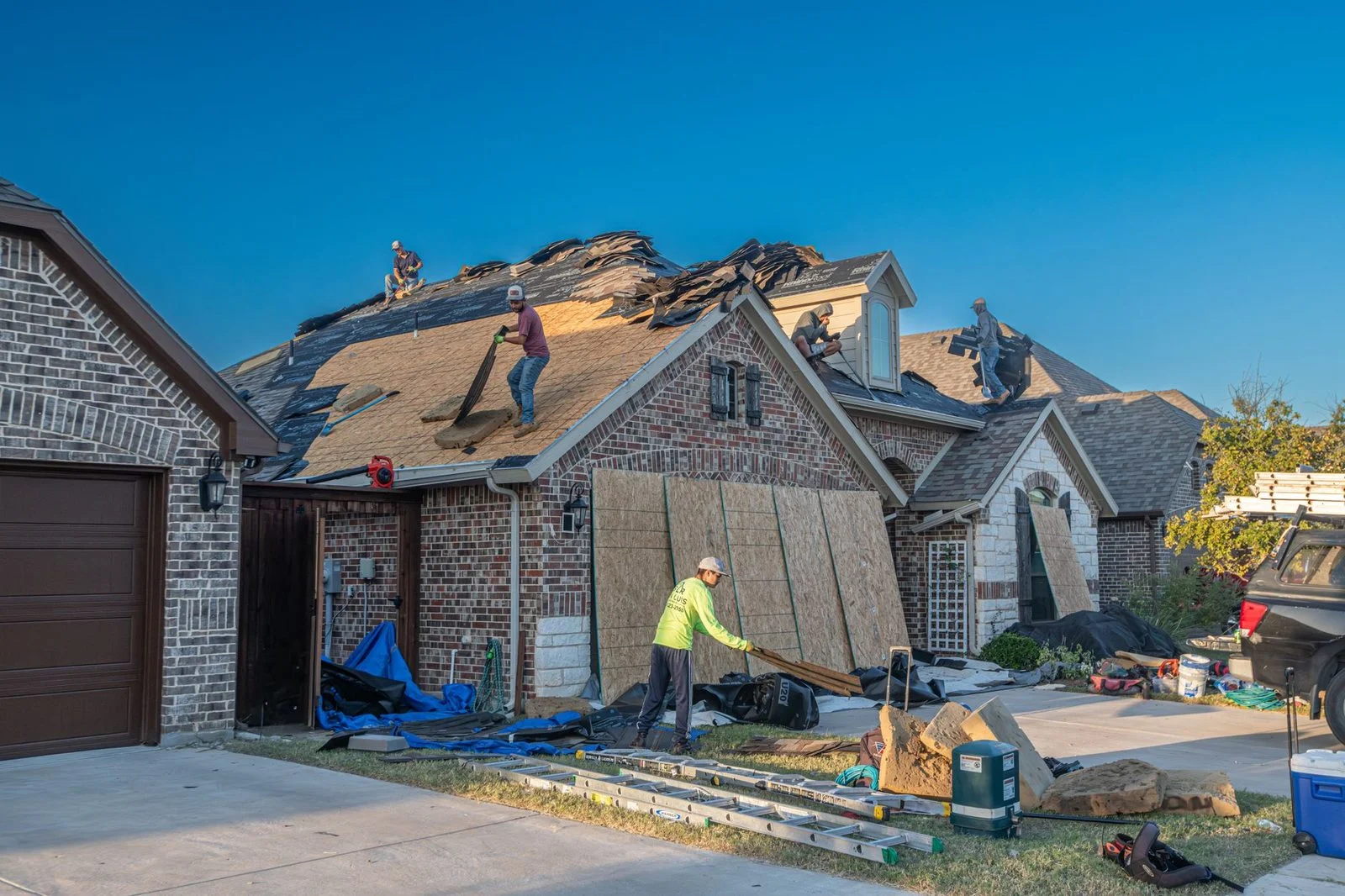
Tear-off means removing the old roofing system down to the deck before the new roof goes on. The deck is the structural layer under the roofing. Costs often shift here, because hidden conditions only show up once the old roof comes off.
Rotted or water-damaged decking is often found only after tear-off. Replacing deck boards or panels adds material and labor. Damaged underlayment, fascia, soffit, and flashing can turn up the same way. A careful estimate allows for these possibilities and explains how each would be priced.
Florida’s building code also shapes this work. The Analysis of Changes for the Florida Building Code, Residential notes that a revised exception allows the upper roof covering or roof system to be taken off only during recovering, provided the existing or repaired substrate is adequate for installation of a new approved roof covering or roof system. The Analysis of Changes for the Florida Building Code, Residential notes that the 2026 section on this topic was revised to broaden its scope to all roof types and shapes. The Analysis of Changes for the Florida Building Code, Residential notes that the 2026 section on this topic was revised to require a minimum of 6 inches of lap over hips and ridges, except where ventilation openings are provided. Ask how unexpected repairs found during tear-off are priced.
Roof Repair or Full Replacement: How the Decision Changes the Cost
A repair is often the right answer for localized damage. Widespread wear usually points toward replacement. A repair fixes a specific problem, such as a few missing tiles or a leak at a vent.
Repeated repairs add up over time. Compare the cost of several repair visits with the cost of one replacement. Frequent leaks are a sign to look at the whole system, not just one spot. The right answer depends on the roof’s condition, which an inspection determines.
Florida law also sets a threshold for partial work. Florida law provides that if 25 percent or more of a roofing system built, repaired, or replaced in compliance with the 2007 Florida Building Code or any subsequent edition is repaired, replaced, or recovered, only that repaired, replaced, or recovered portion must be constructed in accordance with the Florida Building Code in effect (Florida Statutes, section 553.844). For site-built single-family homes in the wind-borne debris region with an insured value (or, if uninsured, a just valuation) of $300,000 or more, the same statute says a roof replacement must include roof-to-wall connection improvements, but that work is not required unless the gable ends or all corners can be evaluated and connected for 15 percent of the cost of roof replacement.
How Long a Roof Lasts in Florida and Why Timing Matters
Roof life in Florida depends on material, installation quality, sun, heat, humidity, wind, and storms. Florida’s climate puts steady stress on every roofing system.
Watch for common warning signs. Granules or grit in gutters can mean the surface is wearing away. Lifted or cracked tiles or panels can let water in. Daylight visible in the attic and recurring ceiling stains show water is already getting through.
Waiting with active damage carries real cost. Water can reach decking, insulation, and interior finishes. Once that happens, the scope of the job often grows.
If you’re weighing a roof replacement against a battery installation, the order matters. Our guide on replacing a roof before adding solar battery backup in Florida explains that sequence.
Not sure what your next step is?
Talk it through with our team — the first consultation is free, confidential, and carries no obligation.
Storm Damage and Planning Your Roof Budget
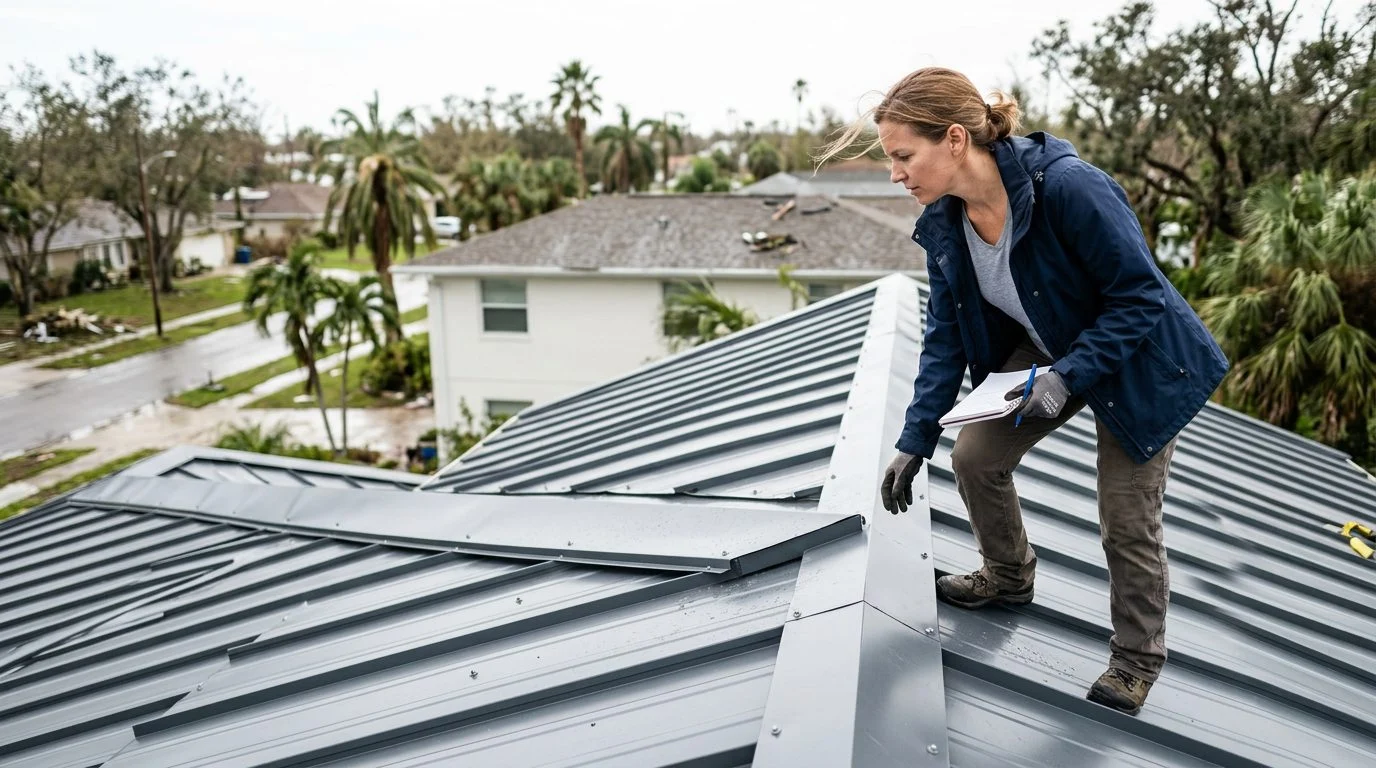
Many Florida roof replacements begin after a storm. Insurance, timing, and urgency can all feel pressing at once. A clear sequence of steps helps.
Start with documentation. Take dated photos of the damage and keep any inspection report. Florida’s Department of Financial Services explains that homeowners insurance generally covers the dwelling. Replacement-cost coverage may apply, subject to the policy’s terms and limits, per its homeowners insurance overview.
Timing matters too. Under Fla. Stat. § 627.70132, a claim generally must be noticed within 1 year after the date of loss. Fla. Stat. § 627.70132 reads: “A supplemental claim is barred unless notice of the supplemental claim was given to the insurer in accordance with the terms of the policy within 18 months after the date of loss.” Fla. Stat. § 627.70132 reads: “(2) A claim or reopened claim, but not a supplemental claim, under an insurance policy that provides property insurance, as defined in s. 624.604, including a property insurance policy issued by an eligible surplus lines insurer, for loss or damage caused by any peril is barred unless notice of the claim was given to the insurer in accordance with the terms of the policy within 1 year after the date of loss.” For hurricanes and windstorms, the date of loss is the landfall date or the date NOAA verifies the event.
Plan for code work and permits. Under Fla. Stat. § 627.7011, before issuing a homeowner’s policy, the insurer must offer law and ordinance coverage for code-required costs. That coverage may be limited to 25 or 50 percent of the dwelling limit, as selected by the policyholder, and applies only to repairs of the damaged portion of the structure unless total damage exceeds 50 percent of the structure’s replacement cost. Unless the policyholder refuses in writing, the policy is deemed to include this coverage limited to 25 percent of the dwelling limit, so check your policy. If storm damage also affected your solar system, see our guide to solar battery systems after hurricane or flood damage.
Questions to Bring to a Roof Estimate
A written estimate should answer the questions that set the final number. Use this checklist when you review one:
- What is the material, and what is its wind rating?
- Is tear-off included?
- How are hidden decking repairs priced?
- Who handles permits and inspections?
- What does the warranty cover?
A written estimate that answers these questions shows what the number includes. A real figure for your roof comes from measurements and an inspection of that roof.
Do I need a permit to replace a roof in Miami?
Yes. The City of Miami requires permits for residential and commercial roof repair or replacement.
Does homeowners insurance pay for a full roof replacement in Florida?
It may, subject to the policy’s terms and limits. Replacement-cost coverage is one form of coverage to review.
How long does a roof last in Florida?
Life varies with material, installation quality, and weather exposure. Quality metal roofs can last 50 years or more, according to the Metal Roofing Alliance.
Talk Through Your Roof Situation With Our Team
If you’re trying to understand a roof cost for a home you own, manage, or are helping a family member with after storm damage or wear, you don’t have to sort it out alone. Our team can walk through these questions for your specific roof.
Our first consultation is free, confidential, and comes with no obligation to continue.
To take the next step, request a quote or book a free estimate for a roof inspection.
Key Factors That Affect Your Roof Replacement Cost
Roof Size and Pitch
Larger roofs need more materials and labor. Steeper pitches take more time and safety equipment to work on.
Roofing Material
Tile, metal and other materials differ in material price, installation method and long-term durability, so the material you choose changes the total.
Roof Complexity
Multiple roof planes, valleys, skylights and penetrations add cutting, flashing and detail work.
Condition of the Decking
Soft or damaged decking must be repaired or replaced before new roofing goes on, which can change the scope of work.
Tear-Off and Disposal
Removing existing roofing and hauling away old materials is part of the job and affects labor and cost.
Permits and Local Requirements
Permit requirements vary by municipality. Confirm what applies to your property before work begins.
Be Wary of Quotes Without an Inspection
A number given without looking at your roof's structure, decking and existing layers can change once work starts. Ask for a written estimate that lists materials, tear-off, decking and permits.
How to Plan Your Budget
Start With an Inspection
A detailed look at your roof and attic helps identify repair needs and hidden damage before you commit to a scope.
Compare Materials Side by Side
Ask for pricing on each material you are considering, including installation and expected maintenance.
Review Your Insurance Policy
Coverage depends on your policy's terms and limits. Review your declarations page and ask your insurer what applies.
Plan for Contingencies
Setting aside funds for unexpected decking repairs keeps the project on track if hidden issues appear.


