


Solar Battery Backup | South Florida
Flood-Damaged Solar Battery? Get It Checked Before You Power It Up
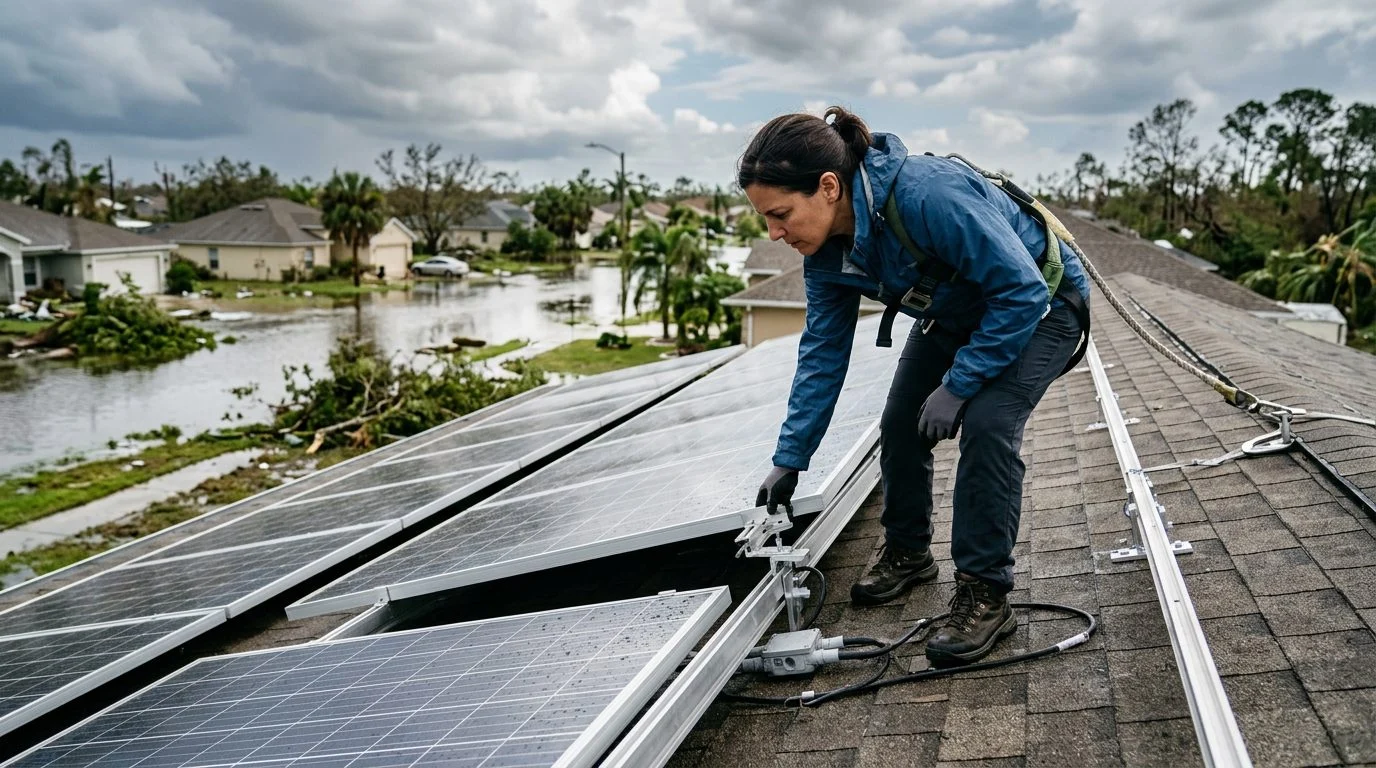
Hurricane flooding can harm a solar battery in ways you can't see. ASP Superhome helps South Florida homeowners assess the damage and plan next steps.
By Jonathan Rodriguez · Published November 6, 2026
A solar battery damaged by hurricane flood in Florida should stay switched off until a qualified technician inspects it. Floodwater and storm surge can harm the battery, the inverter, and the wiring, even when the outside looks fine. This guide explains what happens to that equipment, what to document, and how to weigh repair against replacement. It is written for homeowners in Miami, Fort Lauderdale, West Palm Beach, Kendall, Naples, Fort Myers, and Boca Raton.
Why Flood and Storm Surge Affect a Solar Battery Differently Than Wind
Wind mostly strikes the roof and the panels, while flood water and storm surge reach equipment sitting low on the property. Batteries, inverters, and wiring are often mounted near ground level, so rising water can reach them first.
Water doesn’t need to fill the whole unit to cause trouble. It can slip into enclosures, conduit, and connections through small gaps and cable entries. Once inside, it can sit where no one can see it.
That’s why a quick visual check isn’t enough. The outside of a battery can look clean and undamaged while moisture is trapped in its electronics. Surge can also carry mud, silt, and debris into the equipment, and those particles can hide problems.
For a broader look at battery backup for South Florida homes, read our solar battery backup guide for South Florida.
If your battery sat in floodwater or storm surge, you may be weighing repair against replacement without knowing what's safe. Send us the details and we'll help you plan the next step. Talk it through with our team — the first consultation is free, confidential, and carries no obligation.
What Saltwater and Flood Water Do to Battery Components
Saltwater and flood water attack metal parts and circuit boards, and the damage often grows after the water leaves. Some of the worst effects show up days or weeks later, not on the day of the storm.
Saltwater conducts electricity. It can create unwanted paths between terminals, busbars, and connectors. It also speeds up corrosion on exposed metal, which weakens the connections that carry power.
Mud and silt cause a separate problem. When the water recedes, wet sediment can hold moisture against components for a long time. That moisture keeps corrosion going after the storm has passed.
Corrosion builds slowly. A connector that looks fine on day one can loosen, discolor, or fail later. The battery, inverter, and wiring work as one system, so trouble in one part can affect the others.
Why a Waterlogged Battery Should Not Be Powered Up Without an Inspection
Don’t power up, reconnect, or open a flooded battery before a qualified technician inspects it. Restarting a damaged unit can turn a repair into a safety problem.
Many home batteries use lithium-based chemistry. Water can harm the cells and the electronics that manage them. A damaged cell can overheat, swell, or create a fire risk.
Keep people and pets away from the unit if you notice swelling, heat, scorch marks, or a burnt smell. Don’t try to open the enclosure or reconnect cables to test it.
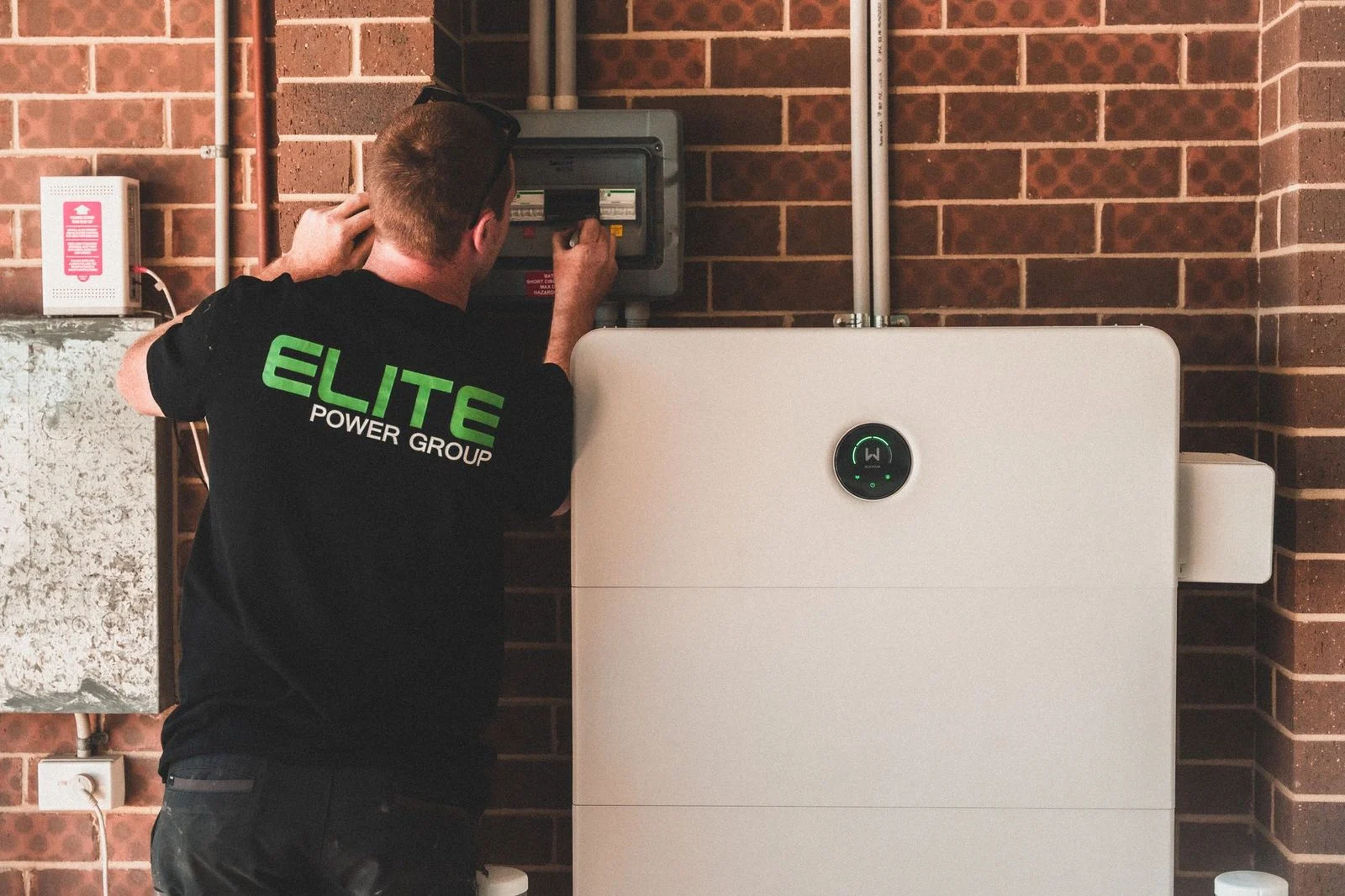
A qualified technician checks for water intrusion, corrosion, swelling, heat, and error codes. The technician then decides whether the system is safe to return to service. That step matters more than how the unit looks from the outside.
How Solar Panels, Inverters, and Wiring Are Affected Alongside the Battery
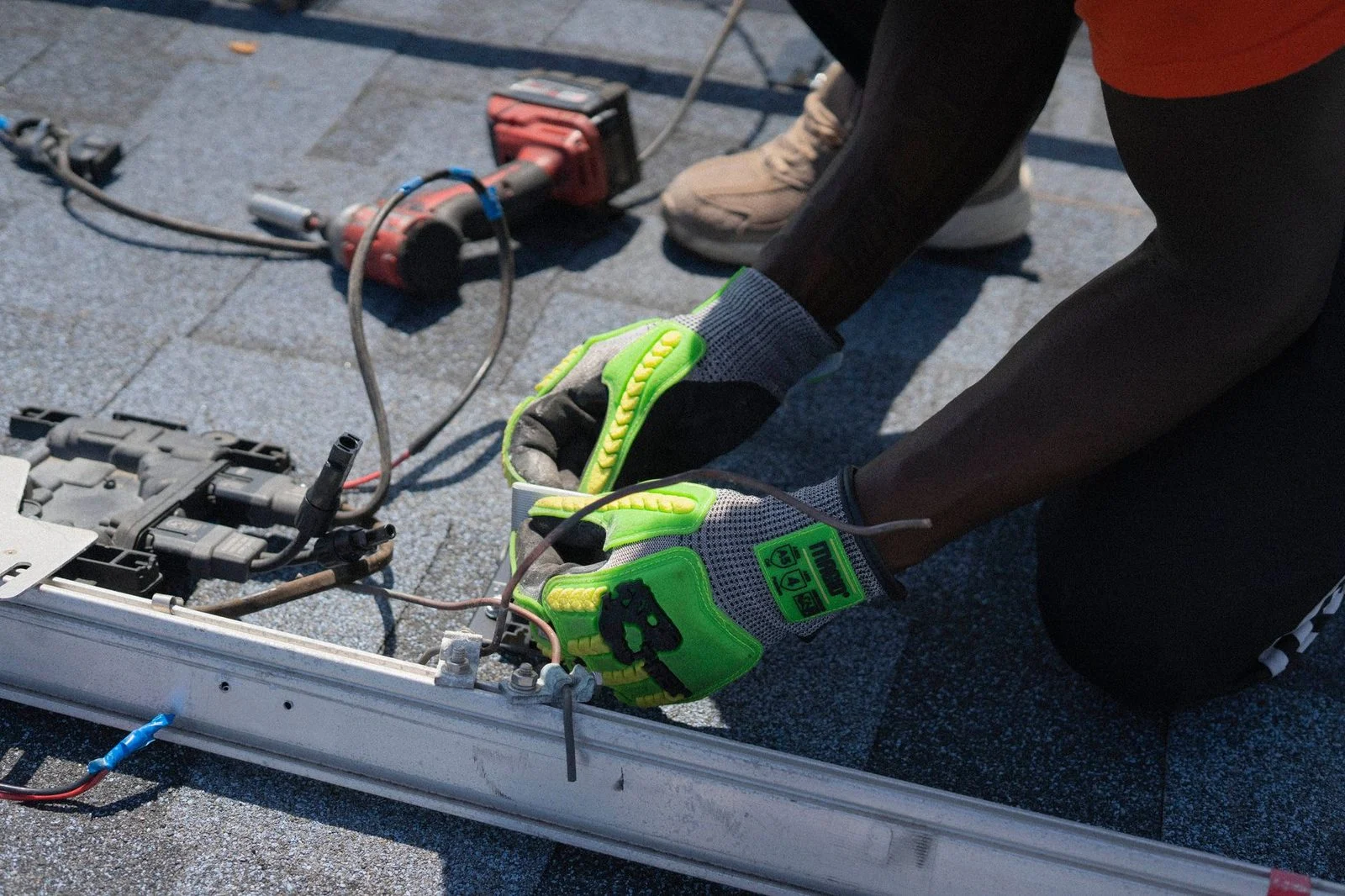
Panels, inverters, disconnects, and wiring work together as one system. An inspection should look at all of them, not just the battery.
Panels on the roof can look undamaged while the inverter below them has taken on water. Wiring runs through low spaces can fail the same way. A corroded disconnect can stop the whole system from working as designed.
Strong storms can also shatter or shift panels. Those panels need their own assessment. A broken panel and a flooded battery are separate problems, even when the same storm caused both.
ASP Superhome provides solar panel and solar battery backup services. That means the panels, inverter, battery, and wiring can be reviewed together, so the repair plan covers the full system.
Steps to Take After a Flood or Storm Surge Event
Start with safety, then record the damage before anyone cleans up or moves equipment. Documentation helps with repairs, insurance, and warranty questions later.
- Keep people and pets away from flooded equipment and standing water near electrical parts.
- Photograph the battery, inverter, enclosures, and the area around them. Include water lines and debris.
- Write down the make, model, and serial number if you can read them. Note any alerts or error messages on the display.
- Keep a log of the storm date, when water arrived, and any damage inside the home.
Florida’s claim rules also set deadlines. Under Fla. Stat. § 627.70132, a property claim is barred unless notice reaches the insurer within 1 year after the date of loss. A supplemental claim is barred unless notice comes within 18 months. For hurricanes, the date of loss is the date the hurricane made landfall. Notice must also follow the terms of your policy.
Warranty and insurance terms vary by policy and manufacturer, so read your own documents closely.
Repair or Replacement: What the Decision Depends On
The choice between repair and replacement turns on the cells, the extent of corrosion, the system’s age, and whether the inverter was affected. Inspection results give you the facts you need to compare options.
Florida law generally requires a permit before a building is repaired or altered. Under Fla. Stat. § 553.79, unless otherwise provided by law, it is unlawful to repair a building without first obtaining a permit from the enforcing agency.
Ask our team at the start whether your battery equipment can be placed at a higher point on your property.
Financing is covered in our guide to solar battery financing in Florida. Tax questions are covered in our Florida sales tax guide for solar batteries. For local context, see the Miami battery backup guide.
Can a flooded solar battery be used again?
Only after a qualified inspection confirms it is safe to return to service. Don’t switch it on before that check.
Does saltwater damage a solar battery?
Saltwater can corrode metal parts and create unwanted electrical paths. That’s why the whole system needs inspection.
How long do I have to file an insurance claim in Florida?
Under Florida law, notice of an initial property claim must generally be given within 1 year after the date of loss, and notice of a supplemental claim within 18 months after the date of loss. These are notice deadlines, separate from the time limit for filing a lawsuit.
Not sure what your next step is?
Talk it through with our team — the first consultation is free, confidential, and carries no obligation.
Talk Through Your Flooded Battery With the ASP Superhome Team
If your battery was under floodwater or surge, you likely need three answers: is it safe to use, what needs fixing, and does replacement make sense. Those answers start with an inspection and a clear record of what happened.
Our first consultation is free, confidential, and carries no obligation to continue.
When you’re ready, send us the make, model, photos, and any error messages through our contact page. Our team will review what you share and set up the next step with you, whether that’s a quote or an inspection.
Safety first
Do not switch on or reconnect a battery that has been under floodwater. Flooded electrical equipment can be dangerous, and it should stay off until a qualified inspection confirms it is safe.
What to do after a flood
Keep your distance
Stay away from the battery, inverter, and wiring if they are wet. Do not attempt repairs yourself.
Document the damage
Take clear photos and video of the equipment, the installation area, and any water line. This record helps during inspection and any later review.
Leave the system off
Keep the system switched off and disconnected until it has been checked. Restarting a damaged battery can cause further harm.
Schedule an inspection
A full inspection looks at the battery, inverter, panels, and wiring together, since saltwater and moisture can affect every part of the system.
Why homeowners contact ASP Superhome
Whole-home perspective
Solar battery backup is one part of a complete home system. We look at how it connects to your panels, roof, windows, and doors.
Clear next steps
We explain what needs to be checked, what can be repaired, and what may need replacing so you can plan with confidence.
Free first consultation
Our first consultation is free, confidential, and comes with no obligation to continue.
Serving South Florida
We work with homeowners in Miami, Fort Lauderdale, West Palm Beach, Kendall, Naples, Fort Myers, and Boca Raton.
Worried your solar battery took on water? Let's take a look.
Related practice areas
- Impact Windows Miramar: How Sizing and Ordering Work


