


Roof & Solar Planning | South Florida
Replace Your Roof Before or After Solar? Get a Clear Plan First
Roof age, panel placement, and timing all shape the right order of work. Here is how to think through it for your South Florida home.
By Jonathan Rodriguez · Published November 6, 2026
The Short Answer: Why Roof Timing Matters Before Solar
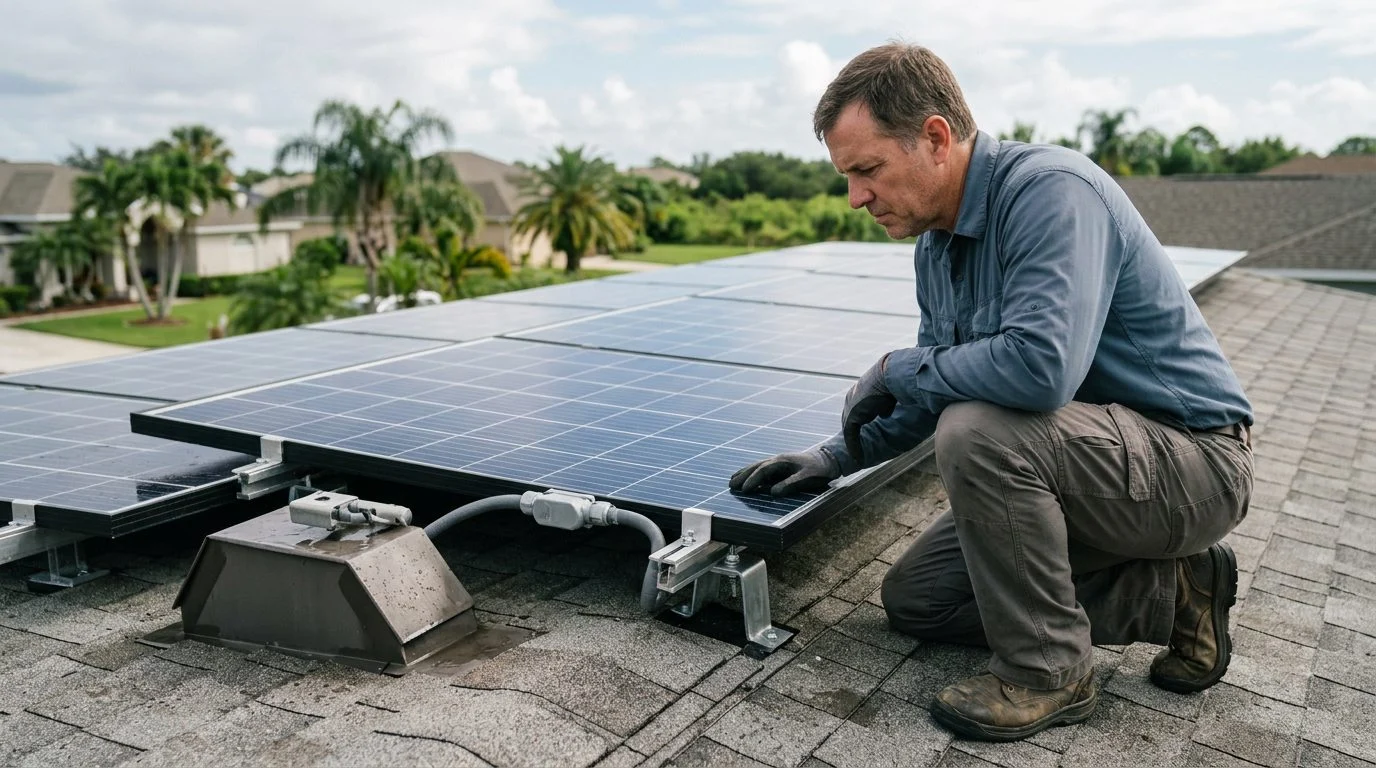
Many Florida homeowners ask should I replace my roof before solar panels Florida. When the roof is near the end of its life, replacing it before installing solar is usually the cleaner order. A roof in sound condition with many years left may not need to change first. The right answer depends on the facts of your roof, so start with an inspection.
Solar panels are typically installed for decades. The roof under them needs to stay sound for about that long. If the roof fails halfway through, the panels must come off, the roof gets fixed, and the panels go back on. That means extra labor, extra cost, and more time.
This guide covers roof age and condition, what panel removal involves, how a battery fits in, and how to decide the order. Each section answers one part of the question.
If your roof is getting older and you're weighing solar and a battery, we're glad to talk through your options with you. Talk it through with our team — the first consultation is free, confidential, and carries no obligation.
Do Solar Panels Require a New Roof?
Solar panels do not automatically require a new roof. The real question is whether your existing roof can carry the array for its expected service life.
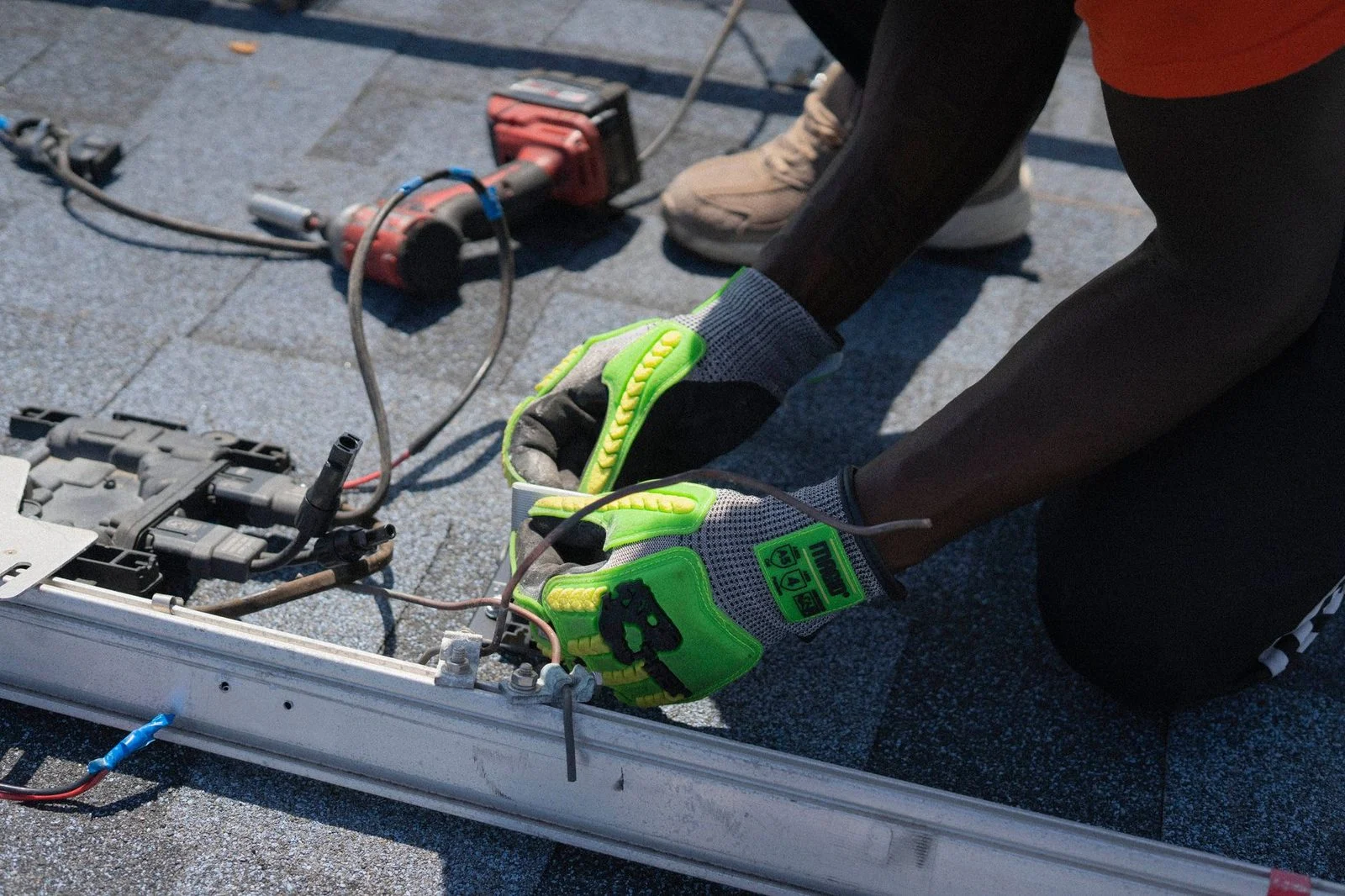
Roof-mounted panels attach through the roofing material. Any later roof repair or replacement usually means the array comes off and goes back on.
Some homeowners look at ground-mounted arrays instead. This guide focuses on roof-mounted systems, which are common on Florida homes. Newer code also addresses flashing. The Florida Building Commission analysis of the 2026 residential code says flashing for photovoltaic panels must follow the chapter and the manufacturer’s installation instructions.
Signs Your Roof May Need Replacement Before Solar
A roof should be replaced first when it shows age, widespread wear, or repeated leaks. Age alone is a good reason to have the roof checked before you commit to panels.
Look for visible wear. On asphalt shingles, that means granule loss. On tile, it means cracked, lifted, or missing pieces. Metal roofs show rust or failed fasteners. Curled or brittle materials are another warning sign.
Leak history matters too. Recurring leaks, ceiling stains, or repeated repairs can mean the decking, underlayment, or flashing is worn. Those layers sit under the panels, where you cannot see them from the ground.
Florida’s sun, heat, humidity, and wind-driven rain speed up wear. A roof that looks fine from the street can still be near the end of its life.
A professional inspection checks the parts a homeowner cannot judge from below. The inspector looks at decking, underlayment, and flashing. Ask for those findings in writing, so you can compare them with your solar plan.
The Remaining-Life Rule of Thumb: Is the 25% Rule Real?
Some installers use a rule of thumb: if a roof has about a quarter or less of its expected life left, replace it before adding solar. This is an industry guideline.
Don’t confuse it with a code rule. That number concerns how much of a roof must meet current code. It does not measure remaining roof life.
A better planning step is to compare the roof’s remaining life with the life of the solar system. If the roof will need replacing soon after the install, you could pay to remove and reinstall panels twice.
What Removing and Reinstalling Panels Adds to the Project
When a roof is replaced after solar goes in, the panels and mounting hardware usually come off and go back on. That adds labor and cost, and it can stretch the timeline.
Scheduling is the other cost. Roofing, mounting, and electrical work must line up. Each step waits on the one before it, so one delay can push the whole project back.
Plan for electrical and mounting checks after reinstallation. They belong in the scope from the start. Permits also set the timeline. The City of Miami roofing permit page says roof repair and replacement need permits. Solar has its own paperwork.
Roof work can also affect your panel and workmanship warranties. Our team can explain how roof work affects the terms.
Cost and timing depend on system size, roof material, and access. Ask for the roof and solar work to be estimated together, so you see the full picture.
Roof Material Matters: Metal, Tile and Shingle Roofs With Solar
Metal, tile, and shingle roofs each change the sequence in different ways. The material affects how long the roof will last and how the panels attach.
Metal roofs suit homeowners who plan to keep solar for many years. The EPA’s guidance on cool roofs explains that reflective, light- or cool-colored metal roofing can reduce solar heat transfer and indoor temperatures. It can also reduce air-conditioning energy use, including in warm climates.
Tile roofs can last a long time when they are in sound condition. Tiles must be handled carefully during panel removal and reinstallation. Broken tiles add to the cost, so ask how the installer plans to protect them.
Shingle roofs are common, and they usually have a shorter service life than metal or tile. Their age and condition deserve the closest look before you add solar.
Mounting systems should match the roofing material. The roof type shapes which installation method makes sense for your home.
Not sure what your next step is?
Talk it through with our team — the first consultation is free, confidential, and carries no obligation.
Adding a Battery Backup Changes the Storm Picture
A battery backup stores solar energy for use when the grid is down. Many Florida homeowners consider one for hurricane season and power outages. The U.S. Department of Energy’s solar guidance covers energy storage and battery backup basics.
The roof is part of the storm plan. A sound roof and a well-fastened array help protect the system and the home. Get the roof in good shape before the battery goes in, not after.
Battery location matters too. If a battery goes inside a dwelling space, the openings into the home must meet specific rules. It also allows a door with a 20-minute fire protection rating. Those doors must be self-latching and self-closing.
Plan the roof, solar, and battery together. Coordinate battery location, wiring, and roof condition from the start. If impact windows or impact doors are part of your storm plan, review them in the same conversation.
Paying for the Roof, the Solar System and the Battery
Roof work and solar are often paid for separately. Compare each part before you choose the sequence. Each payment path has its own rules.
If you finance through a qualifying-improvement program, Florida law sets notice rules. The notice must include the maximum amount to be financed.
Florida also requires a written statement in many residential contracts. Fla. Stat. § 489.1425 says repair, improvement, or construction contracts for residential property must explain your rights under the Florida Homeowners’ Construction Recovery Fund. The exception applies only when all labor and materials total $2,500 or less.
For federal tax purposes, IRC § 25D allows a credit for certain residential energy property expenditures. Under this section, qualified battery storage technology expenditures must be for storage with a capacity of not less than 3 kilowatt hours, and the credit does not apply to any expenditures made after December 31, 2025.
Ask for one written scope. List roof work, panel removal and reinstallation, and battery installation as separate lines. That makes each option easy to compare.
Questions to Ask Before You Decide the Order
Before you choose the order, get clear answers to these questions in writing:
- What is the roof’s age, material, and estimated remaining life, and what did the inspection find?
- If the roof is replaced first, how will the solar timeline and panel removal be scheduled?
- If solar goes on first, what will the roof’s remaining life mean for future removal and reinstallation?
- How will the battery be integrated, and where will it go?
- Will the estimate separate roof, solar, and battery costs?
Frequently asked questions
Should I replace my roof before solar panels Florida?
If the roof is near the end of its life, replacing it first is usually the cleaner order. A sound roof with many years left may not need to change first.
Do I have to remove solar panels to replace a roof?
For roof-mounted panels, usually yes. The panels attach through the roofing, so they come off and go back on.
Can solar affect my homeowners insurance in Florida?
You should confirm your coverage with your insurer before you sign.
Talk Through Your Roof With Our Team
You may be looking at a roof that is getting older. You may be helping a parent who owns an older home. Or a storm season may have brought this decision sooner than you planned. You don’t have to sort out the order alone.
Our team can talk through your roof’s age and condition, along with your solar and battery plan. Our first consultation is free, confidential, and comes with no obligation to continue (Spanish: “consulta inicial gratuita, confidencial y sin compromiso”).
When you’re ready, book a free estimate or request a quote through ASP Superhome’s contact page.
Plan roof and solar work together
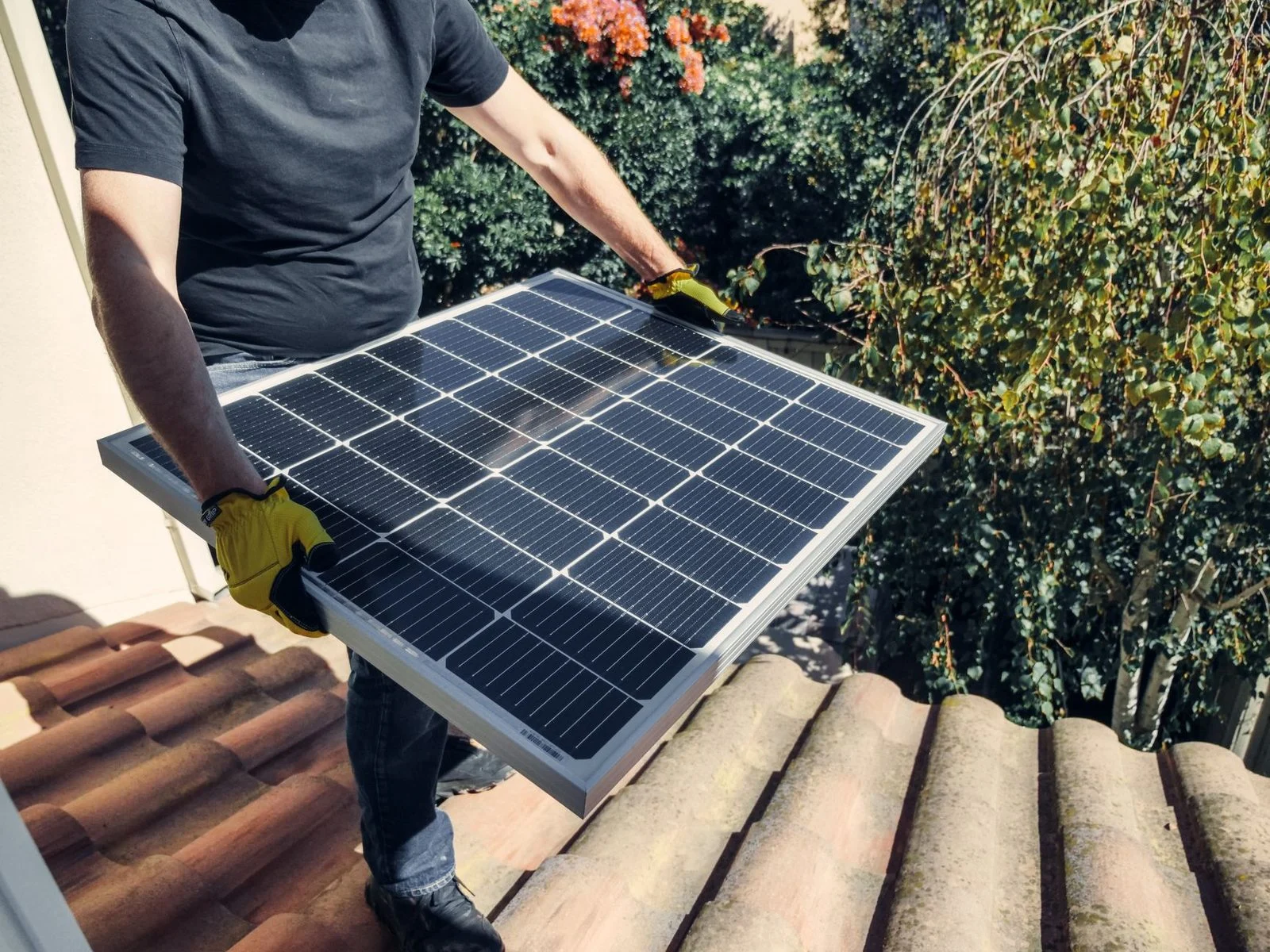
For roof-mounted panels, the panels usually need to be removed and reinstalled during a roof replacement. Ask for the roof and solar work to be scheduled as one plan so the panels are not taken off twice.
Key factors to weigh
Roof age and condition
A roof nearing the end of its useful life is often easier to replace before panels go up.
Remaining roof life
A sound roof with many years left may not need to change before solar is installed.
Panel layout
Where panels sit on the roof affects how much work is needed when the roofing is replaced.
Timing and disruption
Coordinating roofing and solar in one schedule reduces repeat work and keeps your home running smoothly.
How our team approaches your home
Roof-first review
We look at the condition of your existing roof before recommending any solar work.
Clear options
We explain the order of work, the tradeoffs, and what each path means for your home.
Written estimate
You receive a clear quote covering roofing, solar panels, and battery backup where it applies.
Plain-language answers
Our team walks you through each question at your pace, without pressure.


