


Solar Battery Backup | South Florida
Which Backup Power Fits Your Home When the Lights Go Out?
Compare your options and see how solar battery backup from ASP Superhome can keep your home running through outages across South Florida.
By Jonathan Rodriguez · Published November 8, 2026
What is the best backup source for a power outage? No single option fits every home. The right choice depends on the loads you must keep running, how long you need them to run, and how you will recharge or refuel. Portable power stations, fuel generators, and solar with battery backup each suit different situations.
Why the Right Backup Source Depends on What You Need to Power
The best backup source matches your must-run loads, your runtime, and your recharge plan.
An outage can hit at night, during a storm warning, or while you’re worried about someone home alone. In that moment, the first question is simple: what has to stay on? A phone charger and a few lights need very little power. A refrigerator, a window air conditioner, or a well pump draws far more.
Start with a written list of every item you must keep running. Note each item’s power draw and how many hours you need it. That list drives every other choice. The answer depends on the facts of each home, so the list is your starting point.
Think about heat, too. Florida summers keep air conditioning and refrigeration running for long hours. A short outage in July can feel very different from one in March.
For the broader picture, read our guide to solar battery backup in South Florida.
If an outage has you weighing backup options for your home or a family member, our team is ready to talk it through with you. Talk it through with our team — the first consultation is free, confidential, and carries no obligation.
The Main Backup Power Sources Compared
The three main options are portable power stations, fuel generators, and solar with battery backup.
- Portable power stations are battery units that charge from a wall outlet, a vehicle, or a solar panel. They suit phones, lights, a fan, or a small refrigerator for limited periods.
- Fuel generators run on gasoline, propane, or diesel. They need fuel storage, safe outdoor ventilation away from living spaces, and periodic maintenance. Their noise can disturb neighbors and sleep.
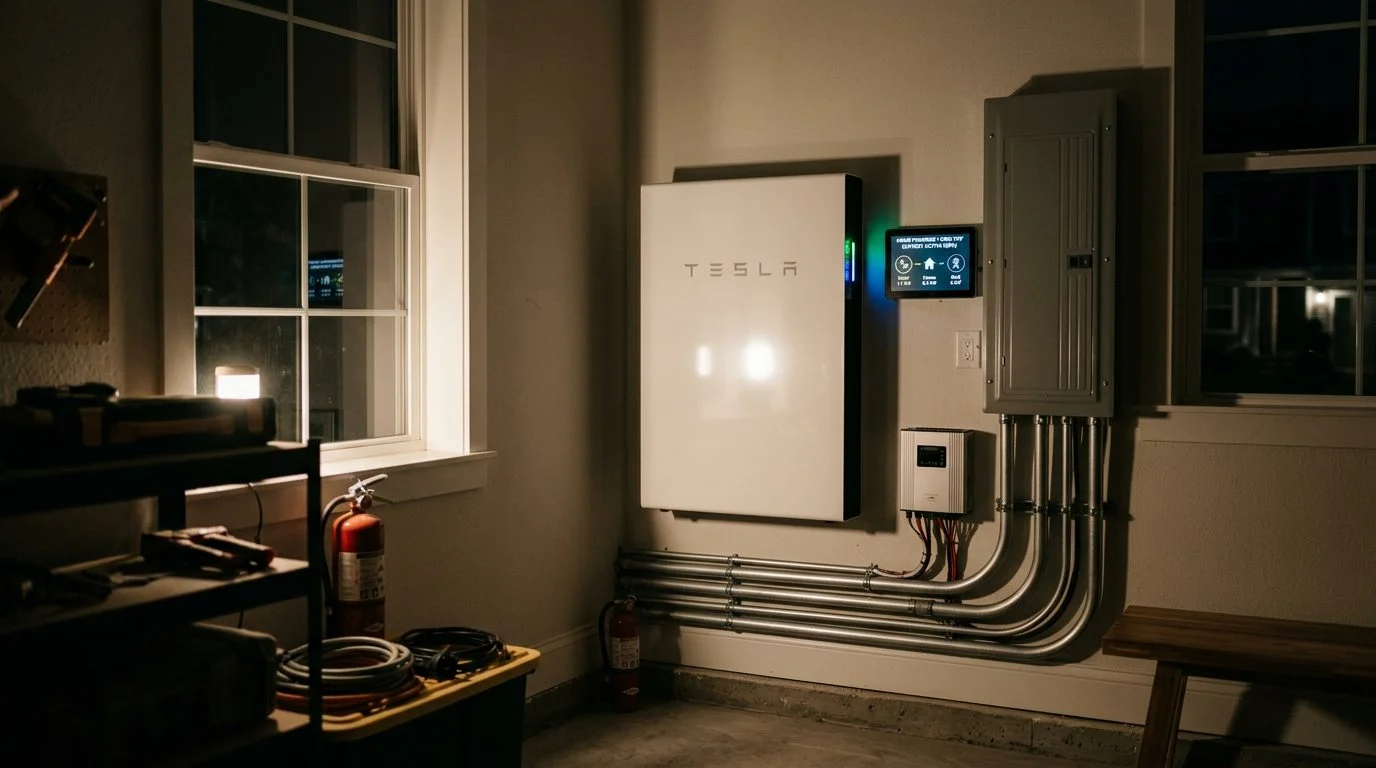
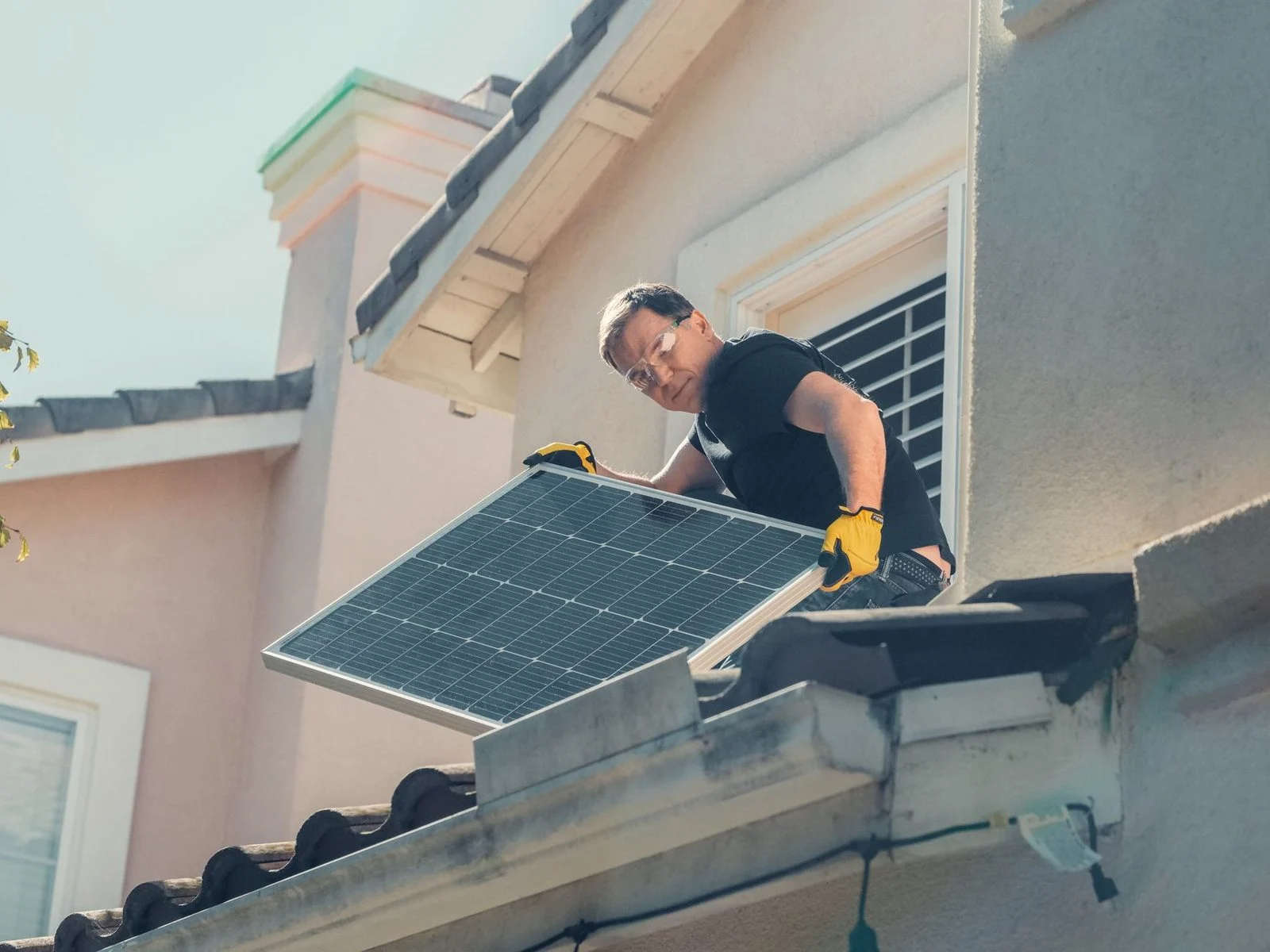
- Solar with battery backup uses panels to charge a home battery during the day. The stored power can run selected circuits or the whole home, depending on how the system is designed.
| Factor | Portable station | Fuel generator | Solar with battery |
|---|---|---|---|
| Runtime | Limited by battery size | Lasts while fuel lasts | Limited by battery size and sun |
| Energy source | Outlet, vehicle, or panel | Gasoline, propane, or diesel | Sunlight, stored daily |
| Noise | Quiet | Audible | Quiet |
| Setup | Plug in and use | Placement and fuel storage | Professional installation and utility steps |
| Upkeep | Battery care | Fuel and maintenance | Panel and battery care |
What Is the Best Source of Backup Power for a Home?
There is no universal winner, but solar battery backup fits households that want power without refueling.
Solar battery backup is built for ongoing, quiet power that recharges each day. It fits households that want key circuits running, or that already plan to add solar panels. Output during an outage depends on battery capacity and system design. Sizing matters more than the product label.
A portable station or generator can be the practical first step. That fits a short budget, a rental, or a need for power during a temporary event. Our team can answer questions about energy storage and battery backup options during your free, confidential initial consultation, with no obligation to continue.
Early planning helps with where the battery will sit.
How Long Does a Battery Backup Last When the Power Goes Out?
A battery’s runtime is roughly its usable capacity divided by the average power draw of what is running.
Here’s a simple example. A battery with 10 kilowatt-hours of usable capacity, running loads that average 1 kilowatt, lasts about 10 hours. Fewer running loads means longer runtime. More loads means shorter runtime.
Refrigerators, air conditioners, and well pumps draw far more power than phone chargers or LED lights. Those large loads shift the math fast, especially in Florida heat when cooling runs for hours.
A common mistake is sizing a battery only for phones and lights. Later, people add the air conditioner without rechecking the math. Add up each item’s rated draw, then total the hours you need. Nameplate ratings are a starting point, and real use varies.
Test your own list against a worked example. Our page on how long a 40 kWh battery lasts shows how capacity changes runtime.
How Solar Battery Backup Keeps the Power On
A solar battery system stores daytime sun power. An inverter then sends that power to your circuits during an outage.
The inverter converts stored battery power into the household electricity your appliances use. It also manages the switch when the grid goes down. Learn more about what a solar inverter does.
A common question is whether an inverter can carry a home through a long outage. Can an inverter last for 24 hours? covers that question in detail. The answer turns on battery size, sun availability, and the loads running.
Systems tied to an investor-owned utility also involve paperwork. Florida Administrative Code Rule 25-6.065 says a customer must notify the utility at least 10 days before first placing the equipment in service. Under Florida’s rule on customer-owned renewable generation, the interconnection agreement of each investor-owned utility can make customers bear the cost of a manual disconnect switch with a visible break, placed between the solar output and the customer’s wiring tied to the grid; inverter-based Tier 1 systems are exempt unless the utility pays for the switch.
Under IRC § 25D, qualified battery storage technology expenditures made by an individual can count toward the residential clean energy credit, but only for expenditures made through December 31, 2025.
What to Have on Hand During a Power Outage
Keep light, phone power, water, and needed medicine ready before the lights go out.
Battery-powered or rechargeable LED lanterns and headlamps are a safer choice indoors than open flames. Candles can start fires, so keep them away from curtains and bedding.
- Phone power banks and a battery radio
- Medications that need refrigeration, with storage questions confirmed by your prescriber or pharmacy
A portable station or solar battery can keep phones and some medical devices charged. Check with the device maker first to confirm compatibility. Keep this list short, and tape it near your breaker panel.
Is there one best backup source for every home?
No. Solar battery backup suits ongoing, quiet power. Portable stations and generators suit shorter or temporary needs.
How long does a battery backup last during an outage?
Divide usable battery capacity by the average load running. Fewer running loads means a longer runtime.
Can a solar inverter power a home during an outage?
It can, when the system is designed and installed to supply your circuits. Its limits depend on battery size, sun, and loads.
Not sure what your next step is?
Talk it through with our team — the first consultation is free, confidential, and carries no obligation.
Talk Through Your Backup Options With Our Team
If you’re asking what is the best backup source for a power outage while the lights are out, you don’t have to work it out alone.
If you are reading this after a storm, the information below may help you plan your next steps. Some are helping an older parent, a tenant, or a family member through an outage. You may still be gathering facts and not ready to commit to anything. That’s a sensible place to start.
Our team can talk through whether solar battery backup fits your home’s loads, roof, and budget. Our free first consultation is confidential and carries no obligation to continue.
When you’re ready, request a free estimate and we can start with the list of loads you need to keep running.
How Solar Battery Backup Works for Your Home
Stored solar energy
Your solar panels charge a battery during the day, so stored power is ready when the grid goes down.
Ongoing, quiet power
Battery backup is designed for continuous use without refueling, so it supports your home for as long as stored energy lasts.
Planned around your home
The system can be sized to the circuits you rely on most, such as refrigeration, lighting, and medical equipment.
Works with your solar setup
Pairing a battery with solar panels helps you make fuller use of the energy your roof already produces.
Check Your Power Needs First
Before choosing any backup source, list the appliances you must keep running and how many hours you need them. This simple step makes it easier to size a battery correctly.
Questions to Ask Before You Decide
How long might outages last?
Short interruptions and multi-day outages call for different levels of stored energy.
Which loads matter most?
Prioritizing essential circuits helps you avoid oversizing the system and keeps the upfront plan practical.
Does your roof suit solar?
Roof condition, orientation, and the age of your roofing can affect how well solar panels and batteries work together.
What fits your long-term plans?
Consider whether you plan to stay in your home for years, since solar battery backup is a lasting upgrade.


