


Solar battery backup | South Florida
Keep Your Well Pump Running When the Grid Goes Down
Plan a battery system that powers your water supply through a storm-related outage.
By Jonathan Rodriguez · Published November 9, 2026
When the power goes out, a home on well water can lose its water supply as soon as the pump stops. A solar battery for a well pump in Florida can keep that pump running, but only when the system is wired and sized for it. The battery feeds the pump through a short list of essential circuits, not the whole house. Whether that plan fits your home comes down to the pump’s startup demand and the battery’s stored energy. Here is how the pieces fit together.
What Does a Solar Battery Actually Power in a Home?
A solar battery backup system powers only the circuits wired to it. The system has three main parts. The battery stores energy, the inverter turns that energy into household power, and the panel wiring decides which circuits get it.
Whole-home backup tries to feed every circuit in the house. Essential-circuit backup feeds only a group you choose. The fewer circuits you connect, the longer the battery lasts. A battery holds a fixed amount of energy, and every added load draws from the same pool.
Florida storms can take grid power down for long stretches. A well home has no water when the pump stops. So the real question is not whether the battery can power the whole house. It’s which loads your household needs most. Planning starts with that list.
If your well pump is the one thing you can't afford to lose in an outage, our team can review its specs and the circuits it needs with you. Talk it through with our team — the first consultation is free, confidential, and carries no obligation.
Why Does a Well Pump Need Different Planning?
A well pump needs its own planning because it draws a large surge of current when it starts. Then it settles to a smaller current while it runs. The pump is a motor, and motors pull extra current to get moving.
Refrigerators and lights don’t have the same kind of starting spike. That spike is the main reason a pump can strain a battery inverter that handles lights and outlets without trouble.
A pump also runs only part of the time. It starts when someone opens a tap or when the pressure tank signals that pressure has dropped. So daily energy use follows water use, not the clock.
Start with the pump’s horsepower and motor type. Those two details set the starting demand and shape every other choice in the plan. Your pump label and installer records usually list them.
Can an Inverter and Battery Handle a Well Pump’s Startup Surge?
An inverter and battery can handle a well pump when both are rated for the pump’s starting demand, not just its running watts. A unit sized only for running load may shut down when the pump kicks on.
The inverter’s surge rating must exceed the pump’s starting draw. Battery capacity, measured in kilowatt-hours (kWh), sets how many pump cycles and other loads the system can carry before it runs low. More cycles need more stored energy.
A pressure tank helps here. It holds water between pump cycles, so the pump starts less often. Fewer starts means less demand on the battery during an outage.
Sizing should come from the actual equipment data. That means the pump’s specs, the inverter’s surge rating, the battery’s kWh, and the list of other loads. Don’t size the system from a rough rule of thumb.
How Do Essential Circuits Keep the Rest of the Home Off the Battery?
Essential circuits are a selected group of loads that the battery feeds during an outage. They sit on a separate critical loads panel that receives only the circuits you pick.
A typical list might include the well pump, a few outlets, some lighting, and a refrigerator. The rest of the house stays on the grid side and off the battery. A transfer switch separates the home from the grid during an outage. It then connects the essential circuits to battery power.
Put the pump on its own breaker or circuit. That grouping lets you include or exclude the pump without rewiring the panel.
Florida’s interconnection rule also sets grid-side terms. Inverter-based Tier 1 systems are exempt unless the utility pays for the switch. Subsection (8)(h) of Fla. Admin. Code R. 25-6.065 provides that, regardless of whether excess energy is delivered to the investor-owned utility’s electric grid, the applicable customer charge and applicable demand charge for the maximum measured demand during the billing period still apply.
Battery location matters too. The Florida Building Commission’s analysis of the 2026 residential code says that when storage sits in a space inside a dwelling unit, openings into the home need solid wood or steel doors at least 1 3/8 inches thick, or a door with a 20-minute fire rating. Those doors must also be self-latching and self-closing.
Dedicated Solar Well Pumps Versus Standard AC Pumps on Battery Backup
A standard AC pump connects to the inverter’s AC output, while a dedicated solar DC pump runs on direct current and is wired differently. Knowing which one you have sets the equipment list before any sizing starts.
A standard submersible pump runs from the home’s AC power. On a battery system, it draws from the inverter output. That fits the essential-circuit design described above.
A DC solar pump runs on direct current from solar power. Its wiring and controls differ from an AC pump’s, so it doesn’t follow the same inverter path.
These are two different designs, each with its own equipment and wiring. Settle which one you have before you size the battery. Changing the pump type later can change the whole backup plan.
Questions to Answer Before Choosing Which Circuits to Back Up
Gather the pump’s horsepower, voltage, and motor type before you pick any circuits. Those three details drive the starting-surge and sizing questions.
Start with the pump label or your installer’s records. Write down the horsepower, voltage, and motor type. Then note your household’s daily water use and whether the home has a pressure tank. A tank can reduce how often the pump starts.
Next, list the other loads you’d want during an outage. Common examples include the refrigerator, lighting around the well area, and communications gear like a router or phone charger.
Last, make a must-run list. Ask what your household truly needs during an outage. A clear list makes the essential circuit plan easier to size and price.
Not sure what your next step is?
Talk it through with our team — the first consultation is free, confidential, and carries no obligation.
Plan Your Well Pump Backup With Our Team
If you want your well pump to keep running through a storm outage, the next step is a conversation about its specs and your circuit layout.
Picture a homeowner in Naples or Fort Myers. A storm knocks out grid power, the water stops, and the battery has to run the pump without carrying the entire house. That’s the situation this plan is built for.
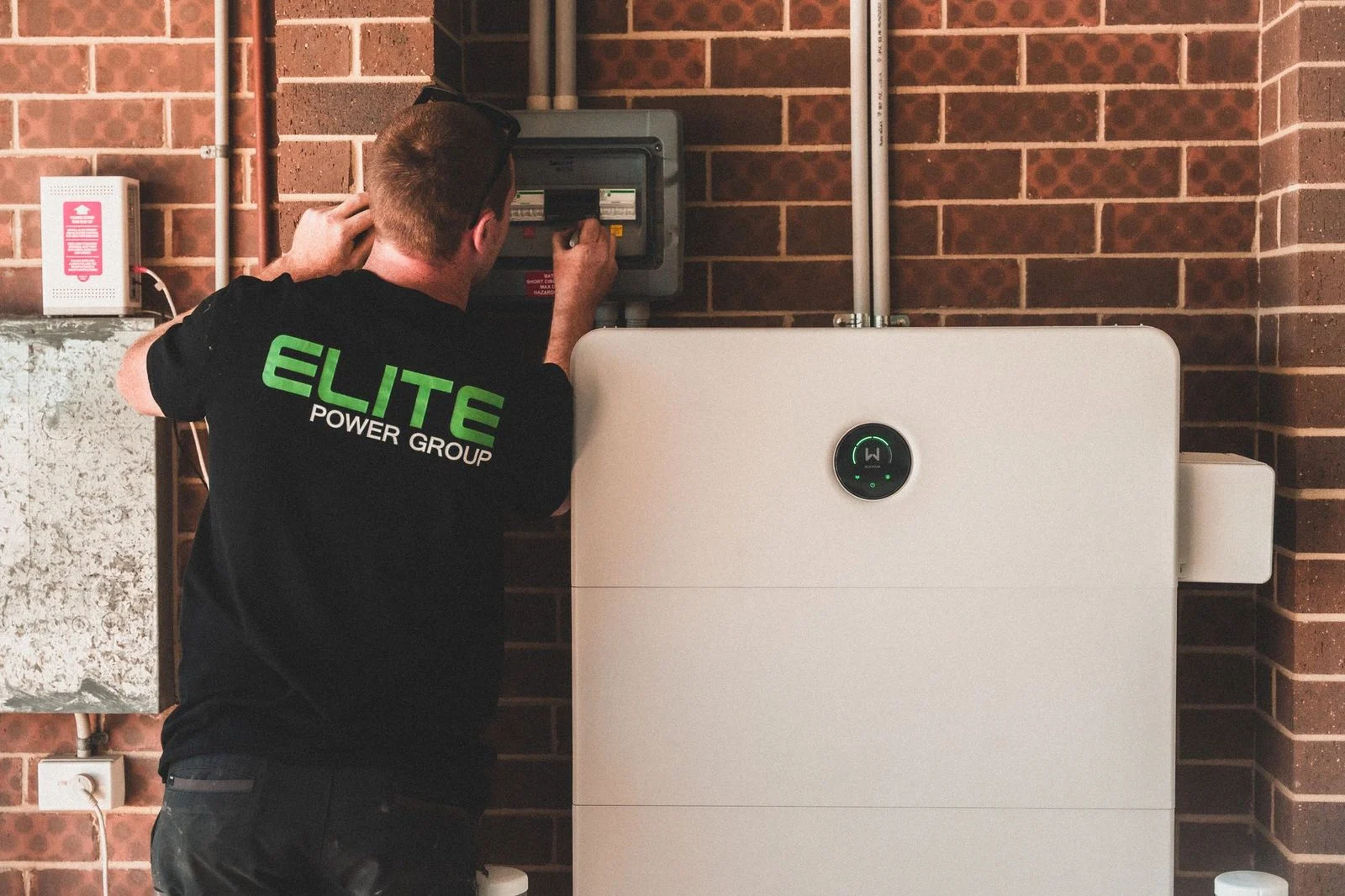
You can reach ASP Superhome through our contact page to review the pump’s specs, the essential-circuit layout, and the battery size that fits your household. The first consultation is free, confidential, and carries no obligation to continue.
For the wider system, read our solar battery backup page.
Can a solar battery run a well pump during a power outage?
Yes, if the pump sits on the battery’s essential circuits and the inverter and battery are sized for its startup demand.
What is a critical loads panel?
It is a separate panel that receives only the circuits you choose, so the battery feeds just those loads.
Does a well pump need a bigger inverter than a refrigerator?
The pump’s starting surge is usually the bigger concern for the inverter. Check the inverter’s surge rating against the pump’s specs.
Can a solar well pump work without a battery?
A dedicated solar DC pump is a different design from an AC pump on battery backup. Ask about its wiring before you plan the system.
How ASP Superhome Approaches Well Pump Backup
Load-focused planning
We start by identifying which circuits your well pump needs during an outage, so the battery design matches your real demand.
Sized for startup demand
Well pumps draw a surge when they start. We check the inverter and battery capacity against that surge, not just the running load.
Part of a complete home plan
Our team also handles solar panels, roofing, impact windows and doors, so your backup system fits the rest of your home.
Local South Florida focus
We work with homeowners in Miami, Fort Lauderdale, West Palm Beach, Kendall, Boca Raton, Naples and Fort Myers.
Before you buy, confirm the pump's requirements
Check your pump's rated voltage, horsepower and starting current. A battery sized only for the pump's running load may not start it reliably during an outage.
What Happens During Your Free Estimate
1. Share your well setup
Tell us about your pump, its age, and how you currently power it.
2. Review your loads
We identify the circuits to back up and the surge your pump needs to start.
3. Get a proposal
You receive a quote for a battery, inverter and critical loads panel matched to your home.


