


Solar Panels | South Florida
What Solar Really Costs for a 2,000 Sq Ft South Florida Home
Panel count, roof layout, and battery backup all shape the final price. Here is how to read the numbers and plan your system with ASP Superhome.
By Jonathan Rodriguez · Published November 7, 2026
How much would solar panels cost for a 2000 sq ft home? There isn’t one set price. The cost follows how much electricity the home uses, the panels and battery needed to meet that use, and the condition of the roof.
Square footage is only a rough starting point. If you’re researching this for a parent or another relative, you’re probably gathering numbers before anyone decides anything. This guide explains what moves the cost in South Florida, so the numbers you collect make sense.
Why square footage alone does not set the solar cost
Solar cost follows electricity use, not floor area. Your utility bill shows that use in kilowatt-hours (kWh) per year. The higher the yearly total, the larger the system usually needs to be.
Two 2,000 sq ft homes can need very different systems. One runs central air all day through a long summer. The other has a pool pump, a home office, and a larger household. The second home may need far more panels.
Before anyone estimates a system, gather these items from the last 12 months of bills:
- Total kWh used for the year
- Highest and lowest monthly totals
- Other large loads on the same meter, such as a pool pump
- The roof’s age, material, and any known leaks
These details give a designer a much better starting point than square footage. For an overview of solar and battery options, read our solar and battery backup guide.
If you're pricing solar for a parent's home or a decision you didn't plan for, we can review its bill and roof with you. Talk it through with our team — the first consultation is free, confidential, and carries no obligation.
How many solar panels does a 2,000 sq ft home need?
A 2,000 sq ft home’s panel count is set by its yearly usage and roof layout. A site review then confirms the number.
System size is measured in kilowatts (kW). A designer estimates how much energy a system of that size would make at the property. They then divide the system size by the wattage of the panels chosen. Higher-wattage panels mean fewer panels for the same system size.
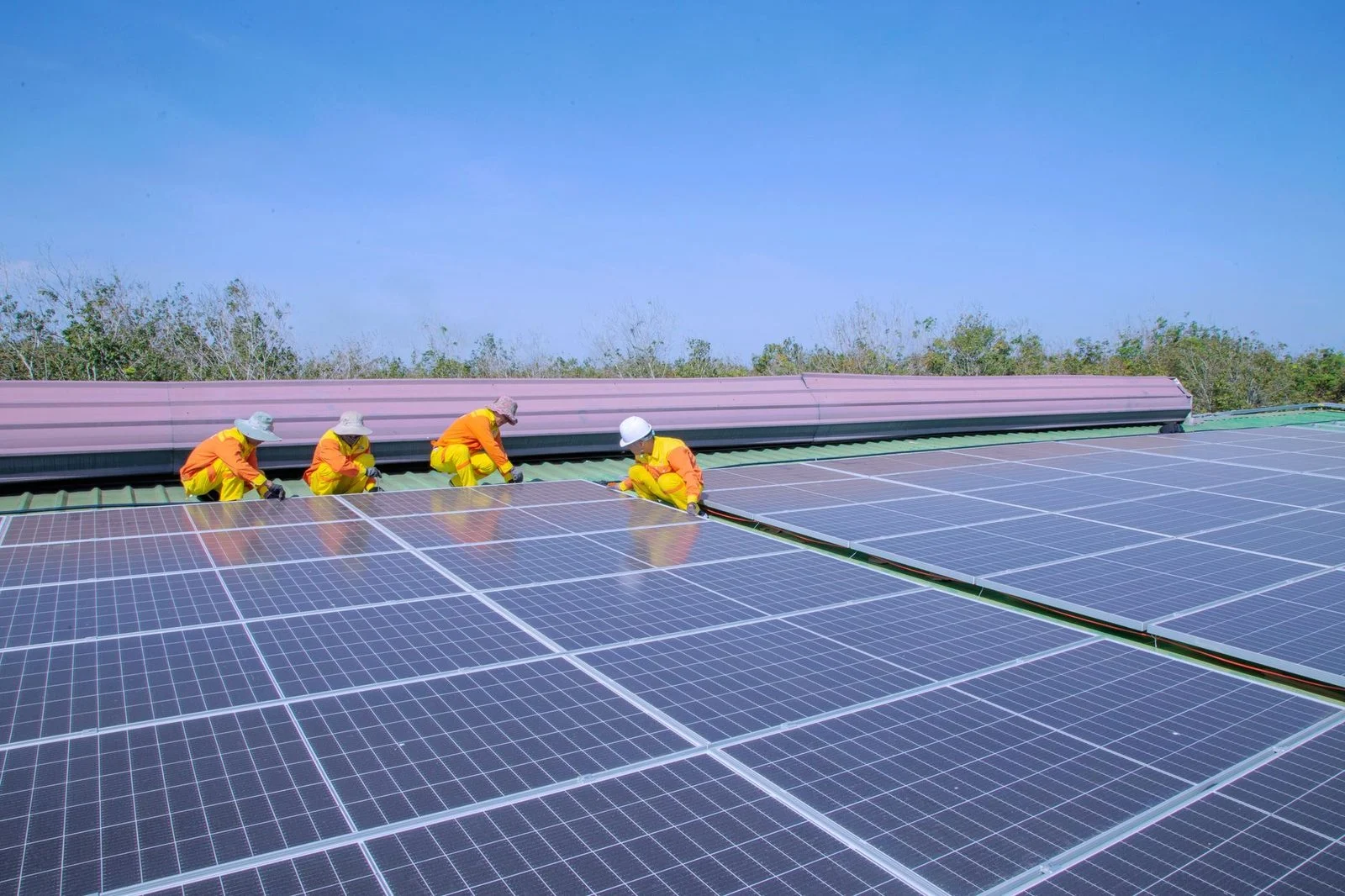
Roof layout changes the math. Shade from trees or nearby buildings lowers output. A roof with several planes, or planes that face away from the sun, may hold fewer usable panels than one open roof facing a good direction.
A common mistake is treating total roof square footage as the panel count. Usable roof area is usually smaller than the whole roof. A site visit shows which sections can take panels and how much sun they get.
What makes up the total cost of installing solar panels?
Total cost comes from equipment, labor, permits and inspections, electrical upgrades, and roof work. Each part moves the final number, so look at each line of an estimate, not just the total.
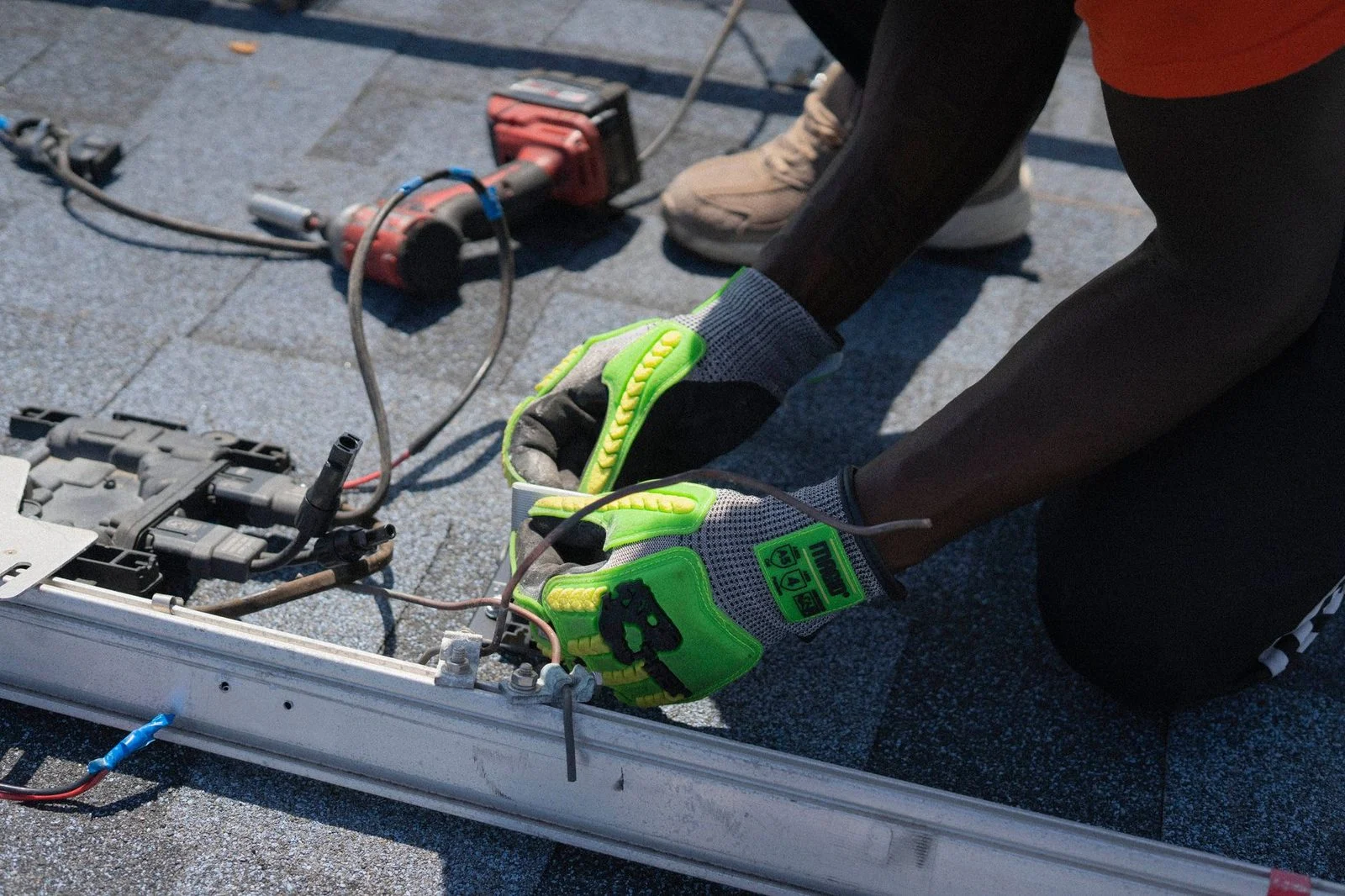
Equipment includes the panels, the inverter, the racking that holds them, and the wiring. The inverter type and the monitoring setup both change this line.
Labor covers onsite preparation, assembly, installation, and wiring that connects the system to the home. Labor costs for that work are taken into account under 26 U.S.C. § 25D, but that credit does not apply to expenditures made after December 31, 2025. The § 25D credit does not apply to expenditures made after December 31, 2025, so the date of any work matters.
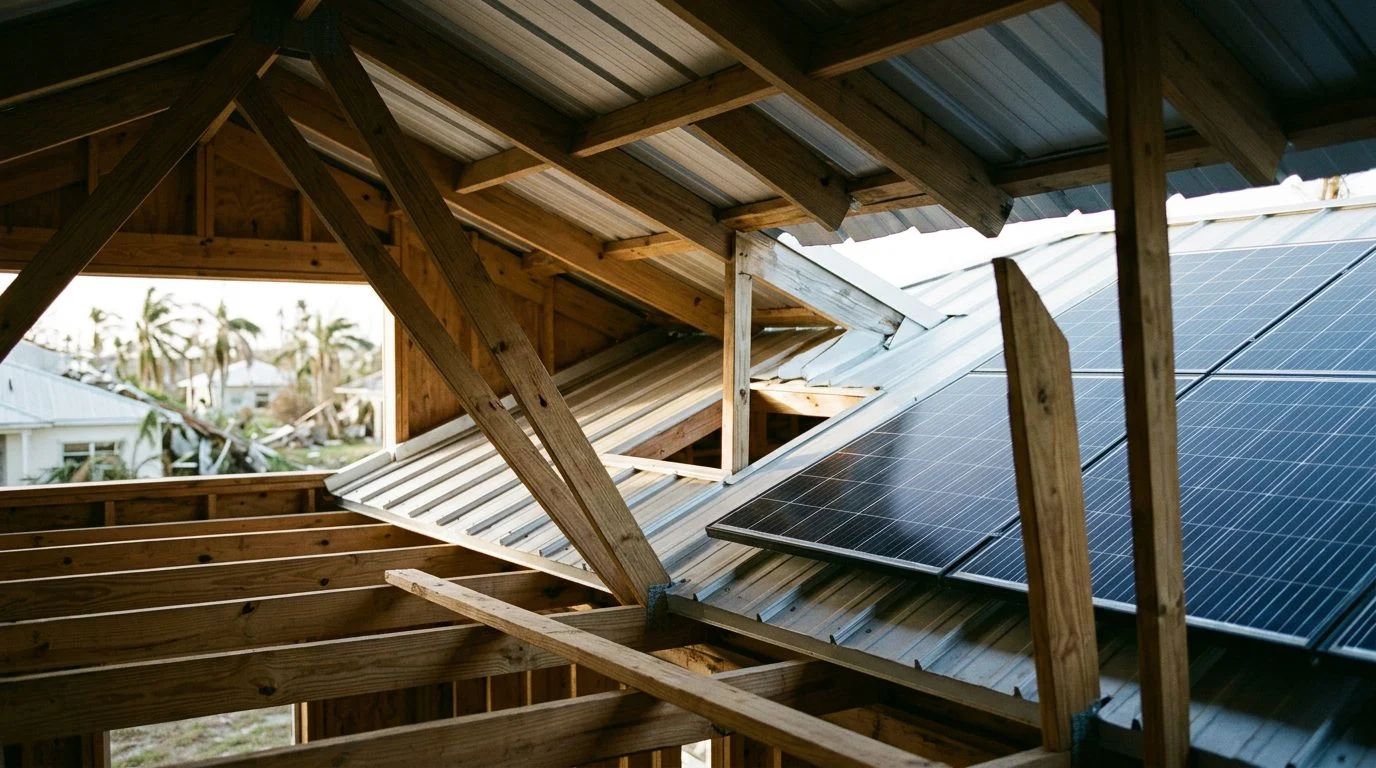
Roof condition can add cost. Panels attach to the roof, so an aging roof is best repaired or replaced before panels go on. Florida law requires that a roof replacement on a site-built, single-family home include specified windstorm techniques. For existing buildings that are not otherwise required to meet Florida Building Code requirements for new construction, roof-to-wall connections are not required unless evaluation and installation of connections at gable ends or all corners can be completed for 15 percent of the roof replacement cost, under Fla. Stat. § 553.844. ASP Superhome offers roof repair and roof replacement, so the roof and panels can be planned together.
Financing changes the monthly payment, not the system’s cost. Any change to the original scope or price should be documented and agreed to in writing before the work proceeds.
How battery backup changes the cost
A battery adds its own cost on top of the panels. Battery size depends on how much power the household needs during an outage.
A solar-only system makes power while the sun shines. Without a battery, it may not keep appliances running when the grid goes down. A battery stores extra energy for those outages. The battery’s size decides which loads it can carry and for how long.
List the appliances you want to run first. A refrigerator, some lights, a fan, and a well pump each draw a different load. Adding those loads gives a far better battery size than floor area does.
For more on panels paired with storage, read our pricing guide for solar with battery. If a refrigerator is your main concern, see how a battery can keep one running during a power loss.
Florida factors that affect solar cost
South Florida’s strong sun favors solar production. Local rules and building design still shape the final price.
Heavy summer cooling raises electricity use. Higher use usually means a larger system. Wind design matters too. Florida’s building rules tie some larger permitted projects in wind-borne debris regions to opening protections, such as impact windows and doors. Some of those rules are tied to the project’s estimated cost and the home’s insured value.
Utilities and cities add their own steps.
If an HOA reviews your panel placement, Florida law says a denial must be in writing, must state with specificity the rule relied on, and must identify the specific aspect of the proposed improvement that does not conform, under Fla. Stat. § 720.3035. For a local look at installation, see residential solar in Kendall.
Why does the electric bill stay high, and can AC run on solar?
A bill can stay high after solar when the system is smaller than the home’s use. It can also stay high when the system hasn’t run for a full billing period, or when a hot month pushes usage up.
Whether solar can run AC all day depends on system size, battery capacity, and the AC unit’s load. A sizing review calculates that for the specific home. A system sized for typical use may not carry a full day of cooling without storage.
Compare bills on a consistent basis. Look at kWh used, kWh produced, and any net-metering credits over the same months. A single month can mislead.
Florida’s metering rule helps here. Under Fla. Admin. Code R. 25-6.065, each investor-owned utility must install metering at no additional cost to the customer. That metering measures power supplied to the home and power the home sends back to the grid.
Not sure what your next step is?
Talk it through with our team — the first consultation is free, confidential, and carries no obligation.
Is solar still worth the cost in 2026?
Payback depends on four things: the system cost, the home’s electricity use, the incentives available at the time, and how long the household stays in the home.
Savings are measured by comparing the monthly bill before and after the system. Add the value of battery backup during outages if backup matters to the household. A common mistake is comparing numbers that don’t match, such as different panel counts or battery sizes.
Frequently asked questions
How many solar panels for a 2000 sq ft home?
The count follows yearly electricity use and usable roof area. A site review confirms the final number.
Can I run my AC all day with solar?
It depends on system size, battery capacity, and the AC unit’s load. A sizing review calculates that for the home.
Why is my electric bill high with solar panels?
A system smaller than your usage, a short run period, or a hot month can keep the bill high.
If you’re researching solar for a parent’s home, or weighing a decision you didn’t plan to make, a free, confidential first consultation with no obligation to continue is a simple next step. We’ll review the bill, the roof, and your goals, then discuss an estimate for that home. Request your consultation.
What Shapes Your Solar Panel Cost
Your yearly electricity use
Annual kilowatt-hour use drives how many panels a home needs. Air conditioning, pool equipment, and appliances all count.
Usable roof area and sun exposure
Roof size, pitch, orientation, and shading determine how many panels fit and how much power they can produce.
Roof condition
A roof that needs repair or replacement should be addressed before panels go up, so the system is installed once and on a sound roof.
Battery backup
Adding solar battery backup changes the system design and cost. Storage capacity should match how you plan to use power during outages and peak hours.
Don't Size a System From a Bill Alone
A monthly bill shows what you pay, not the roof space or load profile your system needs. Get a site review so the panel count and battery size are based on your actual home.
Common Questions About Solar Costs
How many solar panels does a 2,000 sq ft home need?
The count follows your yearly electricity use and the usable roof area. A site review confirms the final number for your home.
Can I run my AC all day with solar?
It depends on system size, battery capacity, and the load of your AC unit. A sizing review calculates that for your specific home.
Why is my electric bill high?
Bills reflect usage patterns, rate plans, and how much energy cooling and appliances draw. A review can show where your power goes before you choose a system.


