


Solar Battery Backup | South Florida
How Long Will a Solar-Powered Battery Last in Florida?
Heat, humidity, and how you use your battery all affect its lifespan. Here is what South Florida homeowners should know before they invest.
By Jonathan Rodriguez · Published October 31, 2026
How long will a solar-powered battery last? Most home solar batteries last about 10 to 15 years, according to industry reporting from EnergySage. Battery life depends on the battery’s design, how it’s cycled, and where it’s installed. Outage runtime is a separate question. A battery can last a decade and still power your essentials for only a few hours.
How long does a solar-powered battery typically last?
Most home solar batteries are built to work for roughly a decade. Many last 10 to 15 years. EnergySage reports that a battery doesn’t stop working at year 10. It just holds less energy over time.
Two measurements matter. Calendar life is how many years the battery has been installed. Cycle life is how many charge and discharge cycles it can handle before its capacity drops too far. Batteries age by both measures. The one you reach first matters most.
Warranties usually follow this timeframe. They set a number of years, a cycle count, or both. Read those terms closely before you buy. After the warranty ends, the battery can keep working, but its usable capacity typically declines gradually.
For the full picture of how batteries fit into a backup plan, start with our solar battery backup guide for South Florida.
If a recent outage or storm has you weighing a battery now, our team offers a free first consultation that is confidential and comes with no obligation to continue. Talk it through with our team — the first consultation is free, confidential, and carries no obligation.
What determines how long your battery lasts?
Chemistry, cycling habits, depth of discharge, and installation quality all shape lifespan. No single factor decides it. Each one changes how much wear the battery takes every year.
Chemistry comes first. Most home systems use lithium-ion batteries, but variants differ in cycle life. Check the specific product’s rated cycles and warranty terms. The U.S. Department of Energy’s solar guidance covers energy storage and battery backup basics.
Depth of discharge is how far the battery drains before it recharges. Shallower daily discharges generally put less stress on a battery than draining it close to empty again and again.
Daily use matters too. A battery that cycles every day to offset your bill ages differently than one that mostly sits full, waiting for an outage.
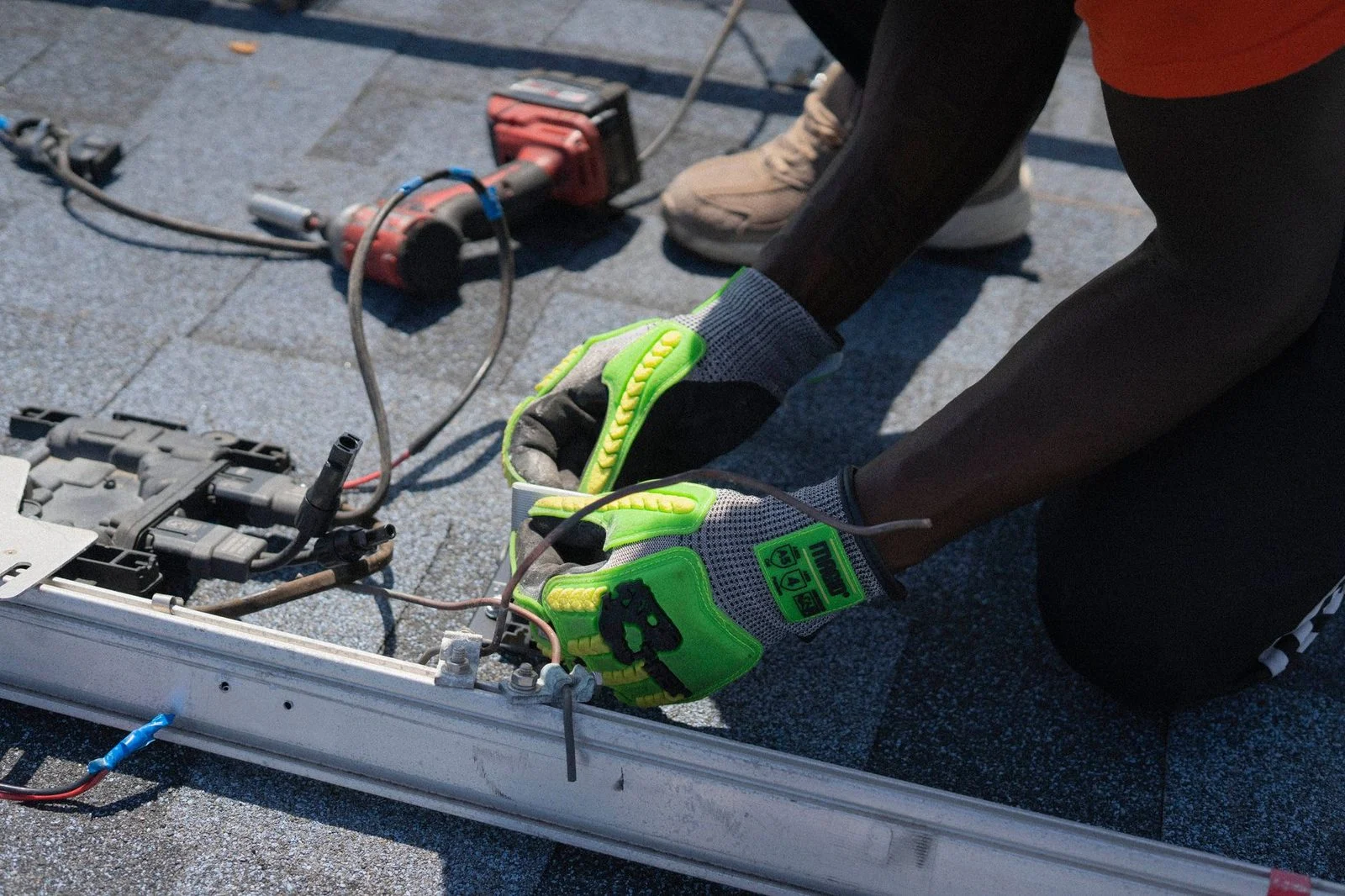
Installation quality counts as much as hardware. Correct sizing, sound wiring, and a properly configured battery management system help the battery wear evenly. A poor setup can shorten life even with a good battery.
To see how stored energy gets used day to day, read how to store solar energy in a battery.
How do Florida heat, humidity and storms affect battery life?
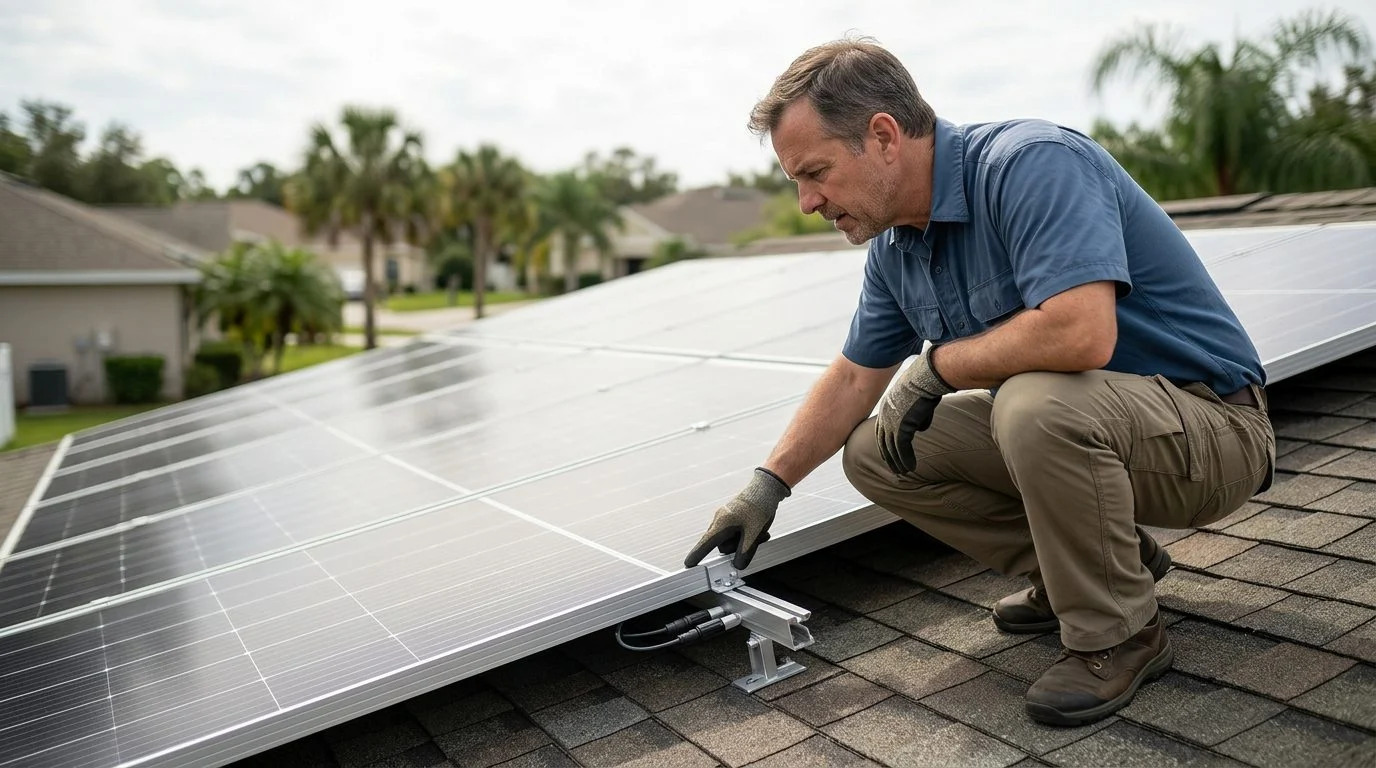
Heat is a major factor in battery aging. Batteries in hot garages, attics, or sun-baked spaces tend to age faster than those in cool, ventilated areas. A hot roof can heat the space beneath it, so placement and airflow deserve attention.
Humidity and salt air matter near the coast. Enclosures, mounts, and electrical connections need protection from moisture and corrosion. Regular inspections catch problems early.
Hurricane season adds its own strain. Long outages mean deeper, more frequent discharges, which add wear. Recharging from solar between storms helps keep the battery healthy.
Florida building rules also control where batteries go. The 2026 Florida Building Code analysis of changes, Residential retitles Section R328 “Energy Storage Systems.” For spaces that open into the home, the analysis describes solid wood or steel doors at least 1 3/8 inches thick, or a door with a 20-minute fire protection rating. Those doors must be self-latching and self-closing. For garages, the analysis says locations exposed to vehicle impact need protection under Section R328.8.3.
Confirm the battery’s operating temperature range before installation.
How long can a solar battery keep your home running in an outage?
A battery can keep essentials running for hours, even when it lasts for years. Outage runtime and battery lifespan are different questions. A battery that serves you for twelve years might power a refrigerator, lights, and internet for only part of a night.
Runtime depends on three things. The first is battery capacity, measured in kilowatt-hours. The second is the load you connect. The third is how much sun recharges the battery during the outage. A cloudy stretch during a storm cuts recharging and shortens backup time.
Prioritizing circuits stretches your hours. Many homeowners set essential circuits first, such as refrigeration, lighting, and internet. Fewer high-draw appliances running at once means more time on battery power.
To see how solar panels behave when the grid goes down, read can you use solar panels during a power outage.
Do batteries stop charging when solar panels produce more than the home needs?
Yes. A full battery stops taking more charge, and the system’s inverter and controls manage the extra solar output. A full battery also avoids overcharging, which supports long-term health.
Where surplus energy goes depends on the system setup and local utility rules. Code R. 25-6.065 covers net metering for customers of investor-owned utilities.
What are the disadvantages of solar batteries?
The main drawbacks are upfront cost, limited capacity, gradual loss of capacity, and installation work. Each one affects whether a battery fits your home.
Cost comes first. A battery adds to the price of a solar project. Many homeowners weigh that cost against backup value and possible savings. The IRS Residential Clean Energy Credit covers home battery storage. ENERGY STAR says the 30% credit for qualifying batteries ran through December 31, 2025. Confirm the current status before you plan around it.
Capacity is finite. A home battery stores a set amount of energy. It cannot power every appliance for long periods, especially large loads like central air conditioning.
Installation needs space, ventilation, and electrical work. Permits and code requirements add complexity. To match system size to your household, see is a 10kW solar system enough to run a house.
Not sure what your next step is?
Talk it through with our team — the first consultation is free, confidential, and carries no obligation.
How much does it cost to replace a solar battery?
Replacement cost depends on capacity, chemistry and brand, installation complexity, and any electrical or permit work. Your quote depends on the facts of your system, so no single price fits every home.
When you weigh replacement against a newer system, compare the battery’s warranty length and cycle rating. A battery with more rated cycles and longer warranty terms may hold up better over time. Check these numbers in the product’s own documents.
Signs a battery may need replacing include shorter backup runtime than before, warranty-related alerts from the manufacturer, and error messages on the system monitor.
How can you make your solar battery last longer?
Keep the battery cool, ventilated, and within its stated temperature range. Avoid unventilated, sun-baked locations. These habits slow aging over time.
Keep firmware and monitoring software updated. Review performance data every few months so you catch capacity drops early.
Avoid unnecessary deep discharges. Set reserve levels that match your backup needs, so the battery isn’t drained lower than necessary.
Schedule professional inspections of connections and the battery management system. Loose or corroded connections in humid, salty air cause problems that a quick check can catch.
Key takeaways and next steps
A solar battery typically lasts around a decade, and many last 10 to 15 years. Chemistry, cycling, depth of discharge, and climate all shape that number. Outage runtime is a separate question, measured in hours.
How long will a solar-powered battery last in a South Florida home?
Most home solar batteries last about 10 to 15 years. Heat, humidity, and cycling habits can move that number up or down.
Does heat shorten a home battery’s life?
Yes, heat is a major factor in battery aging. Batteries in hot, unventilated spaces tend to age faster.
How long does a solar battery last in a power outage?
Runtime depends on battery capacity, what you power, and how much sun recharges it. It is measured in hours, not years.
Is the federal battery tax credit still available?
ENERGY STAR says the 30% credit ran through December 31, 2025. Confirm the current status with the IRS before you plan around it.
If a recent outage or storm has you weighing a battery, our team can help you think it through. Reach out for a free first consultation, which is confidential and comes with no obligation to continue.
Why Homeowners Start the Conversation with ASP Superhome
Free First Consultation
Our initial consultation is free, confidential, and comes with no obligation to continue.
Solar and Battery Planning
We look at your roof, your energy use, and your home's layout to help you plan a solar system with battery backup that fits your needs.
Built for South Florida
We serve Miami, Fort Lauderdale, West Palm Beach, Kendall, Boca Raton, Naples, and Fort Myers.
Complete Home Solutions
Solar, roofing, impact windows and doors, and kitchen remodeling can all be planned through one team.
Tip: Location Matters
A battery installed in a hot, poorly ventilated garage or closet will generally age faster than one in a cooler, well-ventilated space. Ask about placement before installation.
Four Factors That Shape Battery Life in Florida
Heat
Sustained high temperatures are one of the biggest drivers of battery aging. Shade and airflow help.
Humidity
Moisture and salt air can stress electrical components, so proper enclosure and installation matter.
Cycling Habits
How often the battery charges and discharges, and how deeply it is drained, affects long-term capacity.
Maintenance and Monitoring
Tracking performance over time helps catch problems early and keeps the system running as designed.


