


Solar Panels & Battery Backup | South Florida
Can You Use Solar Panels During a Power Outage?
Most solar systems shut off when the grid goes down. Here's why that happens, what a battery backup changes, and how to plan power for your South Florida home.
By Jonathan Rodriguez · Published October 30, 2026
Can you use solar panels during power outage? Usually not on their own. Standard grid-tied solar panels shut off when the grid goes down, even on a sunny afternoon. Backup power takes battery storage and equipment built to run the home apart from the grid. This guide explains why, what Florida rules say, and what South Florida homeowners should plan for.
The Short Answer: Standard Solar Panels Usually Shut Off During an Outage
Most grid-tied solar systems stop producing usable power when the utility grid fails. The panels may still be making electricity, but the system disconnects from the house. That surprises many homeowners, who expect rooftop panels to keep the lights on.
The shutdown is by design. A grid-tied system is built to work alongside the grid. When the grid is out, the system has nothing to connect to, so it turns off.
Adding a battery changes the picture. A battery stores daytime solar energy, and backup-capable equipment lets the home draw on that storage during an outage. Without both pieces, the house loses power along with the grid, even with a full roof of panels.
If a recent outage has you wondering what your solar system can actually run, our team can help you sort through the options for your home. Talk it through with our team — the first consultation is free, confidential, and carries no obligation.
Why Grid-Tied Solar Shuts Down When the Grid Goes Down
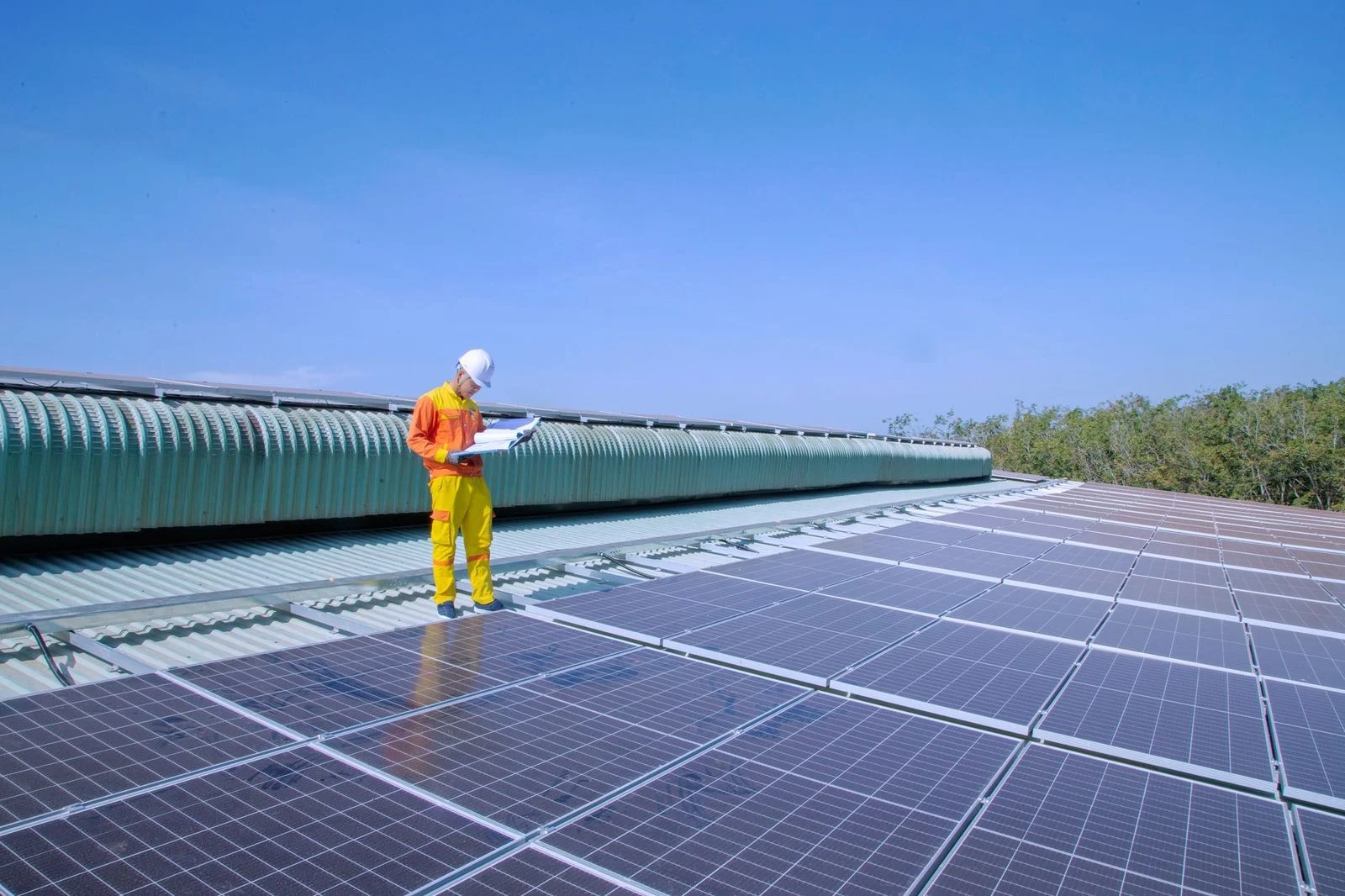
The inverter shuts the system off so it doesn’t push power onto lines that utility crews may be working on. This behavior is called anti-islanding (stopping a solar system from feeding a dead grid).
Rule 25-6.065 states that its purpose is to promote the development of small customer-owned renewable generation, particularly solar and wind energy systems, and it applies to all investor-owned utilities, except as otherwise stated in subsection (10). Code R. 25-6.065, says customer-owned solar must include a utility-interactive inverter or another certified device. That device must automatically isolate the system from the grid when the grid loses power.
This is a safety feature built into the inverter. The panels themselves are not the problem. The inverter keeps the system separate so electricity doesn’t reach a line a worker expects to be dead.
Some homeowners consider bypassing the shutdown to keep power on. Don’t. A modified system can feed power into the grid during a repair and put workers at risk.
What Solar Panels Alone Can and Cannot Power
Solar panels alone can’t power your home during an outage. They need storage and the right equipment to do that job.
At night, panels make no power, so a standard system has nothing to offer. Even during the day, output doesn’t flow to the house during an outage on its own. The system must be set up to isolate itself and feed the home from its own supply.
Which circuits stay on depends on the system design. The inverter type, battery size, and home wiring all matter. The answer depends on the specific system design, which is why an on-site evaluation matters.
A simple check helps. Ask whether the system can run the house while the grid is down. If the answer is no, the system is grid-tied only.
How a Solar Battery Backup System Keeps Power On
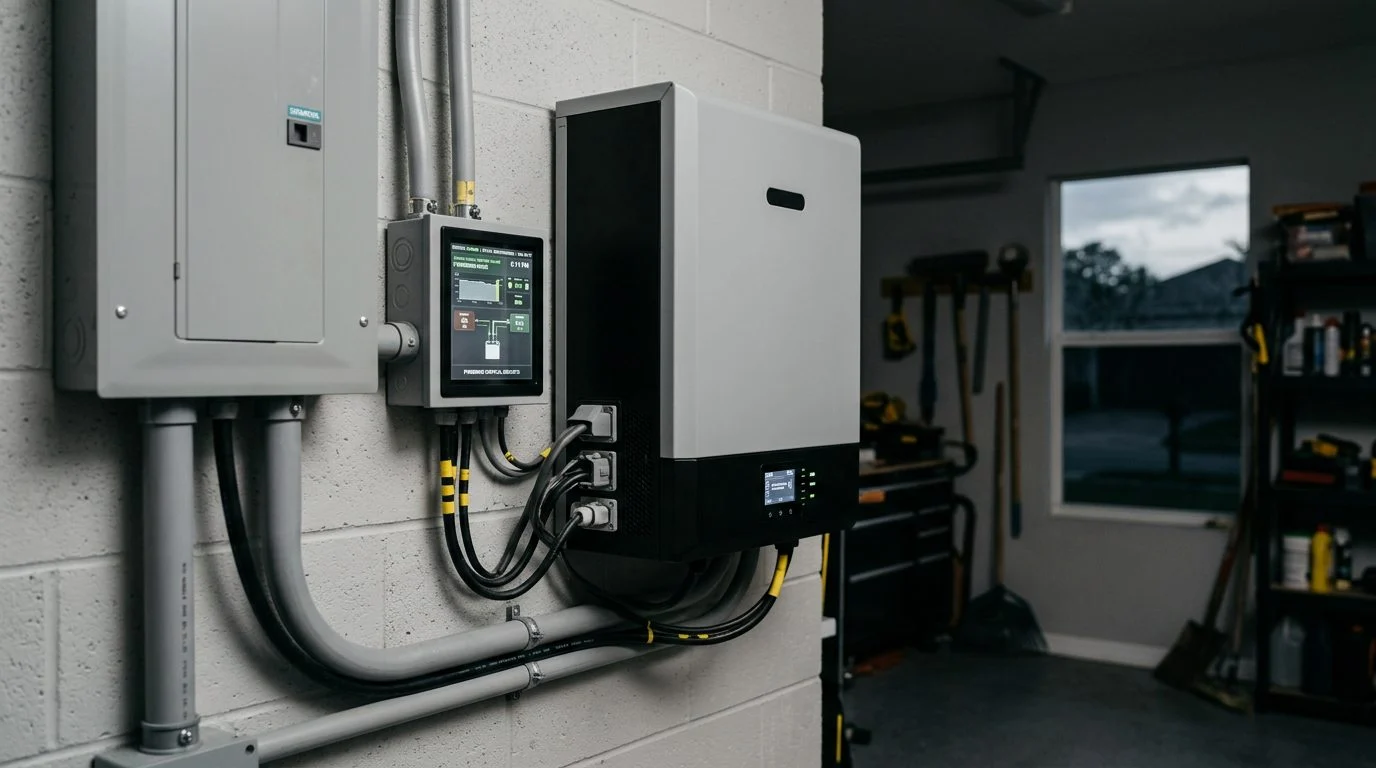
A solar battery backup system stores extra energy so the home can keep running when the grid is down.
On a normal day, panels power the house first. Extra energy charges the battery, and any surplus goes to the grid. When the grid fails, the system separates from the grid and runs the home from solar and storage. This is called islanded mode (running a home on its own power, apart from the grid).
A transfer switch makes the change. It moves the selected circuits over to the backup supply.
Batteries also have building code rules. Florida’s 2026 residential code renamed Section R328 “Energy Storage Systems.” According to the Florida Building Commission’s summary of changes, openings from a battery space into the home need a solid wood or steel door at least 1 3/8 inches thick, or a door with a 20-minute fire rating. Those doors must be self-latching and self-closing. This is a summary of changes, so the code text governs the final details.
Equipment That Makes Outage Power Possible
Outage power usually needs a backup-capable or hybrid inverter and a clear plan for which circuits stay on.
A hybrid inverter manages solar, battery, and grid power in one unit. Backup-capable inverters are built to run the home when the grid drops. Not every inverter does this, so the equipment must match your goal.
A critical loads subpanel is a separate panel that feeds only the circuits you choose. Common picks include the refrigerator, lighting, internet equipment, and any medical device that needs power. This keeps the battery focused on what matters most.
High-draw loads need careful planning. Central air conditioning, electric dryers, and electric water heaters pull a lot of power. Running them on a battery can shorten backup time quickly. Think twice before adding them to the backup list.
Planning Backup Power for a South Florida Home
Backup runtime depends on battery size, the loads you pick, and how much sun reaches the panels to recharge the battery.
South Florida adds its own pressures. Hurricane season can bring long outages. Storms can damage the roof and the equipment that makes backup possible. A storm-damaged roof should be repaired before solar goes on it, so the panels sit on sound structure. Roof repair or roof replacement may need to come first. Impact windows and impact doors also protect the interior during storms, which supports a storm readiness plan.
Roof color matters too. The U.S. Environmental Protection Agency says reflective, light- or cool-colored metal roofing can reduce solar heat transfer, indoor temperatures, and air-conditioning energy use, including in warm climates. That can ease the load your backup system has to carry.
Billing also shapes the plan. For customers of investor-owned utilities, Fla. Admin. Code R. 25-6.065 says the customer keeps paying the applicable customer charge and demand charge, even when excess energy goes to the grid.
Not sure what your next step is?
Talk it through with our team — the first consultation is free, confidential, and carries no obligation.
Talk With Our Team About Backup Power for Your Home
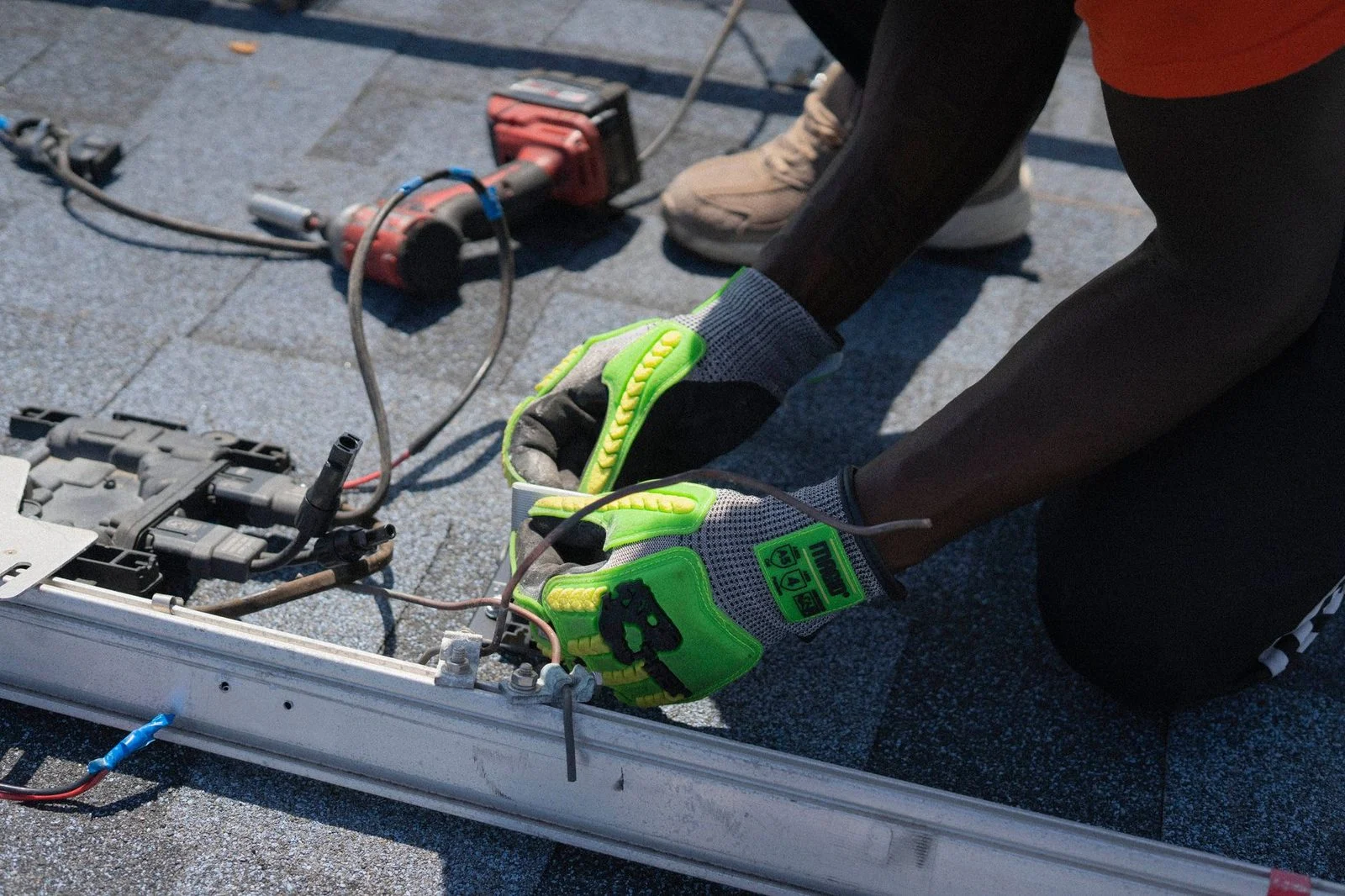
If you’re reading this after a recent outage, or helping a family member sort out their options, you don’t have to map it out alone. Many people looking into backup power are facing a decision they didn’t plan for. A storm may have left the house dark for days, or a parent’s panels may have gone quiet.
Start with the questions that matter most. Which circuits must stay on? How much battery would that take? Can the roof support a new system right now? Our team can walk through these questions with you.
Our first consultation is free, confidential, and carries no obligation to continue. To book a free estimate or request a quote, contact our team.
Can you use solar panels during power outage without a battery?
Standard grid-tied panels can’t power a home during an outage without a battery or backup-capable equipment.
Why do solar panels shut off in a blackout?
This keeps power from reaching lines that may be under repair.
Can solar run central air during a power outage?
Central air draws heavy power and can shorten backup runtime. It needs careful planning before it goes on a backup circuit.
Does a solar battery work at night?
A battery can power the home after dark if it stored enough energy during the day.
The Short Answers to Common Outage Questions
Without a battery, usually not
Standard grid-tied solar panels are designed to work alongside the utility grid. Without a battery or backup-capable equipment, they generally can't power your home during an outage.
Why panels shut off in a blackout
Grid-tied inverters disconnect during an outage so electricity doesn't flow back onto lines that utility crews may be repairing. It's a safety feature, not a fault.
What a battery backup adds
A solar battery stores energy for use when the grid is down, so selected circuits can keep running. How much it can power depends on battery capacity and your electrical load.
Running central air
Central air conditioning draws a lot of power. Whether a battery and solar system can run it during an outage depends on system size, battery capacity, and how the load is managed.
Important Safety Note
Don't connect a portable generator or any other power source directly to your home's wiring. Backfeeding can endanger utility workers and damage equipment. Use proper transfer switching or backup-capable equipment installed by a qualified professional.
What to Plan For Before Storm Season
List your essential loads
Identify the appliances and circuits you need most, such as refrigeration, lighting, medical equipment, and internet.
Size the battery to your needs
Battery capacity and power output determine how long and how much of your home can run during an outage.
Confirm backup-capable equipment
Ask whether your inverter and system design support backup operation before you assume it will work during a blackout.
Plan for extended outages
Consider how long your battery can run essentials without recharging, especially during multi-day hurricane outages.


