


Solar Battery Backup · South Florida
Do Solar Backup Generators Work? What South Florida Homeowners Should Know
Solar-powered backup can keep essential circuits running through an outage. Here is how it works, what it can and cannot power, and how to plan for it at home.
By Jonathan Rodriguez · Published November 7, 2026
Short answer: do solar backup generators work?
Yes, for the right loads. Solar backup works when panels charge a battery and that battery powers the circuits you choose during an outage. How long it lasts depends on how much energy the battery stores and how much your home draws.
Most people who search this phrase mean a battery-based “solar generator,” not a fuel engine. That difference matters, so the sections below explain what the term covers, how it works, and where it falls short.
If you're weighing backup power before storm season, we'd be glad to talk through which circuits your household needs to keep running. Talk it through with our team — the first consultation is free, confidential, and carries no obligation.
What counts as a solar backup generator?
A solar backup generator is usually a battery system, not an engine. Three setups come up most often. Each one works differently and costs a different amount.
Portable solar power stations are battery units. They charge from solar panels or a wall outlet, then power plug-in devices. They suit phones, lights, a router, or a small fan.
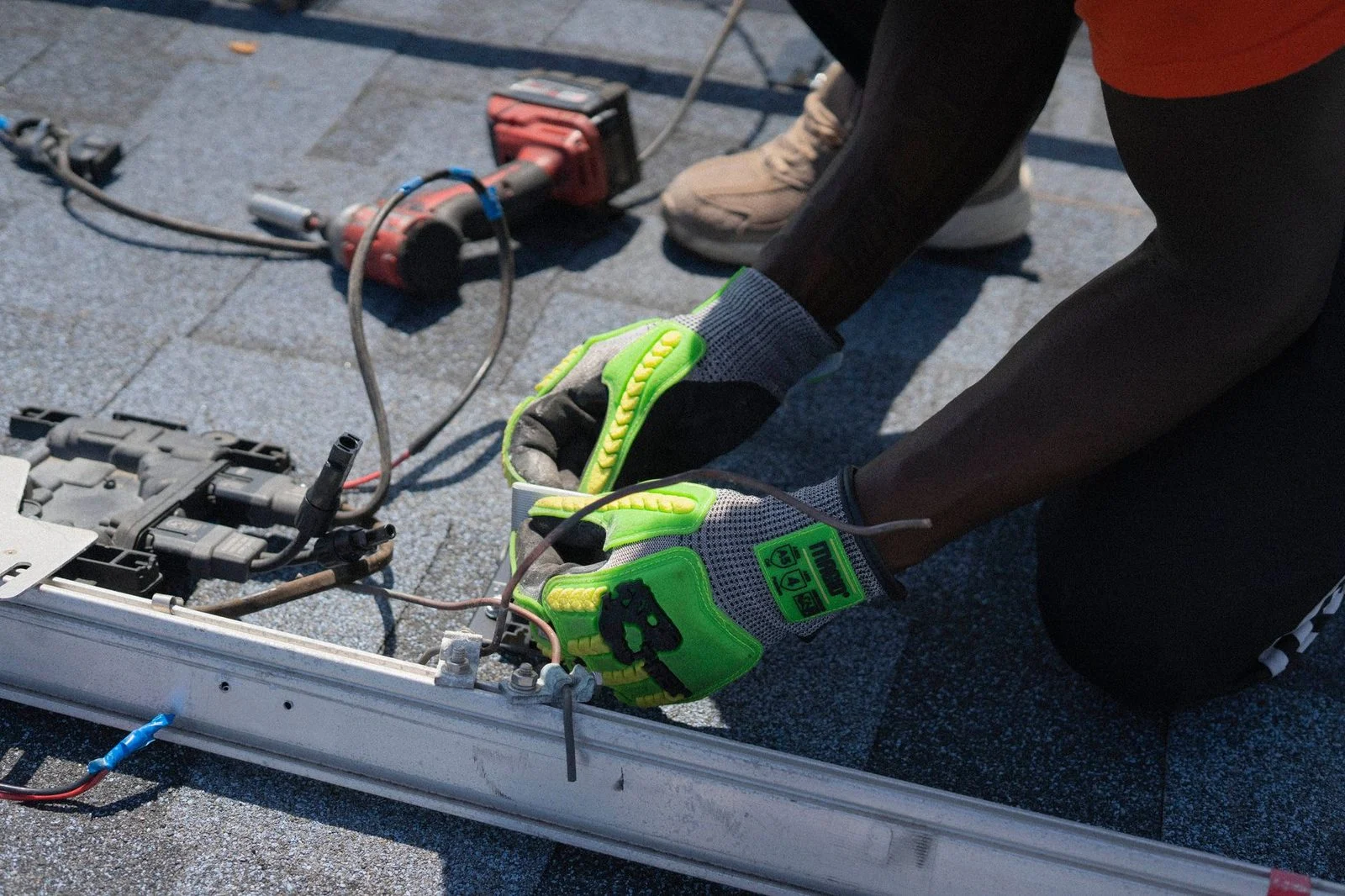
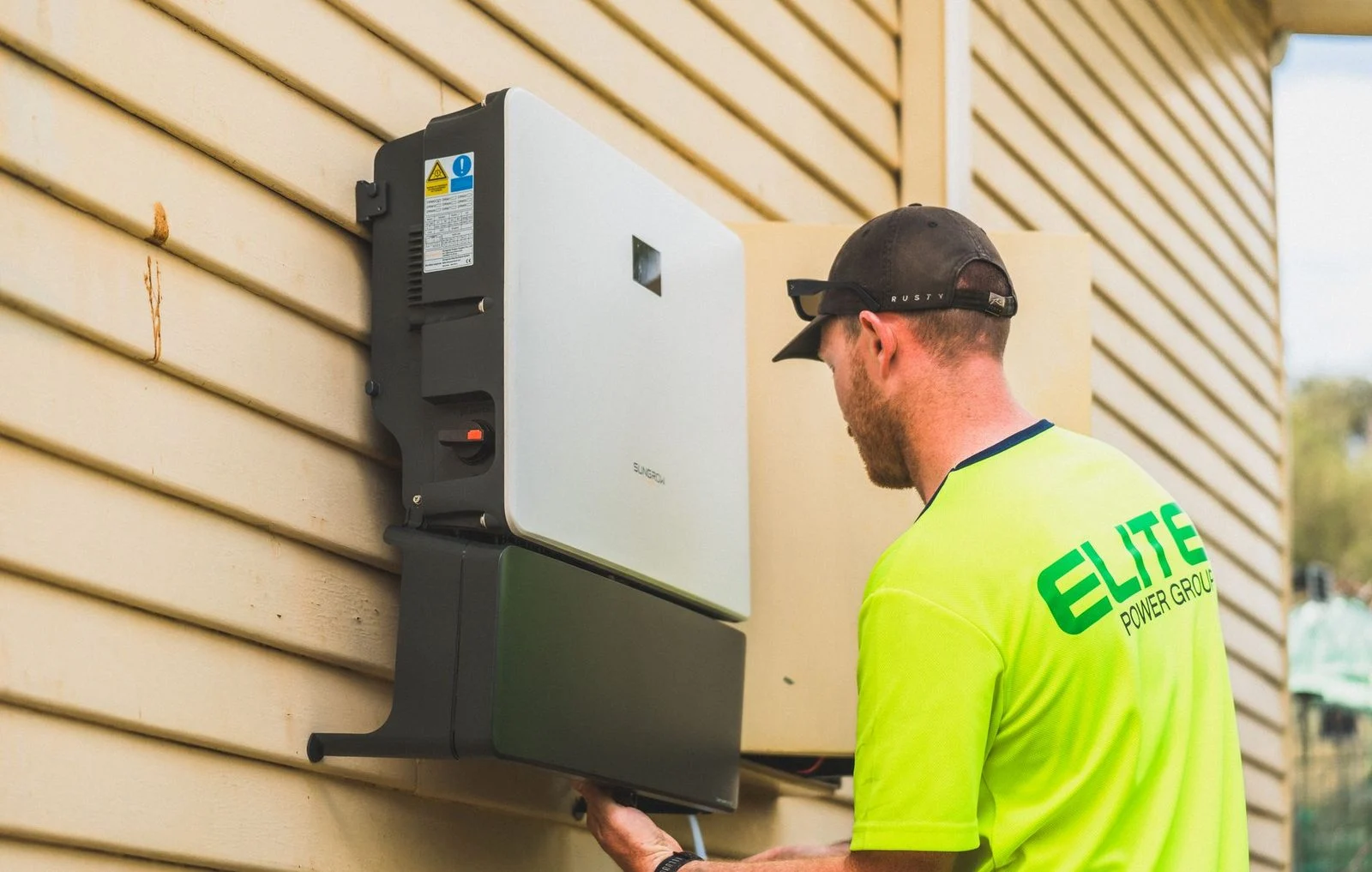
Whole-home solar battery backup is an installed system. Solar panels, a battery, and an inverter connect to selected circuits in the house. This is the setup most homeowners mean when they ask about backup for a full home.
Standby generators run on gasoline, diesel, propane, or natural gas. They are fuel engines, not solar systems. We mention them only so you can compare the two approaches.
For installed systems, the battery size matters. Under IRC § 25D, qualifying battery storage must have a capacity of not less than 3 kilowatt hours.
How solar backup keeps power on during an outage
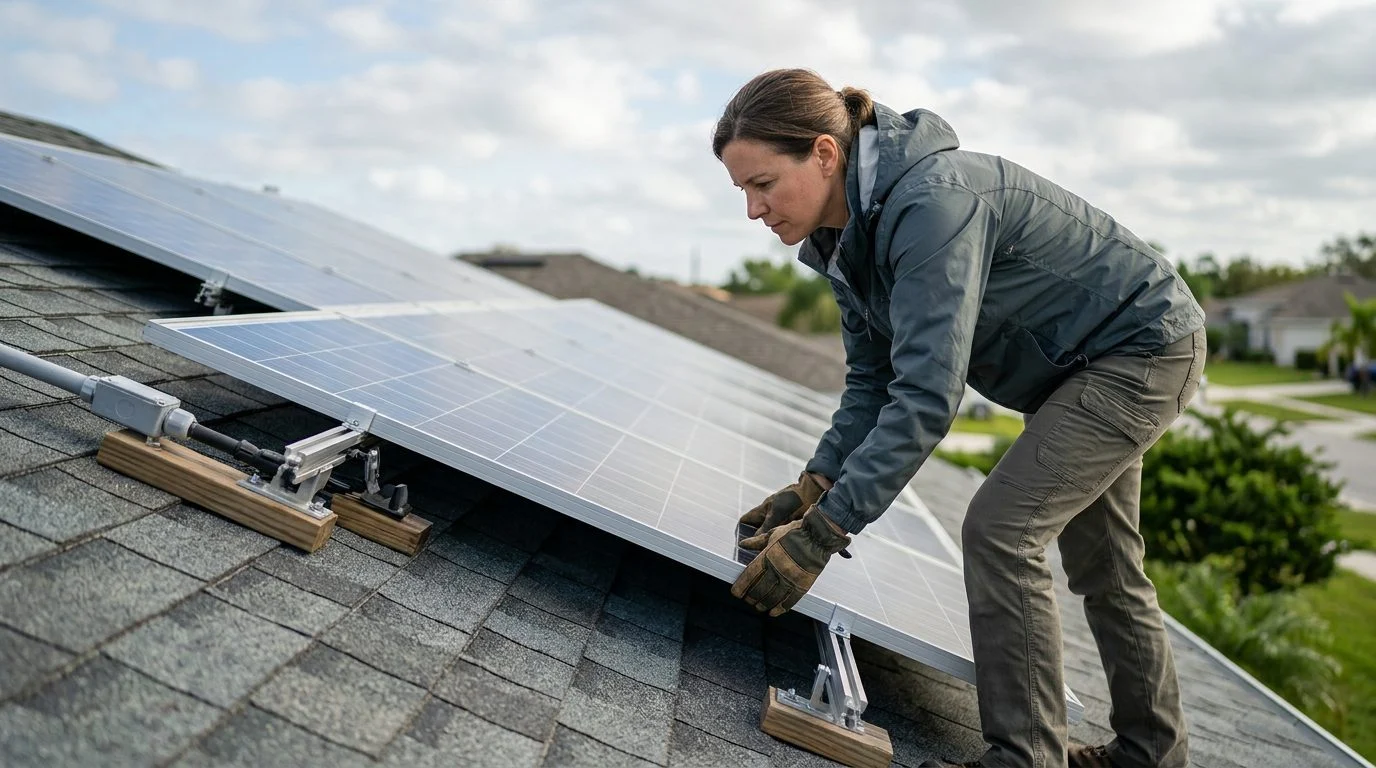
During daylight, panels make electricity. That power runs the circuits you selected, and any extra energy charges the battery.
At night, or on very cloudy days, the panels make little or no power. The battery supplies the loads instead. An inverter converts the stored power into the form household appliances use.
Where the battery sits also matters. The Florida Building Commission analysis of the 2026 code says openings from a space with energy storage into the home need solid wood doors at least 1 3/8 inches thick, solid or honeycomb-core steel doors at least 1 3/8 inches thick, or a door with a 20-minute fire rating. Those doors must also be self-latching and self-closing. A garage or utility-room install needs to plan for this.
What can a solar backup system power?
A solar battery system can keep essential loads running. Common choices include the refrigerator, lights, phone chargers, internet equipment, and medical or comfort devices. The right list depends on what your household needs most.
Start by listing each device and how many hours it runs each day. Then add up the watts. This list tells you how much battery and inverter capacity you need.
Large appliances need extra planning. Air conditioners draw a higher starting surge than a refrigerator does. They need more battery and inverter capacity, so a system sized for lights and a fridge may not run a central air unit.
Our team can help you map these loads before you choose a system. The right size comes from your own appliance list, not a general rule.
Limits to understand before relying on solar backup
Battery capacity sets how long your loads can run. Running out of stored energy is the main limit. Once the battery is empty, the circuits go dark until power returns or the battery recharges.
Cloudy days and short winter sun slow the recharge. Fewer sunny hours mean less energy goes into the battery each day. Rain and shade can also cut panel output.
Site conditions matter too. The U.S. Department of Energy’s homeowner guide lists climate, roof age, tree cover, size, shape, and slope as factors that affect whether rooftop solar suits a home. A site review looks at these points.
You can stretch stored energy in simple ways. Choose only essential circuits for backup. Watch your usage during an outage. Turn off loads you don’t need.
Does solar lower your electric bill?
Solar panels can lower your electric bill. They offset grid electricity during sunny hours, so you buy less from the utility. Savings vary with household usage and system design, so no single number applies to every home.
Battery backup and bill savings are separate benefits. A battery is mainly for outages. Bill savings come from the panels during normal days. Keep the two goals apart when you compare options.
Florida’s net metering rule for investor-owned utilities also affects the math. Under Florida Administrative Code R. 25-6.065, a customer keeps paying the customer charge and demand charge for maximum measured demand, even when excess energy goes to the grid. Utility charges still apply to electricity used beyond what your system supplies. So your bill is unlikely to drop to zero.
Not sure what your next step is?
Talk it through with our team — the first consultation is free, confidential, and carries no obligation.
Talk with our team about solar battery backup for your home
Many people reading this are dealing with a real situation. You may be planning ahead before storm season, or you may be researching after a recent outage. Some readers are looking into this for a relative who depends on medical equipment.
If that sounds like you, we’d be glad to talk it through. We serve homeowners across South Florida, including Miami, Fort Lauderdale, West Palm Beach, Kendall, Naples, Fort Myers, and Boca Raton. Contact us to discuss your household’s essential loads. Your first consultation is free, confidential, and without obligation.
For more on whole-home systems, read our solar battery backup guide.
Do solar-powered generators work?
Yes, for a short list of essential loads, when the battery and inverter are sized for those loads. They are not built to run an entire home for long periods.
Can solar power a refrigerator during an outage?
It can, if the battery and inverter are sized for the refrigerator and the other circuits you choose. Sizing depends on your appliance list.
Solar battery tax credit and its end date
Under IRC § 25D, battery storage technology with a capacity of not less than 3 kilowatt hours can be an expenditure that counts toward the credit, but only if it also meets the section’s other requirements for that expenditure. The credit does not apply to expenditures made after December 31, 2025.
How ASP Superhome Approaches Solar Backup
Start with your essential loads
We look at what you need powered during an outage, such as the refrigerator, lights, and key outlets, before recommending a system size.
Size the battery and inverter to fit
Battery capacity and inverter output should match the circuits you choose, so the system is planned around your household, not guesswork.
Plan for South Florida conditions
Storm season, heat, and long outages are part of life here. We design solar backup with those conditions in mind.
Coordinated with your home improvements
Our team can address solar panels, impact windows and doors, and roofing together, so the pieces of your home work as one project.
Plan Before the Storm Arrives
A solar backup system is designed for a defined set of essential loads. Before an outage, know which circuits are connected and how long they can run, especially for medical equipment or other power-dependent needs.
Common Questions About Solar Backup
Can solar power a refrigerator?
Yes. A refrigerator can be included when the battery and inverter are sized for it along with any other circuits you select.
Can it power the whole house?
Solar backup is generally not built to run an entire home for long periods. Choosing essential circuits is the practical approach.
Does sunlight matter during an outage?
Solar panels recharge the battery when the sun is shining. How much backup you get depends on the battery size, your loads, and conditions.
Battery backup vs. a traditional generator
Solar battery systems run quietly and without fuel deliveries. A traditional generator may suit larger loads. We can talk through which setup fits your home.


