


Solar & Roofing | South Florida
Planning Solar? Start with the Roof Beneath It.
Learn how roof age, condition, and sequencing affect your solar project in Miami, Fort Lauderdale, West Palm Beach, Boca Raton, Naples, Fort Myers, and nearby communities.
By Jonathan Rodriguez · Published November 8, 2026
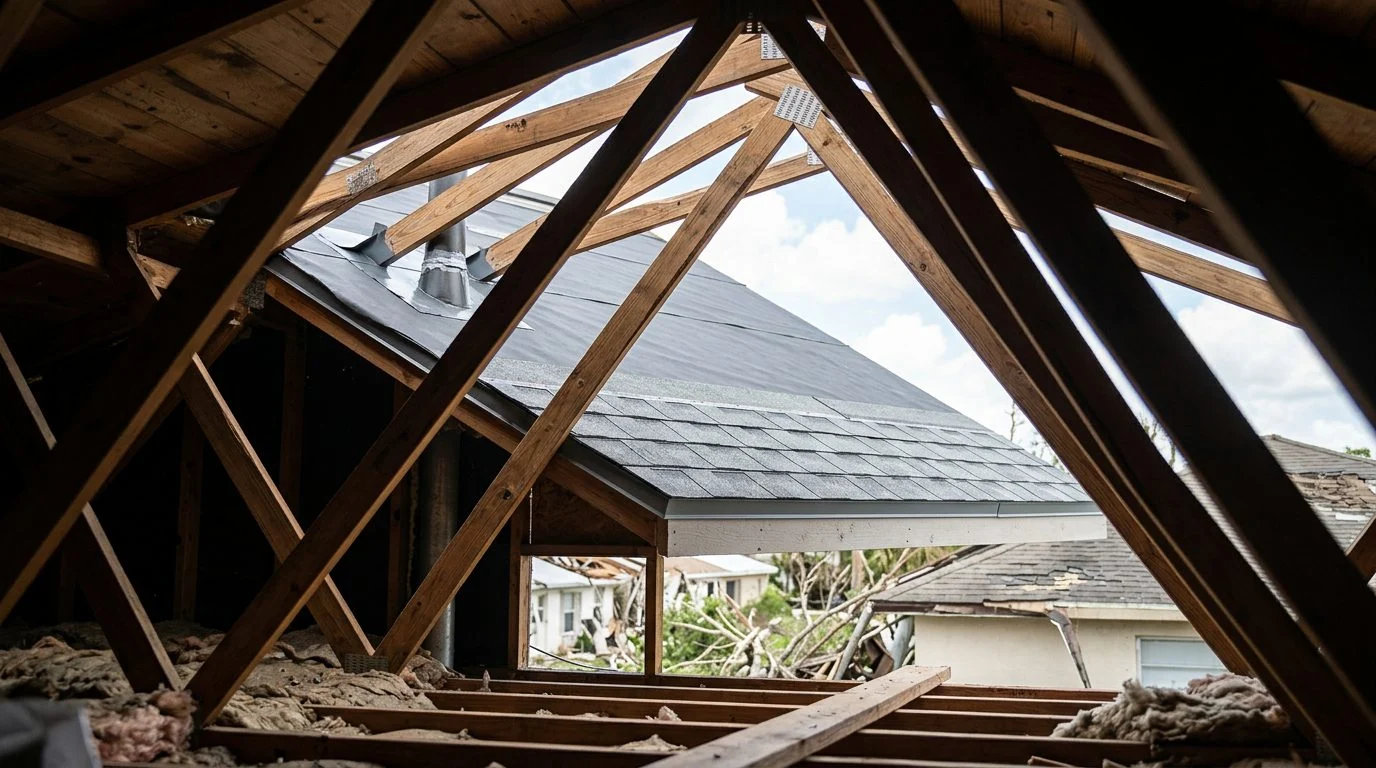
Not always. Whether you need a new roof before solar panels and battery backup in Florida depends on three things: the roof’s age, its condition, and its type. A sound roof with many years left can often take panels. A roof near the end of its life usually should be replaced first. This guide walks through how to weigh those factors in South Florida, where storms and heavy rain test every roof.
Why the Roof Question Comes Up Before Solar
The roof question comes up because solar panels stay bolted to the roof for many years. That makes the roof’s remaining life just as important as the panels’ output.
Most often, the question starts with a discovery. A homeowner notices a leak, an aging roof shows wear, or a crew spots storm damage during a solar site visit. Any of these can change the plan fast.
Battery backup doesn’t sit on the roof. But it still depends on the solar array above it. If the roof forces changes to the array, the battery plan changes too. That’s why the roof decision shapes the whole system, not just one part of it.
If a roof problem surprised you during a solar quote, you don't have to sort out the order alone; our team can talk through your roof and your plans with you. Talk it through with our team — the first consultation is free, confidential, and carries no obligation.
Does Solar Protect Your Roof?
Solar panels can shield the roof area under them from some direct sun and some weather. That’s a real benefit, but it isn’t the same as a roof upgrade.
Panels don’t replace roofing material, underlayment, or flashing. Those layers sit underneath the panels and keep aging just like they would anywhere else. Water still needs to stay out.
Once panels cover a section, that area is harder to inspect and repair. Removing panels takes time and labor. Many homeowners assume solar will protect an old roof. It won’t fix a roof that is already failing.
How Roof Age and Condition Affect the Decision
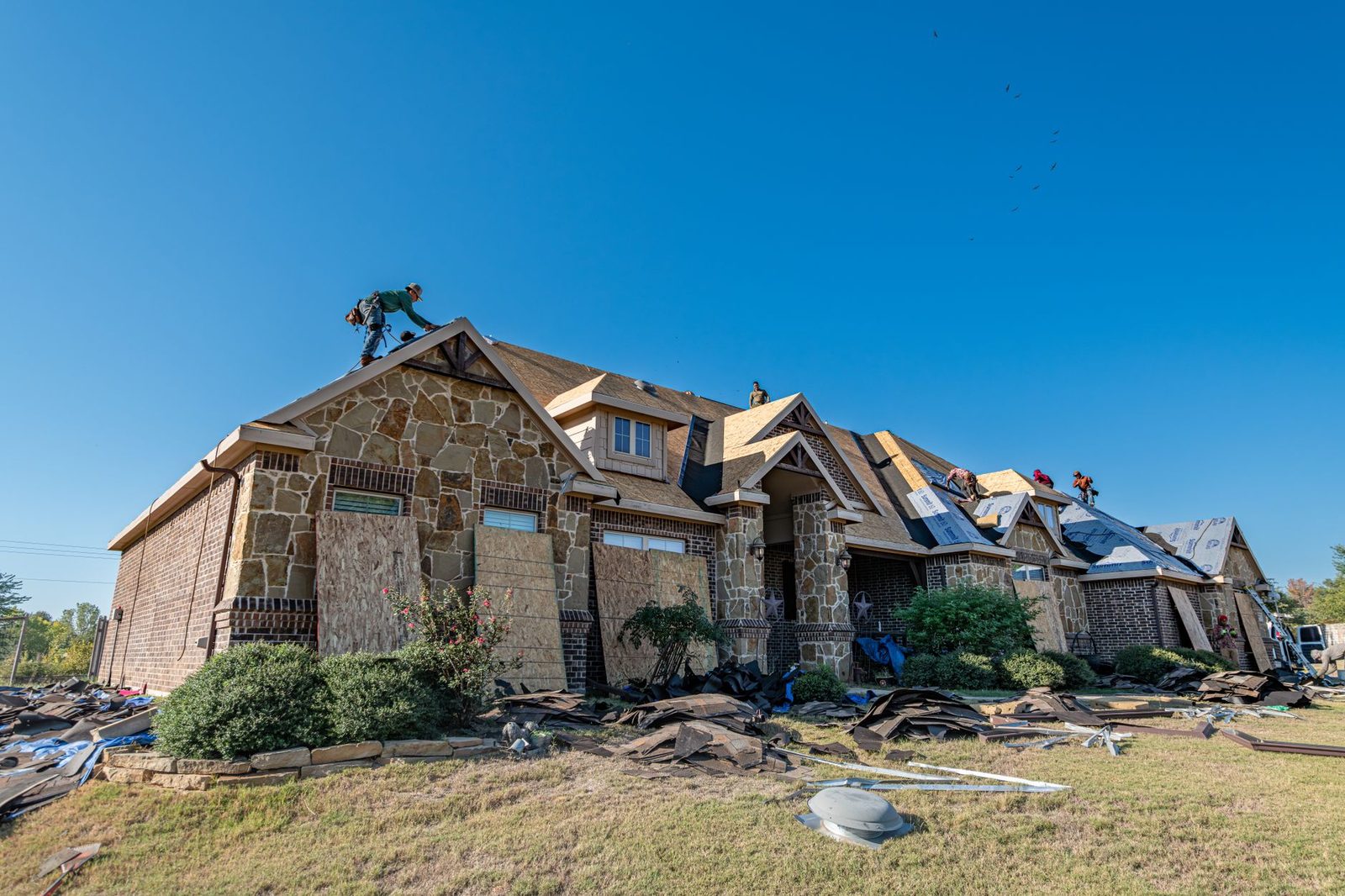
A roof near the end of its service life usually makes more sense to replace before solar goes in. Replacing it later means removing and reinstalling the panels.
Start with a simple check. Look at the roof’s age and any visible wear. Watch for cracks, lifted or missing tiles, and water that pools instead of draining. Those signs point to a roof that needs attention first.
A roof in sound condition may be a candidate for solar without replacement. That conclusion should come from a professional inspection, not a glance from the ground.
Florida’s hurricane and heavy-rain exposure makes weather-tightness central. A roof that leaks in a storm can undo the value of a new system. Plan the roof with that risk in mind.
Tile Roofs: Why They Need Specialized Solar Mounting
Tile roofs need careful mounting because concrete and clay tiles are brittle. They can crack under the wrong tools or a careless step.
The National Roofing Contractors Association describes clay and concrete tile roofing as durable and used in Florida. The same guidance says that when tile replaces another roof covering, the structure’s load capacity must be verified.
Mounts must attach to the roof structure. They also need proper flashing so water stays out around each penetration. A mount that is sealed poorly becomes a leak point.
Removing and resetting tiles around mounts is a common step. It adds labor and time. Plan for it in advance so the quote and the schedule reflect the real work.
Metal and Other Roof Types
The roof type sets the attachment method. Metal, tile, and shingle roofs each need a different plan.
Metal roofs often use clamp-style attachments that don’t penetrate the roofing panel. That can change how panels are removed and reinstalled. It also changes how the roof is protected during the work.
For metal panels in Miami-Dade, the Miami-Dade County guidelines cover permitting procedures and installation requirements. Homeowners planning a metal roofing project can ask for product approval paperwork for the panels they are considering.
Metal roofing has another benefit. The U.S. EPA explains that reflective, light- or cool-colored metal roofing can reduce solar heat transfer and air-conditioning energy use in warm climates.
Shingle roofs and other types have their own attachment and flashing methods. Ask how the chosen approach protects the roof during the work.
What Removal and Reinstallation Involves
Removal and reinstallation means taking the system apart and putting it back together. The steps happen in a set order.
First, panels, inverters, and wiring are disconnected. The panels are then unbolted from the roof. Each part is stored safely while the roof is replaced.
After the new roof is in place, the panels go back on the roof. The electrical connections are restored and the system is checked again.
Coordination matters here. When the roofing crew and the solar installer work from one schedule, there are fewer repeat trips. The roof is also exposed for less time.
Clear responsibility helps too. Know who handles roof work and who handles the electrical and panel work. A project with clear stages is easier to track and easier to fix if something goes wrong.
Not sure what your next step is?
Talk it through with our team — the first consultation is free, confidential, and carries no obligation.
Permits and Florida Code Requirements
Most roof replacements and solar installations need permits from the local building department before work begins.
Under Fla. Stat. § 553.79, unless otherwise provided by law, it is unlawful to alter or repair a building in Florida without first getting a permit from the enforcing agency. The agency can revoke a permit if the work does not conform to the Florida Building Code.
Some roof jobs can raise permit questions that are worth discussing during your free initial consultation, which is confidential and carries no obligation to continue.
Local requirements vary. Check the requirements for your own city and county.
Sequencing the permits in the right order can prevent rework.
How to Decide: Replace First, Solar First, or Together
Replace the roof first when it is near the end of its life. Consider solar first only when the roof is sound and has many years left.
Replacing first avoids removing panels later. It also gives the new roof a long service life under the array. That is often the cleanest path for an older roof.
Installing solar first can work when the roof is in good condition and the remaining life is long. Keep an eye on the roof anyway, since panels make future repairs harder.
Doing both together can coordinate timing. It requires one plan that covers panels, roofing, and permits. Without that single plan, the work can drift apart.
Before you decide, answer these questions. How old is the roof? Is there visible damage? What is the roof type? Where will the battery go? Is more roof work planned in the next few years?
The battery decision has a money side too. It comes with stated limits, so confirm the details before you count on it.
Frequently Asked Questions
Do solar panels protect your roof?
Panels can shade the roof under them. They do not replace roofing material, underlayment, or flashing.
Can I add solar without replacing my whole roof?
A sound roof may work after a professional inspection. A roof near the end of its life usually should be replaced first.
Does battery backup need to be on the roof?
No. Battery backup does not sit on the roof, but it depends on the solar array.
Do I need a permit to replace a roof in Florida?
Under Fla. Stat. § 553.79, repairing or altering a building generally requires a permit first.
Talk Through Your Roof and Solar Plan With Our Team
You may be reading this after an inspector found a problem you didn’t expect. You may also be looking into this for a parent, a spouse, or another relative who asked you to help. Either way, the roof and the solar plan are tied together, and the order matters.
ASP Superhome offers a free first consultation that is confidential and carries no obligation to continue. Our team can review your roof type, its condition, and your solar and battery plans with you. To start, reach out through our contact page.
Why Roof Condition Matters Before Solar
Panels Protect the Roof Only Where They Sit
Solar panels can shade the roof beneath them, but they do not replace roofing material, underlayment, or flashing.
Roof Age Shapes the Timeline
A roof nearing the end of its service life may need attention before panels are mounted, so the work is not repeated later.
Inspection Comes First
A professional roof inspection shows whether your current roof is sound enough to support a solar installation.
Sequencing Saves Effort
Planning roof work and solar installation together helps avoid removing and reinstalling panels after the fact.
Tip: Plan the Roof and Solar Together
Removing panels later for roof work can add cost and time. Ask about sequencing when you book your free first consultation, which is confidential and carries no obligation to continue.
Your Next Steps
Review Your Roof's Age
Note when your roof was installed and any repairs made since then. This helps frame the conversation about readiness.
Schedule an Inspection
Our team can look at the roof's condition, flashing, and structure before recommending a solar layout.
Plan the Sequence
We can outline whether roof repair, roof replacement, or a new roof should come before panel installation.
Add Battery Backup if Needed
If you are considering solar battery backup, we can plan it alongside the panel system and the roof work.
Not Sure Whether Your Roof Is Ready for Solar? Our Team Can Help.
Related practice areas
- Solar Battery Backup in Boca Raton
- Can Solar Battery Overheat in Florida Heat? Key Facts
- Solar Battery Warranty Florida: Heat and Hurricane Terms


