


Solar Battery Backup | South Florida
Can a Solar Battery Power Your Inverter?
Learn when a solar battery works with your inverter, what affects battery sizing, and what to plan for before adding battery backup to your home.
By Jonathan Rodriguez · Published November 8, 2026
Yes, But Only If the Inverter Is Built for Battery Power
Can we use a solar battery for an inverter? Yes, but only when the inverter is designed to accept battery power. Many solar inverters take power from the panels, convert it, and send it out. They are not built to draw from a battery.
So the real question is not whether a battery can be wired in. It is whether your inverter can store and deliver battery energy. Your specific equipment decides that. The checks in this guide show what to look for and what to ask.
If you are weighing a battery for a solar system you already own, you don't have to sort out the inverter question alone. Our team offers a free initial consultation, which is confidential and carries no obligation to continue. Talk it through with our team — the first consultation is free, confidential, and carries no obligation.
Why a Standard Solar Inverter Cannot Run on a Battery Alone
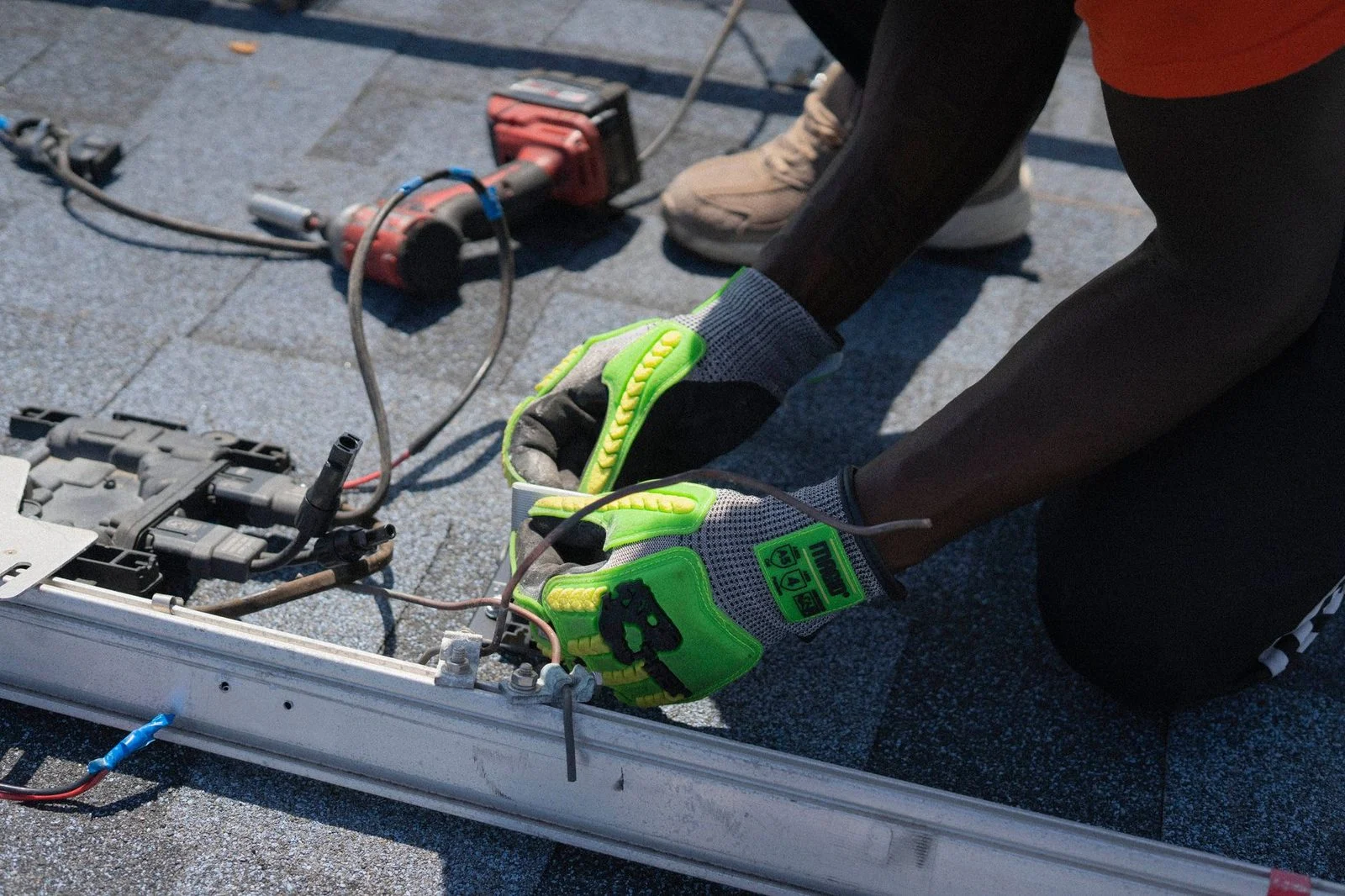
A standard grid-tied inverter works only while the utility grid has power.
That isolation is a safety feature, and it explains the outage problem. When the grid goes down, a standard grid-tied system shuts off, even if a battery is attached to it. So a battery on that unit won’t keep your lights on by itself.
For battery backup, a home usually needs a hybrid inverter, a battery-based inverter, or a separate backup system. Any of these can power the house when the grid drops.
Two Common Ways a Battery Connects to Solar Equipment
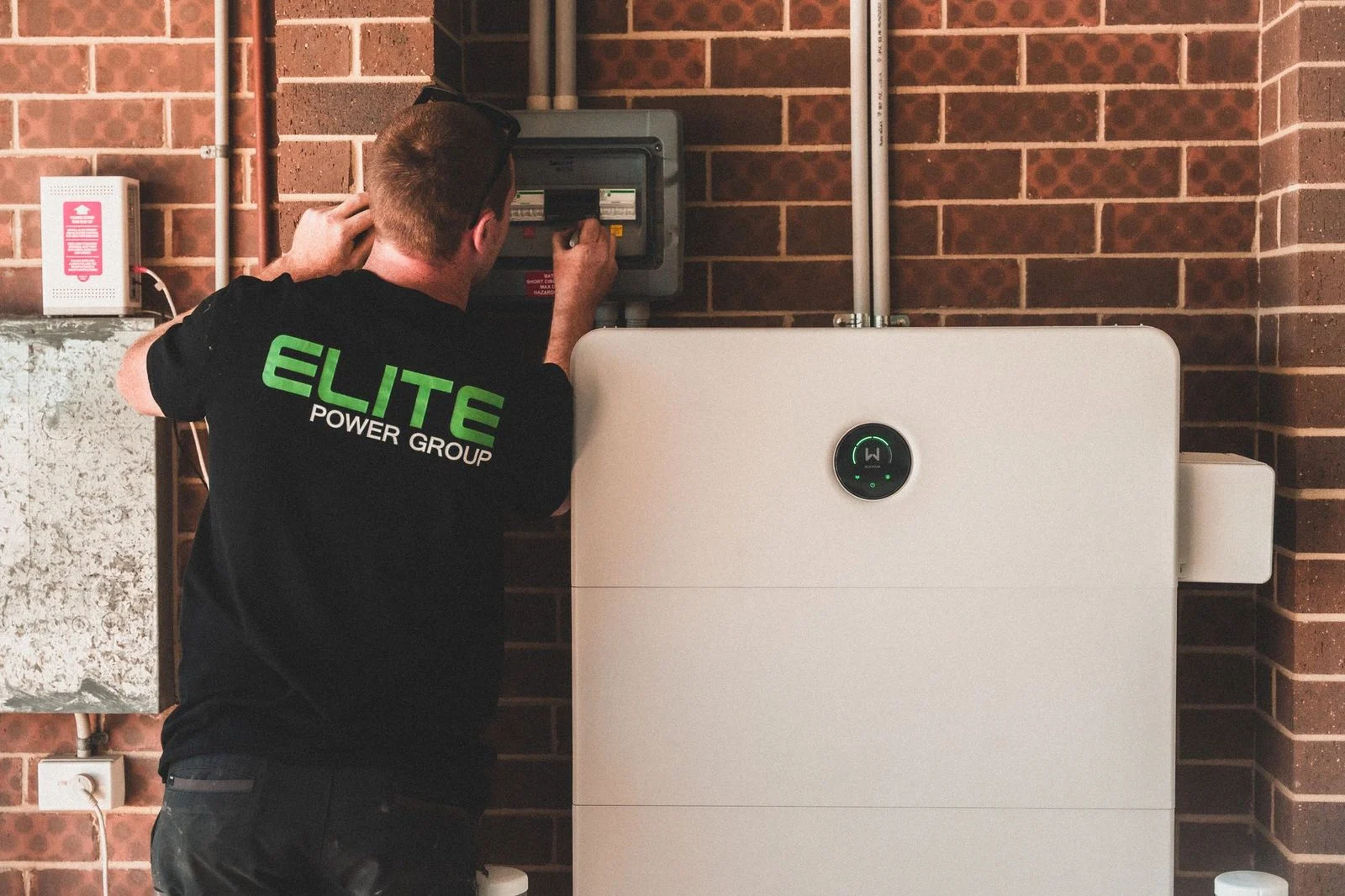
A battery usually connects in one of two ways. The first is a hybrid inverter. One unit manages the panels, the battery, and grid power together. When the grid drops, it switches the home to battery power.
The second is an added battery paired with a compatible inverter or gateway. The battery joins your existing solar setup, and a separate device controls charging and switching. This route can suit a home with working panels, but the pairing must be checked first.
Many people assume any battery will plug into any inverter. That assumption causes trouble. Whichever route you take, ask three questions. How does the battery charge from the panels? How does it charge from the grid? What powers the house during an outage? Clear answers show whether the design fits your needs.
What Must Match Between the Battery and the Inverter
Four things must line up: voltage, chemistry, communication, and power ratings.
Voltage comes first. The battery’s operating voltage must fall within the inverter’s battery input range. A mismatch can stop the pair from working at all.
Chemistry comes next. Lithium-ion batteries are common in home systems. The inverter must support that battery type and its charge settings. UL Solutions describes how battery technologies differ in energy density, lifespan, and safety, which is why the match matters.
Communication is often overlooked. Many batteries and inverters exchange data to manage charge limits and protection. The manufacturer must support the exact pairing.
Finally, ratings. The inverter’s kW rating limits how many loads can run at once. The battery’s kWh capacity limits how long those loads can run.
Safety, Permits, and Installation Rules in Florida
Adding battery equipment usually requires a permit in Florida. Florida law makes it unlawful to alter, modify, or repair a building without first obtaining a permit from the enforcing agency. The Florida permit statute sets that rule.
The 2026 Florida Building Code also updates battery rules. Section R328 now covers “Energy Storage Systems,” replacing “Stationary Storage Battery Systems.” The 2026 code change analysis also describes new door requirements for openings from a storage space into a dwelling, including self-latching and self-closing doors.
Electrical codes set the safety standards. The International Code Council says these codes cover safe electrical design, installation, inspection, and deployment for solar and battery storage.
A safe install also includes proper disconnects, backup wiring, and inspection before the system is energized. Florida’s interconnection rule notes that a utility may require a manual disconnect switch. Mixing an old inverter with a new battery is rarely a simple add-on.
Questions to Ask Before Deciding on a Setup
Having a few details ready can help our team prepare for your free first consultation. Start with the inverter. Write down its make, its model, and whether it is a hybrid or grid-tied unit. That one detail narrows your options fast.
Next, note your panel count and roof direction. These set how much solar power your system makes during the day. Then list the loads you need during an outage, such as refrigeration, medical equipment, or fans. Those loads drive the kW and kWh you need.
Last, decide how long you want backup power to last. That answer links the battery size to the loads you chose. Bring these notes to your quote conversation so the discussion stays focused on your home.
Quick Answers
Can we use a solar battery for an inverter?
Usually only if the inverter is a hybrid or battery-based unit built to accept battery power.
Does adding a battery need a permit in Florida?
Usually yes, because Florida law requires a permit before altering or repairing a building.
What decides battery size?
The loads you want to back up, how long you want them to run, and the inverter’s kW rating.
If you are weighing a battery for a solar system you already own, you don’t have to sort out the inverter question alone. Our team offers a free initial consultation, which is confidential and carries no obligation to continue.
What to Check Before You Connect a Battery
Inverter Compatibility
Many standard solar inverters are not designed to accept battery power. Confirm whether your inverter is a hybrid or battery-based unit before planning a battery connection.
Battery Sizing
Battery size depends on your household's energy use, the backup loads you want to cover, and how long you want power to last during an outage.
Permits and Inspections
Adding or changing electrical equipment typically involves permitting and inspection. Plan for this step as part of the project.
Safe Installation
Proper wiring, equipment ratings, and system integration help protect your home and your investment.
Important: Do Not Connect a Battery on Your Own
Connecting a battery to an inverter that is not built for it can damage equipment and create safety hazards. Have the system evaluated before making any changes.
How We Help Homeowners Plan Battery Backup
1. Review Your System
We look at your current solar panels, inverter model, and electrical setup to see what your home can support.
2. Plan Your Battery Size
We discuss the loads you want to back up and recommend a battery size that fits your needs and budget.
3. Handle the Details
We explain the permitting and installation steps so you know what to expect from start to finish.
4. Install and Test
Our team installs and tests your battery system so it is ready when you need it.
Ready to See If a Battery Fits Your Home?
Book your free first consultation. It is confidential and comes with no obligation to continue.


