


Solar Battery Backup | South Florida
Battery Backup Without Solar Panels
Keep essential circuits running during outages in Miami, Fort Lauderdale, West Palm Beach, Kendall, Naples, Fort Myers and Boca Raton, even if you don't have solar panels.
By Jonathan Rodriguez · Published October 24, 2026
Yes, a battery backup without solar panels is a workable option for many South Florida homes. The battery charges from the utility grid while power is on. It then supplies stored energy when the grid goes down. This guide explains how that works, what it can power, and what to weigh before you decide.
Do You Need Solar Panels to Get a Home Battery Backup?
No, solar panels are not required. A home battery backup system can run on grid power alone. The real difference is how the battery gets refilled.
With panels, sunlight can recharge the battery during the day. Without panels, the battery refills only while utility power is available. That single point shapes every other decision you make.
Florida storms can knock out power for long stretches. A battery without panels can’t refill during those outages. Homeowners who want a second charging source usually plan for panels, either now or later.
A battery-only setup also avoids a rooftop installation. That matters if your roof is older or you aren’t ready to replace it. For the full picture, read our solar battery backup overview for South Florida.
If you're weighing a battery for a household that depends on powered equipment, we'd be glad to talk through your home's situation with you. Talk it through with our team — the first consultation is free, confidential, and carries no obligation.
What Is a Home Battery Backup System?
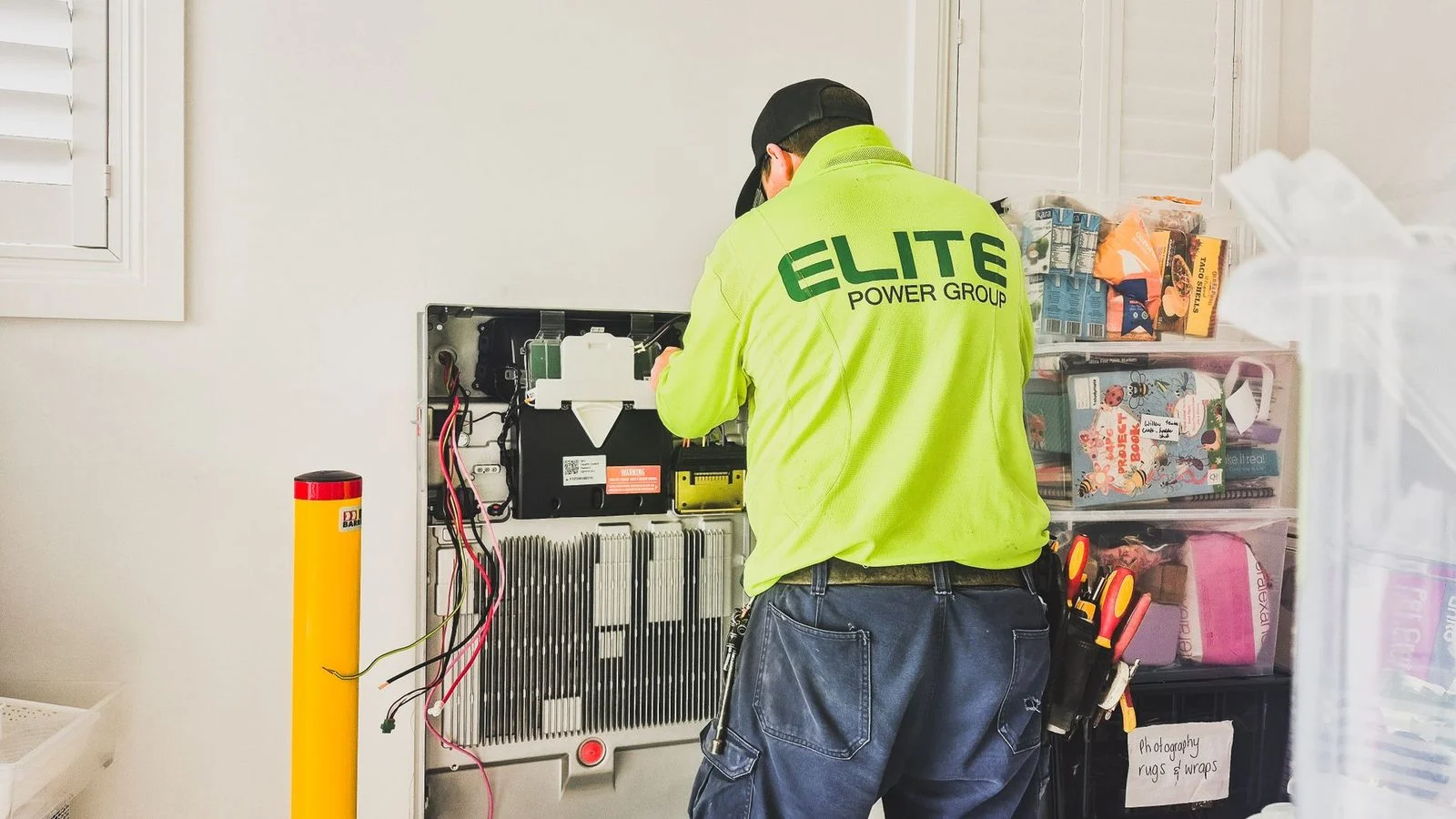
A home battery backup system has three main parts. There is a battery bank, an inverter, and a connection to your electrical panel. Each part has a clear job.
The battery bank stores electricity. The inverter converts that stored power into the type your appliances use. The connection to the electrical panel sends that power to the circuits you choose.
UL Solutions microgrid research describes how energy density, lifespan, and safety traits affect battery technologies used in energy storage. Those traits shape how much a system holds and how long it lasts.
The system stores energy and supplies power when grid power is interrupted. It does not generate power. Without panels, it only stores what it pulled from the grid.
Two sizing approaches matter. An essential-circuits system powers selected circuits, such as lights, chargers, and a refrigerator. A whole-home system aims to cover every circuit in the house. The second needs much more capacity. Decide which approach fits your needs before you compare systems.
How Does a Non-Solar Home Battery Backup Work?
The battery charges from the grid, holds that energy, and feeds your circuits during an outage. The process runs in three steps.
Step one: while utility power is on, the battery fills. Step two: the battery holds that energy until it’s needed. Step three: when the grid fails, the inverter feeds stored power to the connected circuits. Lights stay on and a refrigerator keeps running until the stored energy is used up.
How long that lasts depends on two things. The first is battery capacity, meaning how much energy the battery holds. The second is the loads drawing power at the time. Running an air conditioner pulls far more energy than charging a phone. The same battery can last much longer or much shorter depending on what’s switched on.
What Changes When There Are No Solar Panels?
Without panels, the battery cannot recharge during an outage. It refills only when grid power returns. That makes a long outage the main risk.
If an outage lasts longer than the stored charge, the battery runs empty. It stays empty until the grid returns. Panels add a separate charging source that works without the grid. That is the main reason homeowners pair the two.
Roof condition and orientation matter when panels come later. Roof age, slope, and direction all affect where panels can go. A battery-only setup skips that question for now. If your roof is due for work, plan that first. Our metal and tile roofing services can help you think through roof condition.
A battery can be added now and solar considered later, if the home and the system design allow it. Ask about expansion before you buy. That way, the first system doesn’t block later options.
What Can a Battery Power During an Outage?
A battery can power selected circuits, such as lights, phone chargers, and some medical equipment. Its capacity sets the limit. Make a list of must-run items before you choose a size.
Lighting is the simplest load. Keeping key rooms and hallways lit helps during a power cut. LED lights draw little energy compared with older bulbs.
Phones, tablets, and laptops are common needs. Charging them keeps your household in contact with family, work, and emergency information.
Medical devices need the most care. If someone in your home uses powered medical equipment, confirm with their medical provider which devices need uninterrupted power. Also confirm how long each device must run. Do this before you pick a battery size.
Refrigeration and ceiling fans are common additional loads. A refrigerator cycles on and off, so it draws power in bursts. Fans add up over long periods. Air conditioning is usually the largest load, and it often needs more capacity than a basic essential-circuits setup.
Can a Battery Lower Your Energy Bill Without Panels?
A battery can shift when you use grid power, but any bill effect depends on your utility rate plan. Under a time-of-use plan, electricity costs more at some hours than at others. A battery can store grid power when rates are lower and use it when rates are higher.
Whether that helps depends on your rate plan and how you use power. A home with steady daytime use may see a different result than one that runs most appliances at night. No savings figure is promised here. Review your own utility bill and plan details before you decide.
The mechanism is simple. The battery charges when power costs less and discharges when it costs more. Its main job is still backup power. Any bill savings are a side effect, not a guarantee.
Not sure what your next step is?
Talk it through with our team — the first consultation is free, confidential, and carries no obligation.
Factors to Weigh Before Choosing a Battery Setup
Start with which circuits need power and for how long. Those two answers drive capacity, cost, and installation choices. Skipping this step is a common mistake.
Compare essential-circuit coverage with whole-home coverage. Ask what each option powers and what it leaves off. Also ask whether the system can grow if you add panels later.
Installation location matters in South Florida. Heat, humidity, and wind-driven storms all affect where equipment can go and how it is secured. Lithium-ion batteries also carry safety considerations. UL Solutions incident reporting tracks lithium-ion and energy-storage incidents, including injuries and fatalities, and notes the limits of available safety data. Plan placement with that in mind.
Local context may help. Our Miami battery backup guide and Boca Raton battery backup guide cover conditions in those areas. For installation details in the Miami-Kendall area, see Miami-Kendall installation details.
Talk Through Your Home’s Situation With ASP Superhome
If you’re planning around a parent’s medical equipment or a household that just lived through an outage, you don’t have to work out every detail alone. Start by listing the circuits and devices that must stay on.
Can you have a battery backup without solar panels?
Yes. The battery charges from the utility grid while power is on, so solar panels are not required.
Can a battery backup power a whole house?
It can, but whole-home coverage needs much more capacity than an essential-circuits setup. Check your circuit and load list before deciding.
How long will a battery run during an outage?
Run time depends on battery capacity and the loads drawing power at the time. Lighter loads last longer.
Bring your list to a conversation with ASP Superhome, including which circuits matter most and whether panels are already on the roof. The first consultation is free, confidential, and carries no obligation to continue. Request a free estimate for a battery backup system.
Why Homeowners Choose a Battery Backup Setup
Power for what matters most
A battery backup can keep key circuits such as refrigeration, lighting, and internet running when the grid goes down.
Works with your current home
The battery charges from the utility grid while power is on, so you can plan a backup system without installing solar panels.
Planned around your load list
We review which circuits you need and how long you need them to run before recommending a system size.
A free, confidential first consultation
Talk with our team about your home and your options with no obligation to move forward.
Check Your Load Before You Buy
A battery that covers essential circuits is not the same as a system that powers the whole house. Whole-home coverage needs much more capacity. List the circuits you want to keep running before choosing a size.
How the Process Works
1. Free first consultation
We learn about your home, your power needs, and the circuits you want to protect. The consultation is confidential and comes with no obligation.
2. Load and capacity review
We help you build a list of essential circuits and estimate how much battery capacity fits your goals and your budget.
3. Custom quote
You receive a written quote for your home. Take your time to compare the details before deciding.
4. Installation and walkthrough
Our team installs the system and shows you how it works, including what it will and won't power during an outage.


