


Solar Battery Backup | South Florida
Can an Inverter Run for 24 Hours?
How long your inverter runs depends on stored battery energy, heat, and how hard the system is working. Here is what South Florida homeowners should know.
By Jonathan Rodriguez · Published November 8, 2026
Short answer: the inverter does not run out the way a battery does
Yes, an inverter can run for 24 hours or longer, as long as it has power coming in and stays within its design limits. The real limit is the energy stored in the battery, not the inverter’s own life on a given day.
An inverter changes direct current (DC) from a battery or solar panels into alternating current (AC), the power your appliances use. Your home loses power when the stored energy runs out.
Not every inverter works the same way in an outage. Florida’s interconnection rule lists the conditions for disconnecting customer-owned generation (Fla. Admin. Code R. 25-6.065). Code R. 25-6.065). A hybrid or battery-backup inverter, properly installed, is set up to supply selected loads during an outage.
If you’re reading this, you may be planning for a storm or a grid outage. You may be planning it for a parent’s or relative’s home. That’s a stressful spot to be in, and you don’t need to have picked a system yet.
If you're planning a 24-hour backup for your own home or a relative's, our team can talk through your loads with you. Talk it through with our team — the first consultation is free, confidential, and carries no obligation.
How runtime is calculated: stored energy divided by household load
Runtime equals usable battery energy divided by the average power your loads draw. Usable energy is always less than the rated total, so start there.
Battery size is listed in kilowatt-hours (kWh). A 10 kWh battery does not give you 10 kWh of usable power. Some energy is held back to protect the battery, and the inverter loses some energy when it converts DC to AC.
According to Florida Administrative Code Rule 25-6.065, its purpose is to promote the development of small customer-owned renewable generation, especially solar and wind energy systems, and the rule applies to every investor-owned utility, except as otherwise stated in its subsection (10). Code R. 25-6.065).
Here is a worked example with assumed numbers. Assume a 10 kWh battery, 90% inverter efficiency (an assumption for illustration, not a fixed figure), and a steady load.
- Usable energy to the home: 10 × 0.90 = 9 kWh
- Runtime at a 1 kW average load: 9 ÷ 1 = 9 hours
- Runtime at a 0.4 kW average load: 9 ÷ 0.4 = 22.5 hours
The same battery gives very different runtimes. The load decides the answer. List the circuits you want to keep running and add up their wattage.
Which loads decide whether 24 hours is realistic
A 24-hour run is realistic only when the loads you keep on are small. Continuous loads run all day, such as a refrigerator, a freezer, a well pump, and a modem or router. Intermittent loads switch on and off, such as a microwave, an electric water heater, central air conditioning, or electric resistance heat.
Central air conditioning and electric resistance heat draw the most power. Running them through a full day of outage usually calls for a much larger battery or more solar input.
A critical loads panel feeds only the circuits you choose. Fewer circuits means less energy used each day. Our team can review which circuits fit your plan.
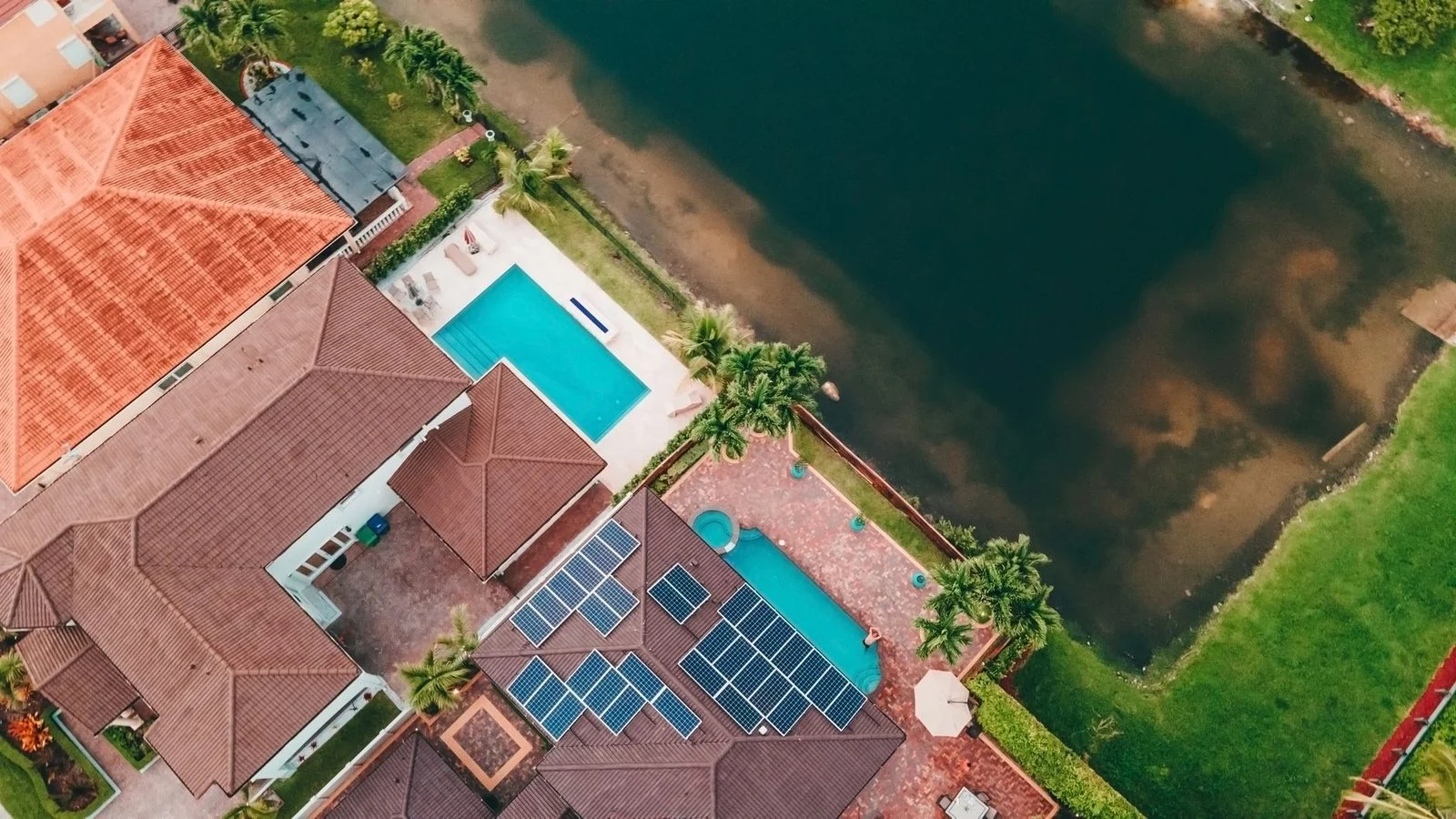
Solar panels recharge the battery during daylight. When the system is designed for it, that recharging can extend runtime across several days. Recharging depends on sunlight, panel size, and weather, so it is a design goal, not a promise.
Inverter operation, heat, and maintenance over a long run
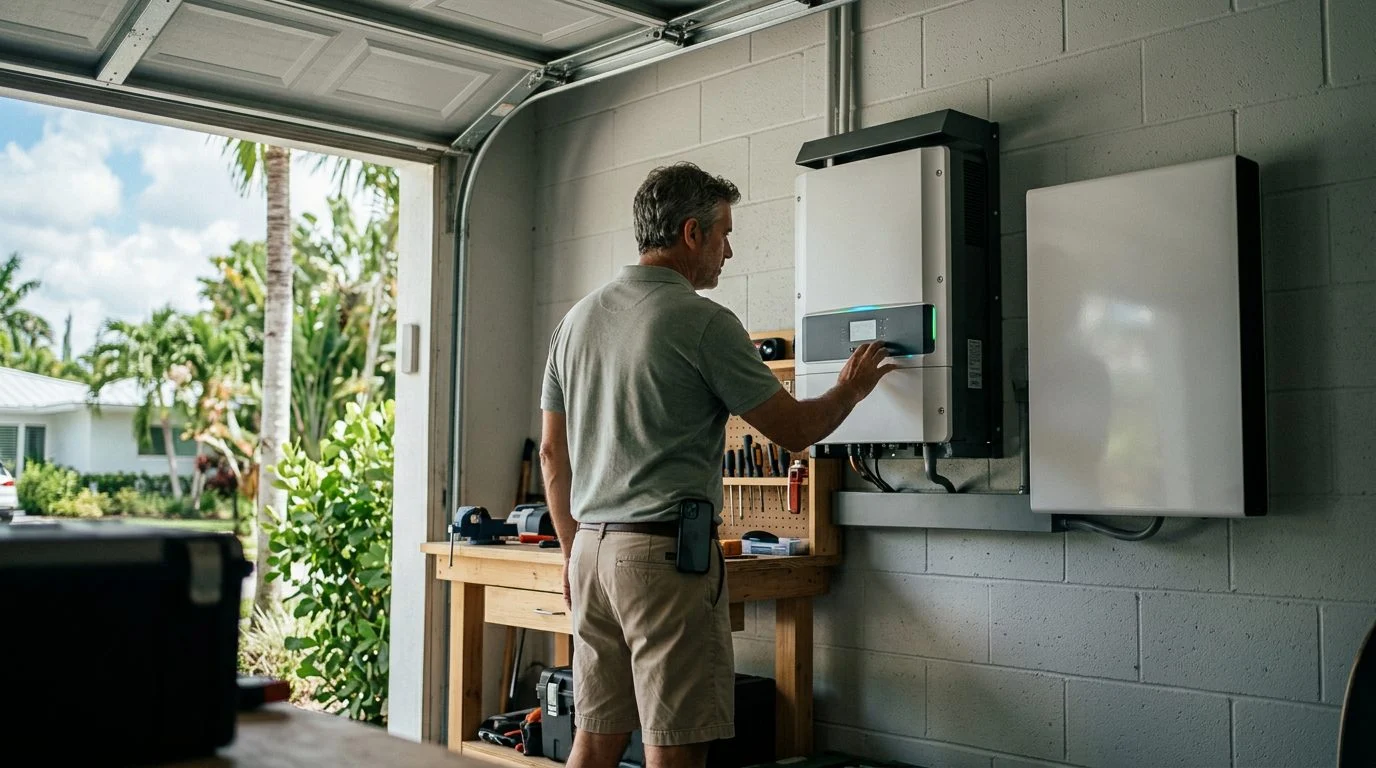
Inverters produce heat when they work, especially under heavy load. They need open space, airflow, and a suitable mounting location. Hot garages and utility areas in South Florida can push a unit toward its limits.
Climate data used in building design covers temperature, humidity, wind, and ventilation conditions. Those inputs help plan safe equipment spaces, and they are described in ASHRAE Standard 169 climate data.
Keep firmware and settings current, and watch fault alerts. A fault can stop output during a long outage if no one is checking the system.
Temperature, frequent cycling, and heavy workload all affect how long an inverter lasts. The manufacturer’s specifications set the rated limits for each model, so check the sheet for your unit.
Location matters too. A professional installation and system review help confirm the inverter, battery, and panels work together.
Planning for a Florida hurricane outage
Hurricane outages can last more than one day. Plan for the number of days you need, not just a single 24-hour figure.
Battery capacity, critical loads, and solar recharging work together over several days. A larger battery helps only if the daily load fits what the battery and recharge can supply.
Our planned guide on how many hours a solar battery runs a home during a Florida hurricane outage covers this load by load. Our planned explainer on whether a solar battery can be used for an inverter covers the equipment side.
Cost matters too. The Internal Revenue Service describes a Residential Clean Energy Credit of 30% that can apply to home battery storage, subject to its stated rules and limits. Under IRC § 25D, a qualifying battery storage property must have a capacity of at least 3 kilowatt hours.

Talk with our team about your home’s backup goal
If you’re planning a 24-hour backup for your home or a relative’s, start with a simple list. Write down each circuit you want on and its typical daily use. Our team can use that list to talk through what your home needs. Our first consultation is free, confidential, and carries no obligation to continue. Request your free estimate when you’re ready.
FAQ
Can an inverter run for 24 hours?
Yes, an inverter can run all day if it has power and stays within its design limits. The stored battery energy sets how long it lasts.
Can an inverter be left on all the time?
It can be, when it has a power source and suitable ventilation. Heat and workload affect its life, so check the manufacturer’s rated limits.
How long does a battery last with an inverter?
Divide the battery’s usable energy by your average load. A 10 kWh battery at a 1 kW load gives about 9 hours, using the assumed 90% efficiency in this guide.
What Keeps an Inverter Running
Stored Battery Energy
The battery bank sets the limit. An inverter can only run as long as the energy stored in the batteries allows.
Ventilation and Heat
South Florida heat and humidity affect performance. Adequate airflow helps the unit operate within its design range.
Manufacturer Ratings
Every inverter has rated limits for load, temperature, and continuous operation. Staying within them supports a longer working life.
Load and Usage
Running high-demand appliances draws down batteries faster and puts more strain on the inverter during long outages.
Tip: Check the Rated Limits First
Before relying on your system during an extended outage, confirm your inverter's rated continuous output and temperature range in the manufacturer's documentation.
Ways to Plan for Longer Backup
Review Your Battery Capacity
Compare your stored energy against the appliances you need to keep running, such as refrigeration, fans, and medical equipment.
Protect the Equipment From Heat
Plan for shade, airflow, and clearance around the inverter, especially during the hottest months in South Florida.
Prioritize Essential Loads
Separating critical circuits from the rest of the home helps stretch battery energy further during an outage.
Plan the System Around Your Home
Solar panels, battery storage, and inverter sizing work together. A review of your home helps match the system to your needs.
Start With a Free, Confidential First Consultation
Related practice areas
- How Many Hours Will a Solar Battery Power My Home in a Florida Hurricane Outage?
- What Is a Solar Inverter? South Florida Guide


