


Solar Power | South Florida
Can a Refrigerator Run on Solar Power?
Learn what it takes to power your fridge with solar panels and battery backup, then book a free first consultation with ASP Superhome.
Start With a Free Consultation
Free
First consultation
No obligation
Confidential, no commitment to continue
7 Areas
Miami to Naples and beyond
By Jonathan Rodriguez · Published November 7, 2026
Can a refrigerator run on solar power? Yes, when the panels, battery, and inverter are sized for the fridge’s real energy needs. South Florida families ask this most during hurricane season, when a power cut can put food and medicine at risk. This guide explains what decides whether a setup works, and where the limits are.
The Short Answer: Yes, When the System Is Sized for the Fridge
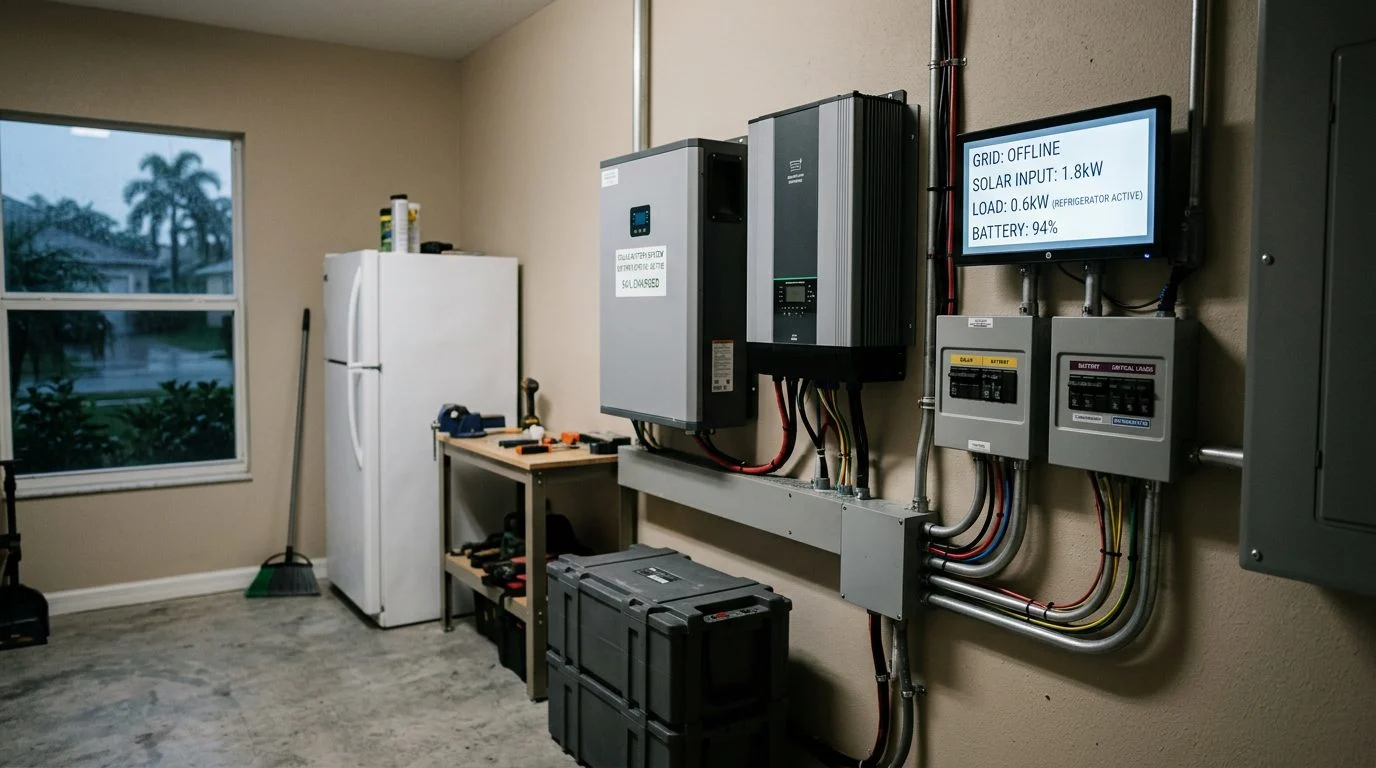
A solar setup can keep a refrigerator cold when it’s built for that one appliance. Think of the fridge as the load you’re planning for, not the whole house. A refrigerator cycles on and off. It draws power in bursts, not at full power all day. The compressor matters most, because it pulls the most power when it starts. Panel brand matters less than whether the battery and inverter can cover that load. Set the goal right: keep food cold through an outage. Running the kitchen, central air, and water heater together is a much bigger project. Florida’s strong sun can recharge a battery quickly on clear days. Rainy-season afternoons need planning, so don’t count on a perfect sun schedule.
If a storm-season outage has you worried about the food and medicine in your fridge, our team can review your fridge load and backup options with you. Talk it through with our team — the first consultation is free, confidential, and carries no obligation.
Can a Solar Generator Power a Refrigerator?
Yes, a portable solar generator can power a fridge if its ratings match the appliance. A portable solar generator is a battery and inverter in one unit. You charge it with portable solar panels or a wall outlet. Check two numbers on the spec sheet. The continuous watt rating must be higher than the fridge’s running watts. The surge or peak rating must also cover the compressor’s start-up draw. Many people read only the big number on the box. A unit that handles running watts but not surge will shut off the moment the compressor kicks on. Next, look at watt-hours. Watt-hours measure capacity. They tell you how many hours the fridge can run before the battery is empty. A larger battery gives more hours, but it costs more and weighs more.
How Much Power a Refrigerator Uses and Why Startup Surge Matters
A refrigerator uses far more power in the instant the compressor starts than while it runs. Find the fridge’s rated wattage on the nameplate, usually inside the door or on the back. You can also check the manufacturer’s spec sheet. Daily energy use is measured in watt-hours. You estimate it from the rated power and how often the compressor cycles. Cycling goes up when the door opens often, when warm food goes inside, or when the fridge sits in a hot garage. Heat makes the compressor work harder all day. Plan for the daily total, not the average minute. A system that covers the average can still fail at the moment of a surge.
How Big a Solar System Do You Need to Run a Refrigerator?
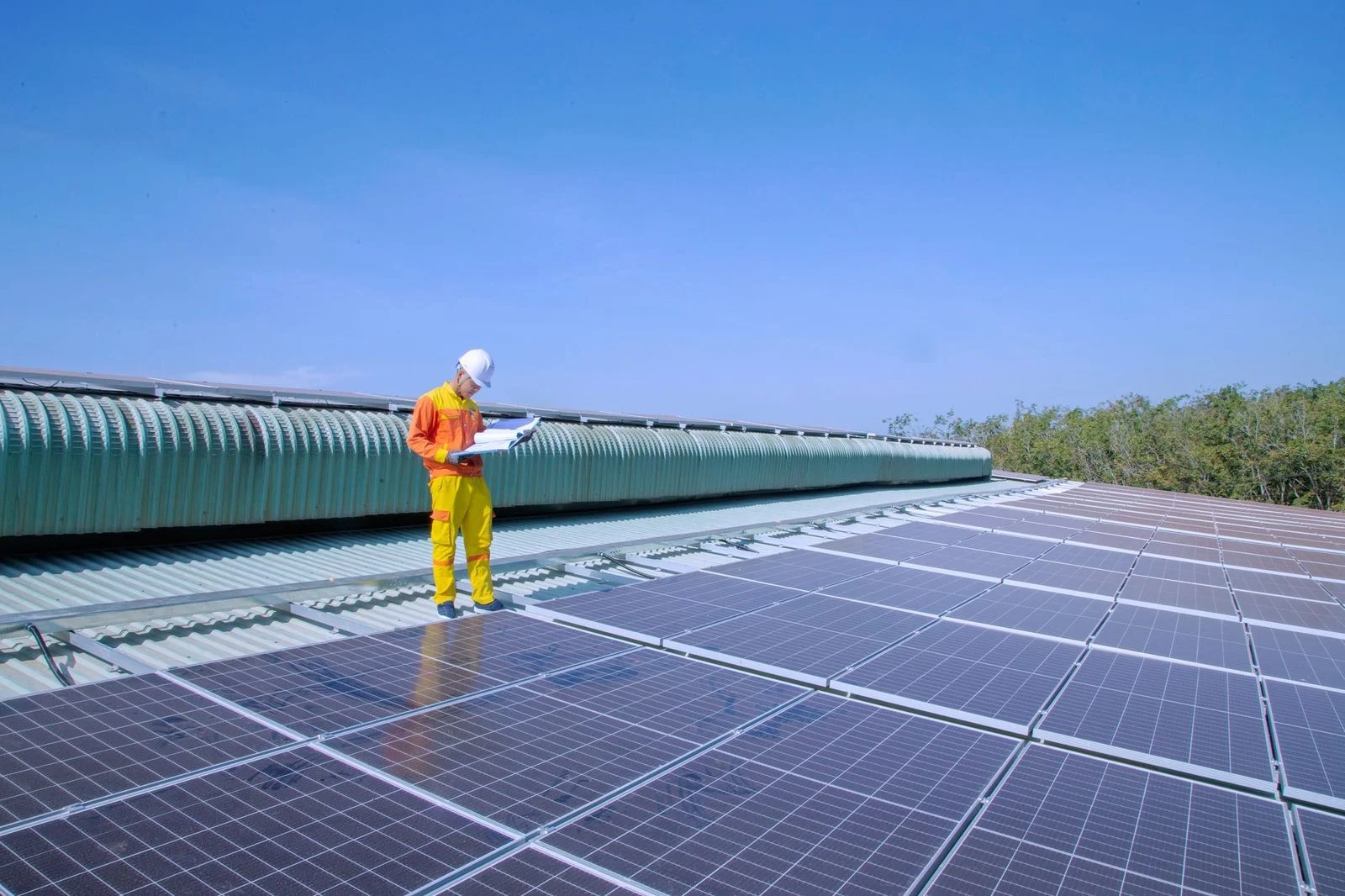
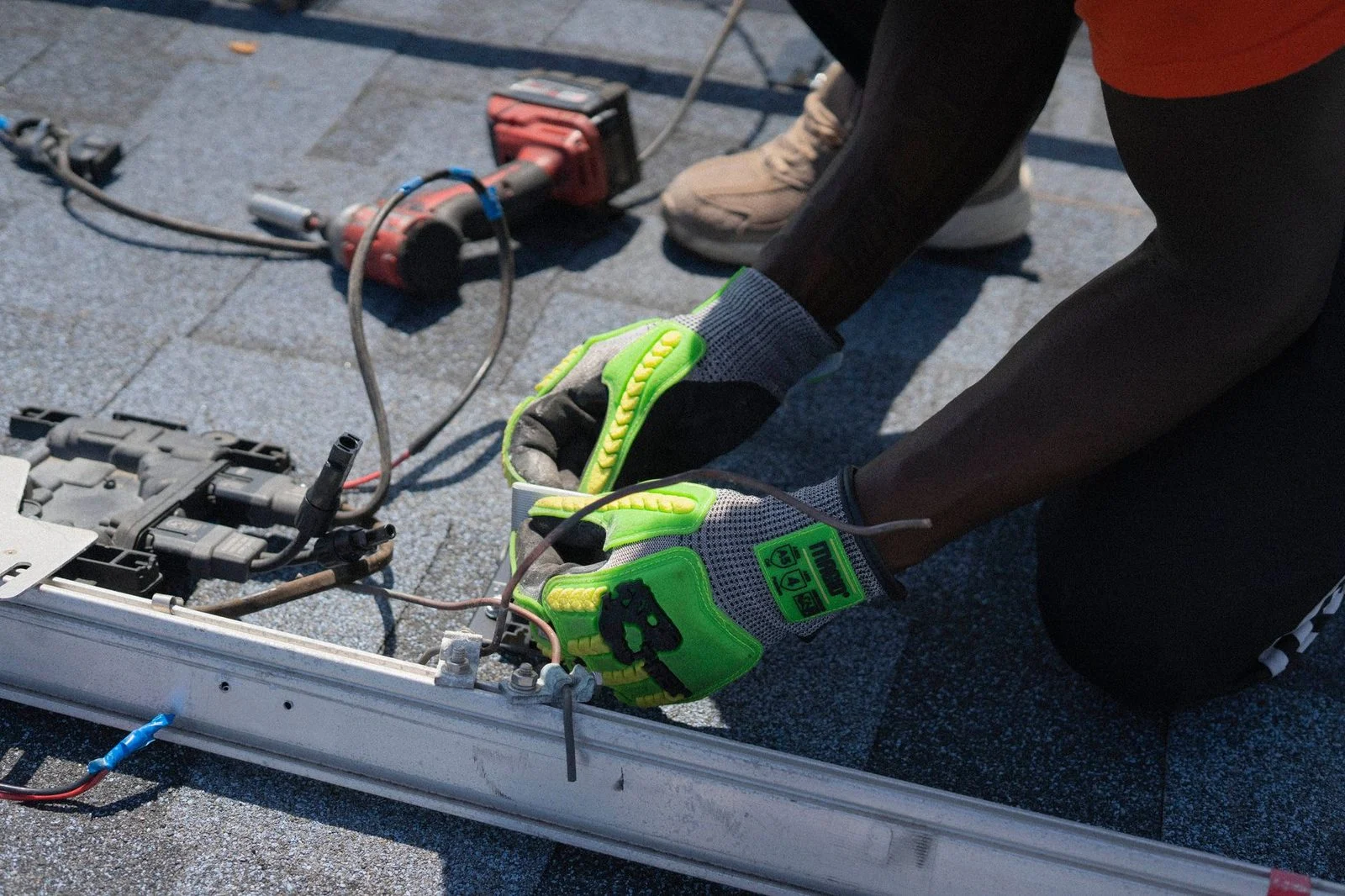
Size the system in four steps: daily fridge energy, a cushion for cloudy days, battery size, then panels to refill the battery. First, total the fridge’s daily watt-hours. Second, add a cushion for stretches of low sun. Third, choose a battery that can hold that total. Fourth, size the panels to refill the battery within a typical day of good sun. A small panel alone usually can’t both run the fridge and recharge a battery on a normal day. So the battery and charge controller matter as much as the panel count. Roof type also shapes the plan. The DOE homeowner’s guide to solar says rooftop suitability depends on roof age, shape, and slope, including for tile roofs. Once a local enforcing agency issues a permit, it may not make or require substantive changes to the plans or specifications, except changes needed to comply with the Florida Building Code, the Florida Fire Prevention Code, or the Life Safety Code, or local amendments: Fla. Stat. § 553.79. Battery placement has rules as well.
What Are the Disadvantages of a Solar Generator?
A portable solar generator has three main drawbacks: limited runtime, limited capacity, and manual setup. It runs down and needs sun or another charge source to refill. Most units are built to run a few appliances, not a full kitchen or central air. Batteries and inverters wear over time, so the unit must stay charged and maintained. Setup means cords, placement, and switching it on yourself. That’s hard during a stressful outage, especially at night.
A solar battery backup system tied to the home works differently. It can power selected circuits automatically, and it’s designed for longer outages. For a fridge that can’t lose power, that automatic switch is the main difference.
Planning for a Fridge During an Outage: Next Steps
Plan before the storm: put the fridge on a backup circuit, limit door openings, and know how long food stays cold. A full fridge holds cold better than an empty one. Keep the thermostat set correctly and clean the coils so the compressor works efficiently. During an outage, opening the door less keeps cold air inside.
If a parent or relative relies on this fridge for food or medication, the decision feels heavy. You don’t have to work through the numbers alone.
Can a solar generator power a refrigerator?
Yes, if its surge rating, running watts, and watt-hours all cover the fridge’s needs.
Can a 200-watt solar panel run a refrigerator?
A single small panel usually can’t both run the fridge and recharge a battery on a typical day.
How do I start sizing a solar system for a fridge?
Start with the fridge’s daily watt-hours, then size the battery and panels to cover that total.
Book a free first consultation, which is confidential and carries no obligation to continue. Our team can review your fridge load and backup options with you.
How to Size a Solar System for a Refrigerator
1. Check the fridge's ratings
Look for the running watts and the surge (startup) watts on the label. The surge rating is what your system must handle when the compressor kicks on.
2. Estimate daily energy use
Multiply the fridge's average running watts by the hours it runs each day to get daily watt-hours. This number drives how many panels you need.
3. Size the panels and battery
Panels must produce enough energy to run the fridge and recharge the battery on a typical South Florida day. A battery backup keeps food cold during cloudy days and outages.
4. Plan the full setup
Inverter capacity, wiring, and roof space all affect the design. Our team can review your home and walk you through the options.
Why Homeowners Start With ASP Superhome
Solar and battery planning
We help you match solar panels and battery backup to the appliances you need to keep running.
Complete home solutions
Solar, roofing, impact windows, impact doors, and kitchen remodeling are all handled under one roof.
A clear first conversation
Your free first consultation is confidential and comes with no obligation to continue.
Serving South Florida
We work with homeowners in Miami, Fort Lauderdale, West Palm Beach, Kendall, Boca Raton, Naples, and Fort Myers.
Check Surge Watts Before You Buy
A refrigerator's startup surge can be several times its running wattage. Size your inverter and battery for the surge rating, not just the running watts, to avoid shutdowns when the compressor starts.
Ready to Power Your Fridge With the Sun?
Related practice areas
- Do Solar Backup Generators Work? South Florida Guide


