


Solar Battery Backup | South Florida
Which Appliances Should Your Solar Battery Keep Running?
Plan your battery backup around the appliances your household relies on most, from the refrigerator to the well pump, so your home stays comfortable when the grid goes down.
Start With a Clear Plan
Free
Initial consultation, confidential and with no obligation
By Jonathan Rodriguez · Published October 23, 2026
Knowing what appliances to back up with solar battery power comes first. Put the refrigerator, medical devices, a few LED lights, communication tools, and any well pump on the battery. Keep high-draw appliances like central air and electric dryers off it during a storm, unless your system is sized for them.
Hurricane outages in South Florida can last longer than a routine blackout. Wind, flooding, and downed lines can keep power off for days. You can’t predict how long. That uncertainty changes the question. You’re no longer asking what would be convenient to run. You’re asking what must keep running.
Why hurricane outages change which appliances you choose
Hurricane outages change the math. A short blackout may only cost you a day of convenience. A storm outage can leave you without cooling, clean water, or medical power for much longer.
A solar battery holds a fixed amount of energy. Once that energy is used up, the circuits it feeds go dark, even on a sunny day. That limit is why the appliance list comes before any sizing decision. You choose the loads first, then match the battery and panels to them.
This page follows a clear order. Start with essential circuits: refrigeration, medical devices, water, lighting, and communications. Then look at high-draw appliances that can drain a battery fast. Last, turn your list into a plan you can use before storm season.
If you're gathering this for a parent or family member, our team can talk through their appliance list and home layout with you. Talk it through with our team — the first consultation is free, confidential, and carries no obligation.
Start with essential circuits, and how panels and the battery work together
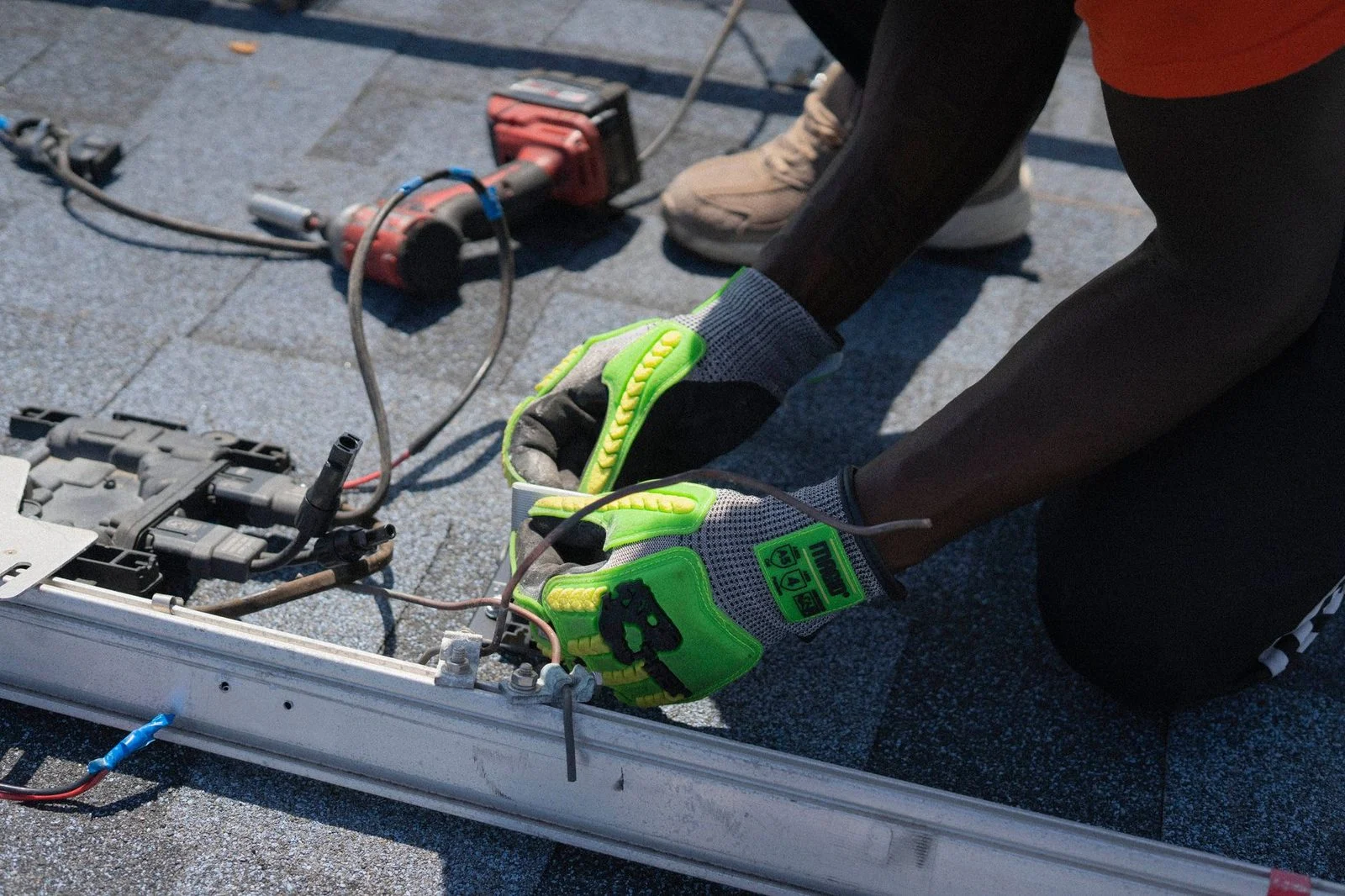
Essential circuits are the part of your home’s wiring that stays powered during an outage. The rest of the house goes dark. Separating these circuits is the first step in any backup plan.
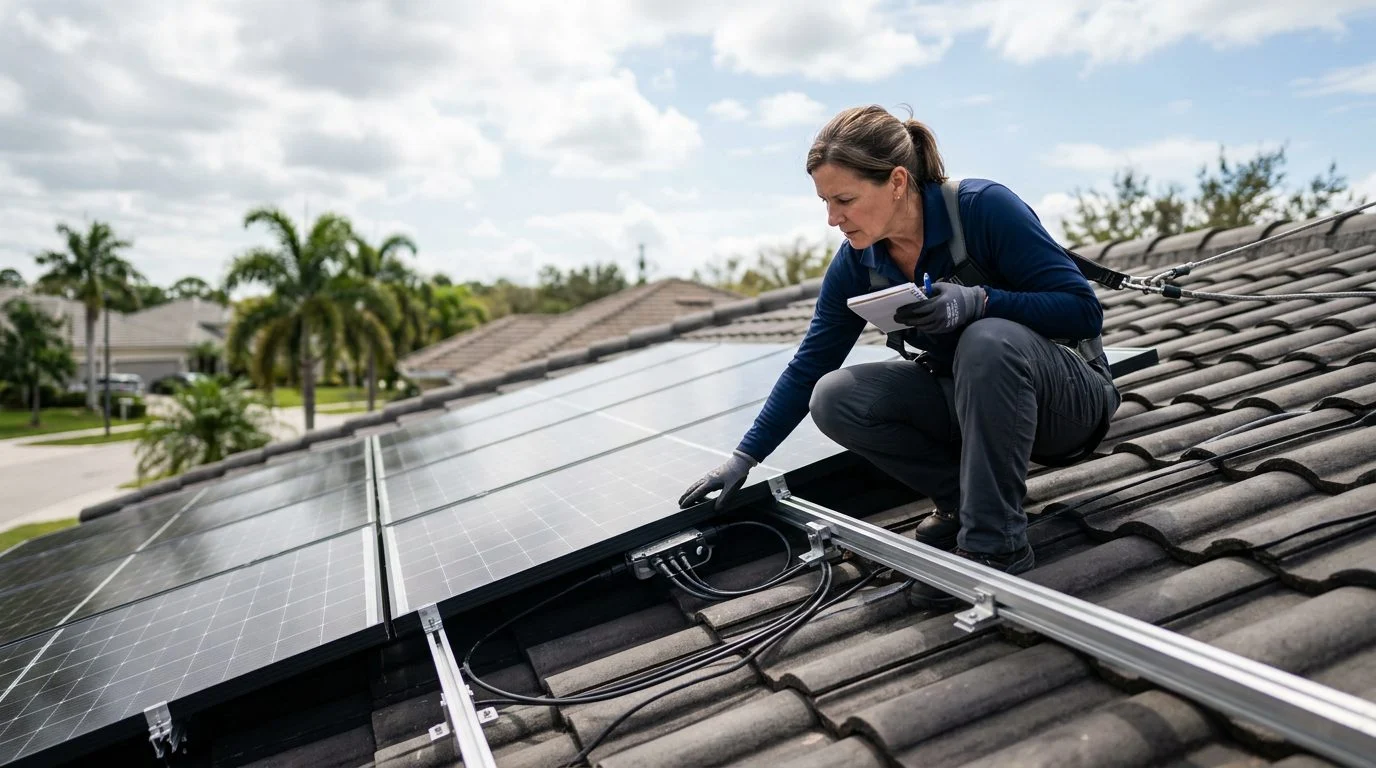
Solar panels charge the battery when the sun shines. During an outage, the battery feeds the essential circuits. Panels can add power during daylight, but at night the battery carries the load alone.
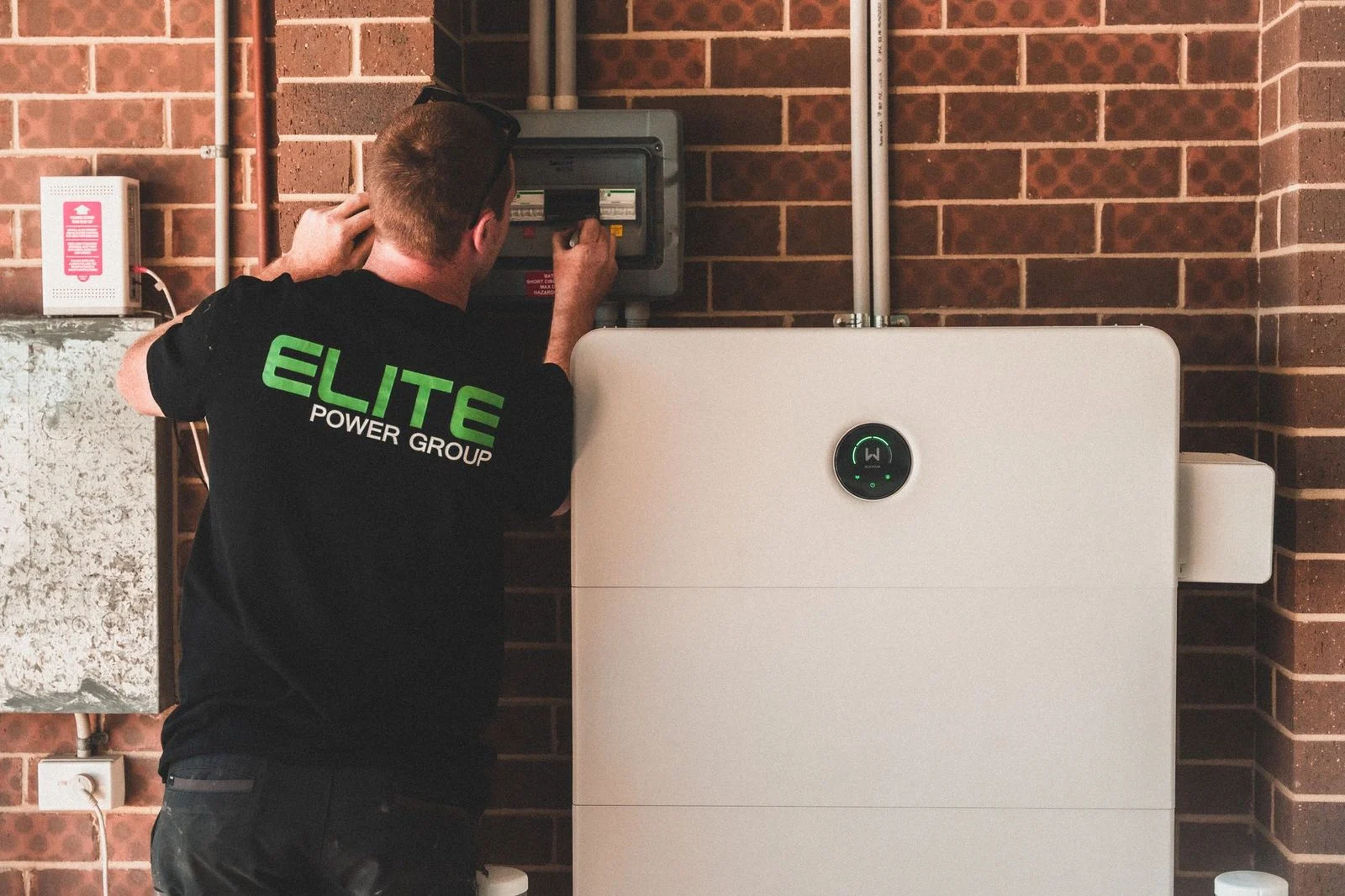
Placement matters too. Our team reviews the manufacturer’s installation requirements with you during your free first consultation. Pick a spot that is protected from weather and flooding, and one you can reach easily. Lithium-ion batteries need care. UL Solutions reports on lithium-ion battery incidents. That makes proper installation worth getting right the first time.
Grid-tied systems and battery-backed systems behave differently in an outage. Many grid-tied systems shut down when the grid goes out unless they include battery backup and the right equipment. Contact our team to learn how your system will respond.
Can you run a refrigerator on solar battery power?
Yes. A refrigerator is one of the most common appliances people place on battery backup. Food spoils quickly in a warm house with no power. Keeping the fridge running protects your food and your budget.
Refrigerators cycle on and off. The compressor runs for a while, then rests. That means the average draw over a full day matters more than the short spike when the compressor starts. Check the rated wattage on the nameplate, the label on the back or inside the door, as a starting figure.
Think about how often the door opens during an outage. Each opening lets cold air escape, and the fridge works harder to recover. Tell your family to open the door only when needed. That small habit stretches the battery.
Chest freezers and upright freezers can go on backup the same way. Many households put the fridge and one freezer on the essential list. A full freezer holds its cold well when the door stays shut. That gives you more time before food is at risk.
Which appliances can be powered by solar energy in an emergency?
Low-draw items fit best on backup circuits. LED lighting uses little power, so a few fixtures in bedrooms, hallways, and the kitchen cost little energy. Wi-Fi routers and modems, phone chargers, a television or radio, and a ceiling fan also fit well. These items keep you informed and comfortable without draining the battery.
Small kitchen appliances need more caution. A coffee maker or microwave draws significant power for short periods. A few minutes of use can take a noticeable bite out of a small battery. Use them sparingly on battery power, or skip them during the outage.
Your battery’s capacity and daily energy needs decide the final list. Check your list against the system’s specifications before storm season arrives. Don’t wait until a storm watch is posted to do the math.
Medical devices and mobility equipment
Powered medical equipment is the first priority on any backup list. Household members who rely on CPAP machines, oxygen concentrators, or medical refrigerators need power before anything else. Plan these loads before you add any other appliance.
Interrupted therapy can create real health risks. Treat these devices as essential, not optional. Build the plan around them.
Confirm each device’s power requirements with the device supplier or the patient’s medical provider before setting up the backup circuits. Ask how many hours the device can run on battery power. Ask whether it needs a specific voltage or a clean power supply.
Powered mobility equipment needs attention too. Electric wheelchairs and lifts run on batteries that need regular charging. Add their chargers to the essential list. Start this planning well before a storm approaches, not when the forecast turns.
Water pumps, lighting, and communications
Water matters in an outage. If your home runs on a well, the well pump needs power to deliver water. Homes with a pressure tank or booster pump should count those pumps as essential loads too.
A well pump has a starting surge, so sizing matters. Contact our team to confirm whether a battery can cover the pump’s start-up and running loads. Don’t assume a pump will run just because the battery has charge.
Lighting makes an outage safer. Put hallway, bedroom, and kitchen lights on the essential list. Choose LED fixtures to keep the load low. Battery-powered lanterns also give you light without touching the battery.
Communication keeps you connected. Phone charging, internet equipment, and a battery-powered or solar-charged radio are examples of items you may want to keep on backup. A radio helps you track conditions when phone service is unreliable.
Not sure what your next step is?
Talk it through with our team — the first consultation is free, confidential, and carries no obligation.
High-draw appliances that drain a battery quickly
Some appliances draw large amounts of power and can empty a battery in a short time. These include central air conditioning, electric water heaters, electric ranges and ovens, clothes dryers, pool pumps, and electric-resistance heaters. Each one is a heavy load on any modest battery.
Motors need a starting surge. Many motors draw more power for a moment when they start than their running wattage on the nameplate suggests. When several motors start at once, the surge can overload a small system. Stagger their use if you must run them.
Keep high-draw appliances off backup-powered circuits, or limit how long they operate. That keeps battery energy for the refrigerator, medical needs, lighting, and communications. A clothes dryer or pool pump can wait until grid power returns.
Air conditioning is the hardest call. Cooling matters in a Florida heat wave. Discuss cooling needs with our team early, because a large air conditioner may not fit a battery sized for essentials. The EPA’s cool roofs guidance describes how reflective roof surfaces in general can affect heat absorption in buildings.
Turning your appliance list into a backup plan
Start with a simple list. Write each essential appliance, its rated wattage from the nameplate, and the hours it runs each day. Add medical devices, the well pump if you have one, and lighting. Note how often the fridge door opens during a typical day.
Our team uses this list to size the battery and panel array. A list of real loads gives them a clear starting point. It’s more useful than a guess about how big a system to buy. For cost context, read our solar battery cost guide for South Florida homes.
Roof type and storm protection also matter. Metal roofing with a reflective finish may be an option to consider when heat gain is a concern. Impact windows and impact doors protect the home during storms. Together, they form one hurricane-readiness plan with the battery.
Frequently asked questions
What appliances to back up with solar battery during a hurricane?
Start with the refrigerator, medical devices, lighting, communication tools, and any well pump.
Can a solar battery run a refrigerator during an outage?
Yes. A refrigerator is one of the most common loads on battery backup when the battery is sized for its daily use.
Can a solar battery power a well pump?
It can, if the system is sized for the pump’s starting surge and running load. Contact our team to confirm.
Which appliances drain a battery fastest?
Central air, electric water heaters, electric ranges, dryers, pool pumps, and electric-resistance heaters draw the most power.
Gathering this information for a household member is a lot to carry. Our team offers a free, confidential first consultation with no obligation to continue. Bring your appliance list and home layout, then request a quote or book a free estimate at our contact page.
What to Consider Before You Choose Circuits
Start with essentials
List the loads you need most during an outage, such as refrigeration, lighting, and communication devices, before adding anything else.
Prioritize medical needs
Medical devices that depend on electricity should be near the top of your list, and their power needs should be confirmed early in planning.
Know your daily use
A battery sized for your typical daily energy use will handle different loads than one sized only for short emergencies.
Plan for your whole home
Choosing which circuits to back up helps you match battery capacity to the way your household actually lives.
Check Your Loads Before You Buy
Not every appliance can run on a battery at the same time. High-draw items such as central air conditioning, electric water heaters, and electric ranges can drain a battery quickly, so review your choices with the full list in mind.
Common Appliances Homeowners Back Up
Refrigerator and freezer
Protects food and is one of the most common loads on battery backup when the system is sized for daily use.
Lighting and fans
Keeps key rooms lit and air moving during evening hours without drawing heavy power.
Communication and internet
Phones, routers, and chargers help you stay informed and reachable during an outage.
Well pump and water
For homes on well water, a pump on the backup circuit keeps running water available for daily needs.
Talk With Our Team About Your Home's Battery Backup
Related practice areas
- How Often Should I Replace the Roof on My House?


