


Solar Battery Backup | South Florida
Add Battery Backup to the Solar System You Already Have
ASP Superhome helps South Florida homeowners explore adding battery storage to an existing solar system. Start with a free, confidential first consultation with no obligation to continue.
By Jonathan Rodriguez · Published October 16, 2026
Yes, in many cases you can add battery storage to an existing solar system in Florida. Whether it works depends on your inverter, your electrical service, and how your home is wired. Those details are checked before any work begins.
What It Means to Add Battery Backup to an Existing Solar System
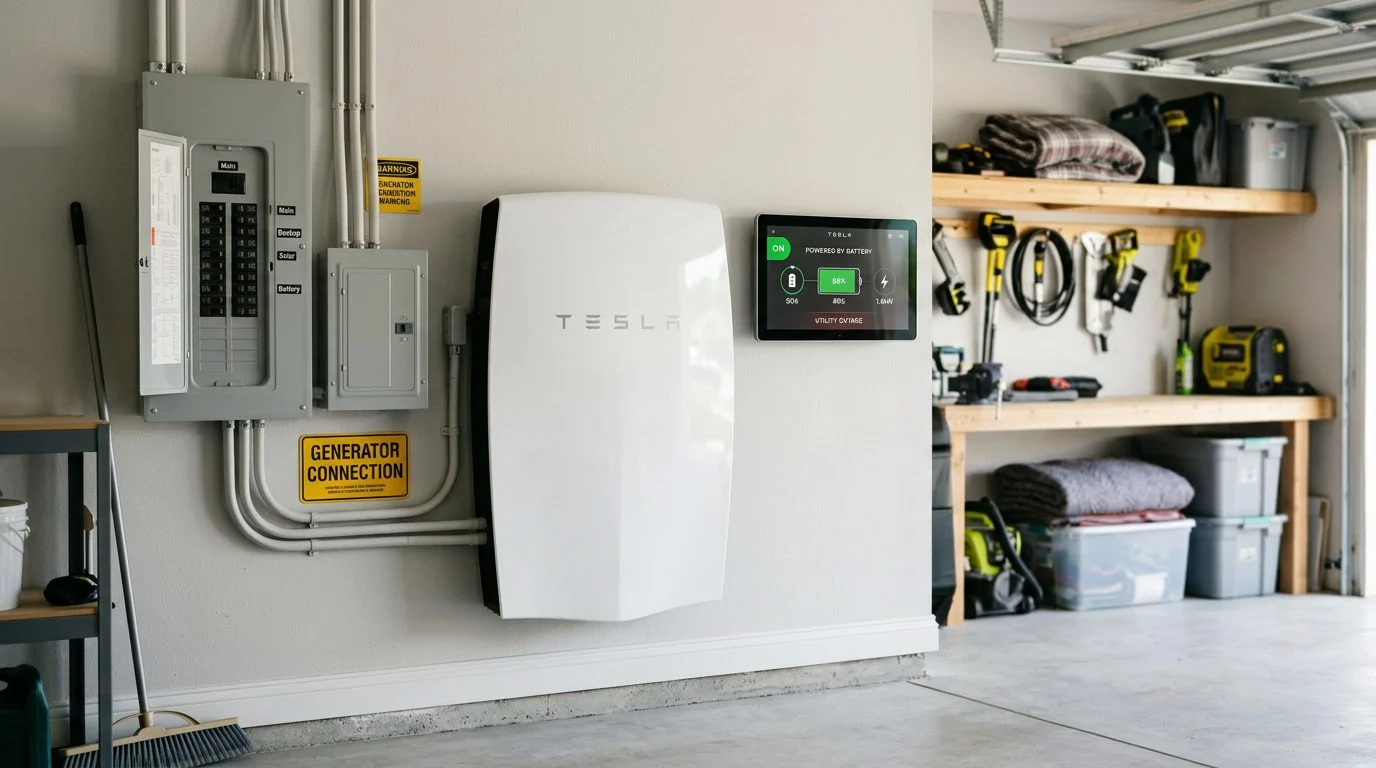
Adding battery backup means placing a battery between your solar panels and your home’s power. Your panels keep producing during the day, and the battery stores energy you don’t use right away. When the grid goes down, the battery can keep key circuits running.
This service fits three kinds of homeowners:
- Homeowners who already have solar and want power during an outage.
- Homeowners who have lost power for long stretches and want more control over their home’s electricity.
- Homeowners planning for storm season in South Florida.
It is not the same as a standalone generator. A generator runs on fuel you supply. A battery stores energy your panels already made. A new solar-plus-battery build installs panels and storage together. This page covers adding storage to an array that is already in place.
The review comes first. Your current equipment decides whether a battery is a fit, so nobody should assume the answer before someone looks at the system.
If your panels already make power but your lights go out when the grid fails, ask our team for a free estimate on battery backup before storm season. Talk it through with our team — the first consultation is free, confidential, and carries no obligation.
How Solar Batteries Work with Your Existing Panels
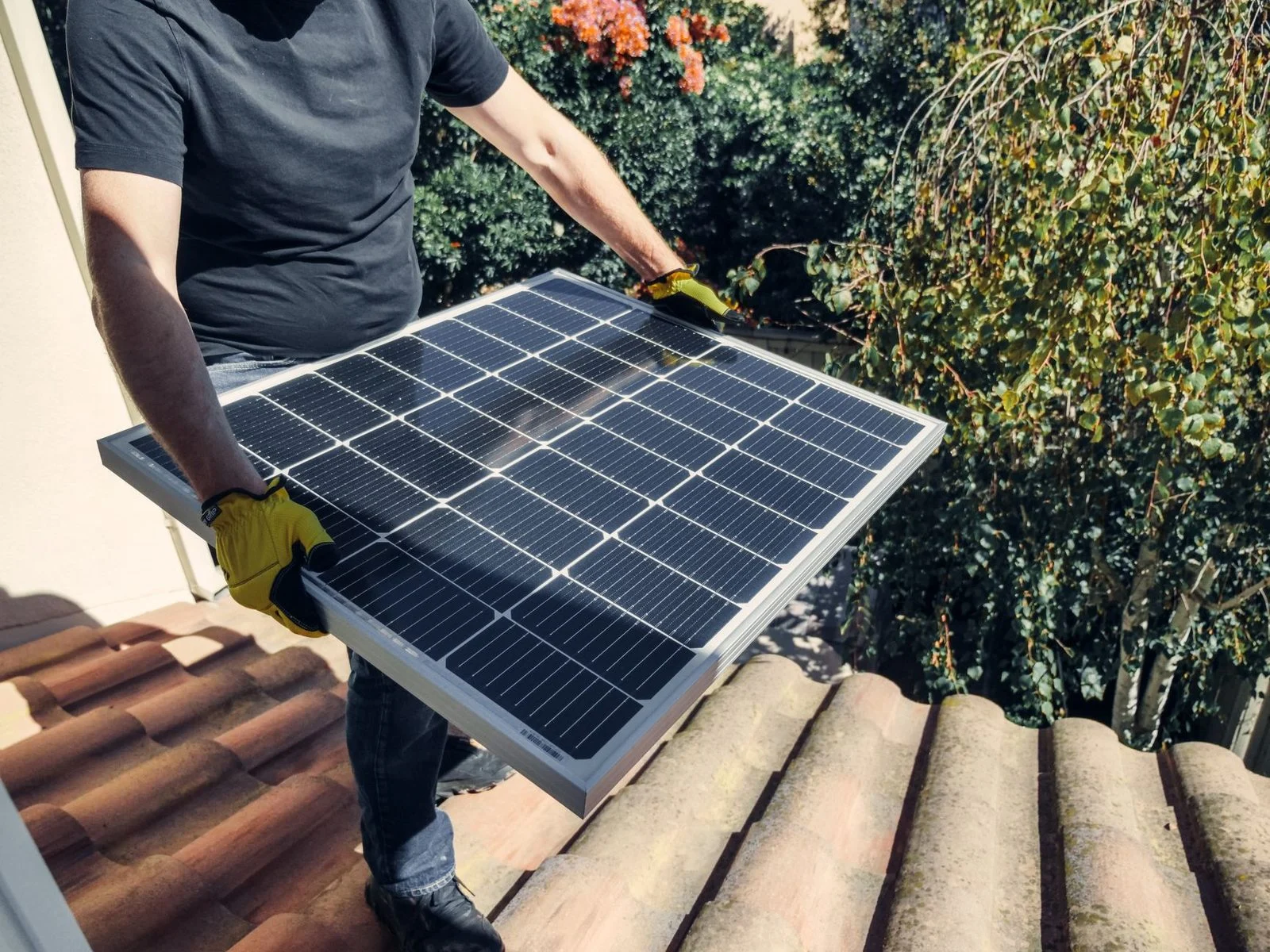
Solar panels make direct current (DC) power. The inverter converts that power for your home, and a battery stores extra energy for later use. The loop has four steps:
- Panels produce power when sunlight hits them.
- The inverter sends that power to your home first.
- Extra energy charges the battery.
- When the panels make less than you use, or the grid is down, the battery powers your loads.
Grid-tied and backup operation work differently. Grid-tied means the system runs alongside the utility grid. Backup means your home can run on stored energy during an outage. Florida’s Florida interconnection rule says customer generation must include a utility-interactive inverter, or another certified device, that automatically isolates the system from the grid when the grid loses power. That automatic separation is a required safety feature.
Compatibility matters. The battery, inverter, and panels must work together as one system. Some existing inverters need to be checked before a battery can be added. Battery types also differ. UL Solutions on battery technologies notes that energy density, lifespan, and safety characteristics vary among battery technologies used in energy storage.
What the Battery Backup Installation Covers
Installation covers a system review, the battery and mounting, electrical connections, load setup, permits and utility paperwork, and a walkthrough. Each part appears in your written estimate.
- Existing system review: your panels, inverter model, electrical service, and open space for the battery.
- Battery and mounting: placement, required clearances, and secure mounting.
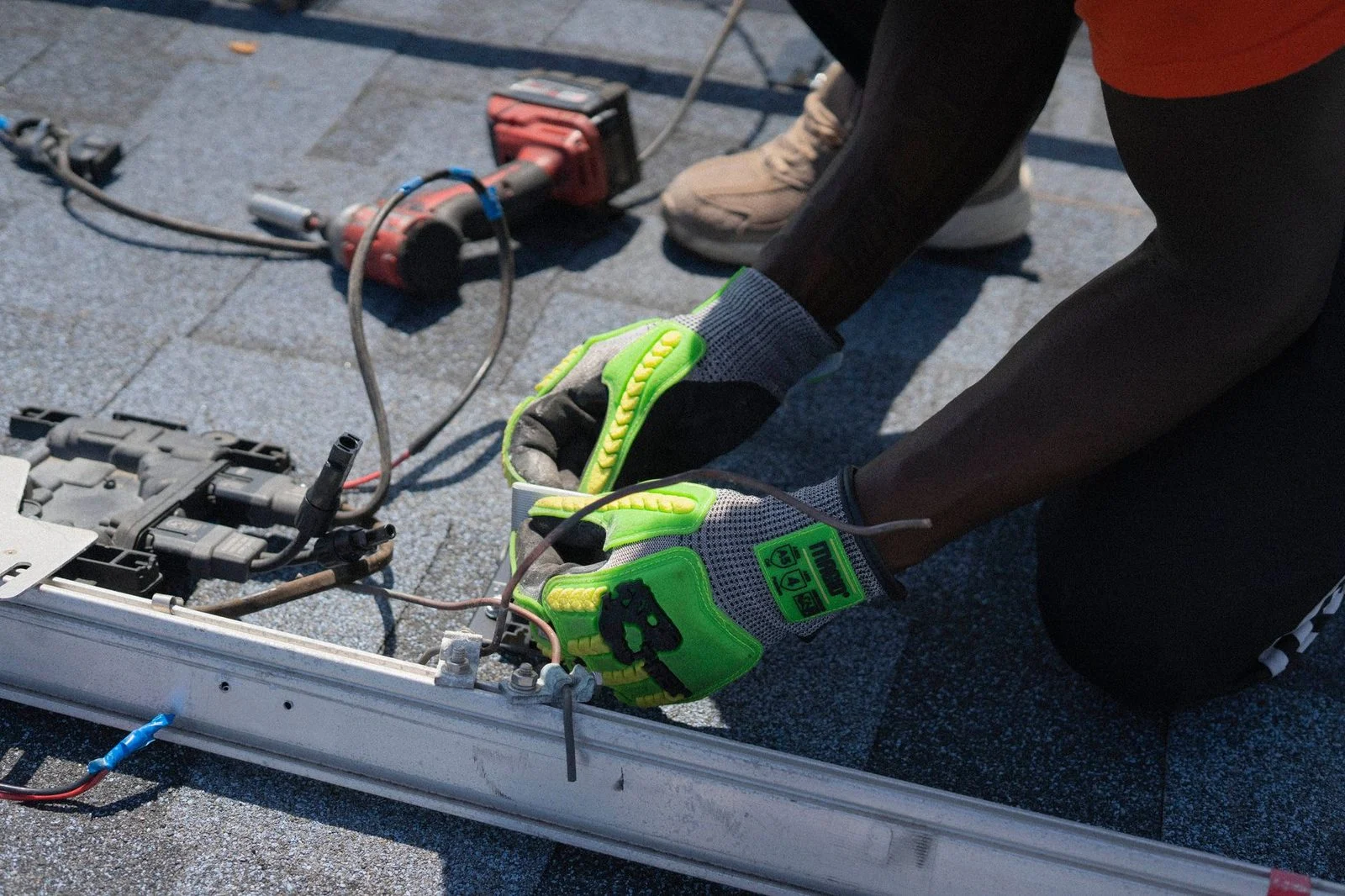
- Electrical connections: wiring to the inverter and your main electrical panel, including any backup circuit changes.
- Load selection: choosing which circuits stay on during an outage.
- Permits and utility paperwork: handled as part of the project.
- Setup and walkthrough: how to run the system during an outage.
Permits matter. Florida law says a person may not perform work that requires a building permit unless that permit is in effect, under Fla. Stat. § 489.531. Plan review also applies.
Utility rules add steps. The customer must notify the investor-owned utility at least 10 days before the equipment goes into service. Your utility’s standard agreement may also require a manual disconnect switch at your expense. Inverter-based Tier 1 systems are exempt from that requirement unless the utility installs the switch at its own expense.
Sizing the Battery, Choosing Critical Loads, and Preparing for Storms
Battery size comes from how much energy you need during an outage and how long you need it. Your loads set those numbers, not a brand name.
Four factors decide fit:
- Usable battery capacity: the energy you can actually draw from the battery.
- Inverter power rating: how much power can run at one time.
- Critical loads: the appliances and devices you want on backup.
- Outage goal: how long you want power to last.
To list critical loads, start with what you can’t go without. Common priorities include a refrigerator, lights, internet equipment, and medical devices where applicable. Add up their daily energy use. The sizing review turns that list into a battery recommendation.
Your panels help stretch the battery. They recharge storage during daylight. Backup duration depends on how much you run and how much sun the panels collect.
Storm season is a common reason homeowners plan backup power. A battery gives you stored energy that does not rely on a fuel delivery. The IRS Residential Clean Energy Credit was terminated for expenditures made after December 31, 2025. Cost depends on the facts of your system: the inverter, electrical panel, battery size, and permit work. Your written estimate states the number.
Step-by-Step: What to Expect and How Long It Takes
The process moves from a consultation to a written estimate, permits, installation, and activation. Permits and utility review set most of the timeline.
- Free, confidential initial consultation. This is a free, confidential initial consultation, with no obligation to continue.
- On-site review. Our team checks your panels, inverter, and electrical service.
- Battery sizing and load plan. We build the plan around your priorities and critical loads.
- Written estimate. You receive the scope, equipment, and cost in writing.
- Permits and utility approval. Timing depends on your local jurisdiction and the utility’s review.
- Installation and inspection. The battery, wiring, and connections are installed and inspected.
- Activation and walkthrough. The system is tested, and you learn how to run it during an outage.
The schedule is confirmed once the project is scoped. The utility’s 10-day advance notice and the permit process both affect the start date, so the timeline is set with the plan.
Why Homeowners Choose ASP Superhome for Solar Battery Backup
ASP Superhome handles solar panels, solar battery backup, roofing, impact windows, impact doors, and kitchen remodeling under one plan. Your power system and your home’s storm protection can be planned together.
- One plan for the whole home. Storm planning often covers more than power. Impact windows and impact doors protect the openings, and roof work can be scheduled alongside solar work.
- Service across seven markets. We serve Miami, Fort Lauderdale, West Palm Beach, Kendall, Naples, Fort Myers, and Boca Raton.
- Permit and utility steps explained up front. You learn what the project requires before you sign anything.
- Our team, from consultation to installation. Our team handles the consultation, the estimate, and installation coordination.
Not sure what your next step is?
Talk it through with our team — the first consultation is free, confidential, and carries no obligation.
Frequently Asked Questions About Adding Battery Backup to Solar
Can I add battery to an existing solar system in Florida?
In many cases, yes. Your inverter, electrical service, and layout decide it, and the on-site review confirms them.
Will my solar panels work during a grid outage without a battery?
Florida’s rule requires your system to isolate itself from the grid when the grid loses power. Backup equipment is what keeps selected circuits running in your home.
How long will a battery power my home?
It depends on usable capacity and the loads you run. The sizing review estimates the duration for your home.
Do I need a permit to add battery backup in Florida?
Work that requires a building permit cannot begin until that permit is in effect under Florida law.
Residential Clean Energy Credit status:
The Residential Clean Energy Credit was terminated for expenditures made after December 31, 2025, so it no longer applies to solar battery purchases made after that date. For guidance on your own tax situation, consult a tax professional.
What is a manual disconnect switch?
It is a visible switch that separates your customer-owned generation from the utility’s system or grid. Your utility’s agreement may require one at your expense.
If your panels are already on your roof and your lights still go out when the grid fails, request your free estimate and ask about battery backup before storm season.
Why Start With a Consultation
Review of your current system
We look at your existing solar setup before recommending any changes, so you know what works with your home.
Confidential conversation
Your questions and home details stay private as we talk through your options.
Clear next steps
You receive a straightforward outline of what adding a battery would involve, including the points the on-site review needs to confirm.
No obligation to continue
Your first consultation is free, and you decide whether to move forward.
Check Compatibility Before You Buy
Not every existing solar system is set up for battery storage. Your inverter, electrical service, and panel layout all affect what is possible, so confirm these details with an on-site review before committing to equipment.
What Our On-Site Review Covers
Inverter compatibility
We check whether your current inverter can work with battery backup or whether an upgrade is needed.
Electrical service
We review your home's electrical service to see how a battery system would connect.
Panel layout
We assess how your solar panels are arranged and wired to plan the battery connection.
Battery placement
We identify a suitable location for the battery and related equipment at your property.


