


Solar Battery Backup | South Florida
Are Solar Batteries Safe for Your South Florida Home?
A plain-language guide to battery safety, installation location, and what to ask before you decide.
Start With a Conversation
Free
First consultation
Confidential
Your information stays private
No obligation
Continue only if it makes sense for you
By Jonathan Rodriguez · Published October 24, 2026
Are Solar Batteries Safe? The Short Answer
Generally, yes, when the battery is certified, correctly installed, and placed in a suitable spot. Are solar batteries safe for every home? Not automatically. Lithium batteries carry real fire risk when they are damaged, defective, overheated, or wired wrong. That is why the answer hinges on three things you can check: the product’s certification, the installation, and the location. This guide covers each one in plain terms. It also explains the Florida rules that shape how a battery is approved and installed. Last, it covers the heat, flood, and storm issues that matter most in South Florida.
Not sure what your next step is?
Talk it through with our team — the first consultation is free, confidential, and carries no obligation.
How Lithium Battery Fires Actually Start
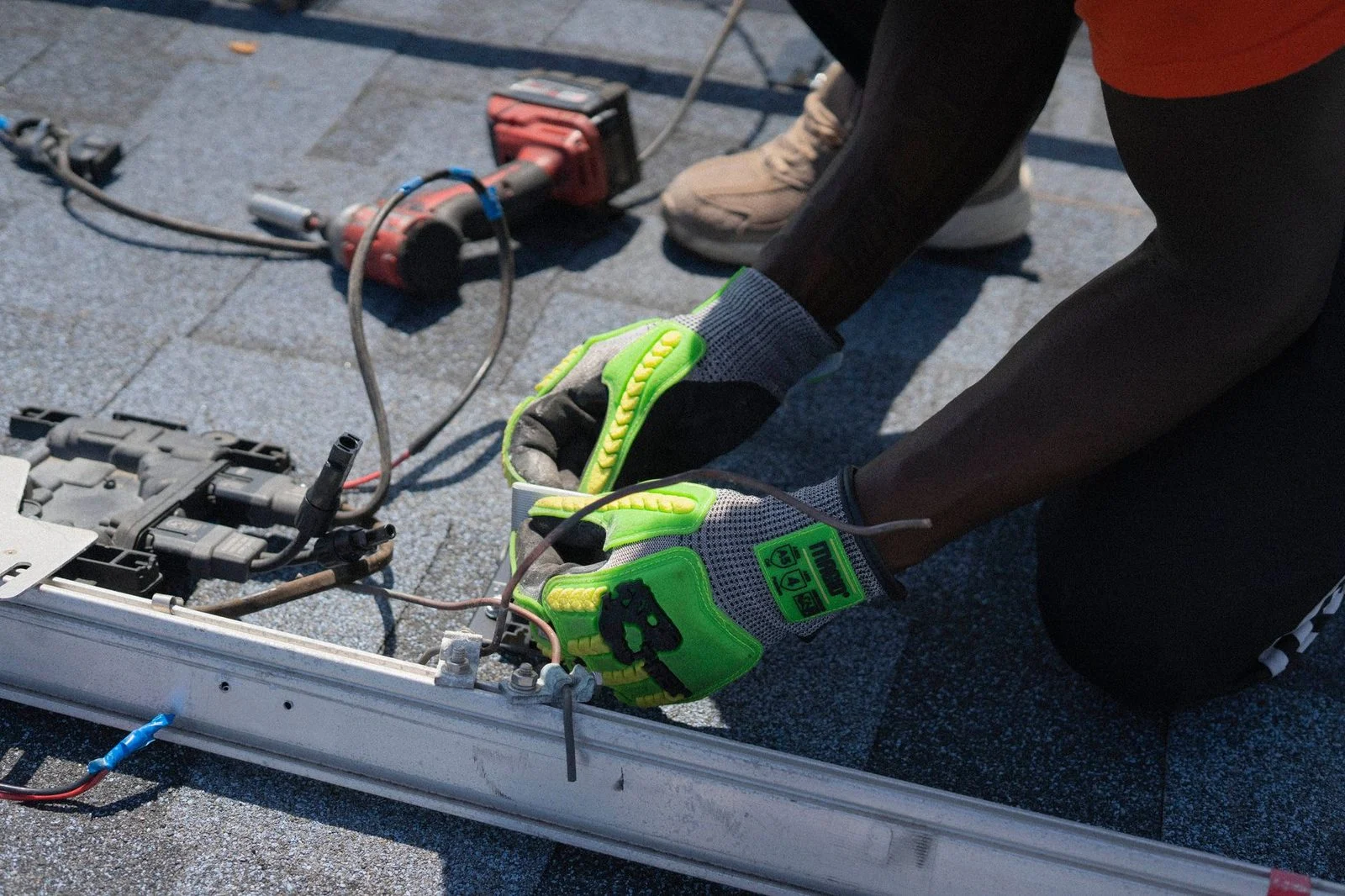
A lithium battery fire usually begins with thermal runaway. One cell overheats, and that heat can set off the cells beside it, so the problem spreads in a chain. Common triggers include manufacturing defects, physical damage, overcharging or poor heat control, and loose or faulty wiring. You can’t see inside a cell, so product quality and installer skill matter a great deal. For background on how lithium-ion battery incidents are reported, see UL Solutions. The same source notes that the available safety data has limits. Because of those limits, treat any single odds figure with caution. The risk is not zero. Many people picture a battery explosion, but the main danger to plan for is fire, smoke, and heat. Good enclosure design and ventilation aim to contain those events.
Certifications That Signal a Safer Battery
Look for documented certification for the exact battery model being installed, not just the brand name. One brand can sell many models with different designs. Florida law sets a baseline for solar equipment. Under Fla. Stat. § 377.705, solar energy systems manufactured or sold in Florida, meaning equipment that collects and uses solar energy, must meet standards set by the Florida Solar Energy Center. Where solar is used only in a supplemental way, the definition covers only the components that collect and transfer solar energy. They must also display accepted results of approved performance tests. The exception applies when a Florida-licensed engineer certifies the system using the Florida Building Code. For photovoltaic systems, Fla. Admin. Code R. 6C7-8.010 describes a System Approval Certificate under the PV System Certification Program. That certificate identifies the primary and alternate major components and includes a diagram of the system. Ask for that paperwork before you sign. Certification helps you verify what you’re buying. It doesn’t replace a correct installation.
Florida Code and Permitting for Home Solar Batteries
Florida’s building code covers construction work on buildings, including how that work is enforced. Under Fla. Stat. § 553.73, the Florida Building Code is adopted by rule and governs the design, construction, alteration, modification, repair, and demolition of buildings and structures. Battery work on a home is a construction matter, so ask how it gets reviewed. Ask your installer whether your battery system falls under that process. The usual path runs from design review to permit, installation, inspection, and final sign-off. Local rules and code editions can differ from one jurisdiction to another, so confirm the specifics with your installer and the local building office.
Where a Home Battery Should and Should Not Go
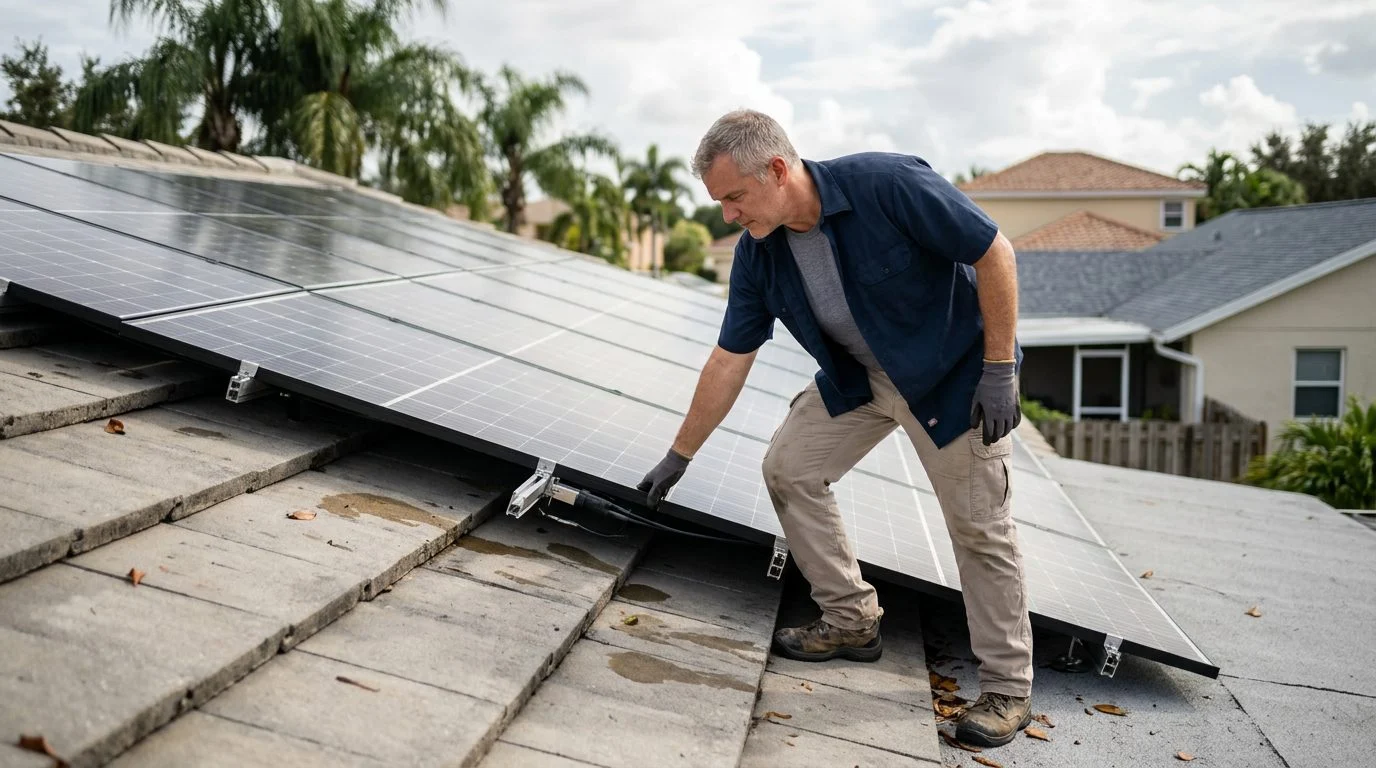
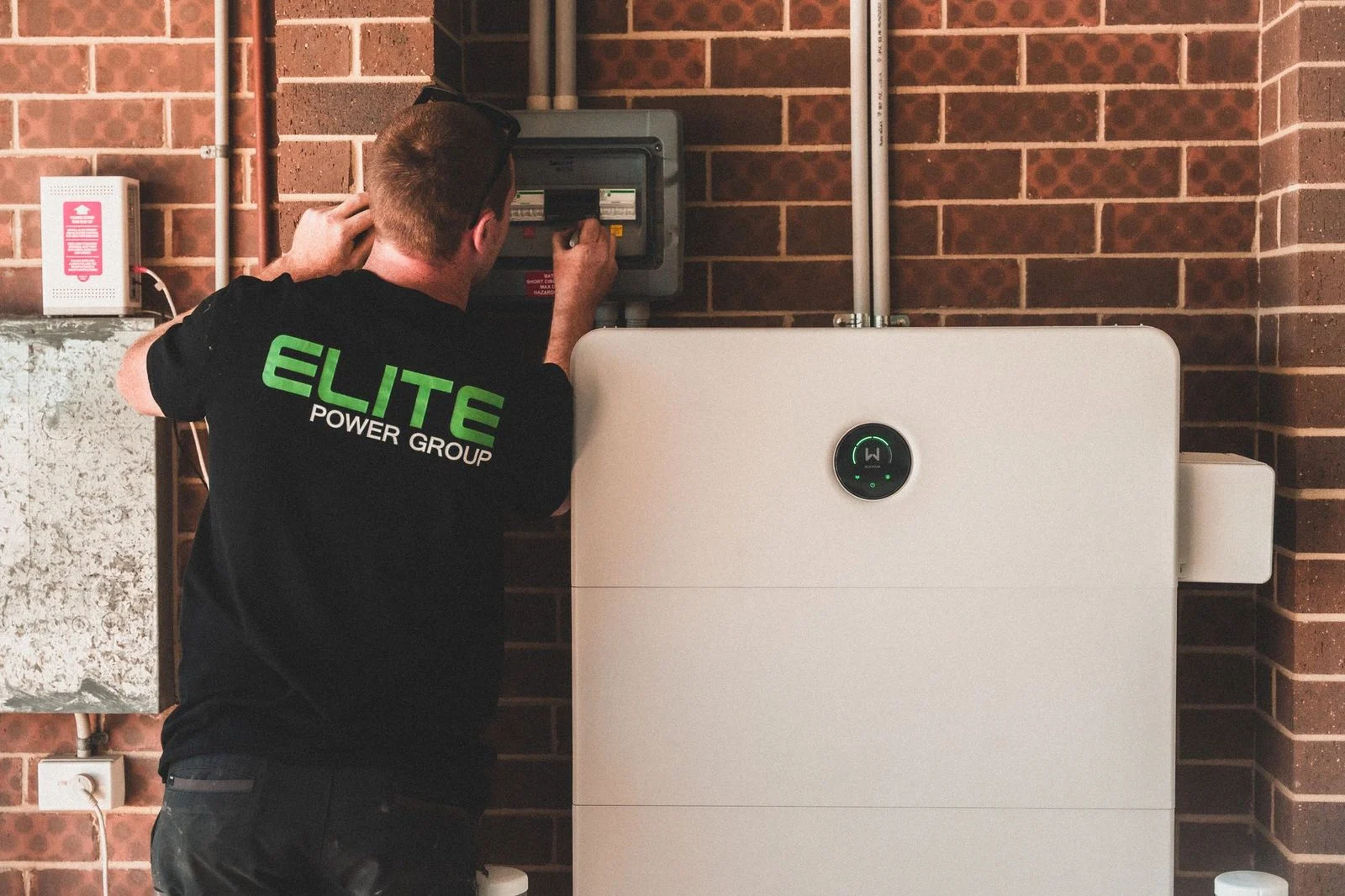
A home battery belongs in a spot that stays cool, dry, ventilated, and easy to reach. Garages, exterior walls with weather cover, and utility areas are common choices. Keep batteries out of bedrooms and sleeping areas, and clear of main exits. Leave working space around the unit so technicians can service it and emergency crews can reach it. Keep combustibles such as paint, fuel, cleaning supplies, and cardboard well away from the unit. An enclosure should never trap heat, because heat stresses a battery and can shorten its life. Roof-mounted solar brings extra questions. A battery placed in or under a roof array raises concerns about heat, access, and airflow. Ask the installer to show, in writing, how the layout handles each one. A drawing with labeled clearances is a fair thing to request.
South Florida Risks: Heat, Flooding, and Hurricanes
South Florida’s heat and humidity make battery placement matter more than it does in cooler climates. A sun-baked exterior wall or an unvented garage can push a battery into a hot range, so shade and airflow count. Flooding is another concern, especially in low-lying areas. Mount equipment above expected flood levels and protect it from water intrusion. Storms bring strong wind, so the unit and its connections need secure mounting. The roof matters too. Roof coverings play a key role in how a home handles strong winds. It also notes that Florida has adopted a strong building code. A battery array is only as sound as the roof it sits on, so plan the roof and the equipment together.
Not sure what your next step is?
Talk it through with our team — the first consultation is free, confidential, and carries no obligation.
Keeping Children and Pets Safe Around a Battery
Keep the battery out of play areas and limit access, especially in homes with young children. A locked garage cabinet or a fenced utility area works better than an open corner. Keep pets away from the unit, its cables, and its mounting hardware. Chewing or scratching can damage wiring and create a hazard. Teach everyone in the household what a warning sign looks like and who to call first. Post the emergency number near the unit so no one has to search for it during a scare.
Warning Signs and Ongoing Maintenance
Act quickly if a battery feels unusually hot, swells, or warps. Burnt or chemical smells, unexpected alarms, and visible damage also call for immediate action. If you see smoke or fire, call emergency services first and move people away from the unit. After that, contact the installer or the manufacturer’s service channel. For routine care, check the monitoring app or display for error codes, keep the area clear, and schedule inspections with your installer. Keep the permit, inspection reports, listing paperwork, and service records together in one place. The U.S. Department of Energy runs a Solar Energy Technologies Office. Good records make every later question easier to answer.
Talking With Your Family About a Battery Decision
Many people research a home battery for a parent, a relative, or a landlord. Others start after a neighbor’s story or a quote they didn’t expect. The decision may not be yours alone, so bring the people involved into the conversation. Bring a short list of questions. Ask for listing paperwork for the exact model. Ask for the permit and inspection plan for the address. Ask where the battery will sit and how its clearances are set. Ask how the design handles South Florida heat and storms. Clear answers to these four questions show how carefully the job is being planned.
Are solar batteries safe in a garage?
A garage can work when the unit has clearance, ventilation, and protection from heat and combustibles. Ask your installer how they reviewed the spot.
Do solar batteries need a permit in Florida?
Our team can confirm which permits and inspections apply at your address during a free, confidential initial consultation with no obligation to continue.
What should I ask an installer about battery safety?
Ask for listing paperwork for the exact model, the permit plan, the location layout, and the storm-securing plan.
If you’re weighing a battery for your own home or a relative’s, contact ASP Superhome for a free first consultation. It’s confidential and carries no obligation to continue.
What Shapes Battery Safety at Home
Placement
Where the unit sits matters, including clearance from walls, access for service, and distance from living spaces.
Ventilation and Heat
South Florida heat and humidity affect how a battery operates. Proper airflow and temperature protection are key considerations.
Ongoing Maintenance
Periodic inspection and monitoring help catch wear or irregularities early.
Ask Before You Install
Do not assume any spot in the home is suitable. Ask how the installer reviewed ventilation, clearance, heat exposure, and nearby combustibles before work begins.
Common Questions Homeowners Ask
Can a battery go in the garage?
A garage can work when the unit has adequate clearance, ventilation, and protection from heat and combustible materials. Your installer should review the specific spot.
Do I need a permit?
Permit and inspection requirements vary by address. Our team can confirm what applies to your property during a free, confidential initial consultation with no obligation.
How does South Florida weather affect batteries?
High heat and humidity are important factors in placement and system design. Planning for them is part of a sound installation.
Should I pair batteries with solar panels?
Many homeowners consider battery backup alongside solar panels. We can walk through how the two systems would work together for your home.


