


Solar Panels & Battery Backup | South Florida
Is Solar Still Worth It in 2026?
Incentives change, but your savings depend on your home, your roof, and whether you add battery backup. Here is how to weigh the decision for a South Florida home.
By Jonathan Rodriguez · Published October 31, 2026
Short Answer: Is Solar Still Worth It in 2026?
For many South Florida homes, solar can still make sense in 2026. The answer depends on your electric bill, your roof, and whether you add a battery. The federal picture has changed.
That means a 2026 project is judged without that credit, unless federal law changes. This page covers costs, incentives, payback, battery backup, and the cases where solar is a weaker fit. For the full overview, read our solar and battery backup guide.
If a rising power bill or storm season has you weighing solar or a battery for your home, request a free estimate and we'll review your numbers with you. Talk it through with our team — the first consultation is free, confidential, and carries no obligation.
Solar Energy Costs in 2026 and Whether Panel Prices Are Falling
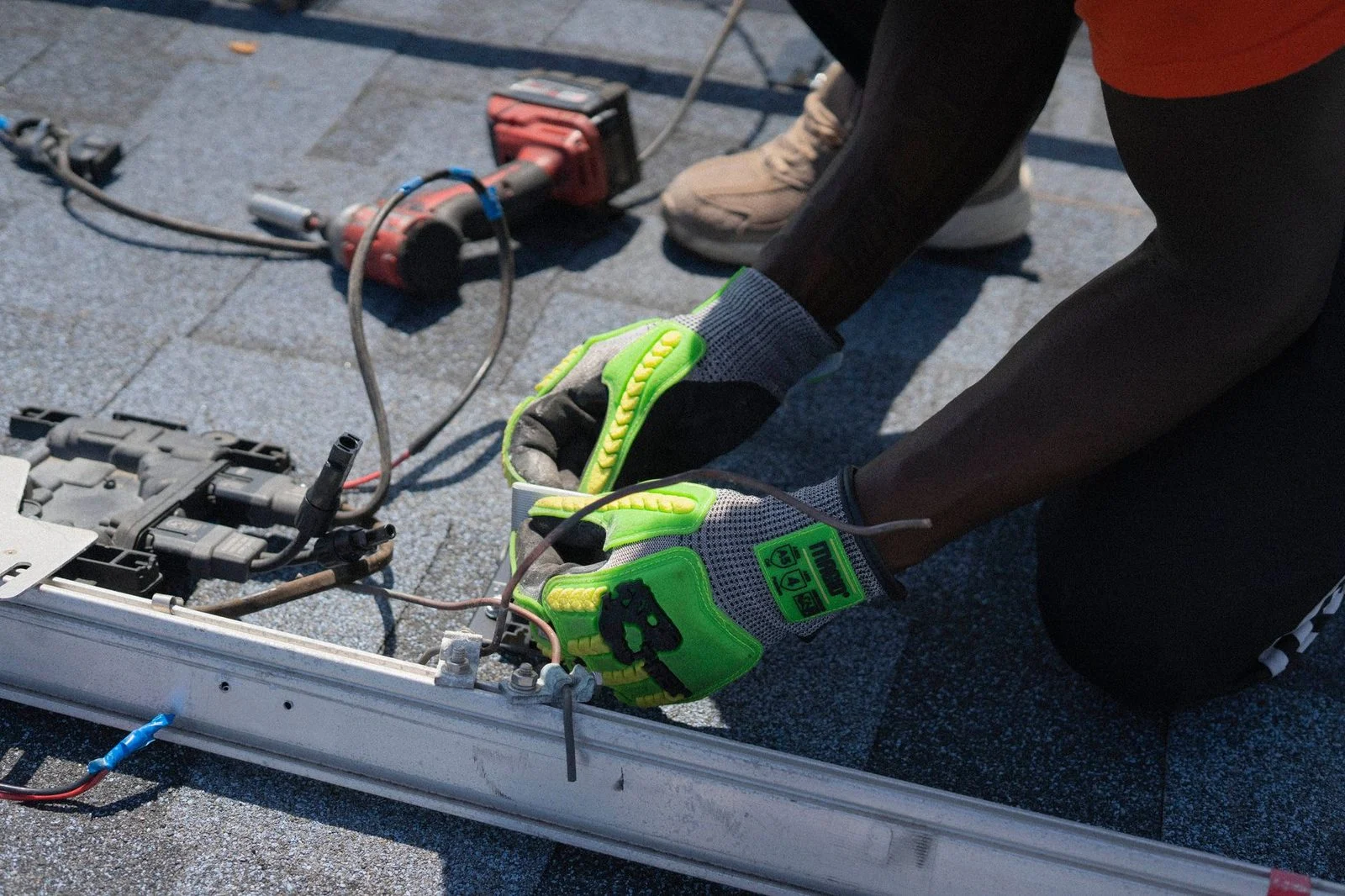
A solar quote covers more than panels. It usually includes equipment, labor, permits, and the work that connects the system to your home and the grid. For the federal credit, labor for onsite installation and the wiring that connects the system to the home counts as part of the cost (IRC § 25D).
Panel and battery prices have moved over the past several years. Forecasts disagree about where they go next. Don’t build your plan on a price prediction. Use a current quote for your specific home instead.
Quotes vary for clear reasons. System size matters. Roof type and roof condition matter. Whether storage is included matters too. The U.S. Department of Energy says rooftop solar suitability depends on climate, roof age, tree cover, system size, roof shape, and slope, and this applies to tile roofs as well (DOE homeowners guide to solar). A roof assessment is part of a sound quote.
How Federal Incentives Change the 2026 Math
Federal help for home solar is smaller in 2026 than in earlier years. The main residential credit covered qualifying solar electric and battery storage spending in a home you use as your residence (IRC § 25D). Federal tax rules for home energy improvements can change over time, so our team can review how current rules may apply to your project during your free, confidential initial consultation, which carries no obligation to continue.
Without the credit, the math leans more on your bill savings and less on a tax break. That’s the honest comparison to make. If you did claim a credit, the increase in your home’s cost basis from that expenditure is reduced by the credit amount (IRC § 25D).
Don’t confuse the credit with a grant. The U.S. Department of Energy says its Solar Energy Technologies Office does not directly fund people or companies to install solar systems. Before 2026, batteries counted under the credit too.
Rising Electricity Costs and Solar Payback in South Florida
Payback is the number of years it takes savings to cover what you paid. Use this simple formula: system cost minus incentives, divided by yearly bill savings. For example, a $20,000 system with no incentives that saves $1,600 a year pays back in 12.5 years.
Rising bills raise your yearly savings and shorten payback. If rates stay flat, payback stays longer. Your own bills are the best test of which case fits your home.
Before customer-owned solar generation operates in parallel with the investor-owned utility, local code officials must inspect and approve it to ensure compliance with applicable local codes (Fla. Admin. Code R. 25-6.065). Your utility’s net metering terms decide how the power you send back is credited.
Solar Batteries and Backup Power During Storms and Outages
Solar panels make power only when the sun is shining. A battery stores extra power so you can use it later. Without storage, a panels-only system can’t hold power for the evening or for an outage.
What a battery adds is stored energy for essential circuits during an outage and for use after sunset. How long it lasts depends on battery size and what your home draws. A battery that runs a refrigerator and some lights is different from one that runs central air all day.
South Florida homes face storm outages, so backup planning is a practical reason many households add storage. Storm protection and backup solve different problems. Impact windows and impact doors protect openings during a storm. A battery keeps selected circuits running when the grid is down. Many homeowners weigh both together.
How Much Solar Can Run Your Home: System Size and AC Load
A system’s size in kilowatts doesn’t tell you, by itself, whether it can run two air conditioners. In a hot climate, air conditioning often draws more power than anything else in the home. That makes AC the main driver of sizing.
Whether a given system can run two units depends on three things. Look at the units’ tonnage, how long they run each day, and whether a battery is included. A panels-only home has no stored power at night or during an outage. Our solar and battery backup guide explains how these pieces fit together.
Roofing affects cooling too. The U.S. EPA says reflective, light- or cool-colored metal roofing can reduce heat transfer into a building and cut air-conditioning energy use, including in warm climates (EPA on cool roofs). Less AC load can make sizing easier.
Ask these questions before you accept any estimate. What is the AC tonnage? How many hours do the units run on a typical hot day? Is the battery sized for essential circuits or the whole house? How old is the roof, and what shape and slope does it have?
Not sure what your next step is?
Talk it through with our team — the first consultation is free, confidential, and carries no obligation.
The Downsides of Solar Panels and When Solar Is a Weaker Fit
Solar is a weaker fit when the roof needs work first, the roof gets heavy shade, or you plan to move soon. Each of these changes the cost, the timing, or the payoff.
Upfront cost is real. Savings take years to recover the investment. Roof condition is the factor that most often changes the plan. That means roof work and solar should be sequenced together.
Shading, roof orientation, HOA rules, and permitting steps can reduce output or add time. A home sold within a short period may not return the full cost of the system at sale.
These are concrete factors to weigh. They are not reasons to skip the analysis. A clear look at each one makes the decision easier.
Talk Through Your Home’s Numbers With Our Team
You may be reading this for yourself. You may be reading it for a parent or spouse while a bill, a roof, or storm season is pushing the decision. That’s a common position to be in.
Gather your last twelve months of electric bills, your roof’s age, and any notes about past outages. Those three items let a conversation focus on your home instead of a generic estimate. Our initial consultation is free, confidential, and carries no obligation to continue.
Quick Answers
Is solar still worth it in 2026 without the federal credit?
For many homes it can still make sense, based on bill savings, roof condition, and whether storage is included.
Can solar panels run my AC during an outage?
Panels alone can’t store power for an outage, so a battery is needed to hold power for later use.
How do I estimate payback?
Subtract incentives from the system cost, then divide by your yearly bill savings.
If a rising power bill or storm season has you weighing solar or a battery for your home, request a free estimate and we’ll review your numbers with you.
What Shapes the Answer for Your Home
Your Electric Bills
Your current usage, rate structure, and how much of your daytime power you use are the starting point for estimating savings.
Roof Condition
A solar system is typically installed for decades, so the age and condition of your roof matter. Addressing roof work first can simplify the project.
Battery Storage
Panels alone do not store power for later use. If backup during outages matters to you, battery storage changes the math.
Current Incentives
Federal and local incentives for solar have been changing. Ask us how today's rules apply to your situation before you decide.
Important: Panels Alone Won't Keep the Lights On
During a power outage, solar panels without a battery cannot store energy for your home to use later. If you want power during an outage, plan for solar battery backup alongside your panels.
Questions to Ask Before You Decide
How much do I use after sunset?
Evening and overnight usage determines how much battery capacity you may need to get the most from your system.
Is my roof ready?
Consider whether your roof needs repair or replacement before installing panels. Metal and tile roofing each have different considerations.
What do I want during a storm?
If you want to keep essentials running during an outage, battery backup should be part of the conversation from the start.
How will the system fit my home?
Roof orientation, shade, and layout all affect performance, so each design should be based on your property.


