


Solar & Home Insurance | South Florida
Going Solar? Know How It Could Affect Your Home Insurance
A practical guide for South Florida homeowners to the questions insurers ask about solar panels and battery backup, and what to review before you install.
By Jonathan Rodriguez · Published November 8, 2026
How does solar affect home insurance? Solar panels and batteries usually affect the dwelling part of a homeowners policy. That can change your coverage, your premium, and the records you should keep.
How solar usually connects to a homeowners policy
Solar panels are often treated as part of the house, not just as equipment. Panels are mounted to the roof and wired into the home, so they often count toward the cost to rebuild the dwelling.
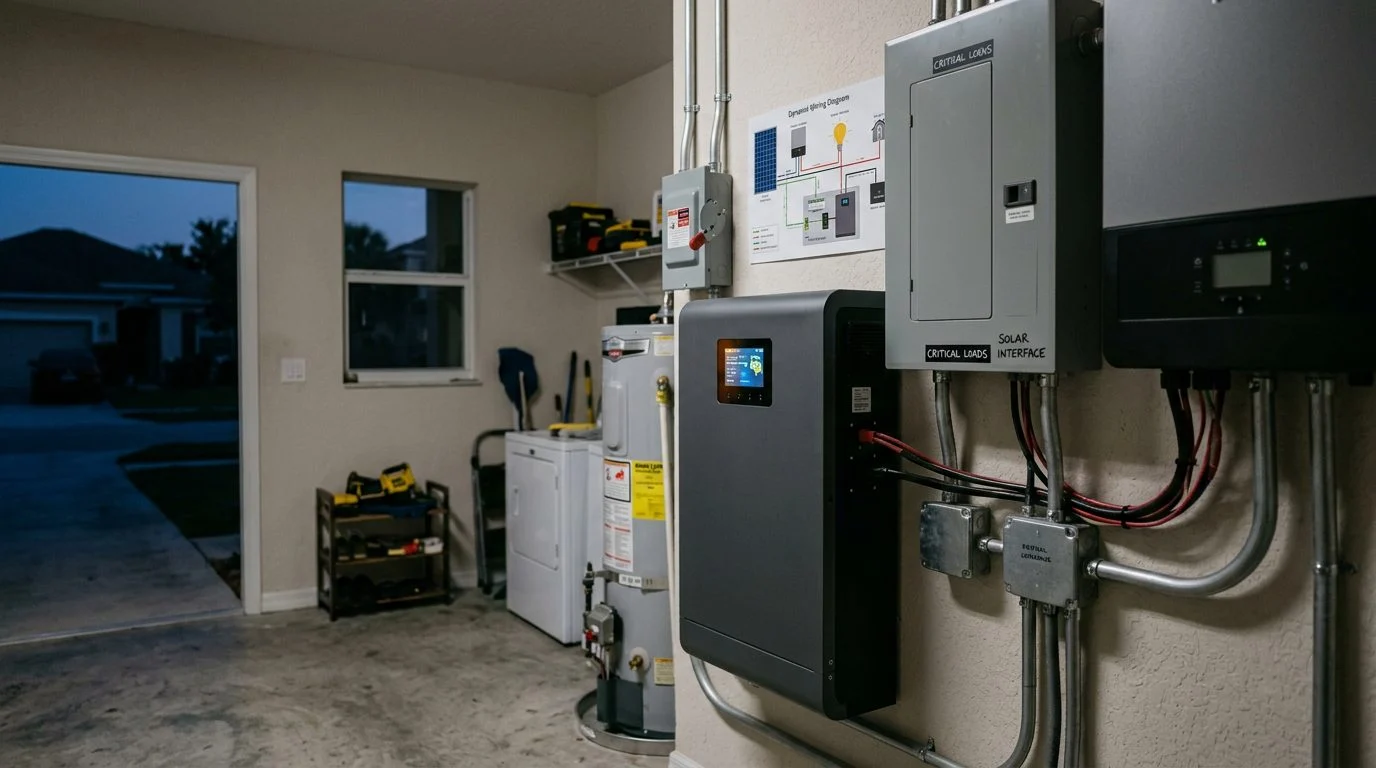
This guide covers four questions: what your policy covers, what can change your premium, how owned and leased systems differ, and which records help. For an overview of panel and battery options, read our solar battery backup guide for South Florida.
If you're weighing panels or a battery before a renewal, our team is glad to talk through your roof, your system, and your policy questions with you. Talk it through with our team — the first consultation is free, confidential, and carries no obligation.
Does your homeowners policy cover solar panels and batteries?
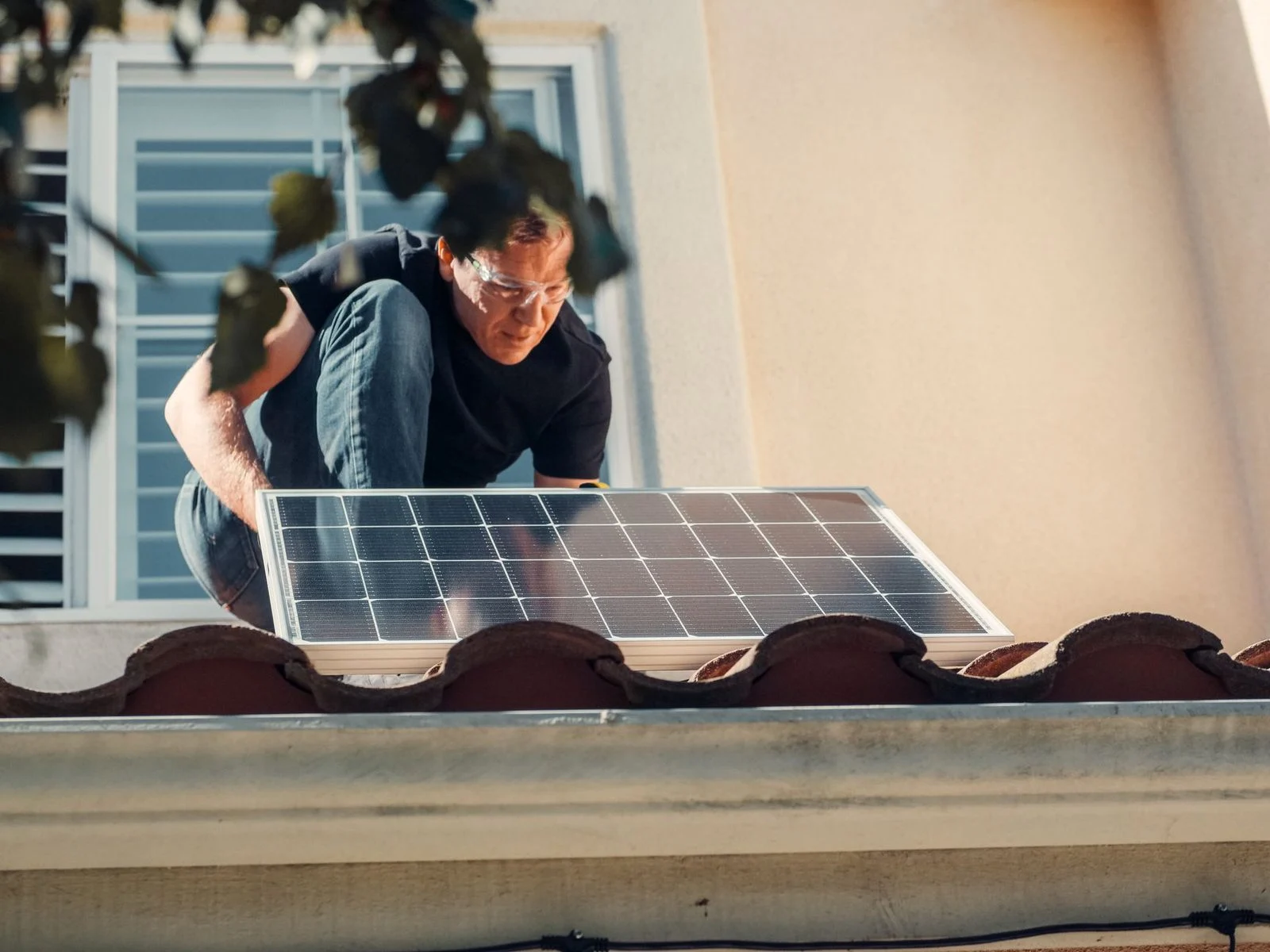
Often yes, but your own policy wording decides the details. Panels attached to the dwelling usually fall under dwelling coverage.
Florida law requires insurers to offer replacement cost coverage for the dwelling. Under Fla. Stat. § 627.7011, before issuing a homeowner’s insurance policy the insurer must offer a replacement-cost policy or endorsement that does not cover the costs necessary to meet applicable laws and ordinances regulating the construction, use, or repair of any property or requiring the tearing down of any property, including the costs of removing debris, as well as a replacement-cost policy or endorsement that does cover those costs, though for that second form the additional law-and-ordinance costs may be limited to 25 percent or 50 percent of the dwelling limit, as selected by the policyholder, and the coverage applies only to repairs of the damaged portion of the structure unless the total damage to the structure exceeds 50 percent of the replacement cost of the structure; the insurer is not required to make these offers when issuing or renewing a homeowner’s policy that already contains law and ordinance coverage limited to 25 percent of the dwelling limit, except that it must still offer the coverage limited to 50 percent of the dwelling limit. Unless you refuse it in writing or select alternative coverage, a dwelling policy also includes law and ordinance coverage limited to 25 percent of the dwelling limit. Read that limit closely.
Battery storage is separate equipment. Discuss it in the same policy review as the panels. Coverage limits, deductibles, and exclusions come from each policy’s wording. If you added a system after your policy began, tell your insurer so the dwelling value reflects the home as it now stands.
Does your homeowners insurance go up if you get solar panels?
It can, but no single percentage applies to every home. Each insurer prices risk using its own rules, and those rules vary by location and policy.
Three factors drive most changes. A higher estimated rebuild cost can raise the dwelling figure. Roof age, roof type, and roof condition are common underwriting questions. Each insurer also follows its own rating rules.
Florida rate filings must include discounts for some windstorm-reducing features, including roof strength and window, door, and skylight strength (Fla. Stat. § 627.0629). Your insurer may weigh those features too.
Timing matters. Florida law requires at least 45 days’ advance written notice of the renewal premium for residential property policies (Fla. Stat. § 627.4133). That notice gives you time to ask questions before the new premium starts.
Owned vs. leased solar: who is responsible for what
With an owned system, the homeowner usually carries the responsibilities tied to the equipment. With a lease or power purchase agreement, the contract sets out who maintains and insures the panels.
Read that agreement before you assume coverage. Ask who pays for repairs, who files a claim for panel damage, and who handles removal during roof work. Those answers come from your contract wording, not from general rules.
Ownership also matters when a home changes hands. Buyers and lenders may ask whether the panels are owned or leased. Keep the agreement and records together so you can answer quickly.
What documents help when you talk with your insurer?
Keep the installation contract, equipment specifications, permit and inspection records, and the total installed cost. These papers show what was installed and what it cost.
Insurers also ask about the roof. The Homeowner’s Guide to Solar from the U.S. Department of Energy says rooftop suitability depends on factors such as roof age, size, shape, and slope. That includes homes with tile roofs.
Roof work affects panels. City of Lauderdale-by-the-Sea solar permit guidance says roof-mounted systems generally need panel removal and reinstallation for roof repair or replacement. If the proposed roofing work is related to an insurance claim, review coverage, claims, deductibles, and policy terms with your insurer before you sign the contract.
Claim timing has limits too. A property claim must be reported within 1 year of the loss, and a supplemental claim within 18 months (Fla. Stat. § 627.70132). Fla. Stat. § 627.70132 reads: “(2) A claim or reopened claim, but not a supplemental claim, under an insurance policy that provides property insurance, as defined in s. 624.604, including a property insurance policy issued by an eligible surplus lines insurer, for loss or damage caused by any peril is barred unless notice of the claim was given to the insurer in accordance with the terms of the policy within 1 year after the date of loss.” Impact windows and doors may come up with insurers in South Florida, so confirm what your own policy says about them.
How does a battery backup change the insurance picture?
A battery adds equipment and cost. That can change the dwelling value and the records you keep. Ask where the battery is installed and whether your policy lists it separately.
Battery cost also affects planning. The federal Residential Clean Energy Credit has a 30% rate and may apply to home battery storage, subject to stated limits (IRS Residential Clean Energy Credit). Its covered period and qualifying expenses are set out on that IRS page.
For the cost factors in a panel-and-battery project, see the panel and battery cost guide.
Not sure what your next step is?
Talk it through with our team — the first consultation is free, confidential, and carries no obligation.
Talk through your home’s situation with our team
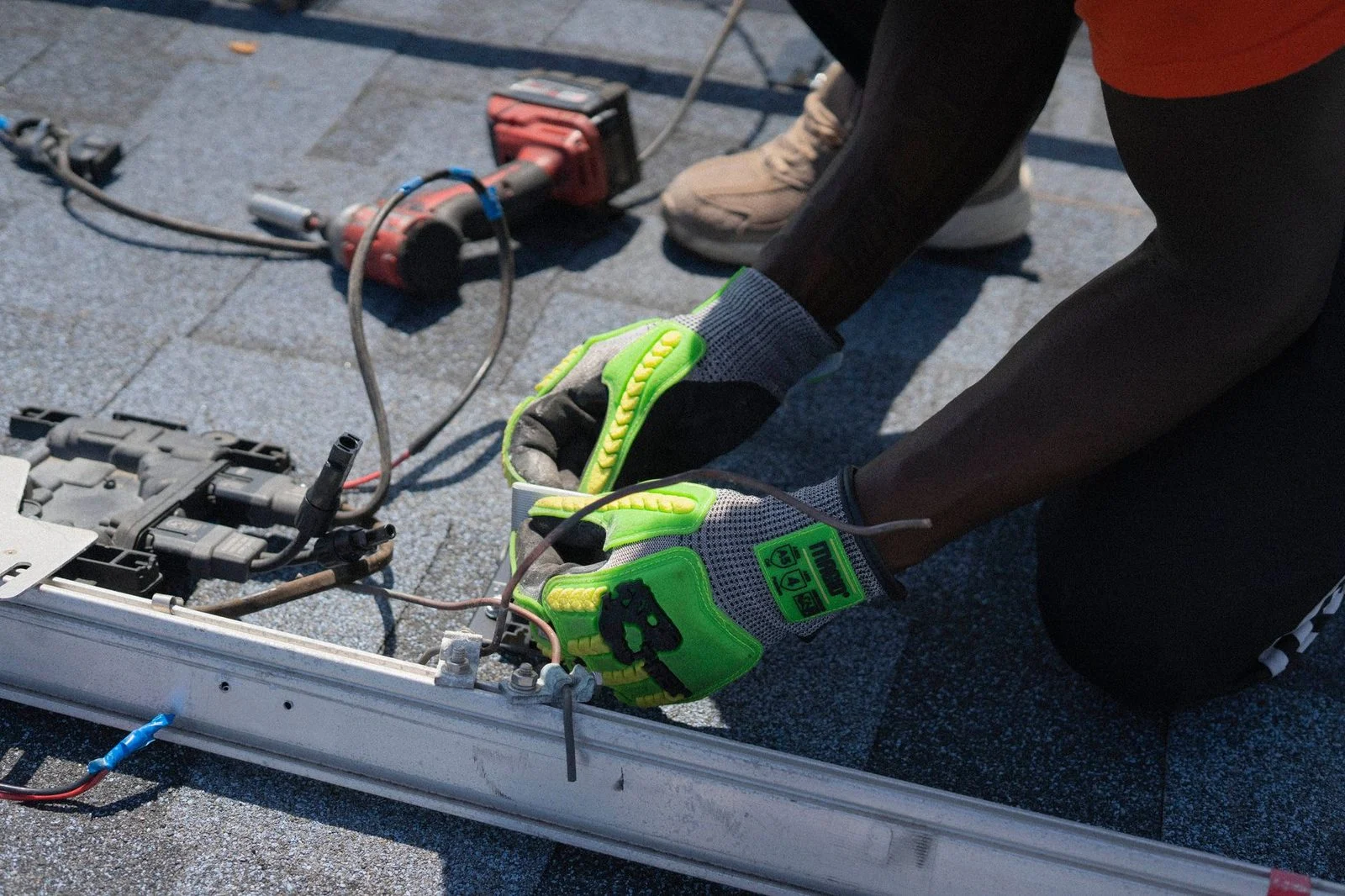
You may be weighing a new system before a renewal, or reading a premium notice you didn’t expect. You don’t have to sort out the coverage questions alone.
Does home insurance cover solar panels?
Panels attached to the house are usually treated as part of the dwelling. Your policy wording decides the details.
Does solar make homeowners insurance go up?
It can, because of rebuild cost, roof questions, and each insurer’s rating rules. No single percentage applies to every home.
How long do I have to report a property claim?
A supplemental claim has an 18-month limit.
Share your roof, your panel or battery plans, and your policy questions. Book your free first consultation (consulta inicial gratuita, confidencial y sin compromiso) through our contact page.
How ASP Superhome Helps You Plan
Free First Consultation
Our initial consultation is free, confidential, and comes with no obligation to continue.
Solar Planning
We help you think through panel placement, roof condition, and battery backup options before installation begins.
Whole-Home Coordination
Our team focuses on the roof, impact windows and doors, and solar as one connected project, so the details fit together.
Clear Documentation
We provide written project details you can share with your insurer when you review your policy.
Review Before You Install
Insurance rules differ by company and by policy. Before you install panels or a battery system, review your policy wording and talk with your insurer about how the system will be treated.
Questions to Ask Before You Go Solar
Is the system attached to the house?
Panels mounted on the roof are usually treated as part of the home. Ask how your policy describes them.
How would a rebuild be valued?
Higher replacement costs for roofing and solar equipment can change your coverage needs. Confirm your dwelling limit.
Does the roof need work first?
Roof age and condition often matter to insurers. Planning roof repair or replacement alongside solar can keep the project aligned.
What about battery backup?
Ask how a battery system is listed in your policy, including whether it is treated the same as the panels.


