


Tile Roofing · Naples
Tile Roof Damage in Naples: Repair or Replace?
Salt air, strong sun, and heavy storm rain take a toll on tile roofs. Learn the warning signs, when a repair makes sense, and when replacement is the better path.
By Jonathan Rodriguez · Published October 16, 2026
Tile roofing in Naples faces salt air, strong sun, and storm rain at the same time. Cracked, slipped, or missing tiles are the first signs to act on. Repair usually fits isolated damage, while replacement often fits widespread damage or failing underlayment.
Why Naples Tile Roofs Face Unique Conditions
Coastal conditions wear down a Naples roof in ways that are easy to miss. Salt-laden air settles on every surface and can corrode metal fasteners and flashing over time. Flashing is the metal that seals joints, edges, and penetrations.
Strong summer sun and daily heat cycles also stress the system. Tile expands and contracts as temperatures swing, and that movement can loosen pieces and strain the underlayment beneath them.
Storm season adds wind-driven rain. Wind pushes water sideways and upward under tiles that are already cracked or lifted. A roof can look intact from the street while water is already getting underneath. That hidden wear is why a look from the ground rarely tells the full story.
If your tile roof has cracked tiles after a storm or a leak that keeps coming back, our team can look at it with you and walk through your options. Talk it through with our team — the first consultation is free, confidential, and carries no obligation.

Warning Signs Your Tile Roof Needs Attention
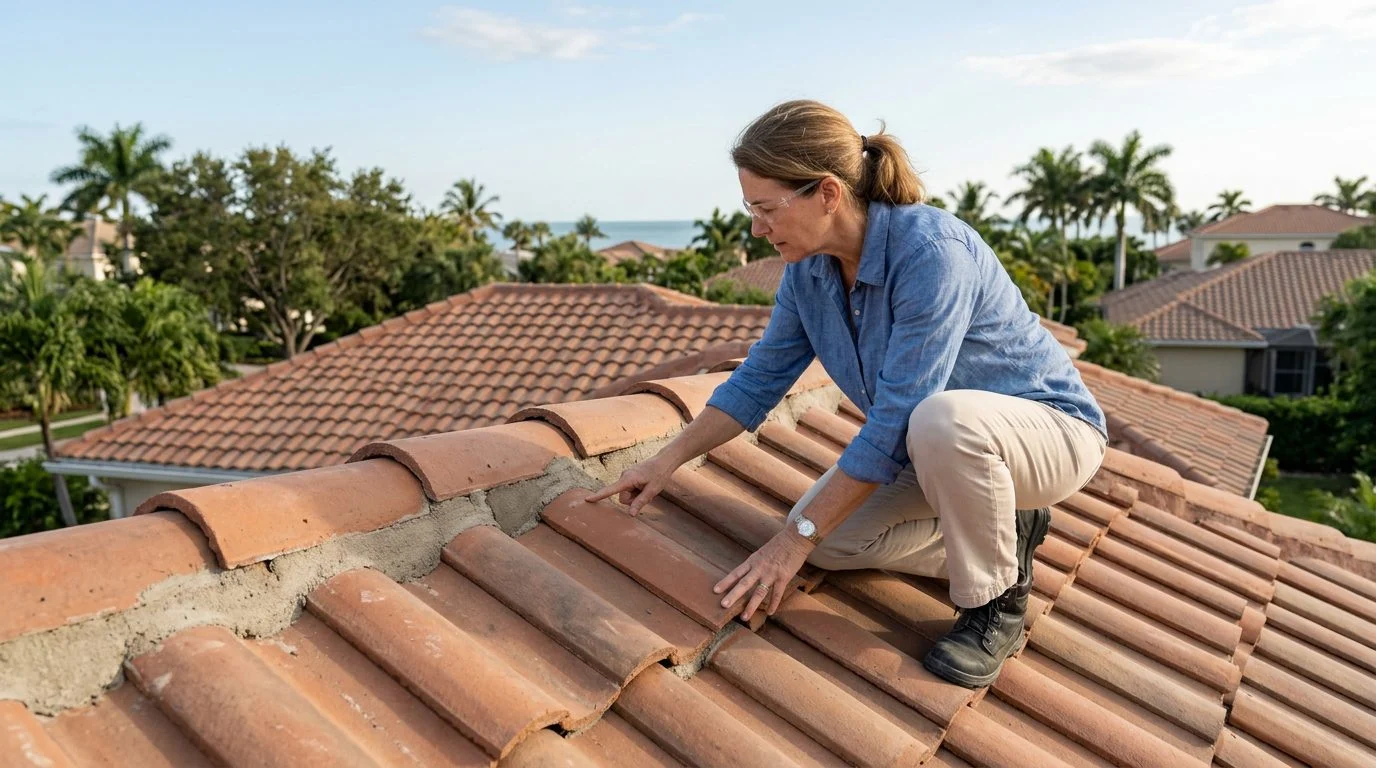
Cracked, chipped, or slipped tiles are the most common warning sign. Check the windward side first, the side facing the storm, because it takes the most wind force.
Look at your gutters, too. Grit and small pieces of tile or debris can point to surface damage. Water stains on ceilings or walls near exterior walls suggest water is moving through the roof system.
Leaks around vents, chimneys, skylights, and valleys are a common pattern. These spots rely on flashing, which is often where the seal fails first. A leak that returns after every rain usually means the source has not been fixed.
Sagging areas or soft spots need prompt inspection. They can signal deck or underlayment problems that tiles alone will not show. Waiting for a bigger leak only raises the cost of the fix.
Tile Roofing Options for Naples Homes
Repair fits isolated damage. Replacement often fits widespread damage or underlayment that is failing. The right choice depends on how much of the roof is affected and what lies beneath the tile.
Concrete tile and clay tile differ in weight, profile, and cost. Read this concrete roof tile cost comparison before you choose a material.
Weight matters. According to the NRCA roofing materials guidance, when another roof covering is replaced with tile, the building’s structural load capacity must be verified. That check comes before heavier tile goes on.
Matching the existing tile profile and color matters when you repair a section. A close match keeps the roof looking uniform.
What a Local Tile Roof Estimate Covers
A tile roof estimate should cover the inspection, the wind check, and the permit path. Each part helps you compare options line by line.
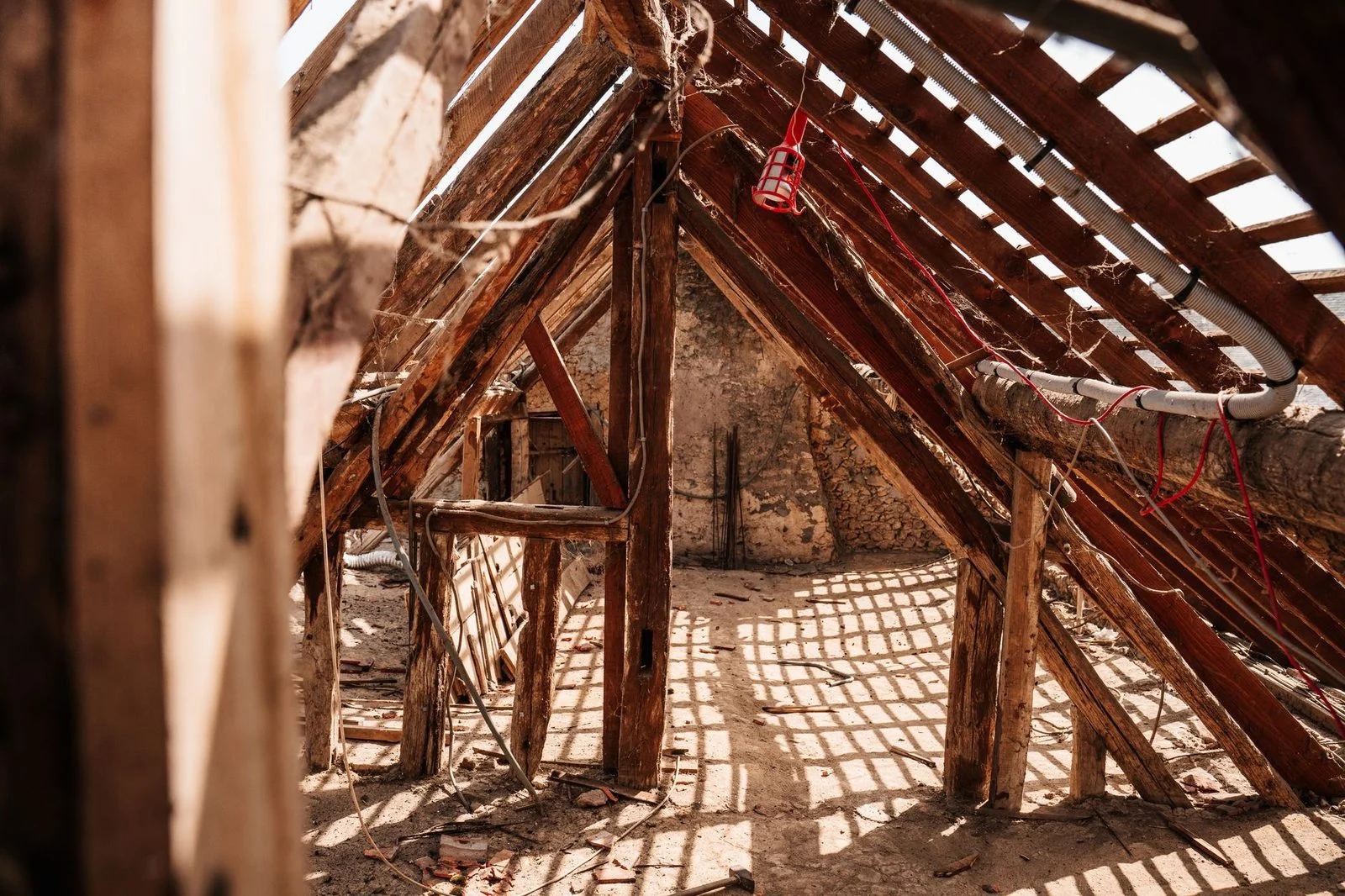
The inspection includes the tiles, flashing, and underlayment access points. It also checks the attic for moisture, such as staining on the decking or framing. Attic evidence often reveals leaks that the roof surface hides.
Wind resistance is the next check. Roof coverings play an important role in how a home holds up during high winds, so wind resistance is worth discussing with our team when planning a roof project.
The Tile Roofing Industry Alliance documents installation practices, code requirements, and acceptable products for high-wind applications in Florida. Those standards shape a sound repair or replacement plan.
Paperwork for a roofing job depends on the county where the property sits. Our team can explain what applies to your project in your area. Your estimate should name the permits this job needs and how they affect the timeline.
Request Your Naples Tile Roof Estimate
The next step is an inspection of your actual roof. Start with what you see: cracked or missing tiles after a storm, or a leak that keeps returning.
Your first consultation with ASP Superhome is free, confidential, and carries no obligation to continue.
If the work relates to an insurance claim, our team can explain how the project fits with it.
Readers in nearby areas can also review the Fort Myers tile roofing guide and the regional tile roofing hub.
Quick Answers
Can you repair a few cracked tiles? Yes, isolated cracked or slipped tiles are often repaired. Widespread damage usually points toward replacement.
Do tile roof projects need a permit? Roofing work often requires one. Your estimate should list the permits your job needs.
Will insurance cover tile roof repairs? Coverage depends on your policy. Before signing any agreement tied to a claim, ask our team to go over the scope and terms with you.
If your tile roof has cracked tiles or a leak that keeps coming back, request your quote with ASP Superhome and we will review the roof with you.
Signs Your Naples Tile Roof Needs Attention
Cracked or slipped tiles
Tiles that are cracked, shifted, or missing expose the layers beneath them to wind-driven rain and make later damage more likely.
Corroded metal flashing
Salt-laden air can corrode the metal around chimneys, vents, valleys, and edges. Flashing that is pitted or loose needs prompt review.
Stains or leaks inside
Water spots on ceilings or walls often point to a problem that started on the roof, even when the outside looks mostly intact.
Failing underlayment
The underlayment is the protective layer below the tiles. When it breaks down, a spot repair may no longer be enough to keep water out.
Don't Wait on Missing Tiles
Open spots in tile roofing let water reach the underlayment and roof deck. Even a small gap can lead to rot, mold, or interior damage during the next heavy rain. A prompt inspection helps you understand what is happening before it spreads.
Repair or Replacement: How to Choose
Repair fits isolated damage
A few cracked or displaced tiles, a localized flashing issue, or a single leak source often suits a targeted repair when the rest of the roof is sound.
Replacement fits widespread damage
Damage across large sections, aging underlayment, or repeated leaks in different areas may point toward a full roof replacement.
Consider the roof's age
An older tile roof with brittle tiles or weakened fasteners may be harder to patch well, so the age of the system matters as much as the visible damage.
Get a professional view
Every roof is different. Our team can look at your specific tile roof and explain which option fits your home's condition.


