


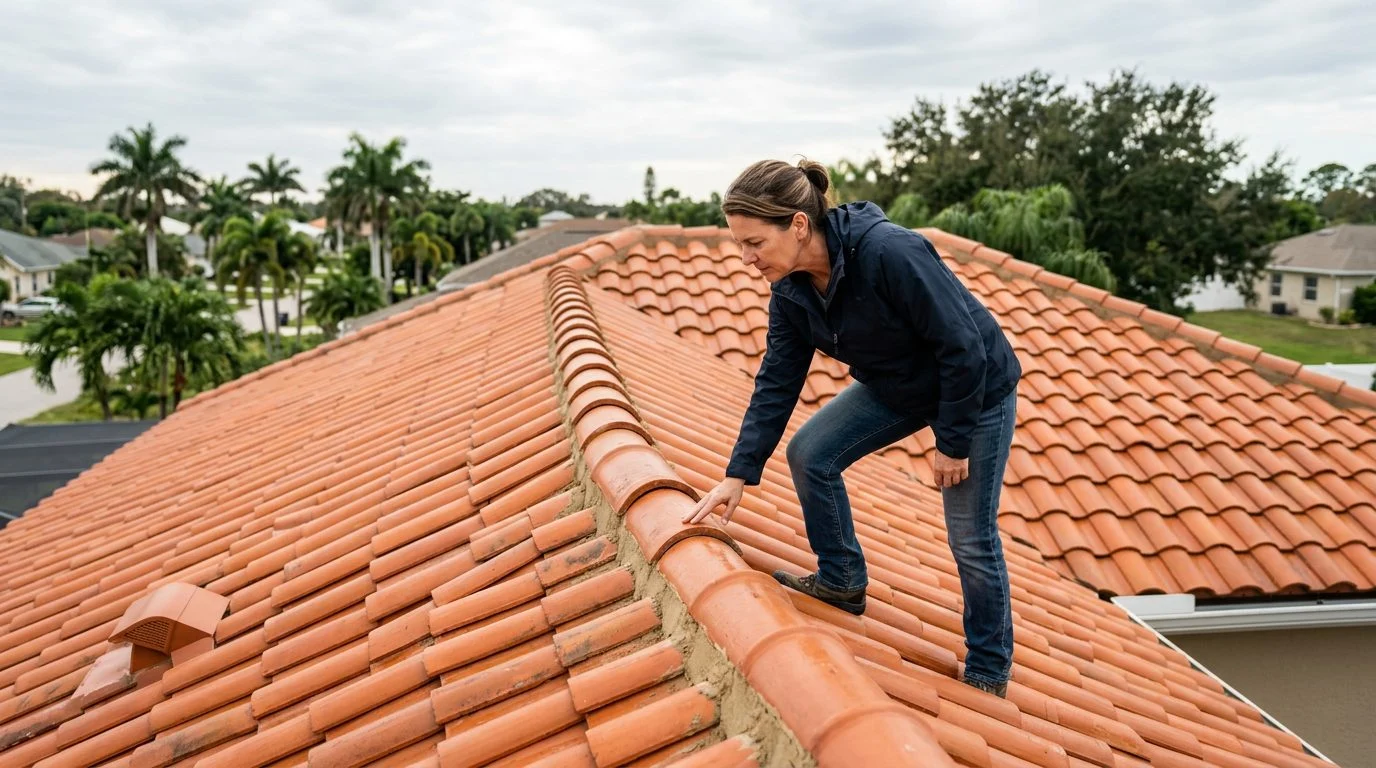
Tile Roofing | Fort Myers
Tile Roofing in Fort Myers: Repair or Replacement, Done Right
Heat, humidity, heavy rain and wind put real stress on a tile roof. We help Fort Myers homeowners work out whether their roof needs a targeted repair or a full replacement.
By Jonathan Rodriguez · Published October 16, 2026
Tile Roofing Fort Myers: Repair, Replacement, and Wind Readiness
If cracked tiles, a leak after rain, or storm damage has you worried about your roof, request a quote and our team will review it with you and talk through a plan. Talk it through with our team — the first consultation is free, confidential, and carries no obligation.

Tile roofing in Fort Myers: what local homeowners are dealing with
A tile roof in Fort Myers holds up well when the whole roof system is sound. The tile is the visible layer, but the layers beneath it do the real work against heat, heavy rain, and wind.
Fort Myers homes face hot, humid weather, strong sun, and heavy rain for much of the year. Those conditions wear on sealants, flashings, and the underlayment under the tile. Damage in those layers often stays hidden until a leak shows up inside the home.
Wind is the bigger worry. That is why wind uplift, flying debris, and water entry after a storm are central concerns for tile roofs in Southwest Florida.
This guide is for three kinds of owners. You may have a tile roof that leaks or shows damage. You may be weighing a repair against a replacement. Or you may be planning a new tile installation and want to understand what it involves.
How a tile roof sheds water: the tile is only part of the system
Tile sheds water, but the underlayment and flashings complete the roof. Once a tile cracks or shifts, those layers are what keep rain out of the home.
Florida’s code treats the roof as a system, not a single product. Under Fla. Stat. § 553.844, criteria for secondary water barriers may include roof shape, slope, and the composition of all elements of the roof system. The law also says those criteria may not be limited to one method or material.
Flashings sit where the roof meets other parts of the home. That includes valleys, pipes and vents, walls, and edges. Water often gets past these points first. A stain on a bedroom ceiling may trace back to a flashing several feet away from any broken tile.
That is why our team checks the full system, not only the tiles you can see from the yard. The Tile Roofing Industry Alliance installation guides cover proper tile-roof installation practices, code requirements, and acceptable products and processes for high-wind applications in Florida. Those details matter most where a roof is exposed to storms.
Tile types common on Fort Myers roofs
The main tile types are concrete and clay, and each comes in several profiles, such as flat and barrel. Concrete and clay are the two families most often seen on Southwest Florida homes.
The NRCA roofing materials guidance notes that clay and concrete tile roofing is durable and is used in Florida. Durability is only part of the choice, though. Profile and weight also matter.
Flat tile lies low and has a sleek, even line. Barrel tile has a rounded, curved profile. Each material and profile carries a different weight and fits the deck in its own way. That changes how the roof is loaded and how the tile must be set and fastened.
Matching matters when only part of a roof is being replaced. A new section with a different profile or weight can sit differently beside the old tile. Edges and transitions are where that mismatch shows up first. Our team looks at the existing tile before recommending a match, so the repaired area blends with the rest of the roof.
Weight, deck, and roof geometry: what a tile roof asks of the structure
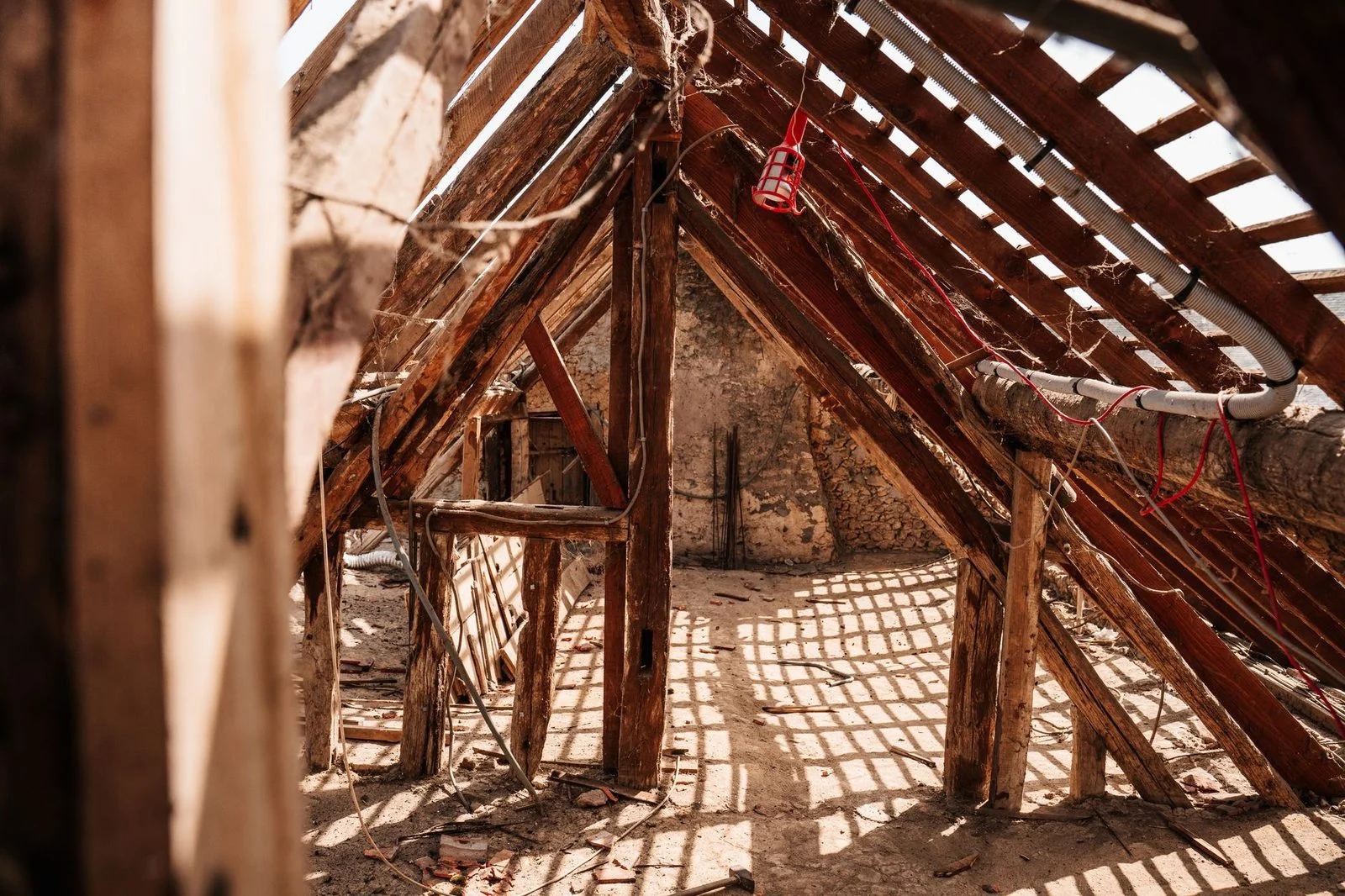
A tile roof needs a structure that can carry its weight, so the deck and framing get checked first. This matters most on older homes and on roofs that were tiled before.
The NRCA guidance states that when another roof covering is replaced with tile, the structural load capacity of the roof must be verified. That check protects the home before any new tile goes on. It is a step that should never be skipped because the roof looks fine from the ground.
Roof shape changes the picture too. Hips, valleys, and multiple roof planes change how water runs and where wind pressure builds. A roof with many valleys has more seams where water can find a way in.
Our team checks the deck and structure on site before deciding on tile type or layout. That order matters. The structure sets the limits for everything that follows.
Wind attachment and ridge details that matter in Southwest Florida
Ridge, hip, and edge tiles take the most wind load, so their attachment gets close attention. Loose or missing ridge tiles can let wind and water in at the top of the roof, where the damage is easy to miss.
Florida also regulates roofing products used for wind protection. Under Fla. Stat. § 553.842, roofing is one of the product categories that must receive statewide approval. The same section says a product may not be marketed as hurricane, windstorm, or impact protection unless it is approved.
After a storm, look for tiles that are loose, cracked, or shifted along edges and ridges. Look for tiles that have slid out of line and for new water stains near the eaves. These signs point to attachment problems that need a closer look.
The right fix depends on what is holding the tile in place. A surface patch will not repair a fastening problem below the tile.
Not sure what your next step is?
Talk it through with our team — the first consultation is free, confidential, and carries no obligation.
Repair or replacement: what determines the right plan
A small leak does not always mean a full replacement. The right plan depends on the extent of the damage, the condition of the underlayment and deck, the age and type of the tile, and the home’s leak history.
Whether partial roof work must meet current building code depends on the details of your project, so a consultation is the right place to start.
Widespread underlayment or deck damage often calls for more than a patch. In those cases, a full replacement may be the sounder choice. Localized damage with a sound deck may be repaired in place.
Permits are generally required for most roof repair and replacement work, and our team will confirm what applies to your project. Permit requirements can vary by city and county, and our team can explain how they apply to your project. The permit step comes before any tile goes on.
Timing matters for insurance claims as well. For hurricanes, the date of loss is the date the hurricane made landfall.
Tile life depends on the tile type, the underlayment, the quality of the installation, and ongoing maintenance. Two roofs with the same tile can perform very differently. Cleaning and an inspection after any major storm help catch small problems early.
Request a quote for your Fort Myers tile roof
ASP Superhome offers a free first consultation that is confidential and without obligation to continue. Nothing about the first step commits you to the work.
During the consultation, the team looks at the tile, underlayment, flashings, deck, and attachment. That full view shows what is under the tile, not only what is visible from the street. It gives you a clearer basis for deciding between a repair and a replacement.
Your policy may also limit code-upgrade costs. Review that coverage with your insurance agent before work begins.
If cracked tiles, a leak after rain, or storm damage has you worried, request a quote and our team will review your roof with you.
What we check on a Fort Myers tile roof
The whole roof system
We look beyond the tile to the underlayment, flashings, sealants and fasteners that keep water out and hold the roof down in wind.
Local weather wear
Fort Myers sun, humidity and summer storms age roofing materials faster than many homeowners expect. We assess what that exposure has done to your roof.
A clear written picture
You get a plain-language explanation of what is damaged, what can be repaired, and what a replacement would involve.
Options, not pressure
We walk you through repair and replacement paths so you can decide with full information, at your own pace.
Don't wait on a small leak
Hidden damage under the tile can let water reach the roof deck and the inside of your home long before stains appear on the ceiling. If you notice missing or cracked tiles, staining, or water near light fixtures or vents, have the roof inspected promptly.
Repair or replacement: the common paths
Targeted tile and flashing repair
When damage is limited to a few tiles, a cracked vent boot, or a failed flashing, a focused repair can restore protection without disturbing the rest of the roof.
Partial re-roofing
If one slope or section has worn beyond repair while the rest of the roof is sound, replacing only that area may be a practical option.
Full tile roof replacement
When underlayment, decking or fasteners are widely compromised, replacing the entire roof system often makes more sense than patching it repeatedly.
Start with a free first consultation: confidential, with no obligation to continue.
Related practice areas
- Tile Roofing in South Florida: Costs, Styles & Installation Guide
- Metal Roofing Kendall: Codes, Profiles and Estimates


