


Metal Roofing · South Florida
Why Is My Metal Roof Leaking at the Seams?
Seam leaks usually come from worn sealant, loose fasteners, or joints that have shifted. Learn what causes them and what repairs are available, then book a free estimate with ASP Superhome.
By Jonathan Rodriguez · Published October 31, 2026
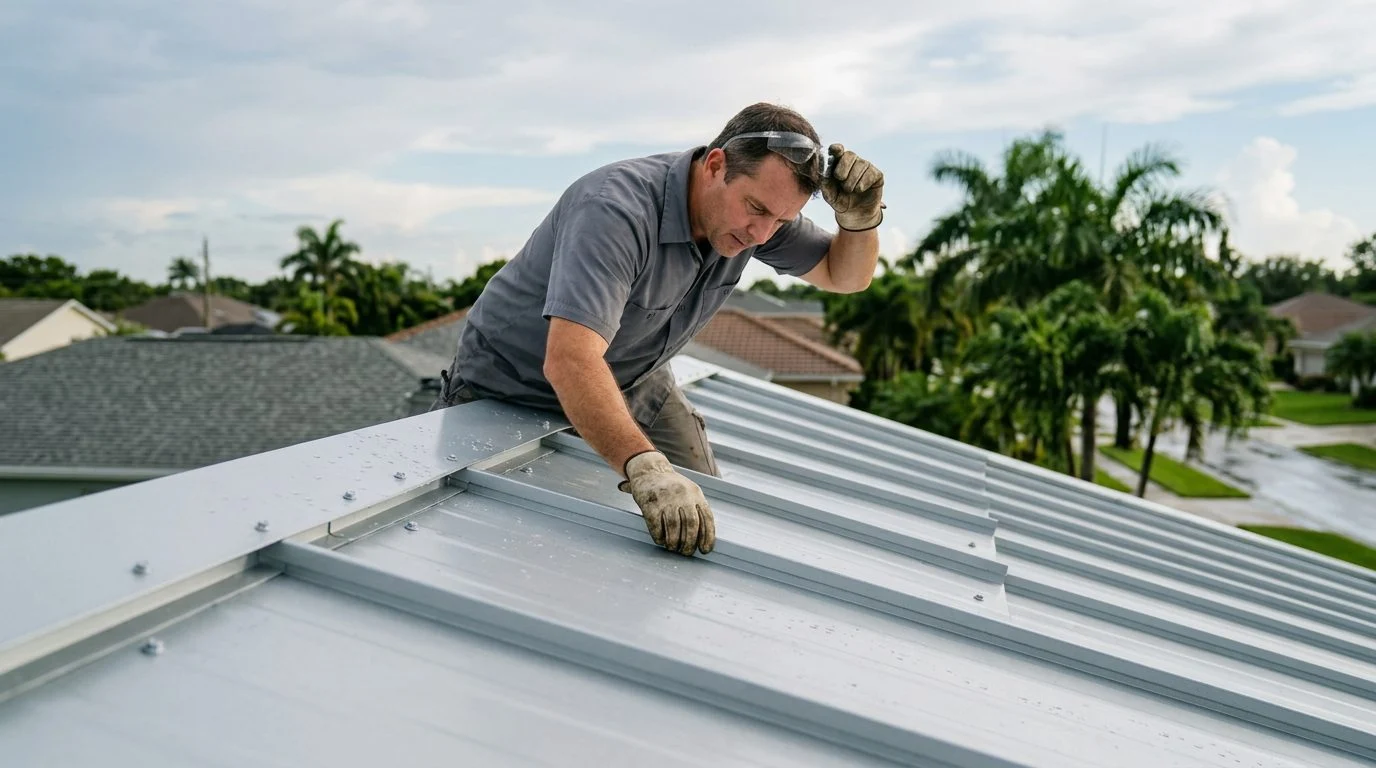
Why is my metal roof leaking at the seams? Usually, a joint has failed. The sealant, a fastener, or the lap between two panels has worn out or moved. That’s a common problem with known repairs.
Are Metal Roofs Known for Leaking?
Metal roofs are durable and shed water well when they’re installed and maintained correctly. Leaks tend to show up at seams and joints, not across the open middle of a panel. A seam leak usually points to a sealing, fastening, or movement problem. It rarely means the metal panel itself has failed.
The Insurance Institute for Business & Home Safety (IBHS) studied how buildings performed during Hurricane Ian. The Insurance Institute for Business & Home Safety has studied building performance in Southwest Florida during Hurricane Ian. IBHS Hurricane Ian roof assessment
Florida’s building rules also treat metal roof flashing as a key detail. 2026 Florida Building Code analysis
Not sure what your next step is?
Talk it through with our team — the first consultation is free, confidential, and carries no obligation.
Common Causes of Seam Leaks on Metal Roofs
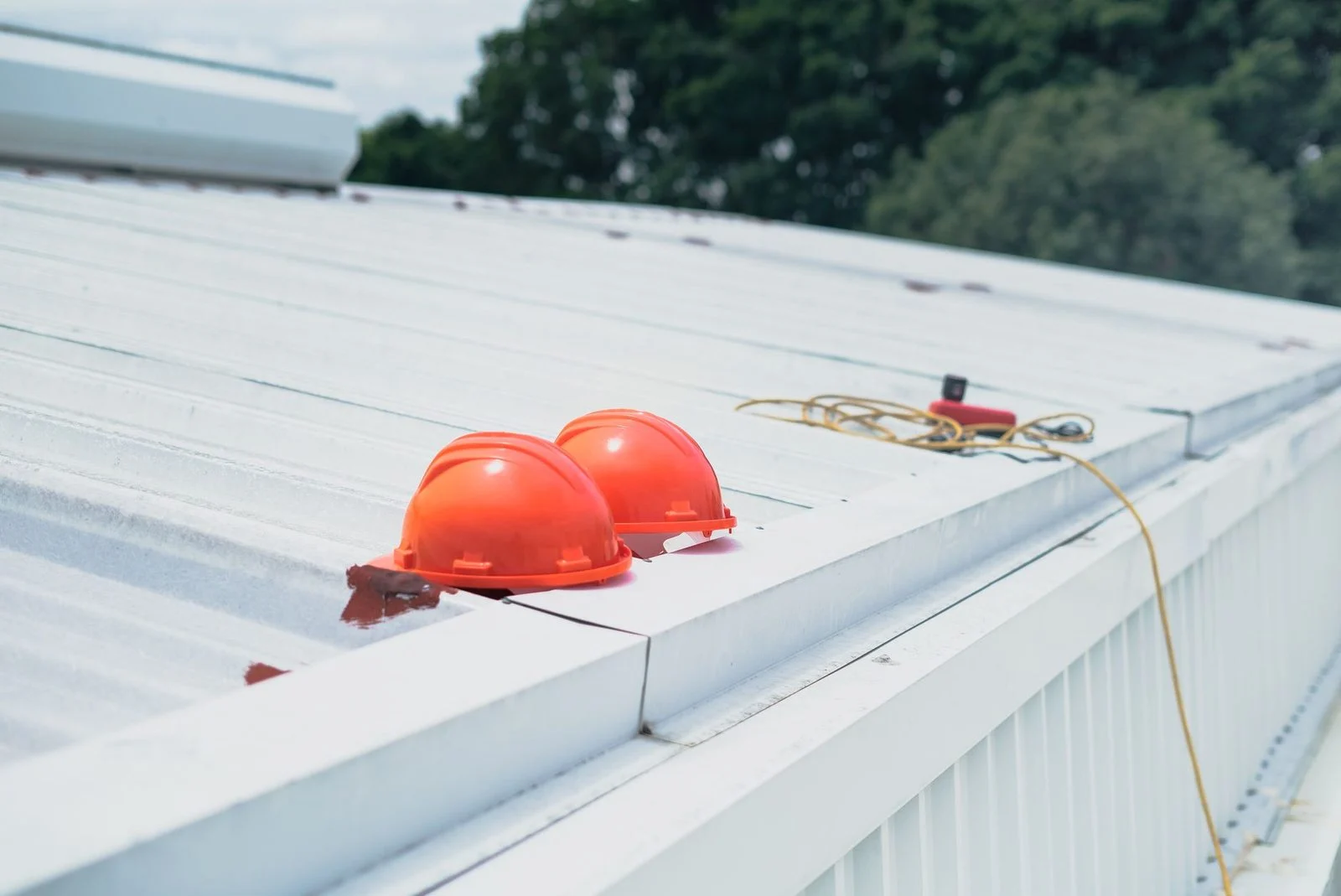
Most seam leaks trace back to a handful of causes. Each one lets water reach a joint that was meant to shed it.
- Worn sealant. Butyl tape and sealants break down under sun, heat, and weather. They dry out, crack, or pull away from the metal.
- Loose or backed-out screws. On exposed-fastener panels, water can run down a screw shank into the roof.
- Lifted lap edges. Where panels overlap, a gap lets wind-driven rain push past the seal.
- Thermal movement. Florida heat makes metal expand and contract. Repeated movement stresses seals and fasteners.
- Standing debris and water. Leaves, grit, and poor drainage keep moisture against seams longer than they should.
- Storm and foot traffic damage. Wind, flying debris, or a boot on a panel can shift metal or break sealant.
Near the coast, the code sets its own fastener rules. 2026 Florida Building Code analysis
Where Leaks Start: Standing Seam vs. Exposed-Fastener Roofs
On a standing seam roof, water usually enters at the raised seams, clip points, or panel end laps. On an exposed-fastener roof, it usually starts at screw heads and washers. Knowing your roof type tells a technician where to look first.
A standing seam roof has raised ridges that lock together. Clips sit under those ridges. Leaks can start at the seam itself or at a flashing joint where panels meet.
An exposed-fastener roof uses screws that go straight through the panel. Each screw head has a washer and a gasket or sealant. When that gasket cracks, water follows the screw down into the roof.
Edges matter too. 2026 Florida Building Code analysis
Roof type shows where to check first. It doesn’t replace an on-site look, because two roofs of the same type can leak for different reasons.
Signs of a Seam Leak You Can Spot From Inside and Outside
The clearest early signs are water stains on ceilings near exterior walls and rust streaks along seam lines. You can often see both without climbing onto the roof.
Inside the home or attic, look for:
- Stains or bubbling paint on ceilings near outside walls
- Drips that appear after rain
- Damp or matted insulation
- A musty smell that won’t go away
- Daylight visible through the roof deck
From the ground, look for rust streaks or discoloration along seam lines. Check for visible gaps, lifted sealant, and raised or loose screw heads. Staining on fascia or gutters below the seams is another sign.
Timing helps too. A leak that appears only during wind-driven rain often points to seams or fasteners on the side of the roof that faces the storm.
Stay off a wet or steep metal roof. Metal gets slick, and a fall can cause serious injury. Use binoculars from the ground and a flashlight in the attic on a dry day instead.
How Metal Roof Seams Are Sealed: Butyl Tape and Sealant Placement
A seam reseal usually means removing failed sealant, cleaning the joint, and laying down a compatible butyl tape or sealant. Each step should follow the manufacturer’s instructions.
Butyl tape is a flexible, sticky strip. It fills gaps and blocks water at joints. Typical spots include lap seams where panels overlap, flashing joints, and areas around penetrations or transitions.
Surface prep comes first. Sealant needs a clean, dry surface to bond. A seal laid over dirt, oil, or moisture won’t grip well and can fail early. Finished steel and aluminum panels are commonly coated at the factory, typically with a two-coat paint system. The sealant has to suit that finish and the roof system. Metal Construction Association roofing guide
The work runs in order. The crew pulls out failed sealant, cleans and dries the joint, then applies a compatible product in the right spots.
What Affects the Cost to Reseal a Metal Roof, and Next Steps
The cost to reseal a metal roof depends on how much needs work and where. Roof size, the number of leaking seams, and access all matter. Roof pitch and any fastener or panel damage matter too.
Key cost drivers include:
- Roof size and the total length of seams
- Number and location of leaking joints
- Access and roof pitch
- Extent of fastener or panel damage
- Materials needed for the fix
A clear diagnosis comes first. Finding the actual leak source lets a contractor write an accurate scope of work. Without that, a price is hard to pin down. An isolated leak can often be handled with targeted sealing or re-fastening. Widespread failure may call for a broader plan.
For more on repairs, read the South Florida roof repair guide. Miami homeowners can also see metal roof repair in Miami.
Why is my metal roof leaking at the seams?
Usually a sealant, a fastener, or a lapped joint has worn out or moved. These joint problems are common and have known repairs.
Can a metal roof leak be repaired without replacing the roof?
Isolated seam or screw leaks are often fixed by resealing or re-fastening the affected spots. A site look shows whether the problem is limited.
Does a metal roof need drip edge in Florida?
How much does it cost to reseal a metal roof?
The price depends on roof size, the number and location of leaks, access, and damage. A site look gives the clearest number for your roof.
If water is showing up on your ceiling after a storm, or you’re responsible for a roof that keeps leaking, ASP Superhome offers a free first consultation that is confidential and carries no obligation to continue.
Common causes of seam leaks
Worn sealant
Sealant at seams and trim can age and crack under sun, heat, and storm exposure, letting water through the joint.
Loose or failed fasteners
Screws and clips can back out or lose their grip over time, leaving small gaps where water can enter.
Shifted lapped joints
Thermal expansion and contraction can move metal panels slightly, opening up overlapping seams.
Debris and ponding water
Leaves, grit, or standing water near seams can hold moisture against the joint and speed up wear.
Don't wait for stains to appear
Water staining on ceilings or walls often means water has been entering for a while. A small seam problem is usually easier to address when it is caught early.
How ASP Superhome approaches seam leaks
Targeted repairs
Isolated seam and screw leaks can often be addressed by resealing or re-fastening the affected spots.
Honest assessment
We look at the roof to identify the actual source of the leak and recommend what fits the condition we find.
Clear quotes
You receive a written estimate outlining the recommended work before you decide on next steps.
Free first consultation
Our free first consultation is confidential and comes with no obligation to continue.


