


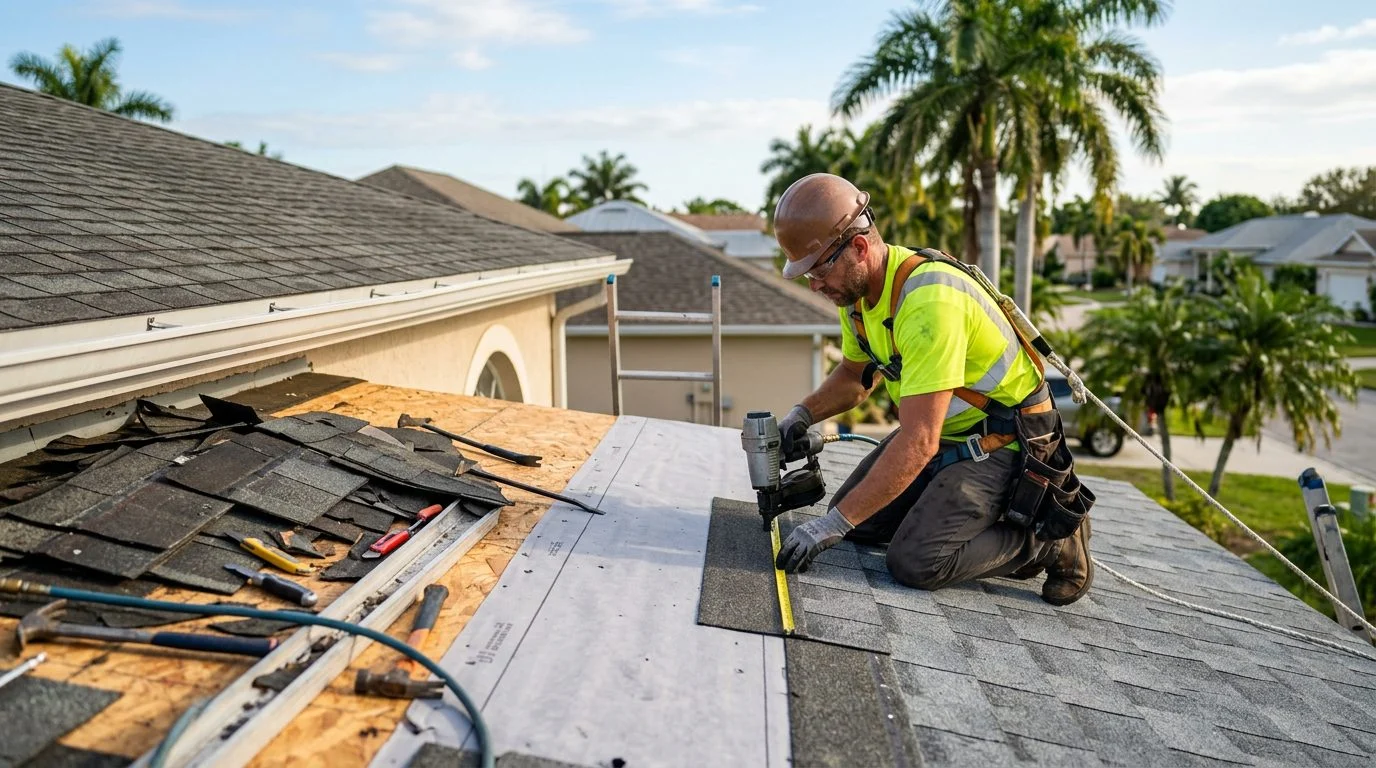
Roof Repair & Replacement | South Florida
Will Insurance Cover a 10-Year-Old Roof?
Roof age is only one factor. Learn what shapes a roof claim in South Florida, and how ASP Superhome can help you plan your next step.
By Jonathan Rodriguez · Published November 6, 2026
Short answer: a 10-year-old roof and your insurance claim
A 10-year-old roof can still be covered, but its age alone doesn’t decide the claim. Your policy wording, the cause of the damage, and how the insurer values the loss decide the outcome. Age mostly affects the payout, because an older roof carries more depreciation.
Florida law also limits what an insurer can do because of roof age. Florida law bars an insurance company from declining to write or continue a homeowner’s policy for a residential structure whose roof is less than 15 years of age, based solely on the roof’s age. That rule covers issuing and renewing a policy, which is separate from what a claim pays.
Many people first ask this question after a storm, a leak, or a renewal notice. This guide covers insurer age guidelines, depreciation, covered versus excluded causes, repair versus replacement, and documentation.
If a storm, a leak, or a renewal notice has you wondering what your insurer will pay for an older roof, our team is glad to talk it through with you. Talk it through with our team — the first consultation is free, confidential, and carries no obligation.
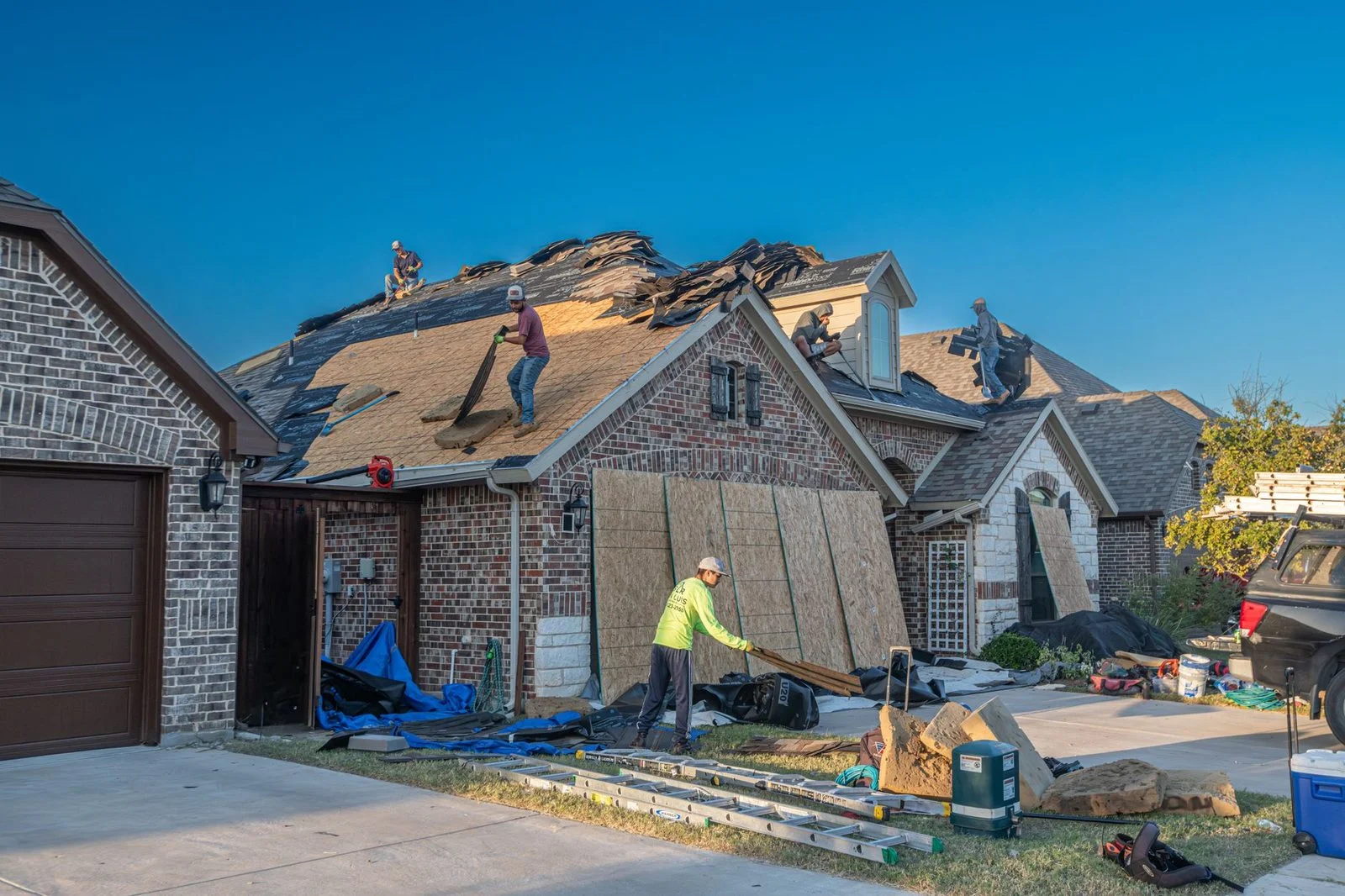
How old can a roof be to get insurance in Florida?
There is no single age cutoff in Florida. Each insurer sets its own guidelines, and roof age is one factor among several.
Roof age can factor into how an insurer views a homeowner’s policy, so knowing the age and condition of your roof is useful before you speak with your insurer. An inspection by a qualified inspector can document the remaining condition of an older roof before a homeowner discusses it with an insurance company.
Roof discounts are another factor. The Florida Department of Financial Services says roof discounts vary by insurer and are typically limited to roofs under 10 years old. A roof that is already about 10 years old may fall outside that limit.
If your home has tile, Citizens Property Insurance Corporation publishes its own inspection requirements for older roofs. That shows how one Florida insurer handles them.
Start by asking your insurer what roof age and valuation method it has on file. Your declarations page is the place to look for both.
Why roof age changes what a claim pays
Roof age usually changes the amount you receive, not whether damage is covered. Two terms matter here.
Actual cash value (ACV) is the roof’s value after depreciation for age and wear. Replacement cost value (RCV) is what it costs to replace the roof, without that deduction, subject to your policy’s terms and limits.
Under Fla. Stat. § 627.7011, a dwelling insured on a replacement cost basis gets an initial payment of at least the actual cash value, less any deductible. The insurer pays the remaining amounts as repair work is performed and expenses are incurred. That is why a check can arrive in stages.
A roof deductible can slow things further. If one applies, the insurer may limit the roof payment to actual cash value until it gets reasonable proof you paid that deductible. Proof includes a canceled check, a money order receipt, a credit card statement, a copy of an executed installment plan contract, or other financing arrangement that requires full payment of the deductible over time.
A common mistake is planning around the replacement number alone. Ask the adjuster for the ACV figure and the holdback amount in writing.
Covered storm damage versus wear, age, and maintenance
Sudden damage from a covered event is treated differently from slow wear and poor upkeep. The cause of the damage matters most, and your policy wording sets the exclusions.
Sudden damage includes tiles pushed out of place by wind, hail dents, or an opening a storm creates. Wear includes cracked or brittle tiles from years of sun, granule loss on shingles, and leaks from aging materials or missed maintenance.
A leak can be tied to a covered event when storm damage opened the roof and water came through that opening. A leak that develops slowly from aging materials is often handled differently. The entry point of the water is a key detail.
Signs you can note from the ground or inside include cracked, slipped, or missing tiles, granule loss in gutters, and stains or soft spots on ceilings. None of these signs alone decides coverage. Write down the date you first noticed each one.
Can you pay for repairs instead of a full replacement?
A repair is often the first option when damage is limited to one area. Replacement may come up when damage is widespread or a repair can’t restore the roof’s condition.
You may hear a “25% rule” in roofing conversations.
Repairs and replacements are priced differently in estimates. Ask for a written scope of work that separates repair items from replacement items. A clear scope makes your options easier to compare.
What to document and what to say to the insurance adjuster
Keep dated photos and video of the roof and the interior damage. Add the original installation invoice or permit if you have one, prior repair records, and notes on when you first saw the damage.
Keep receipts for any temporary repairs. Santa Rosa County guidance advises making only temporary repairs to prevent further damage and preserving receipts.
Deadlines matter. Under Fla. Stat. § 627.70132, a claim or reopened claim, but not a supplemental claim, is barred unless notice was given within 1 year after the date of loss. A supplemental claim is barred unless notice was given within 18 months. For hurricanes, the date of loss is the date that the hurricane made landfall. For tornadoes, windstorms, severe rain, or other weather-related events, the date of loss is the date the National Oceanic and Atmospheric Administration verifies the event.
When you talk with the adjuster, describe what you saw in order. Separate what you observed from what you assumed. Avoid guesses about cause or roof age you can’t verify. Keep copies of letters, the claim number, and inspection reports, and ask how the valuation was calculated.
Not sure what your next step is?
Talk it through with our team — the first consultation is free, confidential, and carries no obligation.
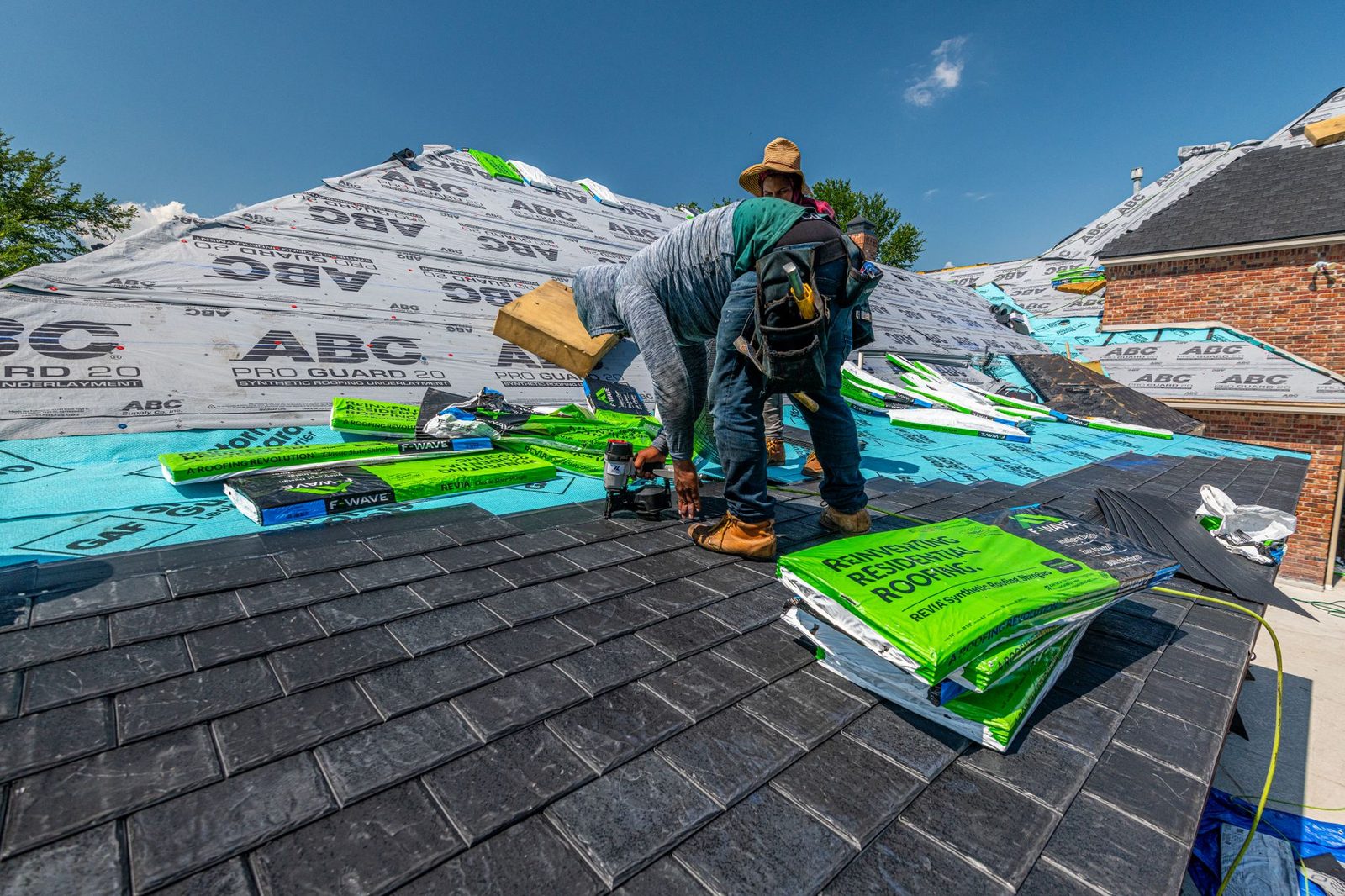
If you cannot afford a new roof right now: next steps
You can ask your insurer what the policy pays now and what it pays later. Ask how any holdback works under your policy before you decide how to proceed.
A scoped repair estimate can separate urgent leak protection from later replacement planning. That lets you budget in stages instead of all at once.
Florida law also covers the contract itself. When roofing work is tied to an insurance claim, the owner should reach out to the insurance provider to confirm coverage prior to executing the agreement.
Frequently asked questions
Will insurance cover a 10 year old roof?
It can, when the damage falls under your policy’s terms. Age alone does not decide the claim, but it can change the payout.
What is actual cash value for a roof claim?
Actual cash value is the roof’s value after depreciation for age and wear. Your policy wording sets how your insurer calculates it.
How long do I have to report roof damage in Florida?
Under Florida law, a claim or reopened claim under a property insurance policy is barred unless notice is given within 1 year after the date of loss; a supplemental claim has an 18-month limit. A supplemental claim has an 18-month limit.
Does homeowners insurance pay for wear and tear?
Policies commonly exclude wear, age, and lack of maintenance. Sudden damage from a covered event is handled differently.
If a storm, a leak, or a renewal notice has you weighing a claim for an older roof, our team can help you think it through. We offer a free first consultation that is confidential and comes with no obligation to continue. Contact our team to talk about your roof’s condition and your repair or replacement options.
Why Homeowners Reach Out to ASP Superhome
Roof Repair and Replacement
Metal and tile roofing, roof repair, and full roof replacement for South Florida homes.
Clear Estimates
We walk you through the scope of work so you can compare options with a clear picture of the project.
Confidential First Consultation
Your free first consultation is confidential and comes with no obligation to continue.
Support From Our Team
Our team keeps you informed from the first call through the finished project.
Document Before Any Work Begins
Photograph visible roof damage, interior water stains, and any prior repair records. Clear documentation helps you discuss your situation with your insurer and with our team.
What Shapes a 10-Year-Old Roof Claim
Roof Age and Condition
Age is one part of the picture. The current condition of shingles, flashing, and underlayment often matters more.
Cause of the Damage
Wind, hail, storm debris, and long-term wear can lead to different outcomes, so the cause is worth documenting.
Your Policy Wording
Coverage terms, deductibles, and how the roof is valued are set out in your policy. Read them closely.
Repair or Replacement
Some roofs need targeted repairs, while others are better served by replacement. A written estimate helps you weigh both.
Start With a Free, Confidential First Consultation. No Obligation to Continue.
Related practice areas
- Roof Repair in South Florida: Fast, Storm-Ready Fixes for Every Roof Type
- Tile Roof Repair Estimate in South Florida: What Gets Priced and Free Estimate Process
- Tile Roof Replacement Cost in South Florida: What Drives It


