


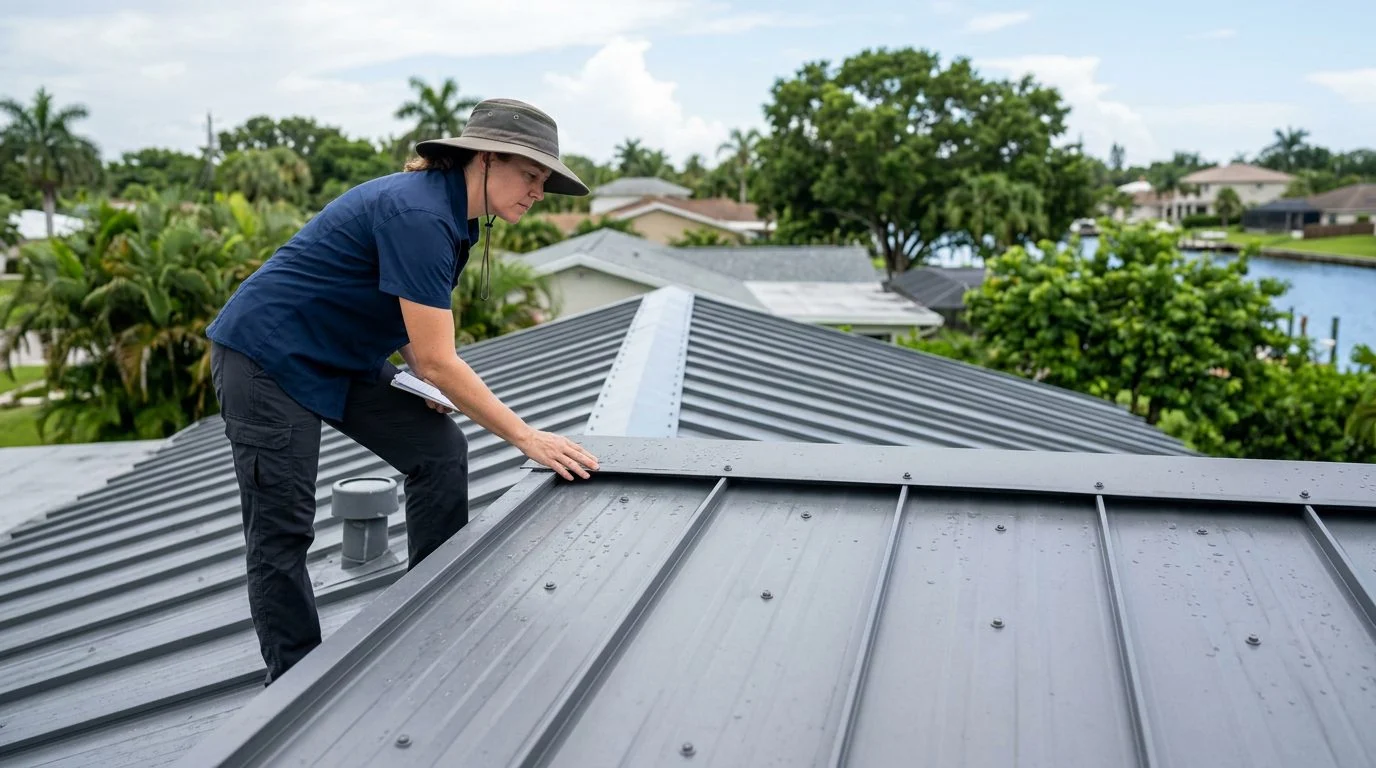
Metal Roofing & Roof Repair | South Florida
Will Flex Seal Work on a Metal Roof? What South Florida Homeowners Should Know
Spray-on sealants can slow a drip for a while, but they rarely solve the real source of a metal roof leak. Here is what to expect from Flex Seal, and when a proper repair makes more sense.
By Jonathan Rodriguez · Published November 7, 2026
Will flex seal work on a metal roof? It can sometimes slow a small surface leak for a short time. It is not a dependable fix for a metal roof that leaks through panels, seams, or fasteners. This page explains why and what to do next. For the bigger picture, read our South Florida roof repair guide.
Short answer: can Flex Seal work on a metal roof?
Flex Seal can sometimes slow a minor, surface-level leak on metal for a limited time. That’s the honest answer. A spray coating can cover a pinhole or a thin scratch and reduce the drip for a while. It usually can’t fix the reason water got in. A temporary coating is different from a repair to the cause. On a South Florida roof, heat, heavy rain, and wind keep working on that coating every day. A patch that looks sealed from above may still let water travel beneath the panel. So, will Flex Seal work on a metal roof? Only as a short-term stopgap for a minor surface leak. Plan for a temporary result, and treat it as a hold while you arrange a proper look at the roof.
If a leak showed up while you're handling this for a family member or a rental, you don't have to sort out the cause alone. Reach out to ASP Superhome to talk it through. Talk it through with our team — the first consultation is free, confidential, and carries no obligation.
Why a metal roof leak is rarely just a surface problem
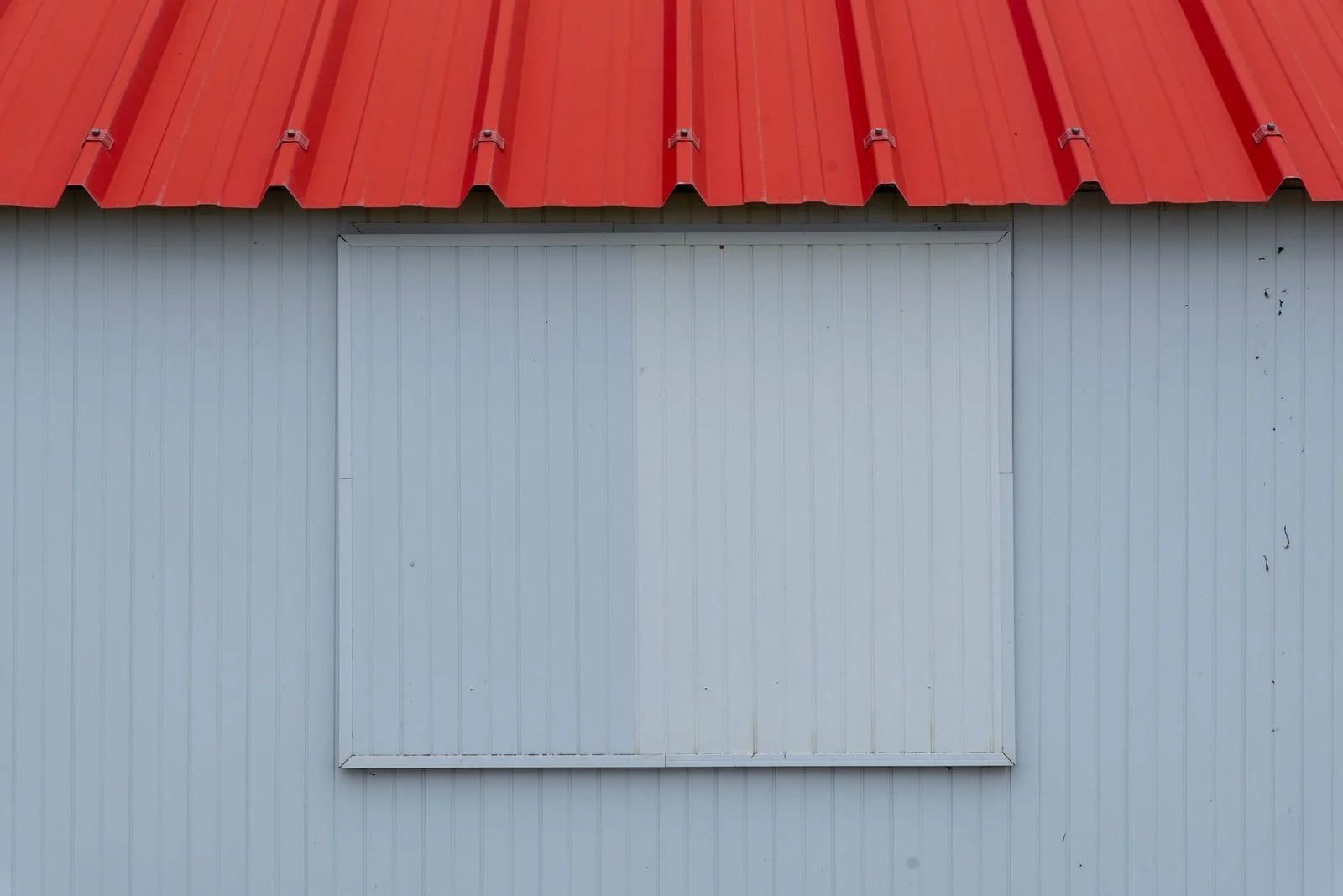
Most metal roof leaks start at a fastener, a seam, or a flashing joint, not in the middle of an open panel. Common entry points include loosened screws, failed sealant at screw heads, worn seams and laps, damaged flashing around vents and walls, and punctures from debris. Water often runs along a panel or down a fastener line before it drips. The stain you see inside may sit far from where the water actually got in. That’s why sealing the spot below the drip can hide the real problem. Florida adds stress. Intense sun and heat cycles expand and contract metal. Heavy rain pushes water into small gaps. Salt air near the coast speeds corrosion. Florida’s code now sets corrosion rules for fasteners and metal connectors within 3,000 feet of a saltwater coastline, as described in the Florida Building Code corrosion rules.
Where Flex Seal tends to fall short on metal
Flex Seal tends to fall short when metal is rusted, painted, oily, chalky, or already coated. A rubber-based spray needs a clean, sound surface to bond. Loose paint, flaking coatings, and rust scale can stop a lasting bond. Rust is a bigger problem. A spray over corroded metal can trap moisture underneath, and the corrosion keeps going out of sight. Movement matters too. Metal grows and shrinks with temperature. A flexible film can crack or peel at seams and fastener lines. Then there are the downsides to weigh. The coating changes the look of the roof. It’s hard to remove later. Some coatings raise manufacturer or warranty questions. The biggest risk is a false sense that the roof is sealed. The Metal Construction Association guidance says avoiding damage during rooftop work helps preserve a metal roof’s finish and integrity, including damage that can lead to corrosion.
Flex Seal vs. Gorilla Glue vs. a proper metal repair
Neither Flex Seal nor Gorilla Glue is a proper long-term metal roof repair. Flex Seal is a rubberized spray coating. Gorilla Glue is a polyurethane adhesive. Both are typically used for small, temporary patches. Neither replaces correct fasteners, flashing, or panel replacement. A proper metal repair uses materials that suit the panel type and finish, and it fixes the damaged part directly. Florida’s code also sets specific rules for the parts around the panels. When you compare options, ask three questions. What must the repair do? How long must it hold? What shape is the roof in?
What a proper patch involves, and why it is harder than it looks
A proper patch starts with finding the source, then cleaning and preparing the surface before any product goes on. First, find the leak. Check the attic or ceiling during or right after rain, then trace the water upslope to the likely entry point. Second, clean the area well. Remove dirt, salt residue, loose rust, and old sealant so the repair has something to bond to. Third, prepare the product and surface as the manufacturer directs, including any primer the metal requires. Fourth, apply the right amount at the right thickness. Cover the full repair area, plus any fastener heads or seam edges involved. Each step is easy to skip. Note the limits of DIY work. A sloped, wet, or hot roof carries real fall and safety risk. A patch can also fail without visible warning, and water may keep moving under a patch that looks fine from the ground.
When to have a professional look at your metal roof
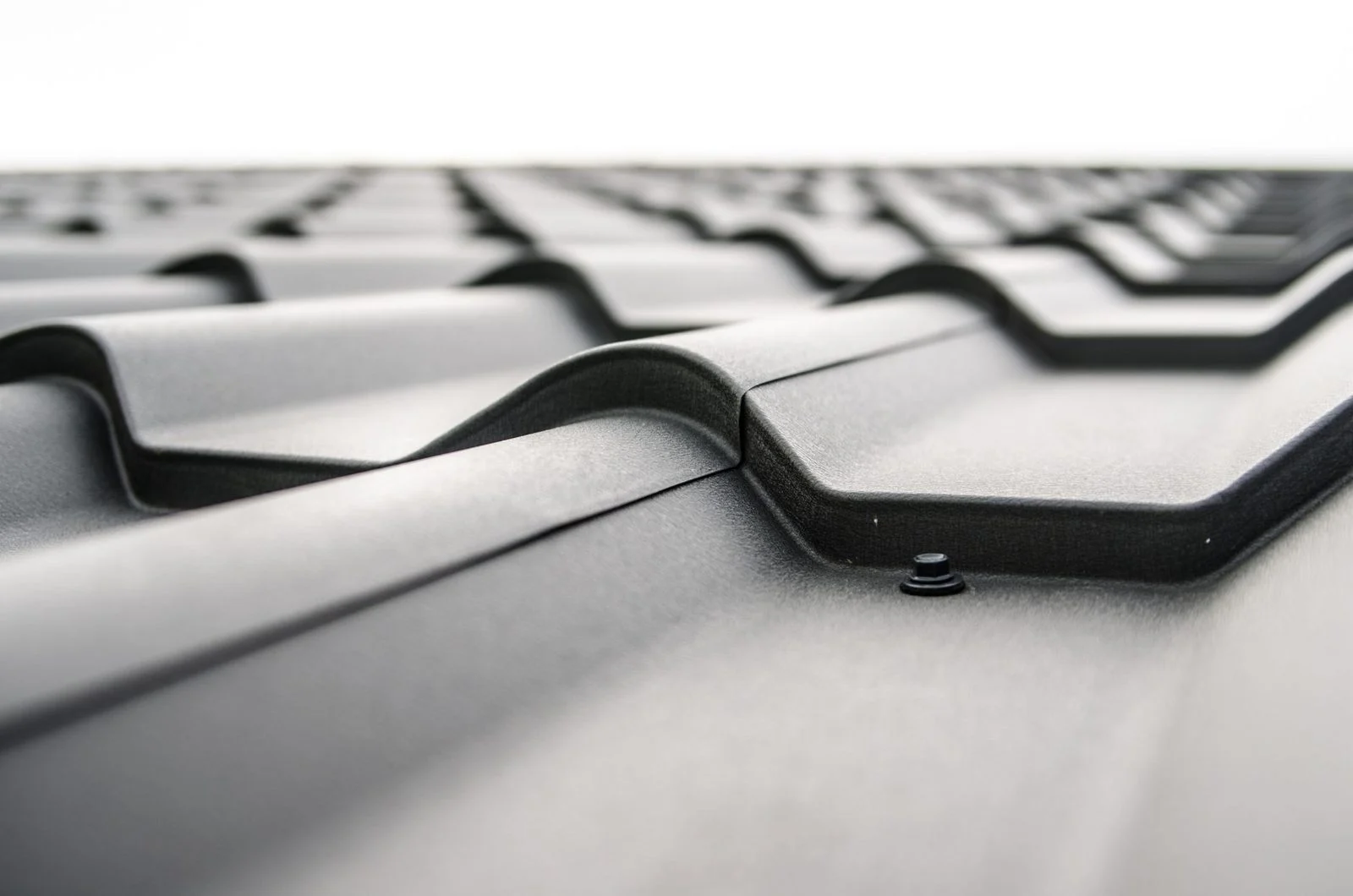
A professional should look at the roof when leaks appear in more than one spot or keep returning after a patch. Watch for rust that is spreading or pitting, panels that lift or flex underfoot, damaged flashing, and water stains that come back. Those signs point to a source a surface coating can’t reach. If a leak is active now, a temporary measure to limit water entry may still make sense while you arrange an assessment. Keep dated photos and notes of the leak and any repairs. That record helps if an insurance adjuster visits your property.
If you’re handling this for a family member, a tenant, or a property you manage, you don’t have to work out the cause alone. ASP Superhome offers a free first consultation, confidential and with no obligation to continue. Reach out through our contact page to talk through what you’re seeing.
Frequently asked questions
Can you use Flex Seal on a metal roof?
You can, but it is usually a short-term measure. It won’t reliably fix leaks that come through panels, seams, or fasteners.
Will Flex Seal work on a rusted metal roof?
It may slow surface drips for a time. Rust can trap moisture under the coating, so corrosion can keep going unseen.
Does Gorilla Glue fix a metal roof leak?
It can hold a small patch for a while. It isn’t designed as a lasting metal roof repair.
Why a Lasting Fix Beats a Quick Patch
Leaks often start at seams and fasteners
A coating on the surface may not reach these points.
Rust hides underneath
Moisture can get trapped beneath a sealant, so corrosion may keep spreading out of sight while the surface looks sealed.
Storm and heat wear coatings down
Intense South Florida sun, humidity, and heavy rain can break down temporary coatings faster than many homeowners expect.
Repairs address the source
A professional inspection identifies where water is actually getting in, so the repair targets the problem instead of only the visible symptom.
Important: Sealants Are a Temporary Measure
Using Flex Seal on a metal roof may help for a short time, but it is not a reliable fix for leaks coming through panels, seams, or fasteners. Hidden moisture can cause further damage if left unchecked.
Common Questions About Metal Roof Leaks
Can I use Flex Seal on a metal roof?
You can, but it is usually a short-term measure. It is not a dependable fix for leaks that come through panels, seams, or fasteners.
When should I call a professional?
If you notice drips, staining on ceilings, lifted panels, or rust spots, a professional inspection can show the true source before small problems grow.
What about roof repair versus replacement?
Some roofs need targeted repairs, while others have reached the point where replacement is the more practical option. An inspection helps determine which approach fits your home.


