


Roofing Funding Guide · South Florida
Need Money to Fix Your Roof? Start With a Clear Plan
Compare the common ways homeowners pay for roof repair and replacement, from insurance claims to loans and payment schedules, then talk with ASP Superhome about your project.
By Jonathan Rodriguez · Published October 31, 2026
If you’re asking how to get money to fix a roof, you have several realistic routes. These include homeowners insurance, financing tied to the roofing project, a loan, paying in stages, and some assistance programs. Which route fits turns on what caused the damage and what your budget can handle.
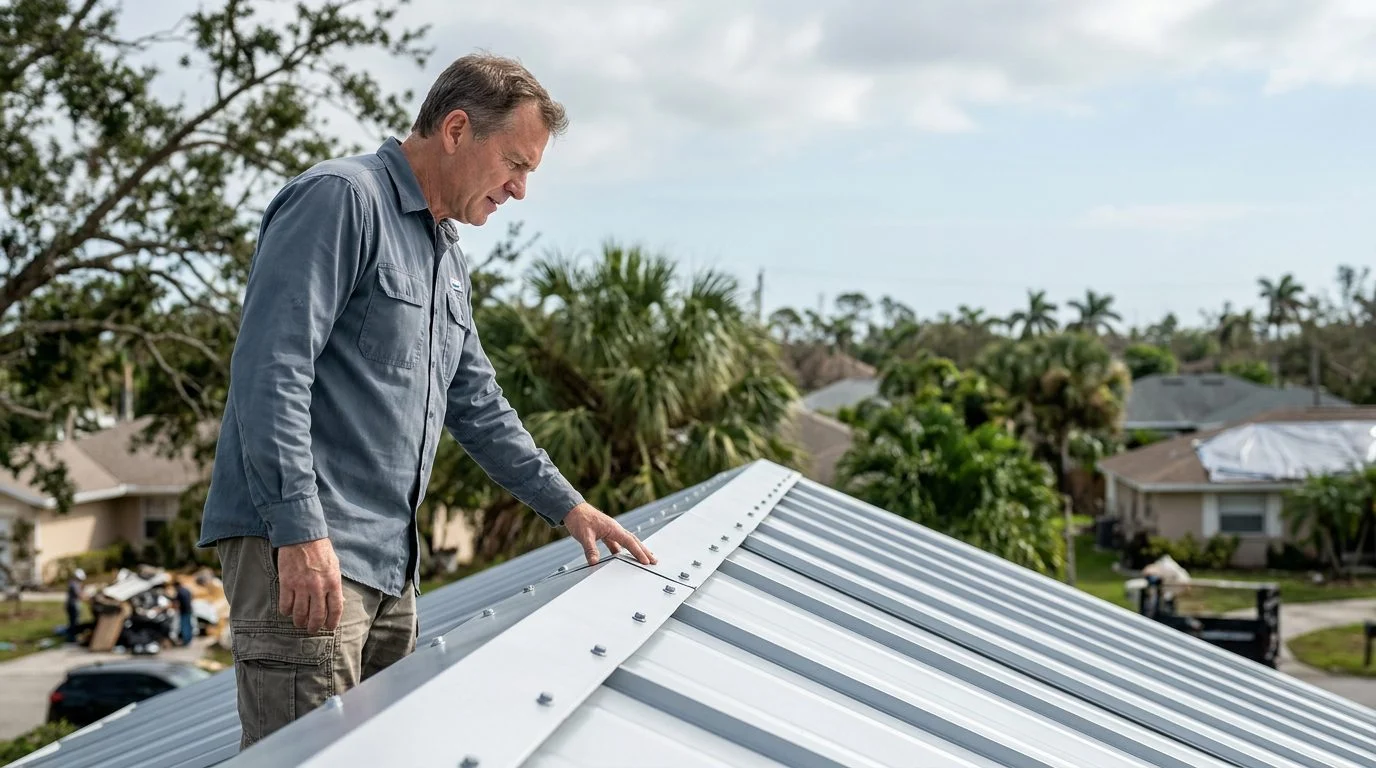
Many people land on this question in the middle of a problem they didn’t plan for. A leak may have stained a bedroom ceiling. A storm may have lifted shingles or bent metal panels. Maybe you’re researching this for a parent or a tenant. Water that gets into a home can cause more harm the longer it sits, so it helps to sort out funding early.
This page walks through each route in plain terms. For a broader view of repair work across South Florida, read our roof repair guide for South Florida.
Checking Whether Your Homeowners Insurance Can Help
Your homeowners policy may cover sudden storm or wind damage, but the policy wording and your claim timing decide that. Florida sets firm deadlines, so start early.
Under Fla. Stat. § 627.70132, a claim is barred unless the insurer gets notice under the policy terms within 1 year after the date of loss. A supplemental claim for added damage has an 18-month window. For hurricanes, the date of loss is the day the hurricane made landfall. For tornadoes, windstorms, severe rain, and other weather-related events, it is the day the event is verified by the National Oceanic and Atmospheric Administration.
Take these steps now. Photograph the damage from several angles. Keep receipts for any temporary repairs. Read your deductible, which is the amount you pay before coverage applies. A small repair may cost less than the deductible.
Replacement-cost coverage has limits too. Whether a policy covers the cost of meeting building laws or removing debris depends on the policy’s terms. The insurer decides the claim, and no one can predict that decision in advance.
Storm upgrades like impact windows and doors may matter when an insurer reviews a home’s wind protection.
If a leak has already reached your ceiling, you don't have to work out the money alone. Our team can help you take the next step, so reach out through our contact page. Talk it through with our team — the first consultation is free, confidential, and carries no obligation.
Financing Options Tied to the Roof Project
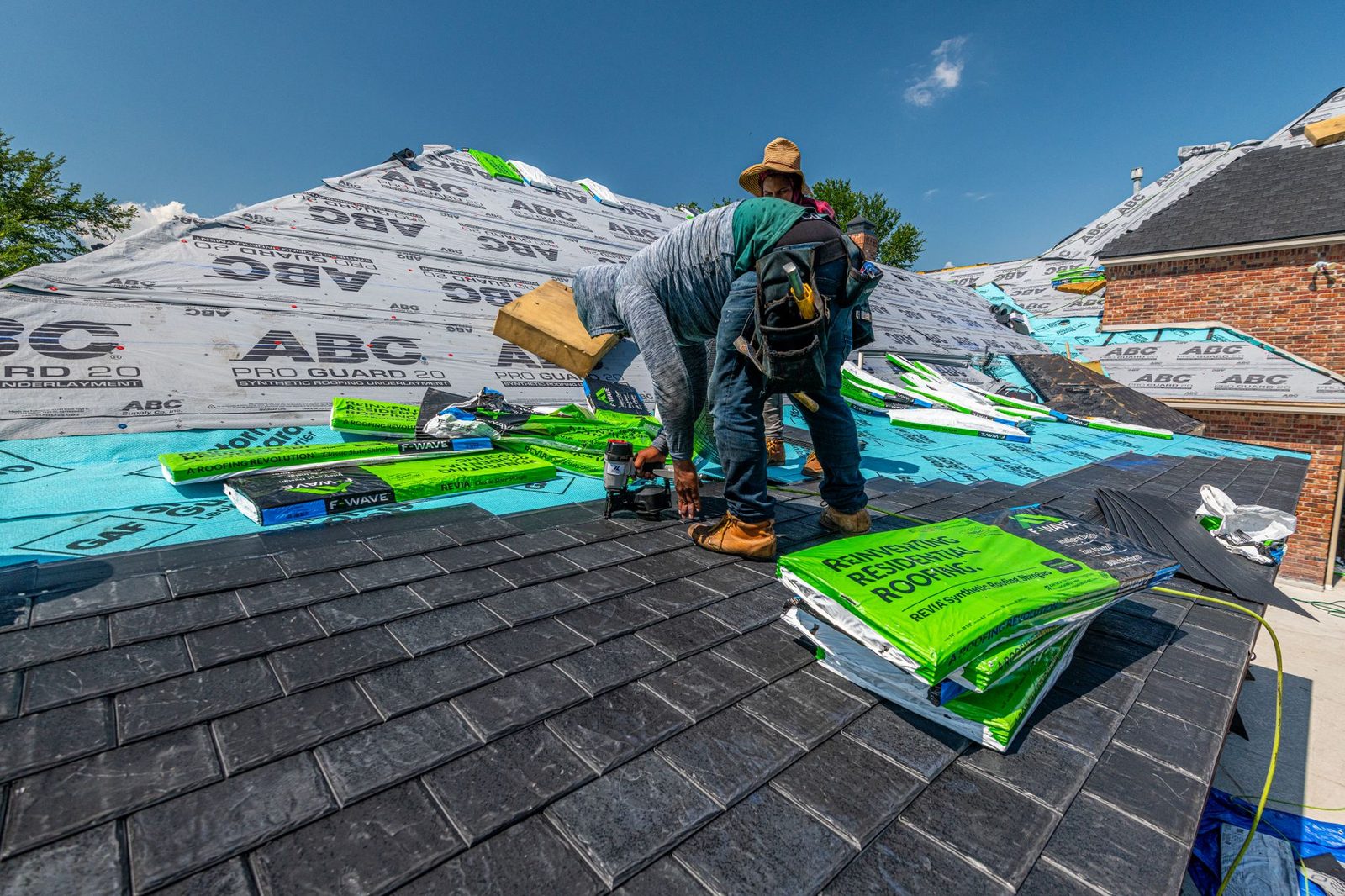
Some roofing contractors offer payment plans or lender financing arranged through the contract. Read every financing term in writing before you sign.
Review each offer with a short checklist. Look at the interest rate, fees, term length, monthly payment, and what happens if the work is delayed or changed. Then compare the total cost under each payment option, using only the figures on the written quote.
Florida contract rules also help you. Every residential roof repair or replacement contract must include, or add as an attachment, a bold notice of at least 14 points on the page reserved for the residential property owner’s signature. The notice tells you that if the work is related to an insurance claim, you should contact your insurer to verify coverage before signing.
If a salesperson presents the offer at your door, you have extra time. In a home solicitation sale, you may cancel until midnight of the third business day after you sign, under Fla. Stat. § 501.025.
Plan Your Project With Our Team
A home equity loan uses your house as security, while a personal loan typically does not. Both can help fund a roof, but they carry different risks.
A home equity loan or line of credit puts your home at risk if payments are missed. The creditor cannot perform services or deliver materials until that period ends, unless you waive your right. A waiver is allowed only for a bona fide personal financial emergency, and it requires a dated written statement that describes the emergency, specifically modifies or waives the right to rescind, and bears the signature of all the consumers entitled to rescind. Printed forms for this purpose are prohibited.
That timing matters. Ask the lender for the rescission dates before any roofing work starts.
Unsecured personal loans and credit union loans don’t use your house as collateral. Their rates and terms vary by borrower. Eligibility depends on credit history, income, and lender rules, so ask the lender directly.
Paying in stages is another option. Some homeowners make a temporary repair first to stop active leaks, then plan the full job. Keep every receipt.
Talk With Our Team About Your Project
The USDA Section 504 home repair program is a federal option that some homeowners ask about for urgent repairs. The USDA sets its rules, and those rules can change over time.
Eligibility rules differ by program. Many federal programs set limits on location, household income, and the homeowner’s age, so the details matter when you apply.
State, county, and city programs for home repair or storm hardening also exist in some areas. Our team can confirm the current details for your project.
Federal and local programs often ask for a clear description of the damage. Write down what failed, when you first noticed it, and the rough scope of the work needed.
Roof Repair Planning With Our Team
After a declared disaster, recovery programs may open. These programs may set income limits, waitlists, or area boundaries.
Florida also gives homeowners a cancellation right after some emergencies. The Florida Department of Financial Services explains these roofing contractor rules for homeowners.
A clear repair scope helps any program review your request. Our team can outline the work so you can share specific details.
Questions Homeowners Ask About Roof Costs
A roof quote is easier to judge when each line item is clear. Size, material, roof pitch, tear-off, decking condition, and permitting all change the price.
Metal roofing and tile roofing have different installation needs. The Miami-Dade 2023 roofing code changes describe Miami-Dade requirements for metal roof installation, including product testing, minimum slope, and underlayment. For metal roof repair context, see our roof repair guide for South Florida.
Partial work can also affect cost.
Ask our team to itemize the quote. That lets you review each part of the work against the scope described.
How to get money to fix a roof if I have no savings?
Options include financing tied to the contract, a loan, paying in stages, insurance if a storm caused the damage, and assistance programs. Each route has its own rules and timing.
Can a roofer waive my insurance deductible?
No. Under Fla. Stat. § 489.147, a contractor who knowingly or willfully, with intent to injure, defraud, or deceive, pays, waives, or rebates all or part of an insurance deductible applicable to payment to the contractor for repairs to a property covered by a property insurance policy commits insurance fraud, a third-degree felony.
Do I have to repair the whole roof if only part is damaged?
Whether a specific project needs more than the repair itself depends on the details of the roof, so contact our team for a free, confidential initial consultation with no obligation.
Not sure what your next step is?
Talk it through with our team — the first consultation is free, confidential, and carries no obligation.
Talk Through Your Roof Situation With ASP Superhome
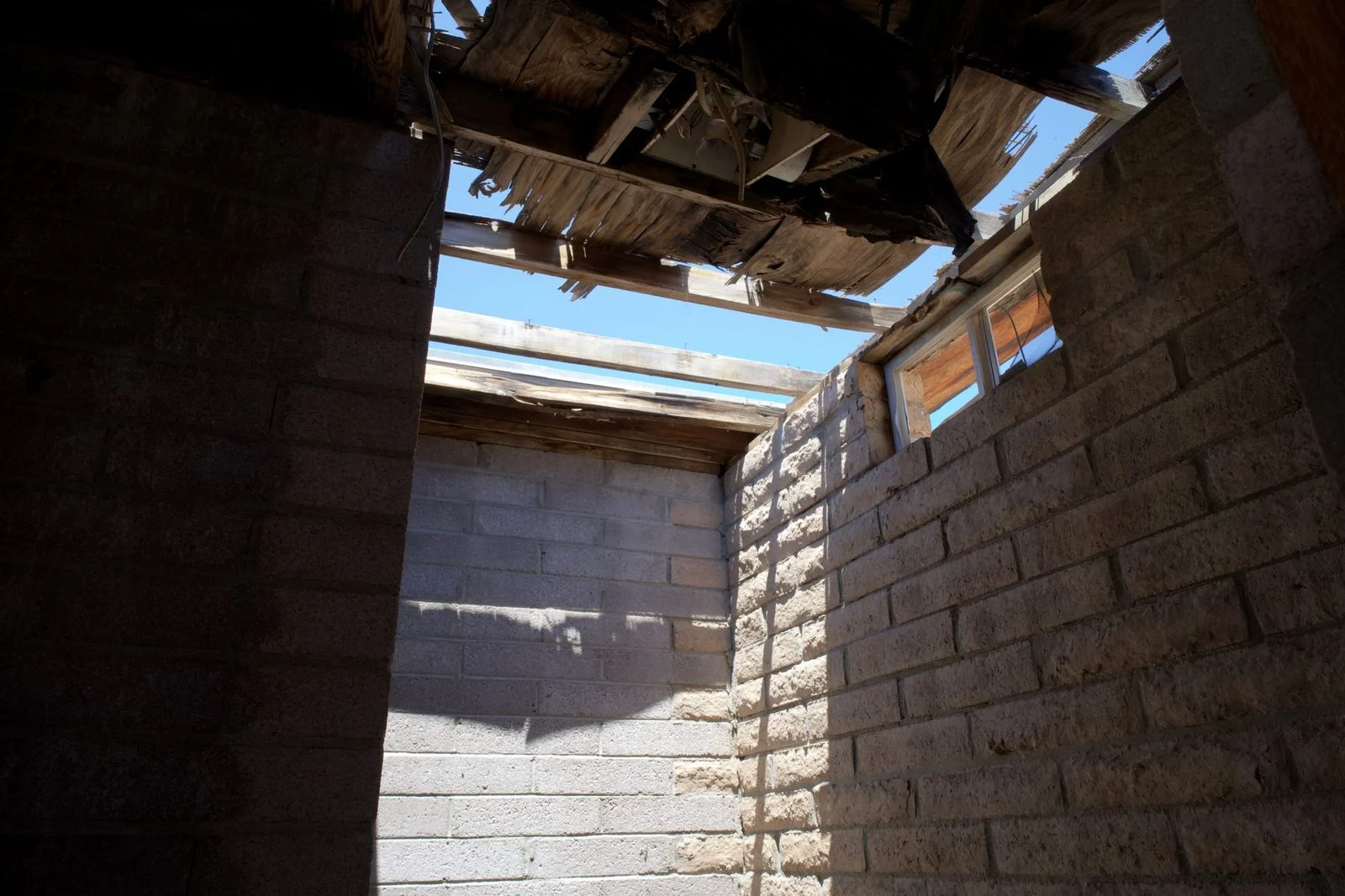
If you’re working out how to get money to fix a roof, you may be facing a leak that stained a ceiling. You may also have storm damage to shingles or metal panels, or an aging roof that needs replacing while a family member recovers from an illness.
Our team can talk through the roof’s condition, the repair or replacement scope, and the insurance or financing questions that come with it. The first consultation is free, confidential, and carries no obligation to continue.
If a leak has already reached your ceiling, you don’t have to work out the money alone. Reach out through our contact page to start the conversation.
Before You Choose a Funding Path
Get the damage documented
Photos, dates, and a written roof assessment make every option easier to evaluate, whether you are working with an insurer or a lender.
Understand the timing
Insurance claims, loan approvals, and payment schedules each move at their own pace. Planning the sequence early helps avoid delays in the work.
Read the contract closely
Know the scope, materials, payment milestones, and warranty terms before you sign or make any deposit.
Compare total costs
A lower monthly payment can still mean a higher total cost. Look at the full picture before deciding.
Watch for Pressure Tactics
Be cautious of any offer that asks you to sign quickly, pay a large deposit up front, or set aside your insurance claim. Ask for everything in writing and take time to review it.
Common Ways to Pay for Roof Work
Insurance claims
If a storm or other covered event damaged your roof, your insurance policy may help cover part of the repair or replacement. Your policy terms and your insurer's process decide what applies.
Personal savings
Setting aside funds over time, or combining savings with another option, can reduce how much you need to borrow.
Loans and financing
Some homeowners use a personal loan or home-related financing to pay for a project. Compare interest rates, fees, and repayment terms before you commit.
Staged payments
Some projects are paid in stages tied to defined milestones, such as materials delivered or work completed. Make sure each stage is spelled out in your agreement.


