


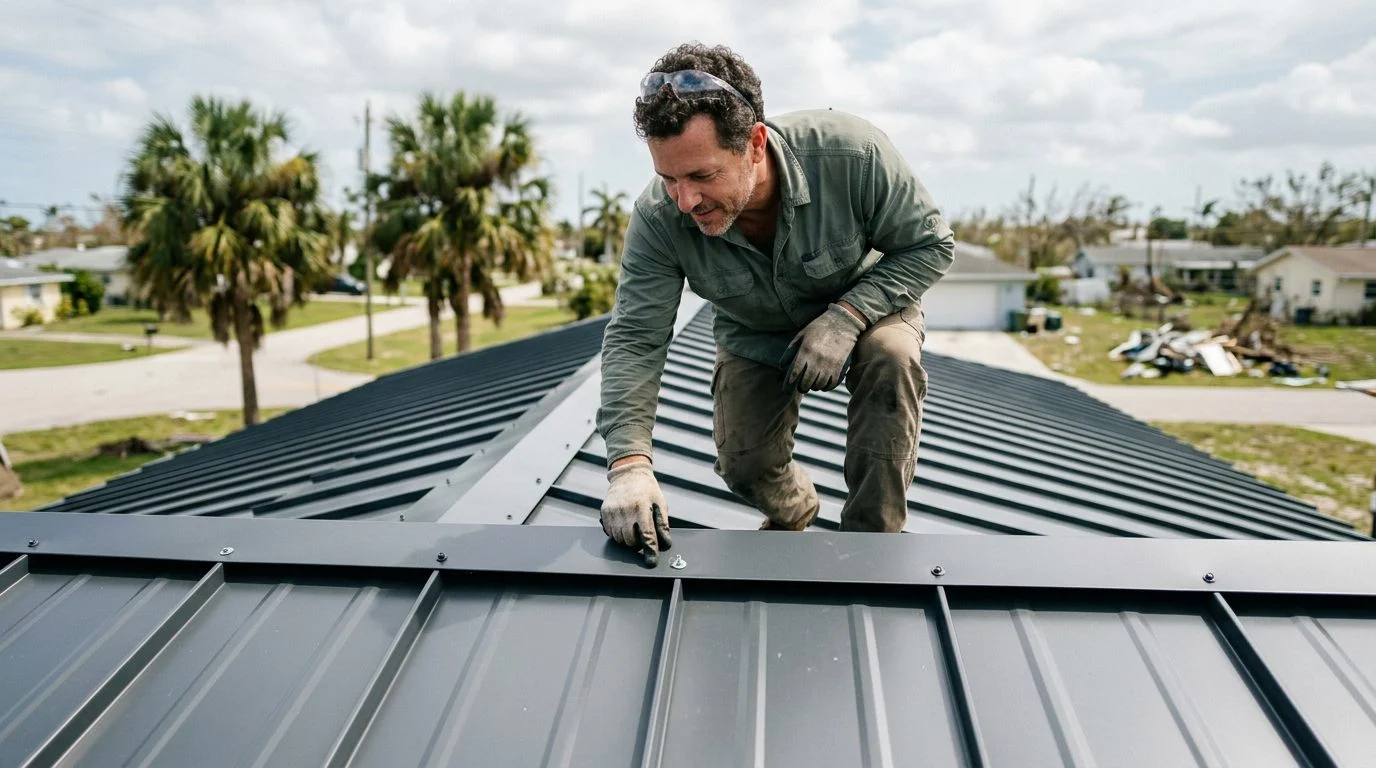
Roof Protection · South Florida
Get Your Roof Storm-Ready Before the Next Hurricane Hits
Practical checks and upgrades that help keep your home dry when the wind and rain arrive.
By Jonathan Rodriguez · Published November 9, 2026
How to protect your roof from a hurricane comes down to four checks: how the roof is tied to the walls, what is loose outside, whether drains are clear, and where rain could get in. Most hurricane damage to a roof comes from three paths: wind uplift, wind-driven storm debris, and wind-driven rain. This guide explains each path in plain terms, so you know what to look for.
Why Hurricanes Put Your Roof at Risk First
The roof is the most exposed part of a home in high winds. It is often the first part to take damage.
Wind does not just push on a roof. It moves over and under the roof edges. That motion creates uplift, a pulling force that can lift shingles, tiles, or metal panels and loosen them. Once a covering lifts, rain and debris can get underneath.
Storm debris is the second path. Loose objects carried by the wind can strike the roof, vents, and gutters. Wind-driven rain is the third. Rain pushed sideways and upward can work past edges and flashing, even when the outer covering looks intact.
Uplift does not follow one simple rule. The storm’s strength, the roof’s design, and how the roof is fastened all matter. No single wind speed tells you whether a particular roof will hold. For the repair side of this topic, see our broader guide on roof repair in South Florida.
If you're looking after a roof you didn't expect to protect, or you spotted damage after a storm, our team can talk it through in a free, confidential first consultation with no obligation to continue. Talk it through with our team — the first consultation is free, confidential, and carries no obligation.
Know Your Roof Type, Age, and Design
Your roof type decides which checks matter most. Metal, tile, and other roofs respond to wind in different ways.
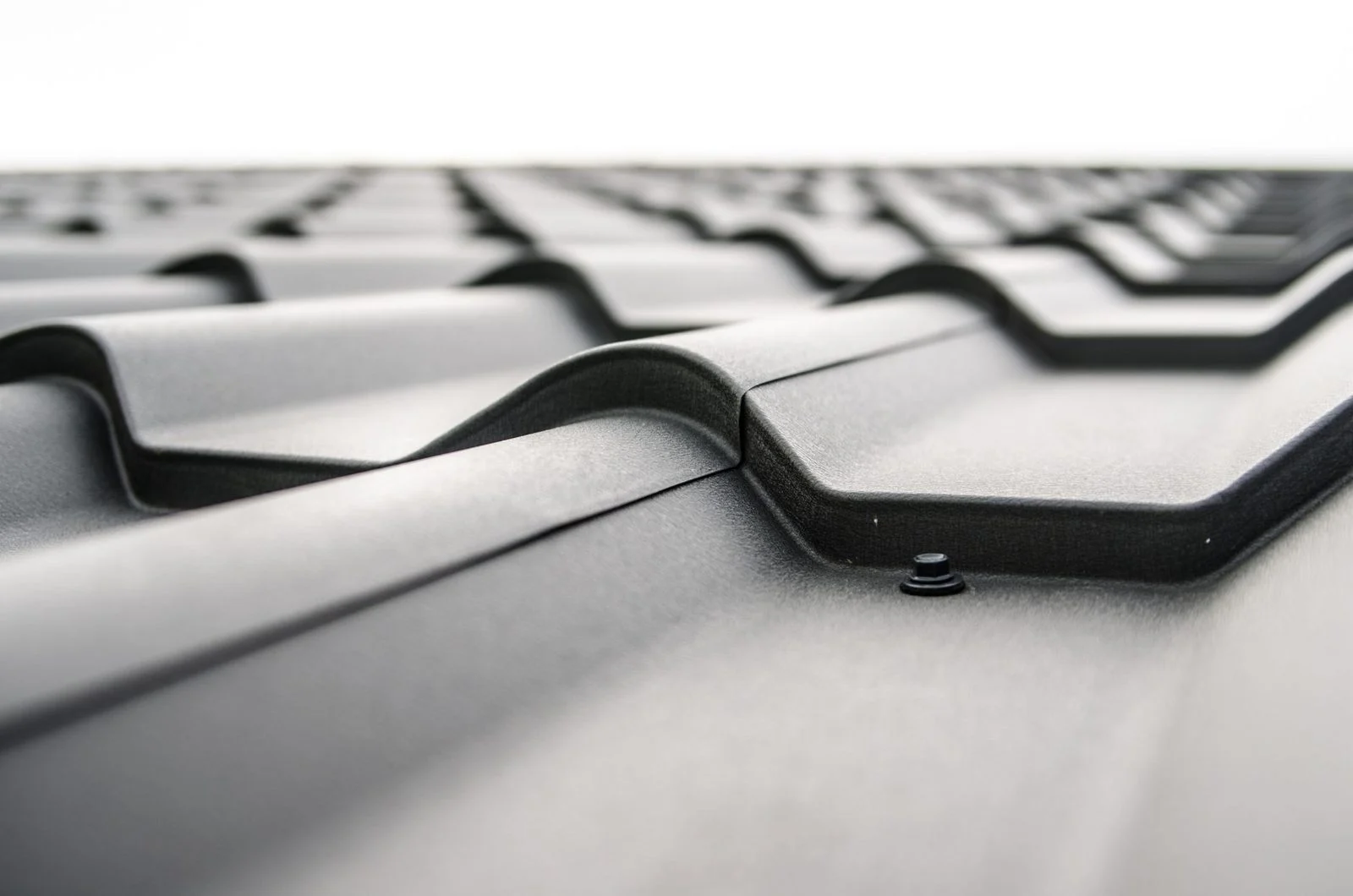
Metal roofs depend on their flashing and panel edges. Florida’s 2026 residential code changes added a section requiring metal roof panel flashing to follow the code chapter and the manufacturer’s installation instructions. See the 2026 residential code changes for the change itself.
Tile roofs are heavy. The structure beneath must carry that weight, so look for cracked, slipped, or loose tiles from the ground.
Shingle roofs have their own rules. The 2026 code added requirements for hip and ridge shingles. They must be tested to a modified UL 2375 standard at 110 mph, or secured with a roof-cement method as an alternate. Review the 2026 shingle code changes.
Roof shape matters too. Hip roofs, which slope on all four sides, generally handle wind better than simple gable roofs. Pitch and overhangs also affect how much uplift a roof sees.
Building codes set the baseline. Homes in South Florida are often built with hurricane winds in mind, and impact-rated windows, doors, and roofing are options homeowners consider for added protection. Florida has adopted a strong building code.
If you’re replacing the roof, Florida law adds requirements. Under Fla. Stat. § 553.844, for site-built, single-family residential structures, a roof replacement must incorporate specific windstorm techniques named in the statute.
Check Roof-to-Wall Connections and Hurricane Straps
The roof must be tied securely to the walls below it. Clips, straps, and fasteners carry the load when wind tries to pull the roof away. Hurricane straps, also called roof tie-downs, are metal bands that link rafters or trusses to the walls.
You can check for weak attachment without climbing the roof. Look for lifted edges, missing or loose fasteners, and gaps where the roof meets the wall. From the attic, look for daylight at the top of the walls or sagging rafters.
A common mistake is assuming an older roof is tied down because it has stood through past storms. Surviving a storm does not show how the connections were built.
Fla. Stat. § 553.844 addresses retrofit techniques for existing buildings, including roof-to-wall connections and the strengthening of roof-decking attachments and fasteners during reroofing. Under Fla. Stat. § 553.844, roof-to-wall connections are not required unless evaluating and installing connections at gable ends or all corners can be completed for 15 percent of the cost of roof replacement.
Adding straps to an existing roof is work for a qualified roofer. The connections must reach the framing correctly and use the right fasteners.
Secure Loose Items and Clear Drains Before the Storm
Secure or store anything outside that wind could carry into the roof. Patio furniture, planters, grills, trash cans, and loose gutter sections can all become storm debris.
Trim overhanging tree limbs. Dead branches can strike the roof or fall across drains in strong wind.
Clear gutters, drains, and scuppers so water can leave the roof during heavy rain. Scuppers are openings in a wall or parapet that let water drain off a flat roof. Leaves and debris block them easily.
Clogged drains cause ponding, which is water that sits on the roof. On flat or low-slope sections, ponded water adds weight the roof must carry. Check drains before the first heavy rain arrives.
Protect Against Wind-Driven Rain
Wind-driven rain can enter a home through gaps at flashing and vents, even when the roof covering is intact. Flashing is the metal or sealed material that covers joints around chimneys, vents, and walls.
Check these entry points. Look at flashing around chimneys and vents, sealant around pipes and other penetrations, and ridge caps for cracks or missing pieces. Cracked or missing sealant is often easy to spot.
Windows matter too. Sumter County hurricane window guidance says broken windows let wind and rain inside and can increase pressure beneath the roof. Securing windows is an important hurricane-protection step.
Impact windows and impact doors are one way to guard openings. They help keep rain and debris out as part of the building envelope, the outer shell that separates the inside of a home from the weather.
For certain reroofing projects, Miami-Dade hurricane mitigation guidance explains when secondary water-barrier protection applies.
Inspect Before and After the Storm, and Plan Your Next Step
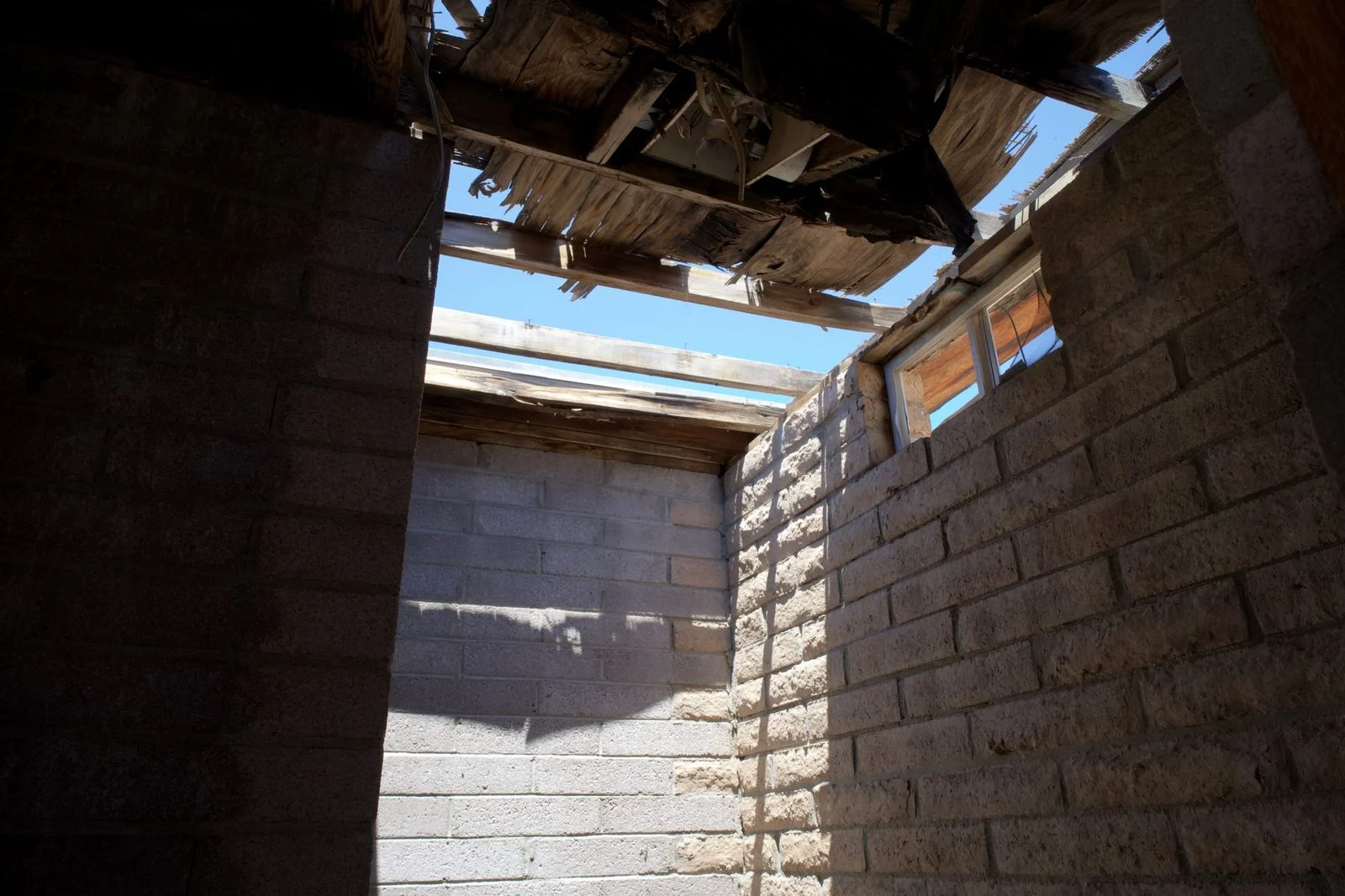
Inspect your roof before hurricane season and again after any storm that reaches your area. Look for missing, cracked, or lifted materials. Check flashing and gutters. Look inside for water stains on ceilings and walls.
After a storm, wait until it is safe before you go near the roof. Don’t climb onto a damaged roof. Document what you see with dated photos taken from the ground and from inside the home.
Plan permits early. The City of Miami roofing permit guidance states the City requires permits for residential roof repair or replacement. The Miami-Dade roofing permits page covers required forms, checklists, and contractor e-permitting.
Frequently asked questions
How do I protect my roof from a hurricane?
Check roof-to-wall connections, secure outdoor items, clear drains, and look for gaps where rain can enter.
Does a roof need hurricane straps?
Straps and ties link the roof to the walls.
Can rain get into a home with an intact roof?
Yes. Wind-driven rain can enter at flashing, vents, and openings even when the covering looks sound.
Does a roof repair need a permit in Miami?
The City of Miami says it requires permits for residential roof repair or replacement.
If you’re looking after a roof you didn’t expect to protect, or you spotted damage after a storm, you don’t have to sort it out alone. Contact our team for a free, confidential first consultation with no obligation to continue.
Why Hurricane Preparation Matters for Your Roof
Wind Resistance
A roof that is well connected to the rest of the house is better positioned to handle strong gusts.
Water Protection
Small gaps and loose materials can let rain in long before a storm is over.
Early Warning Signs
Spotting worn flashing, lifted shingles, or damaged tiles early makes repairs simpler.
Peace of Mind
Knowing your roof has been reviewed helps your family prepare with confidence.
Important: Do Not Wait for the Storm Warning
Inspections and repairs take time to schedule, and crews are busiest when a storm is approaching. Start your roof review well before hurricane season.
Steps to Take Before a Storm
Check Roof-to-Wall Connections
Look at where the roof meets the walls. Straps and ties help hold the roof to the structure.
Secure Outdoor Items
Store or anchor furniture, grills, and planters so they do not damage the roof or windows.
Clear Drains and Gutters
Remove debris so water can flow away from the roof and foundation during heavy rain.
Look for Gaps and Damage
Check flashing, seals, and shingles or tiles for openings where water could enter.


