


Roof Repair & Replacement | South Florida
Stop the Leak Before It Spreads
ASP Superhome helps homeowners in Miami, Fort Lauderdale, West Palm Beach, Kendall, Naples, Fort Myers and Boca Raton repair leaking roofs and replace worn ones with metal and tile systems built for South Florida weather.
By Jonathan Rodriguez · Published October 23, 2026
Does Homeowners Insurance Pay for a Leaky Roof in Florida?
Does homeowners insurance pay for a leaky roof? Sometimes it does. Coverage usually turns on what caused the water to get in, not on the leak alone. A sudden storm event may be covered, while slow wear and tear often is not. This guide explains the difference, the deadlines, and the steps that protect both your home and your claim.
Not sure what your next step is?
Talk it through with our team — the first consultation is free, confidential, and carries no obligation.
The short answer: it depends on what caused the leak
A homeowners policy doesn’t pay for a leaky roof just because the roof leaks. The cause of the damage and the wording of your policy decide the result. Think of a leak as a symptom. The insurer looks for the event behind it, such as a storm that tore off tiles, or a roof that wore out over years.
Your policy’s coverage, exclusions, and deductibles then decide whether any part of the repair is paid. Timing matters too. Under the Florida notice-of-claim statute, a claim is barred unless notice goes to the insurer within 1 year after the date of loss. A supplemental claim for added damage from the same event has an 18-month window. Don’t wait to report it.
Sudden, accidental damage versus wear and tear
Sudden damage from a covered event is the kind most often paid. Each policy’s exact terms still control the outcome.
Gradual leaks are different. Worn sealants, cracked caulk, and failing flashing build up over months or years. Many policies exclude that kind of wear, deterioration, or lack of maintenance.
How can you tell them apart? A leak that shows up the morning after a storm, with broken tiles or lifted metal panels nearby, points toward a sudden event. A stain that has slowly spread across a ceiling over several months points toward gradual causes. Both can exist on the same roof. Dated photos and notes help show which is which.
South Florida storms, wind openings, and hurricane deductibles
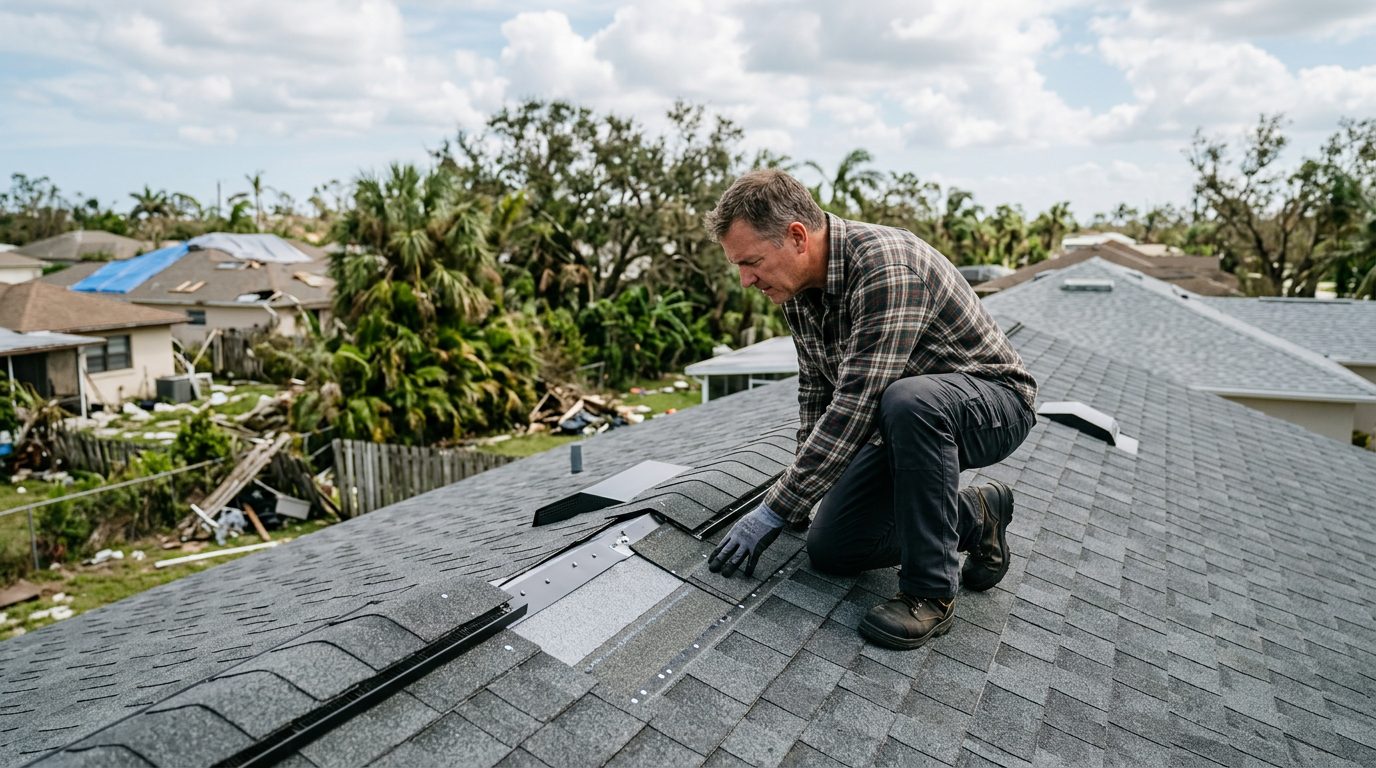
Wind-driven rain is a common way water enters South Florida homes. Wind can lift shingles, crack tiles, or peel back metal panels. That creates an opening, and rain can then get inside.
Whether the interior water damage is covered generally depends on the policy. Santa Rosa County’s claim guidance says coverage for rain entering through a roof opening created by a hurricane generally depends on the policy, as laid out in its Helpful Hints When Filing Insurance Claims.
Hurricane deductibles add another layer. Many Florida policies carry a separate wind or hurricane deductible, and it can be a percentage of the dwelling coverage. That amount may come out of your pocket before the insurer pays. Your declarations page shows which deductible applies to your home.
Leaks that usually fall under maintenance and roof aging
Leaks from aging parts usually fall under maintenance. Cracked or slipped tiles, failed flashing around vents and chimneys, and old underlayment tend to develop over time.
Metal roofs have their own aging pattern. Pinhole leaks, loose fasteners, and failed seams can develop from age and exposure to heat and salt air. Metal roofing is one of the roofing options we offer. Metal roofing is one of the roofing options ASP Superhome offers for South Florida homes. The IBHS study on building performance during Hurricane Ian assesses roof covers in Southwest Florida after the 2022 storm.
Strong storm performance doesn’t mean a roof is free of wear, though. Roof age and maintenance history can shape how an insurer views a claim. That’s one reason a current inspection helps.
Protecting the home and documenting the leak
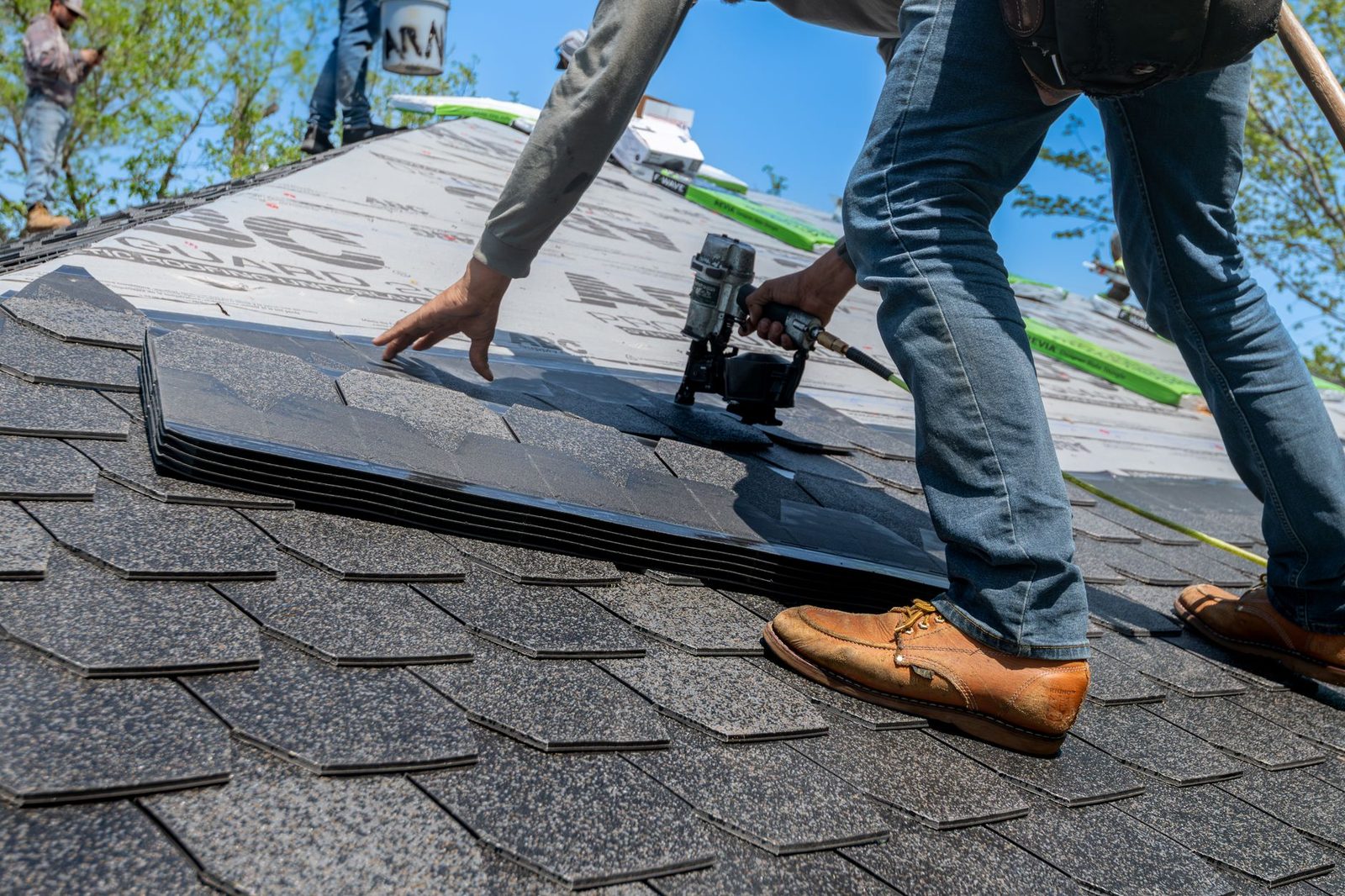
Start by stopping further damage. Most policies expect reasonable steps to prevent more harm after a loss. Cover an opening with a tarp, move belongings out of the wet area, and dry standing water as soon as you safely can.
Santa Rosa County’s guidance says to promptly make only temporary repairs to prevent further hurricane roof damage, and to preserve receipts. Keep receipts for tarps, fans, and dehumidifier rentals.
Document before cleanup. Take dated photos and video of the leak, ceiling and wall stains, and damaged items. Write down when you first noticed the leak and what the weather was like. Notes made at the time are easier to back up later. Then report the claim within the deadlines described above.
Not sure what your next step is?
Talk it through with our team — the first consultation is free, confidential, and carries no obligation.
What a professional roof inspection documents
A professional roof inspection records what the roof looks like today. The inspector checks the roofing material, flashing, vent and chimney openings, and the spots where water is entering the home. The result is a dated, specific written record.
Those findings help show whether the damage looks storm-related, age-related, or a mix of both. That matters because the cause decides how the policy applies. The report doesn’t decide your claim. It gives you an organized account to share with your insurer.
Keep the report with your photos, receipts, and repair invoices. Florida also requires certain roof contracts to carry a warning. The Florida contractor licensing statute requires bold, 14-point language telling the owner, when the work relates to an insurance claim, to contact the insurance company to verify coverage before signing.
Related roof guides for South Florida homeowners
Code upgrades can change the bill. Under the Florida Building Code roof statute, if an existing roof system was built, repaired, or replaced in compliance with the 2007 Florida Building Code or a later edition, and 25 percent or more of it is repaired, replaced, or recovered, only that portion must meet the code in effect. Florida’s replacement cost rules also matter. Under the Florida homeowners coverage statute, unless the policyholder rejects it in writing, a homeowner’s policy covering the dwelling is deemed to include law and ordinance coverage limited to 25 percent of the dwelling limit, and the insurer must also offer a 50 percent limit; this rule does not apply to mobile home policies or to policies not considered homeowners’ policies.
For planning, read about average roof repair prices and the 15-year roof rule in Florida. Both help you judge roof age and expected costs. You can also learn how often a roof should be replaced.
Frequently asked questions
Does homeowners insurance cover roof leaks caused by wind?
Your policy’s terms decide the outcome.
How long do I have to report a roof leak claim in Florida?
Under Florida law, notice generally must reach the insurer within 1 year after the date of loss. A supplemental claim has an 18-month window.
Does rain through a hurricane-damaged roof get covered?
Your policy’s terms decide that. Keep photos, dates, and receipts so the facts are clear.
Does a leak from worn-out tiles count as wear and tear?
Often, yes. Many policies exclude gradual wear, deterioration, and lack of maintenance.
Talk with ASP Superhome about your roof
A leak in the ceiling is stressful, especially when you’re reading this for a parent or relative who isn’t home. Deciding what to do next can feel unclear. Our team can walk you through roof repair and replacement options for your home.
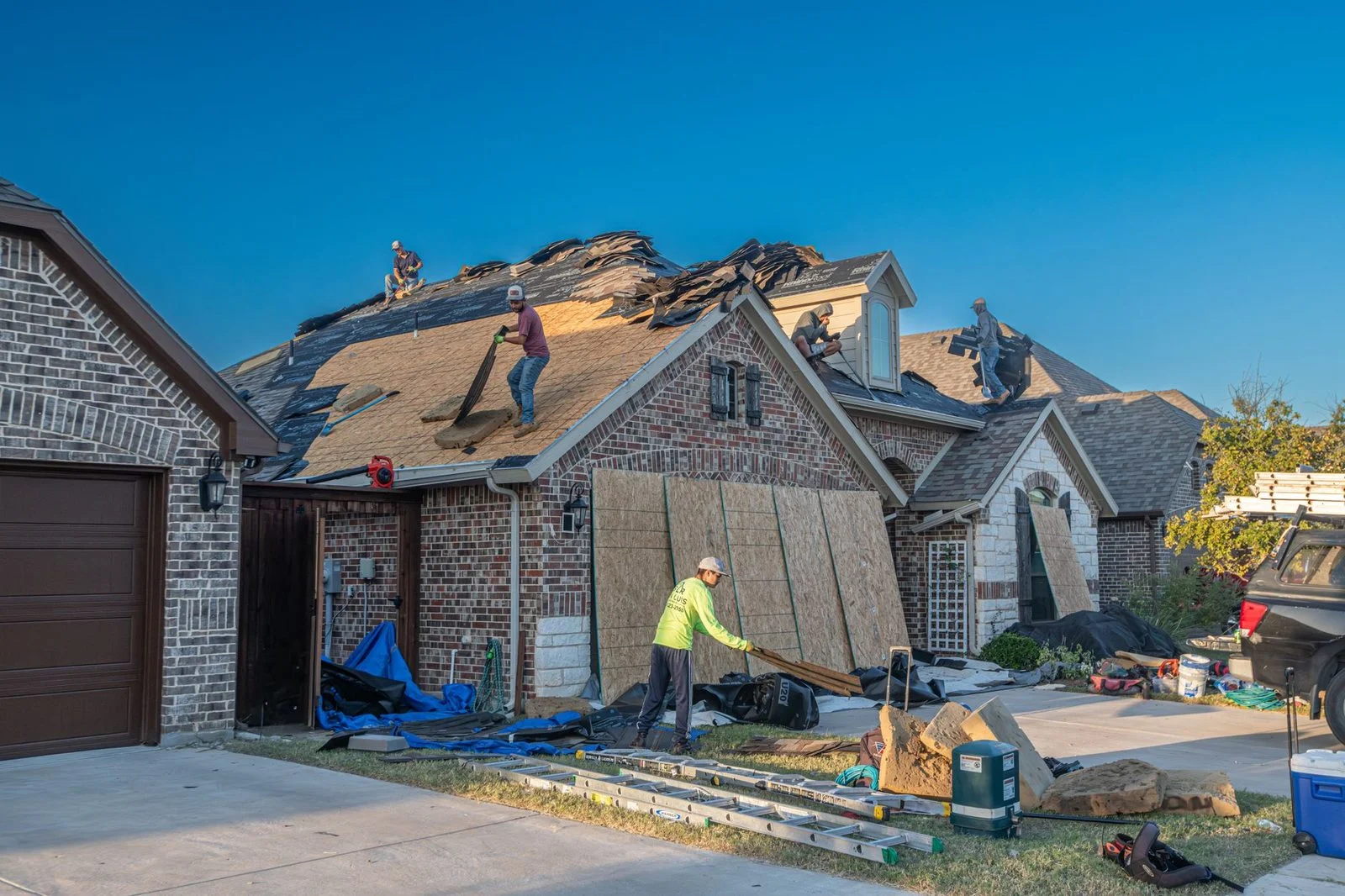
ASP Superhome handles roof repair, roof replacement, metal roofing, and tile roofing for homeowners in Miami, Fort Lauderdale, West Palm Beach, Kendall, Naples, Fort Myers, and Boca Raton. Contact ASP Superhome to schedule your free first consultation, which is confidential and carries no obligation to continue. Your first consultation is free, confidential, and comes with no obligation (consulta inicial gratuita, confidencial y sin compromiso).
Why Homeowners Call Us About Roof Leaks
Fast Response to Active Leaks
Water that gets past the roofing layers can damage ceilings, insulation and drywall quickly. We focus on getting your roof assessed promptly.
Built for South Florida Conditions
Heavy rain, strong winds and intense sun all test a roof. Our repair and replacement options include metal and tile systems suited to the region.
Clear, Written Estimates
You receive a detailed look at the problem and the recommended fix, so you can decide with the facts in front of you.
A Team That Explains Each Step
Our team walks you through the repair or replacement process in plain language, from inspection to completed work.
Don't Wait on a Small Leak
A drip in the ceiling often signals water that has already reached the roof deck, insulation or framing. Delaying inspection can turn a manageable repair into a much larger project. If you notice staining, peeling paint or a musty smell, schedule an inspection now.
Repair or Replacement: Which Do You Need?
Roof Repair
Ideal for isolated leaks, damaged flashing, cracked tiles or loose metal panels when the rest of the roof remains sound.
Roof Replacement
Considered when leaks are widespread, the decking is compromised, or the roof has reached the end of its service life.
Metal Roofing
Durable, lightweight panels designed to shed wind-driven rain and withstand the demands of South Florida storms.
Tile Roofing
A classic option that offers strong weather resistance and a long-lasting finish for homes across the region.
Ready to Find Out What's Behind That Leak? Start With a Free First Consultation: Confidential and With No Obligation to Continue.
Related practice areas
- Roof Repair in South Florida: Fast, Storm-Ready Fixes for Every Roof Type


