



Tile Roof Repair | Naples, FL
Stop Tile Roof Leaks Before They Spread
ASP Superhome repairs leaks in tile roofs in Naples, from cracked or slipped tiles to failed flashing around vents and penetrations. Start with a free first consultation.
Start With Confidence
Free
First consultation
Confidential
Every conversation
No obligation
To continue
By Jonathan Rodriguez · Published November 6, 2026
Tile Roof Leak Repair in Naples: Finding and Sealing the Source
Roof leak repair Naples work means finding where water gets in, then sealing or replacing the part that failed. On a tile roof, that spot is often far from the stain you see indoors. This guide explains how the leak is traced, what the repair covers, and how to request an estimate from ASP Superhome.
Water still reaching your ceiling through a Naples tile roof? Contact our team to schedule a leak inspection and request your estimate. Talk it through with our team — the first consultation is free, confidential, and carries no obligation.

What Tile Roof Leak Repair Covers and Who It Is For
Tile roof leak repair finds the entry point and fixes the failed component. It is a targeted repair, not a full roof replacement.
Most tile roofs in Naples use concrete or clay tile. A leak can start in any of these parts:
- Tiles: cracked, slipped, or missing pieces that let rain reach the layer below.
- Underlayment: the water-resistant layer under the tiles.
- Flashing: metal or sealed strips that guide water past chimneys, walls, and other roof joints.
- Penetrations: pipe boots, vents, and skylights where something pierces the roof.
- Valleys: the channels where two roof slopes meet, which carry a lot of water in a storm.
- Ridge and hip caps: the pieces that cover the peaks and edges of the roof.
This service fits homeowners who see a drip, a ceiling stain, or a damp attic after rain. It also fits owners who want the damage scoped before they decide whether to replace the roof.
Signs Your Tile Roof Is Leaking and Why Stains Mislead
A ceiling stain is the most common sign of a tile roof leak. But it rarely marks the entry point.
Watch for these warning signs:
- Ceiling stains or bubbling paint
- A musty smell in the attic
- Damp or matted insulation
- Dripping light fixtures
- Water that appears mainly during wind-driven rain
Water runs along rafters, decking, and underlayment before it drops indoors. It can travel several feet from where it got in. Because water follows the slope, the entry point is usually upslope from the stain.
Repeated stains, dark decking, or soft spots point to a longer leak. That needs prompt inspection. A single drip after a heavy storm can also mean a cracked or displaced tile.
How Leaks Are Located and Sealed on Tile Roofs
Roof leak repair Naples starts in the attic, then moves outward to the roof surface. Here is the usual order:
- Attic first. Trace wet areas upslope from the stain. Check the underside of the decking and look for water tracks along the framing.
- Roof surface next. Look for cracked, slipped, or missing tiles, loose ridge and hip caps, and failed mortar or sealant at penetrations.
- Flashing check. Inspect chimneys, skylights, vents, pipe boots, and wall-to-roof joints. Many tile roof leaks start here.
- Underlayment check. Where tiles have lifted, look at the layer below. Failed underlayment can leak even when the tiles look fine.
Common repairs include replacing cracked tiles, re-securing loose ones, resealing or replacing flashing, repairing penetrations, and patching underlayment where it is reachable.
Code rules matter too. The Florida Building Commission analysis reviews proposed changes to Florida’s building code, so confirm the code in force before planning roof details. The tile underlayment uplift analysis says tile underlayment uplift resistance must meet the component and cladding loads of ASCE 7.
After the inspection, the repair scope is set. It may cover one area or several.
What to Expect: Step-by-Step Process and Timeline
Most visits move from your first call to an inspection, written findings, the repair, and a follow-up check.
- Call. Describe the leak, where water shows inside, and when it happens, such as during rain or wind.
- Inspection. The team checks the attic and roof surface to find the entry point and any related damage.
- Written findings. You receive the findings, the recommended repair, and the options for the affected area.
- Repair. The work is scheduled once the scope is confirmed. Nothing starts before that.
- Follow-up. The team checks the repaired area and advises how to watch the roof through the next rain.
How long each step takes varies with access, roof size, and how many parts are involved.
Why ASP Superhome and Storm Damage Documentation in Collier County
ASP Superhome is a complete home solutions company for South Florida. Its services include roof repair, roof replacement, tile and metal roofing, impact windows and doors, solar panels, solar battery backup, and kitchen remodeling.
Because one team handles roof repair and related exterior work, a leak repair can connect to larger roof questions. If a leak points to a wider problem, the same team can discuss replacement or other options.
Documentation matters when a storm leak goes to an insurer. Keep dated photos, the inspection report, and the repair invoice together. Written findings help with that review, but they do not decide any claim.
Florida law sets notice deadlines. Florida Statute 627.70132 says a claim or reopened claim, other than a supplemental claim, under a property insurance policy is barred unless notice was given to the insurer in accordance with the policy terms within 1 year after the date of loss. These time limitations are tolled during any term of deployment to a combat zone or combat support posting that materially affects a named insured who is a servicemember’s ability to file a claim. A supplemental claim has an 18-month limit. For hurricanes, the date of loss is when the storm made landfall. For other weather events, it is when the event is verified by the National Oceanic and Atmospheric Administration.
Roof contracts carry a notice rule too. Florida Statute 489.147 requires bold notice, at least 14 points, telling the owner to contact the insurer to verify coverage when the work relates to a claim. Review your policy terms with your insurer before you sign.
Not sure what your next step is?
Talk it through with our team — the first consultation is free, confidential, and carries no obligation.
Frequently Asked Questions About Roof Leak Repair Naples
Here are short answers to the questions homeowners ask most about tile roof leaks.
Can a tile roof leak be repaired without replacing the whole roof?
Often, yes. Targeted repairs to tiles, flashing, or penetrations are common, and the inspection sets the scope.
How do I know if the leak is from the tiles or the underlayment?
Cracked or slipped tiles are often visible from the roof. Underlayment failure may need tiles lifted to confirm.
Why is the water showing up far from the leak?
Water travels along rafters and decking before it drops through the ceiling.
Should I wait for the next rain to find the leak?
No. Photos and a note of where water appears help narrow the search, so schedule the inspection sooner.
Is the first consultation free?
The first consultation is free, confidential, and comes with no obligation to continue.
Ready to Get Started?
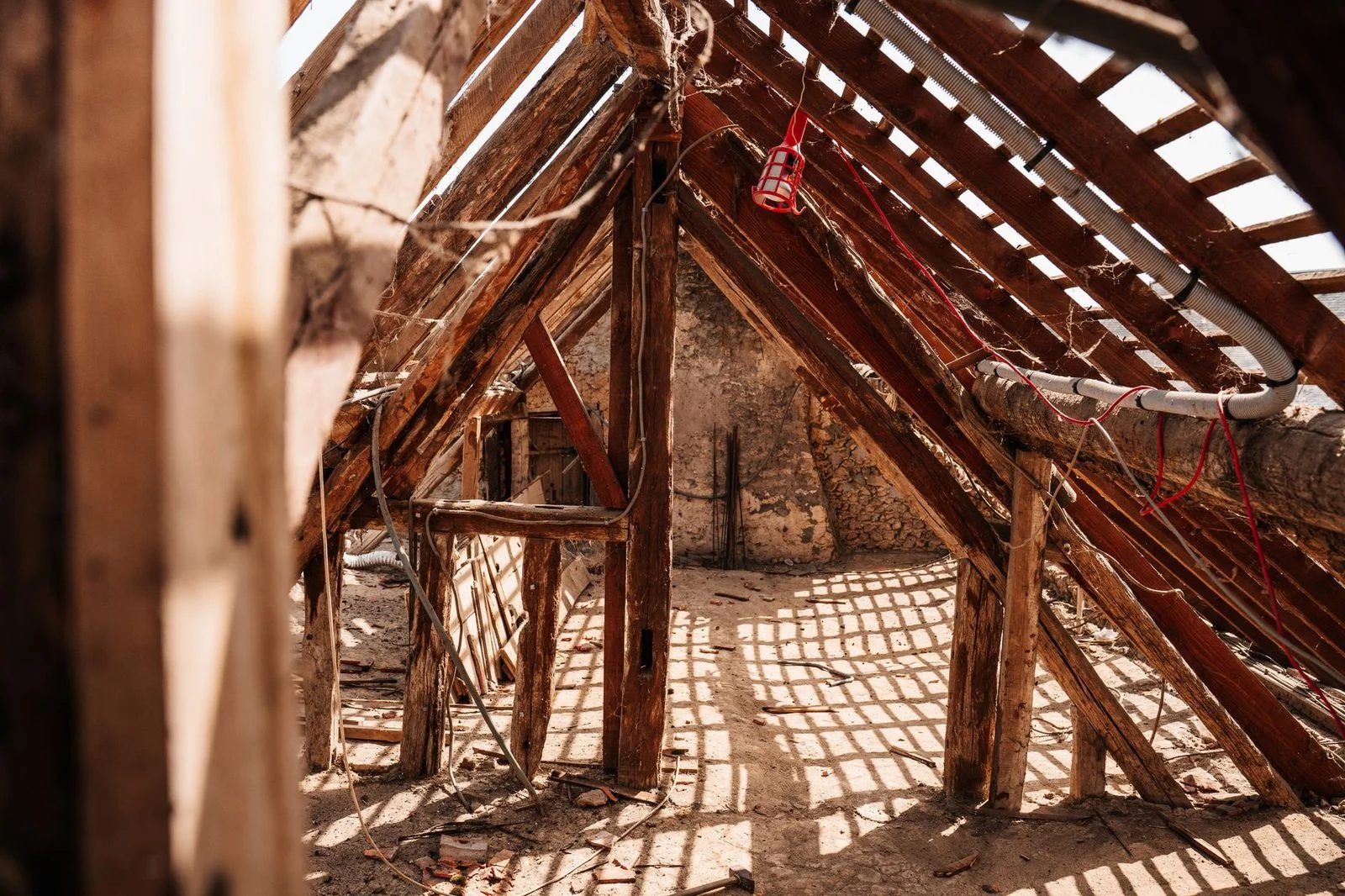
If water is coming through your tile roof in Naples and you still don’t know where it enters, the next step is an inspection. Tell the team what you see in the attic and ceiling. They will set up the inspection and a written estimate for the repair. Request a quote to start.
What Our Roof Leak Inspection Covers
Tile condition
We check for cracked, chipped, or slipped tiles that let water reach the underlayment.
Flashing and penetrations
We examine the seals around chimneys, vents, and other roof openings, where leaks often start.
Clear scope of work
You get a written explanation of what needs repair, so you can decide how to proceed.
Repair or replacement
In many cases a targeted repair is enough. Our inspection shows whether the roof needs more than a fix.
Don't Wait for the Ceiling Stain
Water can travel along rafters and into insulation before a stain appears. If you notice drips, damp ceilings, or discolored walls, contact us for a free first consultation.
Common Causes of Tile Roof Leaks
Cracked or slipped tiles
Tiles can break from impact or shift over time, exposing the layer beneath to rain.
Failed flashing
Metal flashing around chimneys, skylights, and walls can separate or corrode, letting water in.
Worn underlayment
Once the underlayment fails, water can pass through even when the tiles look intact.
Damaged penetrations
Vent pipes, satellite mounts, and other roof penetrations are common points where seals break down.
Ready for a Roof Leak Assessment in Naples?
Related practice areas
- Roof Repair in South Florida: Fast, Storm-Ready Fixes for Every Roof Type


