


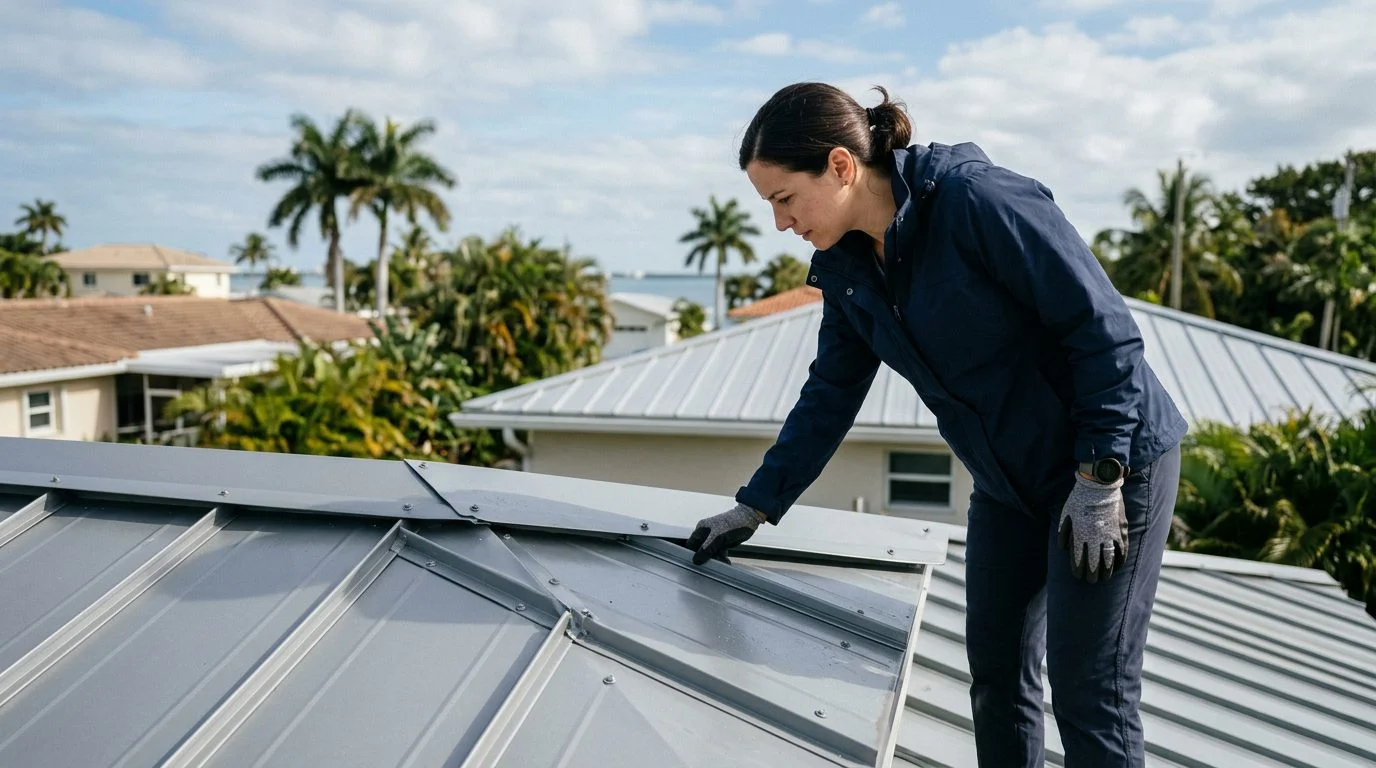
Metal Roof Repair | South Florida
Can a Metal Roof Be Patched?
Small holes and punctures often can be patched. Learn when a patch is enough, when it is only a temporary fix, and when your roof needs more than a repair.
By Jonathan Rodriguez · Published November 8, 2026
The Short Answer: Yes, Many Metal Roof Holes Can Be Patched
Can a metal roof be patched? Yes, often. Small, localized holes and punctures are the most common candidates for a patch. Whether a patch is the right fix comes down to three things: the size of the opening, where it sits on the panel, and what caused it.
A patch repairs one spot. It does not fix a roof that is failing across many panels. Think of a patch as stopping a leak at one point, not restoring the whole roof.
That matters in South Florida. Storms, wind-blown debris, and salt air all test a roof. Many owners first notice trouble as a stain on a ceiling, so the leak may appear far from where water actually enters.
A sound metal roof is also worth keeping. That is one reason to repair a sound metal roof instead of assuming it needs replacing.
If that ceiling stain or loose screw is on a roof you own or manage, our team can help you figure out what it needs. Talk it through with our team — the first consultation is free, confidential, and carries no obligation.
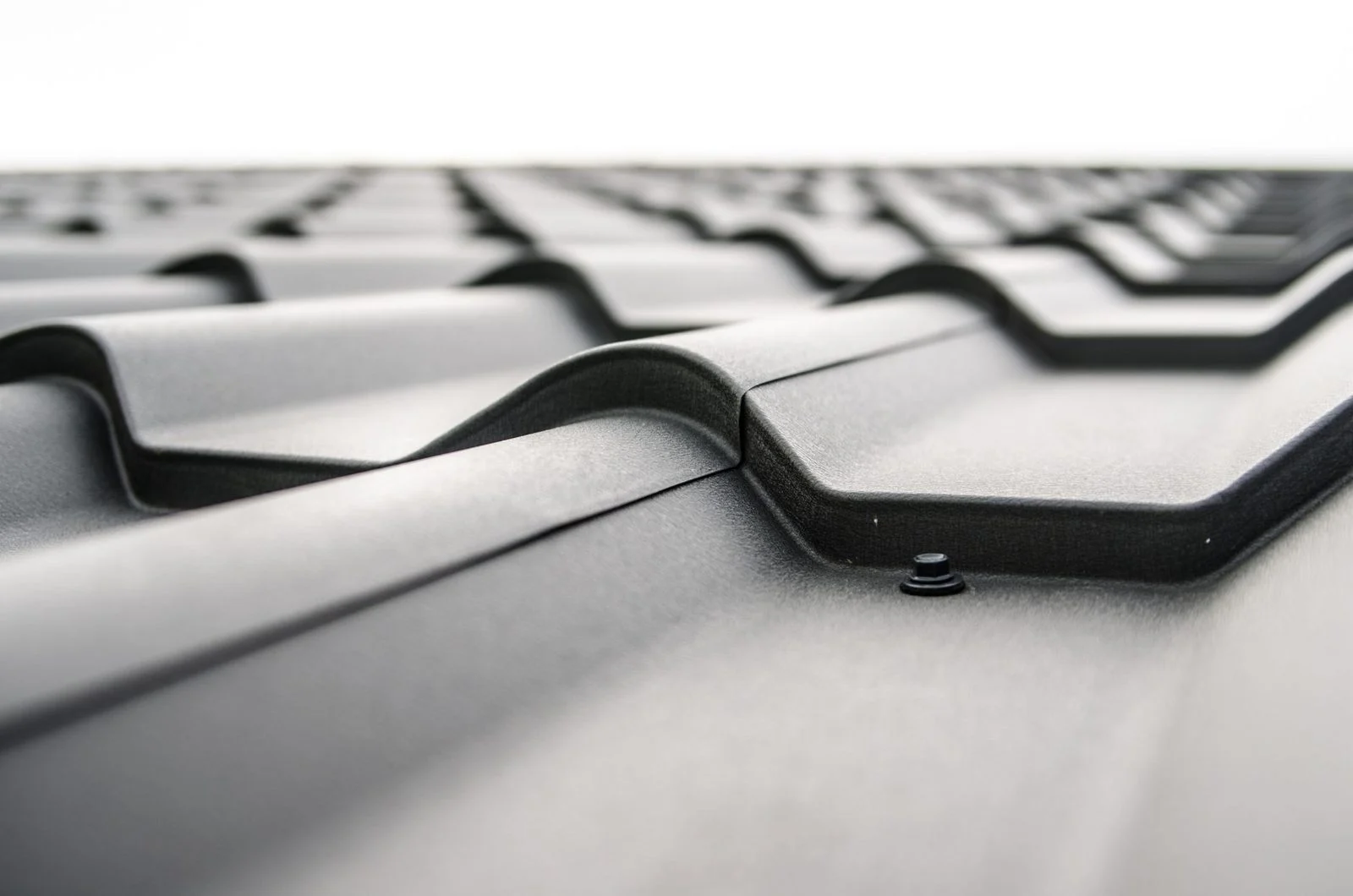
Why a Small Hole in a Metal Roof Needs Prompt Attention
A small hole should get attention soon. Even a pinhole can let rainwater reach the decking, insulation, and ceiling below.
Water rarely shows up exactly where it gets in. It can run along a panel, the decking, or the framing before it drips. A stain on a bedroom ceiling may point back to a hole several feet away.
South Florida’s rainy season adds pressure. Heavy downpours and afternoon storms push water into openings that stay dry in a light rain. A hole that seems harmless in dry weather can leak during the next storm.
Damage also grows over time. Wet insulation loses its value, and wet wood can rot. Rust can spread from a small breach into the surrounding metal.
The common mistake is waiting for the leak to get worse. A small repair now is usually simpler than the cleanup after a large leak.
Identifying the Cause and Extent of the Damage
Find the cause first, because the cause decides whether a patch is enough. A single puncture from debris is a different problem from corrosion running along several seams.
Common causes include:
- Impact from storm debris or fallen branches
- Fasteners that loosen, back out, or corrode
- Corrosion at seams, edges, or cut panel ends
- Damage from foot traffic or dropped tools during past work
Look for the signs. Drips after rain, water stains on ceilings, bent or lifted panels, and rust streaks all point to a source. Note where each sign appears. Sketch the roof and mark those spots, then check the attic below the same areas.
The most common mistake is patching the spot you can see from the yard. Water often enters at a different point, so the visible hole may not be the real source. A careful look at the full area should come before any patch goes on.
When a Patch Is a Short-Term Fix and When Panel Repair Is Needed
A patch is a fix for one spot. Panel repair or replacement is the better route when damage repeats or spreads.
A patch can stop a specific leak. It may not restore a panel’s original weather protection in every case, especially if the surrounding metal is thin, bent, or already corroded.
Consider panel repair or replacement when you see any of these:
- Damage at several points on the roof
- Bent or cracked panels
- Damaged seams or flashing
- Repeated leaks in the same area after a patch
Florida law also sets rules for larger roofing work. Under Florida Statute 553.844, if an existing roofing system or roof section was built, repaired, or replaced in compliance with the 2007 Florida Building Code or any subsequent edition, and 25 percent or more of such roofing system or roof section is being repaired, replaced, or recovered, only the repaired, replaced, or recovered portion must be constructed in accordance with the Florida Building Code in effect. That rule applies when the existing system was built, repaired, or replaced in compliance with the 2007 code or a later edition.
Permits fall under Florida Statute 553.79.
Make this call after an inspection, not on a guess.
Safety and Preparation Before Anyone Works on a Metal Roof
Do not climb onto a metal roof during rain, high wind, or when the surface is wet. Metal can be slippery, and a fall from a roof is serious.
Before anyone goes up, plan the job around safety:
- Check the weather and wait for a dry, calm day.
- Keep a safe distance from power lines.
- Use stable access equipment, set up correctly.
- Use fall protection when the work calls for it.
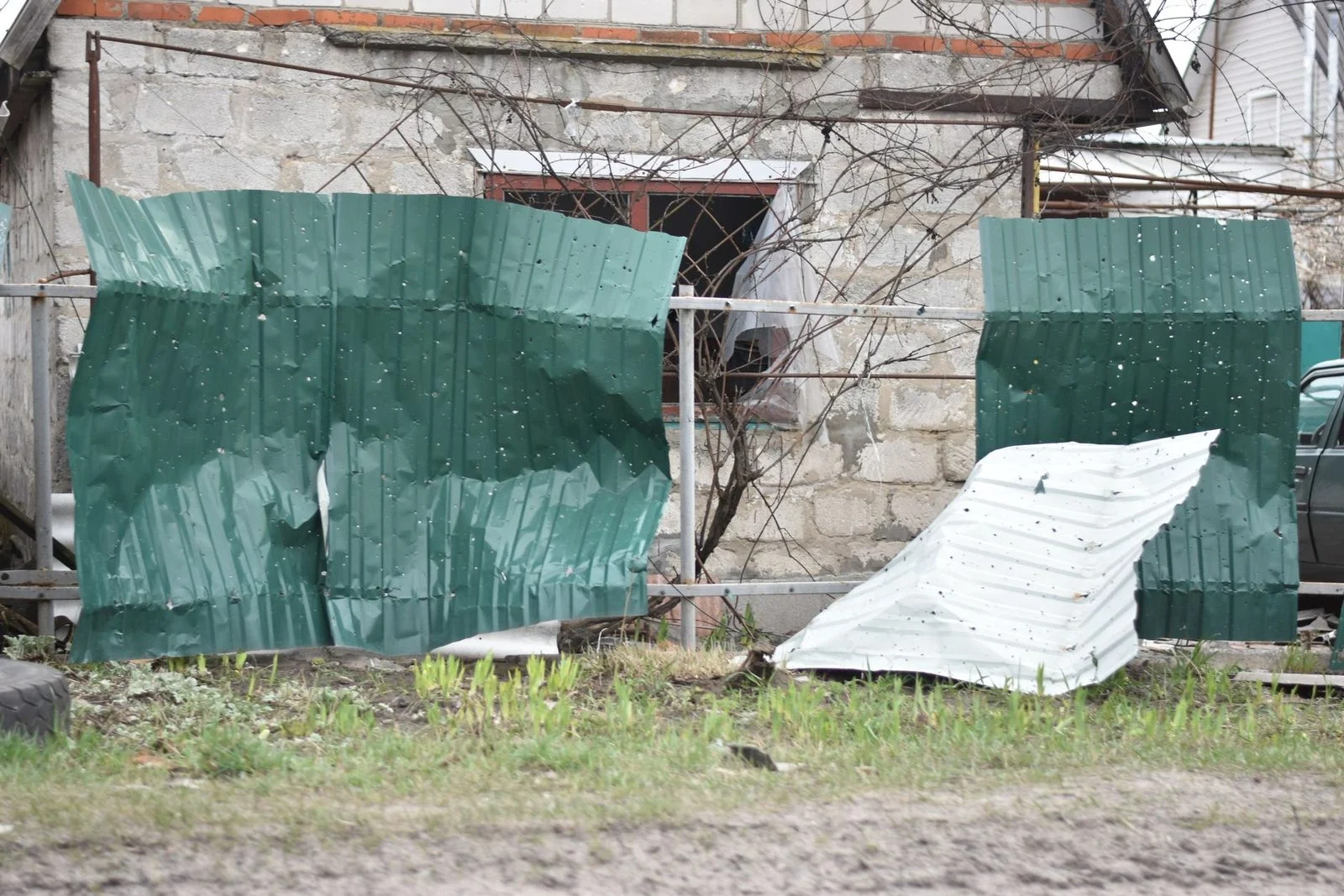
Storm-damaged roofs often hide loose panels, weak fasteners, and debris. A roof that looks fine from the ground can still be unsafe to walk on.
For most homeowners and property managers, a professional inspection is the safer starting point. An inspector can view the roof with the right access and tools. Any repair can then follow from what they find.
How a Metal Roof Patch Is Generally Done
A metal roof patch is generally done by cleaning and drying the area, cutting a metal patch to fit, and sealing it to the surrounding panel. Keep the work to a specific spot, and match the patch to the panel’s profile and metal.
At a high level, the steps look like this. Clean loose rust, loose paint, and debris from the damaged area. Let it dry completely. Cut a metal patch slightly larger than the opening, shape it to the panel’s profile, and seal the edges. Secure it with appropriate fasteners.
Matching matters. Most metal panels come with a factory coating, usually applied in a coil coating process. A field patch may not match that original finish, and a poor match can leave an edge exposed to weather. The Metal Construction Association explains factory coil coating and the typical paint systems used on metal roof panels.
Palm Beach County’s building division notes that metal roofing is a roofing product under Florida’s statewide product-approval system.
Flashing has new rules too. The Florida Building Commission analysis of the 2026 code says a new section requires metal roof flashing to comply with the chapter and the manufacturer’s installation instructions.
Not sure what your next step is?
Talk it through with our team — the first consultation is free, confidential, and carries no obligation.
Will Flex Seal Work on a Metal Roof?
A consumer sealant can serve as a temporary measure on a small gap. It is not a substitute for finding the cause.
Sealants are often reached for as quick fixes. How well one works on a metal roof turns on the surface preparation, the size of the gap, and exposure to sun and rain. Sun and heavy rain test any sealant over time.
Treat any sealant as temporary until the cause of the damage has been assessed. A sealant over a loose screw or a split seam hides the problem rather than fixing it.
For a fuller explanation, read Flex Seal on metal roofs.
Should You Replace the Screws in a Metal Roof?
Loose, backed-out, or corroded screws often need replacing, not just sealing. Fasteners are a common leak source on metal roofs, especially along screw lines.
Look for these signs:
- Loose or raised screw heads
- Cracked or missing washers
- Rust around the screw head
- Leaks that show up along a line of fasteners
Replacing a fastener is different from sealing it. Sealing covers the opening. Replacing the fastener changes the connection itself. Which approach fits turns on the fastener type and the panel condition, so an inspection should come first.
South Florida adds a specific rule. The Florida Building Commission analysis says fasteners and connectors within 3000 feet of a saltwater coastline must comply with new Section R332 of the 2026 code.
Talk With ASP Superhome About Your Metal Roof
A professional inspection is the next step when a metal roof shows a hole, a leak, or a loose fastener. An inspection shows whether a patch, panel repair, or another solution fits the actual damage.
You may be reading this with a stain on a ceiling and a roof you did not expect to fix. The property may be a rental, or a home you do not live in day to day. That is a hard spot to be in, and you do not have to work out the roof alone.
For the broader picture, see the roof repair overview for South Florida.
Can a metal roof be patched?
Yes, many small holes and punctures can be patched. A patch works best on one spot when the surrounding panels are sound.
Will Flex Seal work on a metal roof?
Treat it as a temporary measure. How it performs turns on the surface, the gap size, and sun and rain exposure.
Should you replace the screws in a metal roof?
Loose, backed-out, or corroded screws often need replacing. Florida’s 2026 code adds fastener rules within 3,000 feet of saltwater.
Does a metal roof leak mean I need a new roof?
Not always. A single leak may need a targeted repair. Repeated leaks or damage across many panels point toward panel repair or replacement after an inspection.
If that stain or loose screw is on a roof you own or manage, you don’t have to work out the repair alone. Our team can inspect the damage with you, and you can request a quote when you’re ready. Our first consultation is free, confidential, and comes with no obligation to continue.
How we approach metal roof repair
A clear look at the damage
We check the size, location, and condition of the damage and the panels around it before recommending a patch.
Built for South Florida weather
Heat, humidity, salt air, and heavy storms all affect how a repair holds up. We factor them into every recommendation.
Honest recommendations
If a patch is the right call, we say so. If the roof needs a larger repair or replacement, we explain why in plain terms.
A free first consultation
Our first consultation is free, confidential, and comes with no obligation to continue.
Be careful with quick sealant fixes
Store-bought sealants and tapes may cover a leak for a short time, but they can trap moisture and hide damage underneath. Have the roof inspected before you rely on any temporary fix.
Signs a patch may be enough
Small, isolated damage
A few small holes or punctures in one area, with the surrounding panels still sound, are often good candidates for patching.
No widespread rust or corrosion
Surface rust in a limited spot may be addressed with a patch. Corrosion that spreads across many panels usually calls for more than a patch.
Leaks limited to one area
Water entering in one spot points to a localized problem. Widespread staining or leaks in several rooms suggest a broader issue.
Signs you need more than a patch
Damaged fasteners or seams
Loose screws, lifted seams, or failed sealant along multiple panels can allow water in across the roof, not just at one spot.
Warped or buckled panels
Panels that are bent, warped, or no longer lying flat may not hold a patch well and often need to be replaced.
An aging roof
If the roof is near the end of its service life, repeated patches can cost more over time than a planned roof replacement.


