


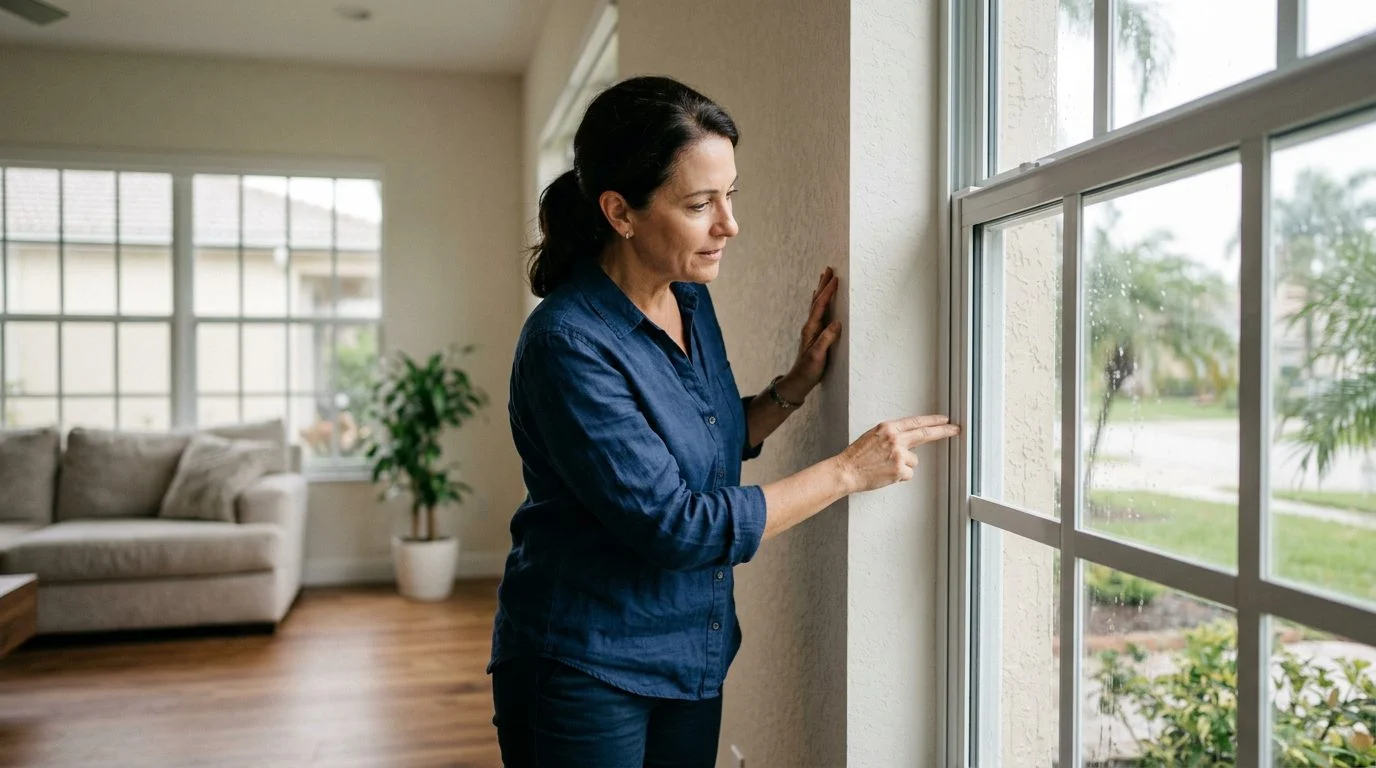
Impact Windows · South Florida
Impact Windows vs Regular Windows: What South Florida Homeowners Should Know
Compare construction, protection, and daily comfort before you choose your next windows. Book a free consultation to see what fits your home.
By Jonathan Rodriguez · Published October 31, 2026
Short answer: what sets impact windows apart from regular windows
The main difference is what happens when wind-blown debris hits the glass. Impact windows use laminated glass in a reinforced frame, and they are tested to resist that kind of strike. Regular windows are built mostly for daylight, airflow and everyday weather.
When people ask what is the difference between impact windows and regular windows, they are usually comparing three things. Those are the glass, the frame, and the tested performance. Each one changes how a window behaves in a storm.
Strong winds can throw loose objects at a house. Palm Beach County’s hurricane guidance says wind and wind-borne debris can break windows. It also says strengthening windows is an important hurricane-protection step (Palm Beach County hurricane page). That is the problem impact windows are built to address.
For a broader look at the product, see our impact windows guide.
If storm damage or old windows have you weighing impact windows for your home, you don't have to sort out the options alone. Our team is ready to talk it through with you. Talk it through with our team — the first consultation is free, confidential, and carries no obligation.

What makes a window an impact window
An impact window is a product that has passed a recognized impact test. Its rating comes from passing that test. The word “impact” on a brochure does not prove anything by itself.
In the test, a window assembly is struck by a heavy object. It then goes through repeated pressure changes. The window must stay closed and intact through that whole sequence. A window that only looks sturdy has not proven that.
That paperwork matters for permitting, so keep it with the job file.
Impact windows are sold as a complete system. The system includes the glass, the frame, and the anchoring to the building. Good glass in a weak frame will still fail under load.
How regular windows are typically built
Standard residential windows usually use annealed or tempered glass. Annealed glass breaks into large, sharp pieces. Tempered glass is stronger than annealed glass, but it breaks into small pieces.
Those small pieces can still leave a wide opening when a storm hits. A window that shatters into pebbles is not a barrier.
Standard frames and anchoring are built for ordinary loads. They are not designed for debris strikes or repeated wind pressure. That gap is the core of the difference.
Regular windows still make sense for many interior rooms and low-exposure walls. Not every opening in a house faces the same risk. A fair comparison starts with where the window sits and how exposed it is.
Laminated glass: why impact glass holds together
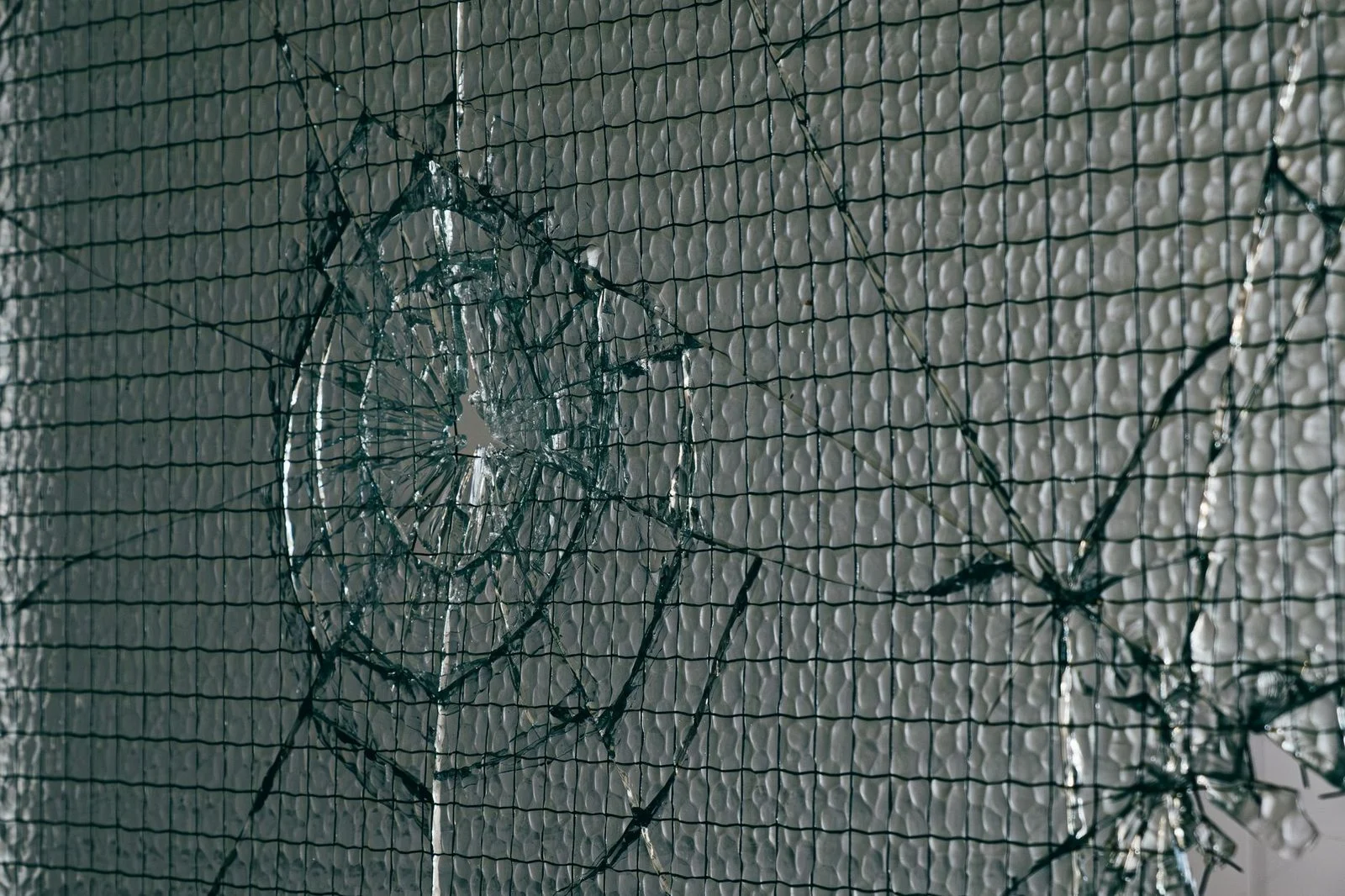
Impact glass is laminated. It has two or more glass layers bonded to a plastic interlayer, often PVB. When the glass cracks, the interlayer holds the pieces together.
This matters most during the storm itself. The glass may crack, but the fragments stay in the frame. Debris is less likely to enter the home, and the opening is less likely to fall away.
Laminated glass is not unbreakable. The goal is to keep the opening covered. Standard glass that shatters can leave the opening fully exposed.
Laminated glass also reduces noise and filters some UV light. These are commonly cited benefits of the material. You may notice them in daily life, not only in a storm.
Frames, anchoring and design pressure (DP) ratings
Impact frames are reinforced and anchored to the structure. They use specified fasteners and installation methods. Anchoring matters because strong wind can pull a loose window out of the wall.
Design pressure (DP) is the rating that shows how much positive and negative wind pressure an assembly is tested to resist. Think of it as the pressure limit the assembly handled in testing. The rating must match the wind requirements for the location.
Replacing windows is work on the building itself. Florida law makes it unlawful to repair, alter or modify a building without first getting a permit. That applies unless another law provides otherwise (Florida Statutes § 553.79).
The City of Opa-locka’s permit guidance says installing or replacing exterior impact windows generally requires a permit. The building official makes the final call (Opa-locka permit guidance). The Florida Building Commission also notes that window and door replacement must meet flashing requirements (FBC existing building analysis).
Hurricane windows, coastal windows and impact windows: are they the same?
“Hurricane windows” is an everyday phrase. It is not one standard product category. Some makers use “coastal windows” for products built for wind and salt exposure. The term varies by manufacturer, so it tells you little on its own.
What matters is the tested rating and the installed assembly. Ask what test the product passed, what DP rating it carries, and how it is anchored. Those answers tell you more than a marketing name.
Storm shutters are a different option. Pinellas County’s guidance says approved storm shutters, particularly permanent accordion shutters, can protect large openings such as sliding glass doors (Pinellas County hurricane retrofit guidance). Miami-Dade County’s hurricane guidance covers securing windows and doors with approved shutters or plywood. It also gives general information on impact-resistant glass (Miami-Dade County hurricane guidance).
Not sure what your next step is?
Talk it through with our team — the first consultation is free, confidential, and carries no obligation.
Florida requirements and what drives the cost difference
Florida’s windstorm law lists “adding or strengthening opening protections” among the mitigation measures the Florida Building Commission must develop (Florida Statutes § 553.844). Opening protection is part of the state’s wind-loss plan, not only a style choice.
Cost depends on several things. These include glass type and thickness, the frame system, the size and number of openings, and how hard the installation is. Two homes with the same number of windows can have very different scopes.
We don’t quote a set figure on this page. Pricing is set after measurement and a consultation.
Talking through your home with our team
If you’re weighing impact windows for your own home, you may be sorting facts after a storm scare. Or you may be helping a family member whose windows took a beating. Either way, starting with a conversation is a sensible step.
We offer a free first consultation. It is confidential and comes with no obligation to continue. During that visit, our team can look at the openings and exposure of your home and talk through which options fit. You can reach out to our team here.
Are impact windows hurricane windows?
People often use the two terms loosely. The tested rating is what tells you what a product can do.
Do impact windows need a permit?
Replacing exterior impact windows generally requires a permit. The building official makes the final determination.
Are impact windows tested against debris?
Yes, impact windows are tested to resist debris strikes. The rating on the product paperwork shows what the product passed.
Why Homeowners Compare Impact and Regular Windows
Built to resist debris
Impact windows use laminated glass and reinforced frames designed to withstand wind-borne debris and sustained pressure, which standard windows are not built to do.
Tested performance matters
Look for a tested rating rather than the label alone. The rating shows what a specific product has been tested to handle.
Comfort and quiet year-round
Laminated glass also helps reduce outside noise and can make rooms feel more comfortable during the hot, humid months.
Review your home's needs
The right choice depends on your home's exposure, layout, and budget. Our team can help you weigh the options for your property.
Check Permit Requirements Before You Start
Ask our team how permit requirements may apply to your project during your free consultation.
How the Free Consultation Works
1. Tell us about your home
Share your address, the windows you have now, and the concerns you want to address, such as storm protection, noise, or energy use.
2. Review your options
We explain the differences between impact and regular windows, including materials, installation, and tested performance, in plain language.
3. Get your estimate
Receive a clear quote for your project. The consultation is confidential and comes with no obligation to continue.


